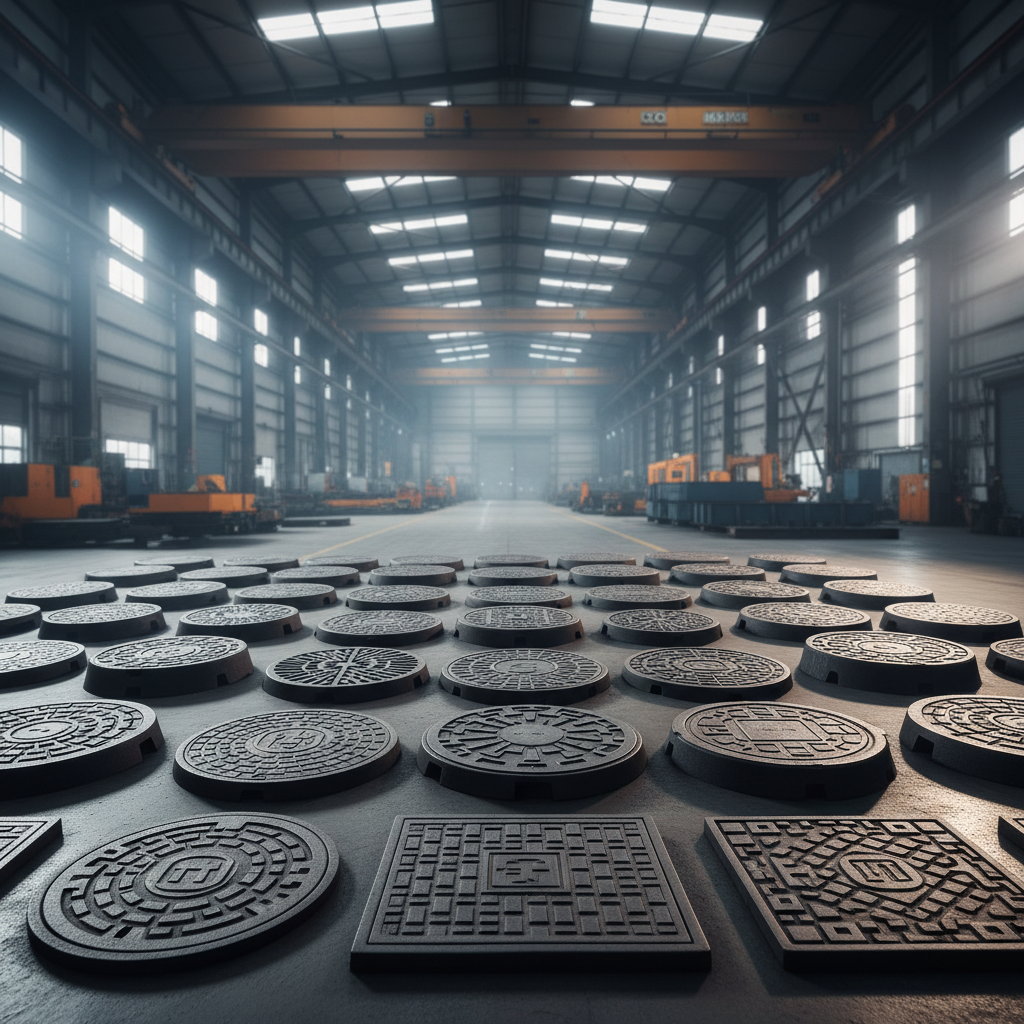
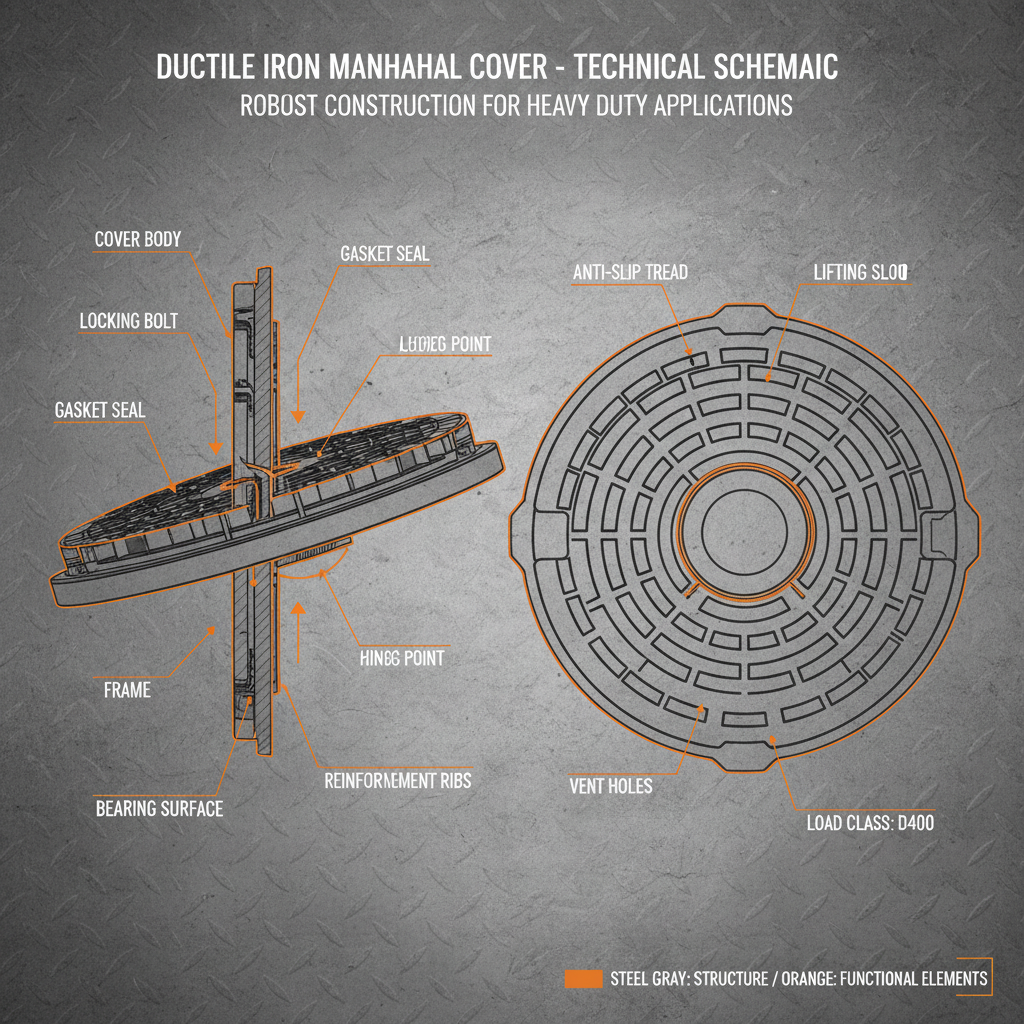
Manhole cover types are an often-overlooked but critical component of urban infrastructure. These covers protect access points to underground utilities – sewers, water mains, telecommunications, and more – and ensure public safety. Understanding the different manhole cover types, their materials, and their applications is essential for efficient city planning, maintenance, and emergency response. Globally, the demand for robust and reliable manhole covers is increasing alongside rapid urbanization and aging infrastructure.
The selection of appropriate manhole cover types directly impacts the longevity of the underground infrastructure they protect. Incorrect choices can lead to costly repairs, service disruptions, and even public hazards. Furthermore, advancements in materials and manufacturing processes are driving innovation in this sector, with a growing focus on security, durability, and sustainability. The need for standardized testing and quality control is paramount to ensure consistent performance and public safety.
Properly specified manhole covers contribute significantly to the overall efficiency and safety of a city’s underground utility network. From heavy-duty ductile iron covers for high-traffic areas to lightweight composite covers for easier lifting and reduced risk of injury, the right choice depends on a complex interplay of factors. This understanding is not merely a technical concern but a vital element of responsible urban management.
Introduction to Manhole Cover Types
The world beneath our feet is a complex network of pipes, cables, and tunnels that provide essential services. Manhole covers are the gateways to this hidden infrastructure, protecting access points while enabling maintenance and repairs. Different manhole cover types are designed to meet specific load requirements, security needs, and environmental considerations. A thorough understanding of these variations is crucial for infrastructure professionals.
Historically, manhole covers were primarily made of cast iron. However, modern advancements have led to the development of diverse materials, including ductile iron, composite materials, and even polymer concrete. These new materials offer advantages such as increased strength-to-weight ratios, corrosion resistance, and improved safety features. The choice of material often depends on the specific application and budget constraints.
Defining Manhole Cover Types
Manhole cover types are essentially secure lids designed to seal access points to underground utility chambers. These chambers house essential infrastructure like sewer lines, stormwater drains, telecommunication cables, and electrical conduits. The primary function is to provide safe access for maintenance and repair personnel while preventing unauthorized access and protecting the public from hazards.
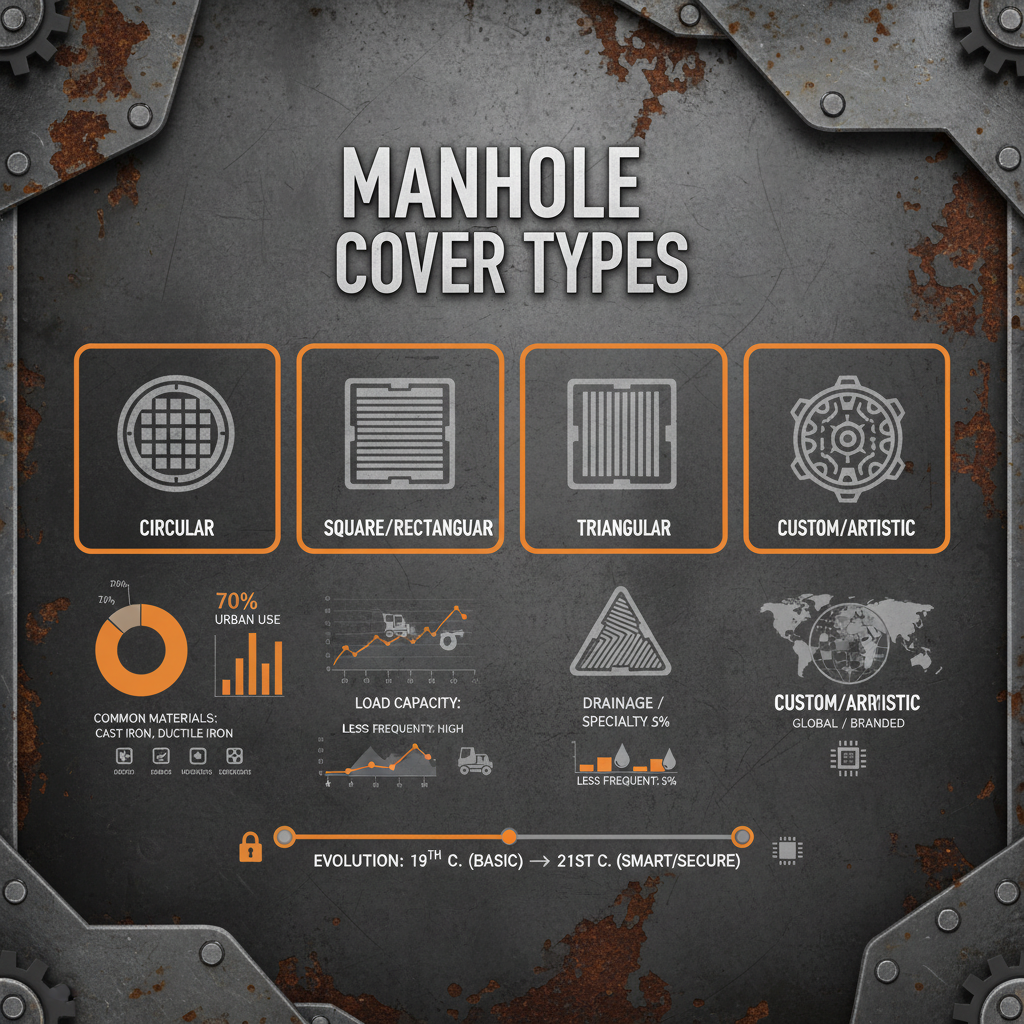
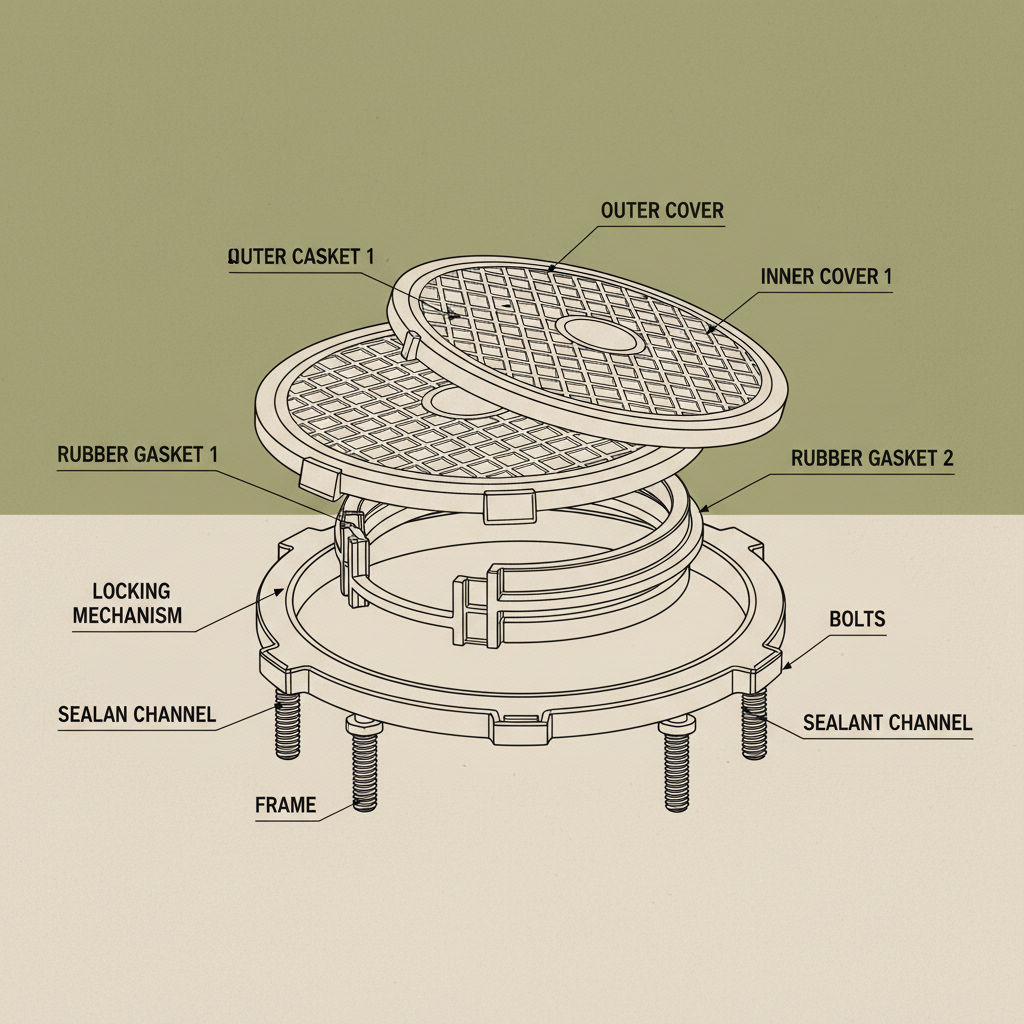
A critical distinction lies in the material used in their construction. Common types include cast iron, ductile iron, concrete, and composite materials. Each material offers unique properties in terms of strength, weight, corrosion resistance, and cost. Beyond the material, manhole covers are classified by their shape (round, square, rectangular), locking mechanisms, and load-bearing capacity.
Understanding these distinctions is essential. The term 'manhole cover types' isn't simply about the physical object but encompasses the engineering considerations, safety standards, and regulatory compliance that govern their selection and installation. It connects directly to the efficient operation and long-term sustainability of modern urban environments.
Key Factors Influencing Manhole Cover Selection
Several key factors dictate the selection of the appropriate manhole cover type. Durability is paramount, as covers must withstand substantial loads from vehicular traffic, pedestrian activity, and environmental stresses. The material and construction method directly impact a cover’s resistance to wear, corrosion, and impact damage.
Load Capacity is another critical consideration. Manhole covers are rated according to the maximum load they can safely bear, categorized by standards like EN 124 and ASTM A36. Selecting a cover with insufficient load capacity can lead to catastrophic failure and pose a significant safety risk. The anticipated traffic volume and type (cars, trucks, buses) directly influence this requirement.
Security is increasingly important, especially for telecommunications and utility access points. Tamper-proof locking mechanisms and anti-theft features are essential to prevent unauthorized access and protect against vandalism. Cost-Effectiveness, while crucial, should not compromise quality or safety. Balancing initial cost with long-term durability and maintenance requirements is key. Weight also influences installation and handling, impacting labor costs and safety.
Global Applications of Different Manhole Cover Types
The application of different manhole cover types varies significantly depending on geographical location, infrastructure needs, and regulatory requirements. In North America, ductile iron covers are widely used for sewer and water systems due to their strength and corrosion resistance. Europe favors composite materials in areas with high pedestrian traffic, prioritizing reduced weight and noise reduction.
In developing countries, where budget constraints are often a concern, cast iron remains a common choice, although its susceptibility to theft and corrosion presents ongoing challenges. In remote industrial zones, such as mining operations or oil fields, heavy-duty steel covers are often employed to withstand extreme loads and harsh environmental conditions.
Furthermore, specific industries necessitate specialized manhole cover types. Telecommunications companies require covers with advanced locking mechanisms to protect sensitive infrastructure, while power utilities utilize covers designed to dissipate heat and prevent electrical hazards. In post-disaster relief operations, lightweight composite covers are invaluable for rapid access to damaged utilities.
Manhole Cover Type Performance Ratings
Advantages and Long-Term Value of Quality Manhole Covers
Investing in high-quality manhole cover types yields significant long-term benefits. Reduced maintenance costs are a primary advantage, as durable materials resist corrosion and wear, minimizing the need for frequent replacements. This translates to substantial savings for municipalities and utility companies over the lifespan of the infrastructure.
Sustainability is another key benefit. Materials like ductile iron are recyclable, reducing environmental impact. Composite covers, being lighter, lower transportation costs and associated carbon emissions. Improved safety features – such as non-slip surfaces and secure locking mechanisms – protect workers and the public, reducing the risk of accidents and liability.
Future Trends in Manhole Cover Technology
The future of manhole cover types is being shaped by several emerging trends. Smart covers equipped with sensors are being developed to monitor underground conditions, detect leaks, and provide real-time data for predictive maintenance. These smart technologies leverage the Internet of Things (IoT) to enhance infrastructure management.
Advancements in composite materials are leading to the creation of even lighter and stronger covers with improved corrosion resistance. Furthermore, the increasing focus on circular economy principles is driving the development of more sustainable materials and manufacturing processes. Digital twins, virtual replicas of physical assets, are being used to simulate performance and optimize design.
Challenges and Solutions in Manhole Cover Implementation
Despite advancements, several challenges remain in the implementation of optimal manhole cover types. Theft and vandalism continue to be a significant problem, particularly for cast iron covers. This necessitates the adoption of more secure locking mechanisms and potentially the use of tracking technologies.
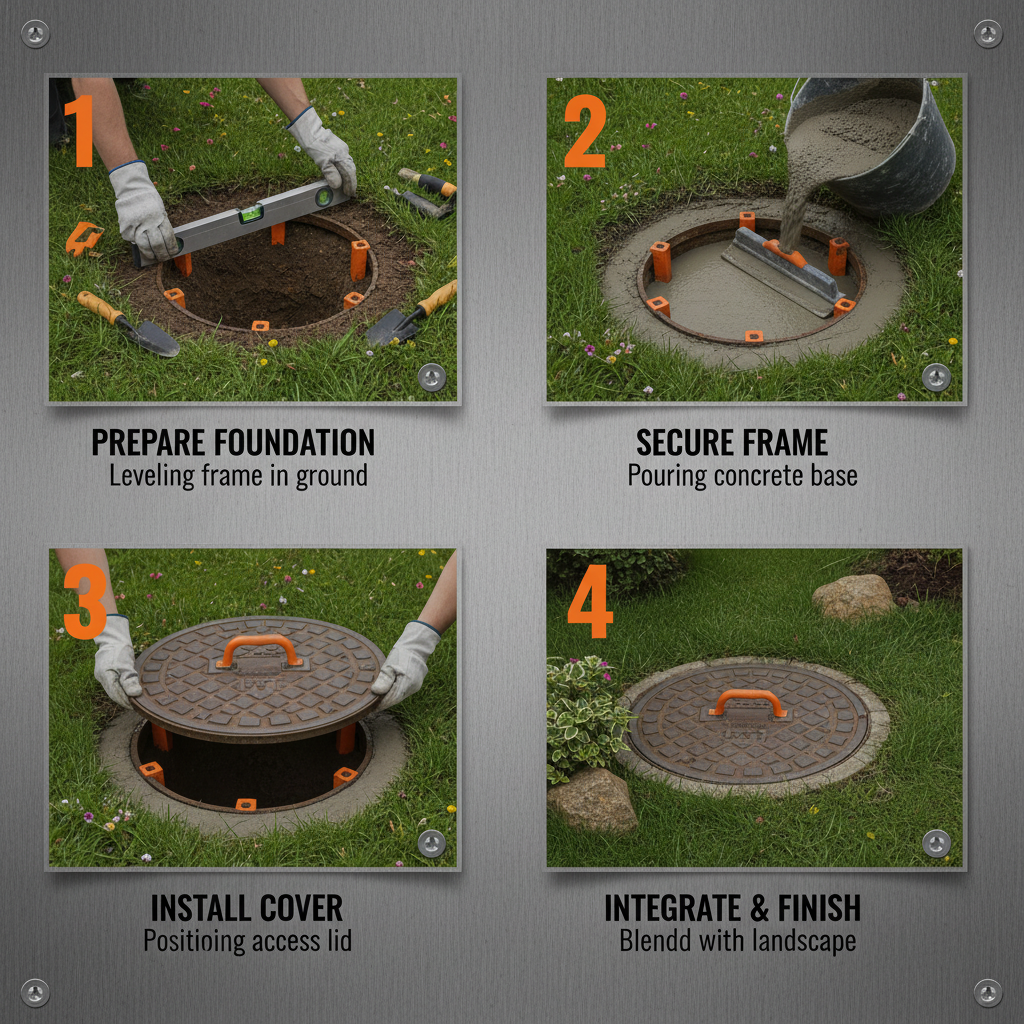
Another challenge is the lack of standardized testing procedures across different regions, making it difficult to compare the performance of different covers. Promoting the adoption of internationally recognized standards, such as EN 124, is crucial. Furthermore, the proper installation and maintenance of manhole covers are essential to ensure their long-term performance and safety.
Innovative solutions include utilizing RFID tags for tracking, exploring alternative materials less attractive to thieves, and implementing regular inspection programs to identify and address potential issues before they escalate. Collaboration between manufacturers, utilities, and municipalities is essential to overcome these challenges and ensure the reliable operation of underground infrastructure.
Key Comparison of Manhole Cover Types
| Material |
Load Capacity (tons) |
Corrosion Resistance (1-10) |
Cost (relative) |
| Ductile Iron |
30-60 |
8 |
Medium |
| Composite Material |
20-40 |
9 |
High |
| Cast Iron |
20-50 |
5 |
Low |
| Polymer Concrete |
15-30 |
7 |
Medium |
| Steel |
50-100 |
4 |
Medium-High |
| Fiberglass Reinforced Polymer |
10-25 |
10 |
Very High |
FAQS
Ductile iron is significantly stronger and more flexible than cast iron, making it less prone to cracking under stress. It also exhibits superior corrosion resistance. While cast iron is generally cheaper upfront, ductile iron's durability and reduced maintenance needs often make it a more cost-effective choice in the long run. The increased safety factor due to its flexibility is also a crucial benefit.
Composite manhole covers are considerably lighter than their metal counterparts – often up to 50% lighter. This reduced weight makes them easier and safer to handle, minimizing the risk of strain injuries for workers. The lighter weight also translates to lower transportation costs and simplified installation procedures. It's a substantial advantage in situations requiring frequent access.
The required load rating depends on the expected traffic volume and type. Covers are generally rated according to standards like EN 124, which categorize them based on their ability to withstand various loads. Consider both the static load (weight of vehicles) and dynamic load (impact forces). Always err on the side of caution and select a cover with a rating that exceeds the anticipated maximum load.
Generally, yes. Modern composite materials are designed to withstand a wide range of temperatures and environmental conditions. However, it’s crucial to select a composite specifically formulated for the anticipated climate. Some composites perform better in extreme cold or high UV exposure than others. Consult with the manufacturer to ensure compatibility with your location.
Several security features are available, including locking mechanisms, tamper-proof bolts, and even RFID tags for tracking. Some covers incorporate interlocking designs to make removal more difficult. For high-risk areas, consider covers made from less-valuable materials or those with integrated alarm systems that trigger upon unauthorized access.
Regular inspection is vital. At a minimum, covers should be visually inspected annually for signs of damage, corrosion, or loose components. More frequent inspections (quarterly) are recommended in high-traffic areas or corrosive environments. Maintenance should include tightening bolts, replacing damaged components, and cleaning the cover surface to ensure proper sealing and visibility.
Conclusion
In conclusion, understanding manhole cover types is paramount to maintaining safe, efficient, and sustainable urban infrastructure. The selection process is multifaceted, demanding careful consideration of factors like durability, load capacity, security, and cost-effectiveness. Advancements in materials and technology are continually shaping the landscape, offering improved performance and innovative solutions.
Looking ahead, proactive investment in high-quality manhole covers, coupled with regular inspection and maintenance, will yield significant long-term benefits. Embracing smart technologies and sustainable materials will further enhance the resilience of our underground infrastructure. For a comprehensive range of manhole cover types and expert guidance, visit our website: www.hbyqmetal.com.