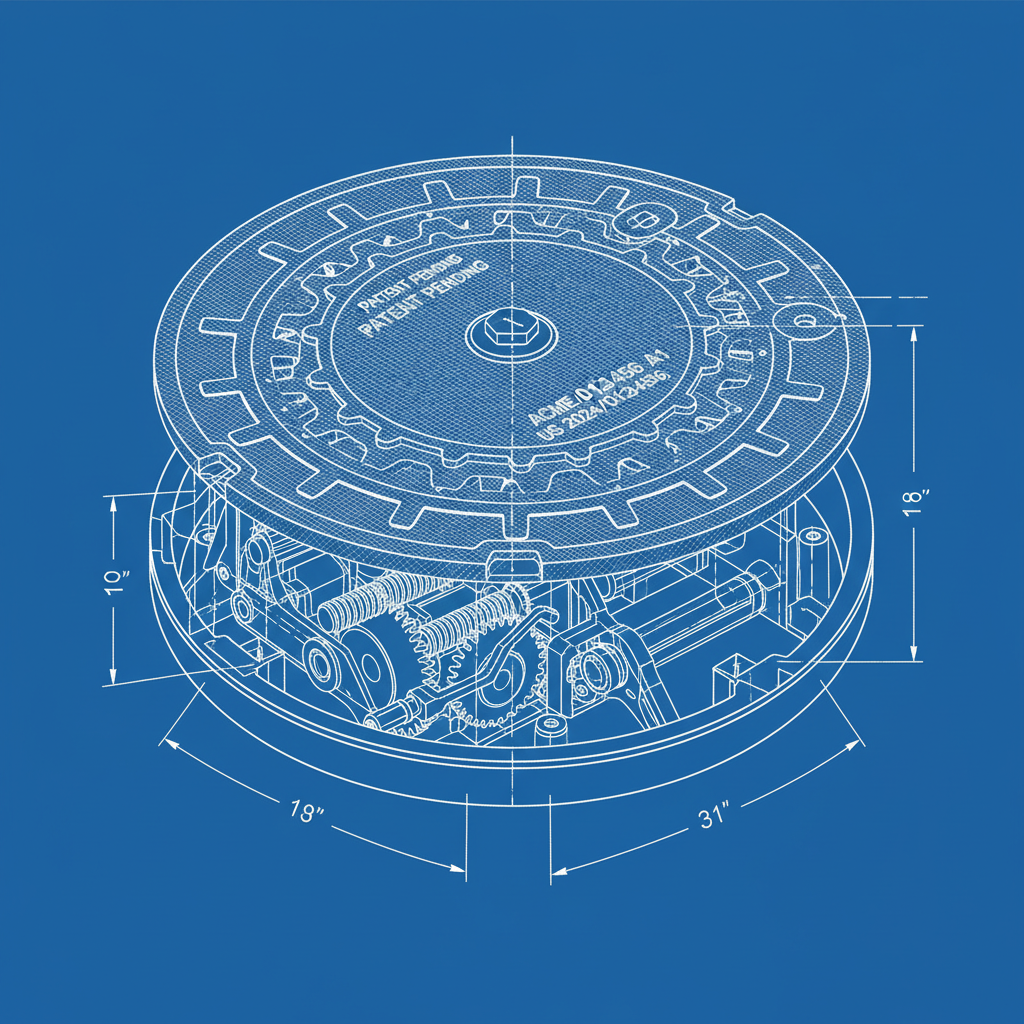
The unassuming manhole cover, often overlooked in urban landscapes, can play a surprisingly vital role in garden design and functionality. This isn't about aesthetics alone; utilizing a manhole cover in garden scenarios presents solutions for access, utility management, and even unique landscaping features. Understanding the practical applications and considerations surrounding a manhole cover in garden is becoming increasingly important for homeowners, landscape architects, and urban planners alike.
Globally, the need for efficient and discreet access to underground infrastructure is constant. From sewage systems and telecommunications networks to irrigation and electrical conduits, maintaining these vital services requires regular inspection and repair. A well-integrated manhole cover in garden environments ensures this access without compromising the aesthetic appeal or usability of outdoor spaces. Data from the World Bank indicates a growing focus on sustainable urban infrastructure, driving innovation in access solutions like these.
The challenge lies in seamlessly blending functional requirements with design sensibilities. Traditional manhole covers are often visually jarring. However, advancements in materials, designs, and installation techniques are enabling the creation of aesthetically pleasing and practical solutions, making a manhole cover in garden a viable and increasingly popular choice.
Defining Manhole Cover Integration in Gardens
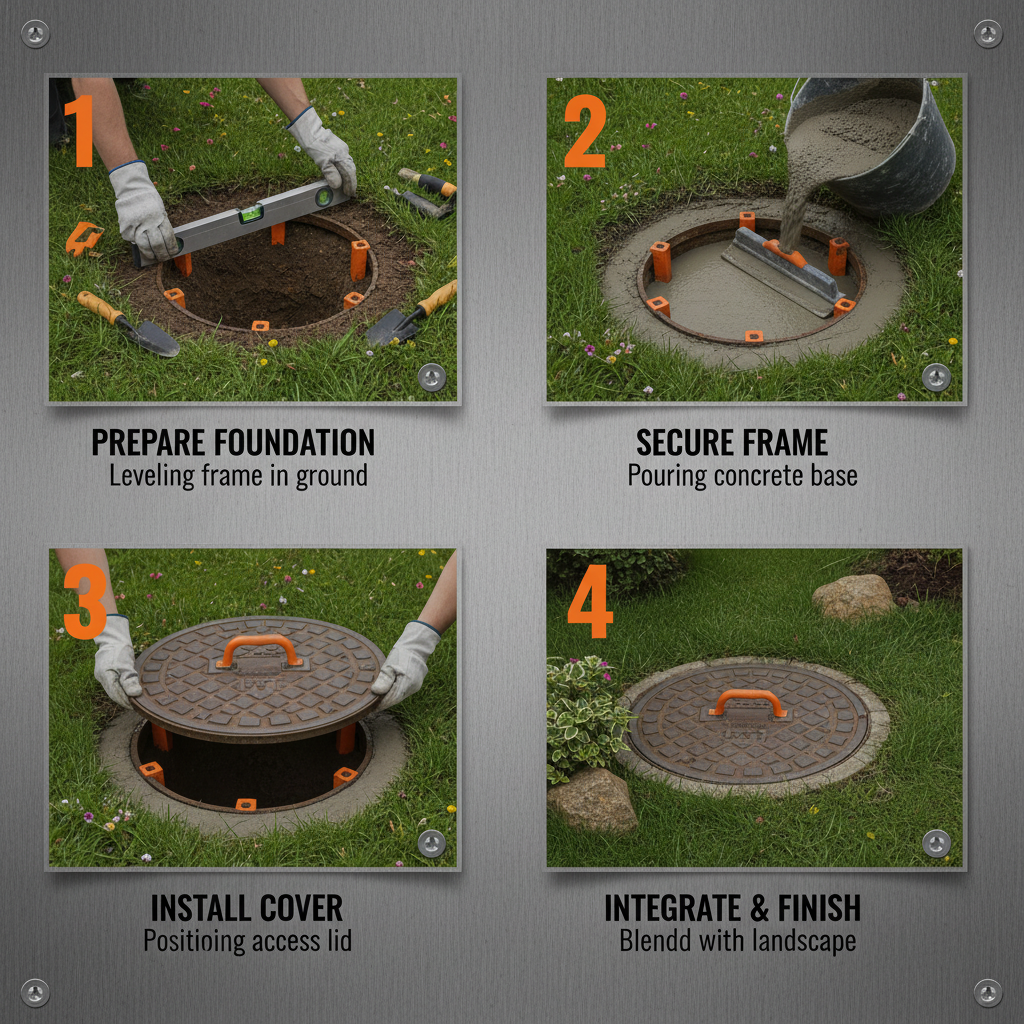
A manhole cover in garden contexts isn't simply a functional necessity hidden away; it’s an element that can be intentionally integrated into the landscape design. This means considering materials, shapes, and finishes that complement the surrounding aesthetic, turning a previously utilitarian object into a design feature. Manhole covers can be incorporated into pathways, patios, or even as part of a larger garden theme.
The integration process requires careful planning and adherence to safety standards. It’s essential to choose covers that can withstand both pedestrian and vehicular traffic (if applicable), are resistant to corrosion, and provide secure access to the underlying infrastructure. Properly installed, a manhole cover in garden can enhance both the functionality and the beauty of an outdoor space.
Global Relevance and Application Context
The need for access to underground utilities is universal, making the integration of manhole covers a global concern. In densely populated urban centers, space is at a premium, and discreet access points are crucial. Developing countries, often undergoing rapid infrastructure development, require durable and reliable access solutions to support expanding utility networks. A manhole cover in garden offers a solution across diverse climates and terrains.
According to ISO standards, manhole covers must meet specific load-bearing requirements and safety regulations. These standards are continually evolving to address new materials and design innovations. Countries like Germany and Japan have pioneered advanced manhole cover technologies, focusing on lightweight, high-strength materials and innovative locking mechanisms.
Beyond urban environments, manhole covers are essential in rural areas for maintaining irrigation systems, water supply lines, and communication networks. The growing emphasis on sustainable agriculture is driving the demand for efficient and accessible irrigation infrastructure, further highlighting the importance of a well-placed and reliable manhole cover.
Understanding Manhole Cover Materials and Standards
Traditionally, manhole covers were primarily constructed from cast iron due to its strength and durability. However, modern materials like ductile iron, composite materials (fiberglass reinforced polymer), and even specialized polymers are gaining prominence. Each material offers distinct advantages in terms of weight, corrosion resistance, and cost. When considering a manhole cover in garden, material selection is critical.
Ductile iron offers a superior strength-to-weight ratio compared to traditional cast iron, making it easier to handle and install. Composite materials are significantly lighter, reducing installation costs and minimizing the risk of strain injuries. Polymers offer excellent corrosion resistance, making them ideal for harsh environments. Adherence to standards like EN 124 (European standard for manhole covers and frames) is crucial to ensure safety and performance.
The choice of material should also consider the specific application. For example, in coastal areas exposed to saltwater, corrosion-resistant materials are essential. For areas with heavy pedestrian traffic, a cover with a non-slip surface is recommended. Ultimately, a well-informed material selection process ensures a long-lasting and safe solution.
Key Performance Indicators for Garden Manhole Covers
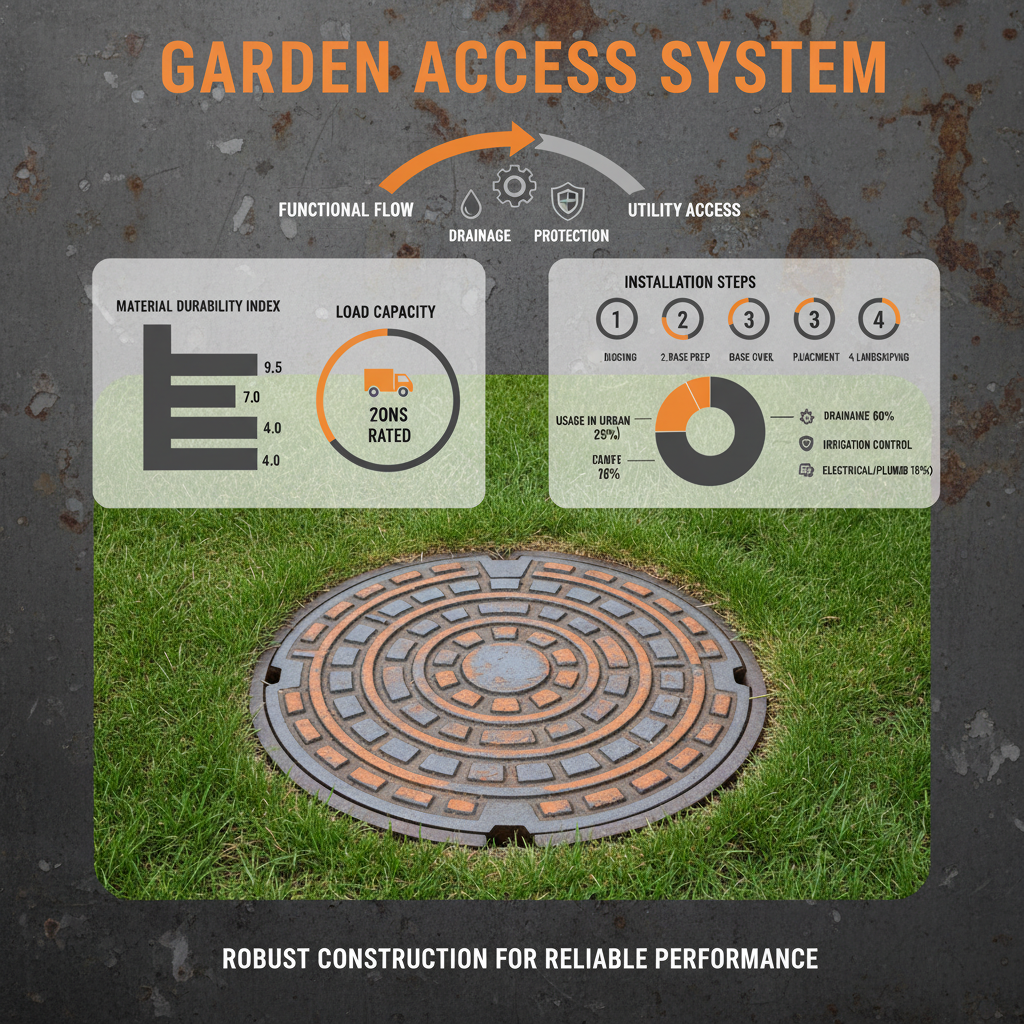
Evaluating a manhole cover for garden use requires considering several key performance indicators (KPIs). These include load-bearing capacity (measured in kN), corrosion resistance (assessed through salt spray testing), and slip resistance (evaluated using a pendulum test). Security is also paramount, ensuring the cover cannot be easily removed or tampered with.
Beyond these technical specifications, aesthetic appeal and integration with the surrounding landscape are crucial. The cover’s finish, shape, and color should complement the garden’s design. A poorly chosen cover can detract from the overall aesthetic, while a well-integrated cover can enhance it. A robust manhole cover in garden will balance functionality with form.
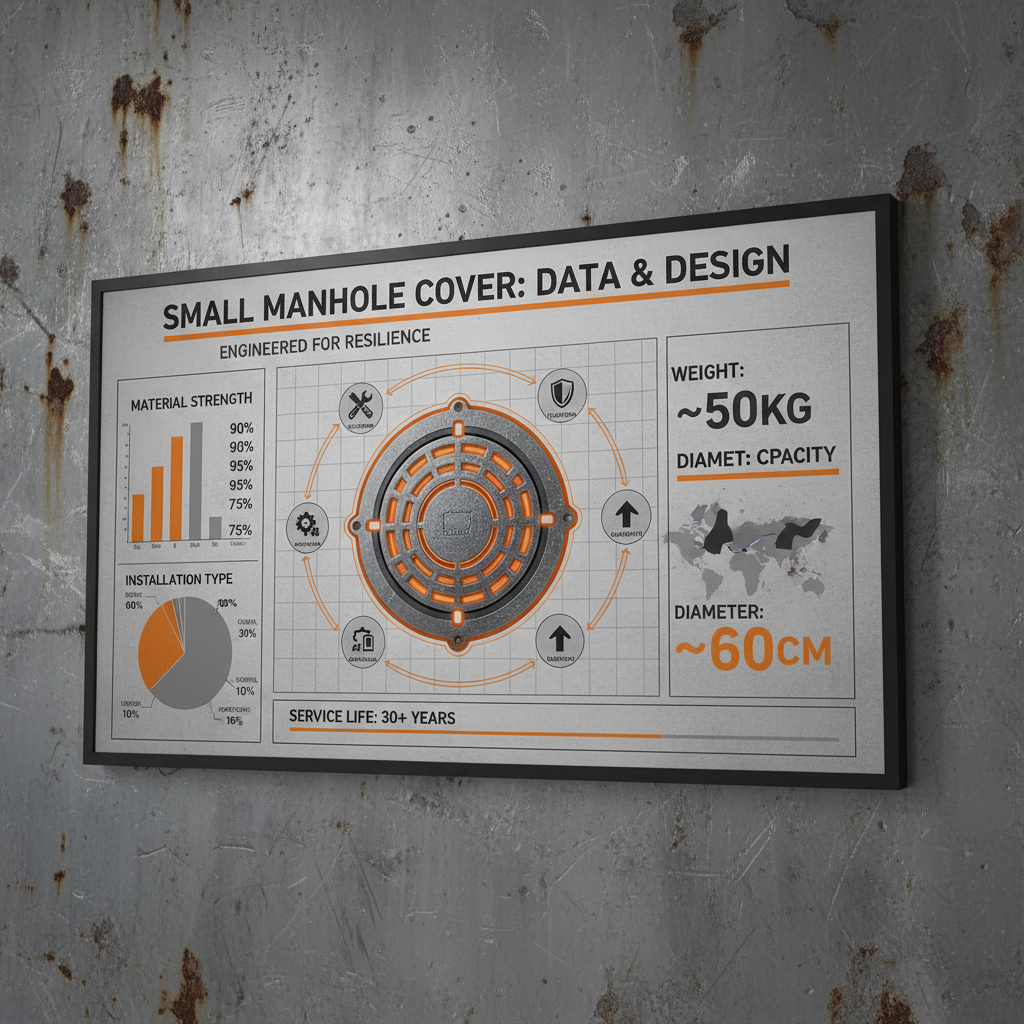
Manhole Cover Garden Performance Ratings
Real-World Applications and Case Studies
In post-disaster relief operations, rapidly accessible utility connections are critical. Manhole covers integrated into temporary garden or recreational areas can provide essential access points for restoring power and water supplies. Similarly, in remote industrial zones, these covers facilitate maintenance and repair of underground infrastructure with minimal disruption.
Several botanical gardens and landscaped parks utilize creatively designed manhole covers as part of their overall aesthetic. Custom covers featuring intricate patterns or logos blend seamlessly with the surrounding environment, demonstrating that functionality and beauty can coexist. A well-designed manhole cover in garden can add a unique architectural element.
Advantages and Long-Term Value Proposition
Choosing a durable and properly installed manhole cover translates to long-term cost savings. Reduced maintenance requirements, minimized risk of failure, and extended lifespan all contribute to a lower total cost of ownership. The increased safety features, such as secure locking mechanisms, protect against unauthorized access and potential hazards.
From a sustainability perspective, selecting materials with a high recycled content and minimizing the environmental impact of manufacturing processes are key considerations. Furthermore, a reliable manhole cover ensures the efficient operation of essential underground utilities, reducing energy waste and promoting responsible resource management. Investing in quality equates to both financial and environmental benefits.
The peace of mind knowing that access to vital infrastructure is secure and readily available is an intangible benefit that shouldn’t be underestimated. It enhances operational efficiency and minimizes downtime, contributing to overall business continuity and community well-being.
Future Trends and Innovations in Manhole Cover Design
The integration of smart technology is poised to revolutionize manhole cover design. Sensors embedded within the cover can monitor environmental conditions (temperature, humidity, gas levels) and detect potential issues, alerting maintenance crews to address problems proactively. Remote monitoring capabilities will enhance operational efficiency and reduce response times.
Advancements in composite materials are leading to lighter, stronger, and more corrosion-resistant covers. 3D printing technology offers the potential to create custom covers tailored to specific design requirements and environmental conditions. These innovations promise to improve performance, reduce costs, and enhance sustainability.
The push for circular economy principles is driving the development of manhole covers made from fully recyclable materials. Furthermore, exploring bio-based polymers as alternatives to traditional plastics offers a promising pathway towards a more sustainable future.
Summary of Future Trends and Challenges for Manhole Cover Applications
| Trend/Challenge |
Impact on Manhole Cover Design |
Mitigation Strategy |
Long-Term Outlook |
| Smart Sensor Integration |
Requires space for sensors and power source; data security concerns. |
Miniaturization of sensors; robust data encryption protocols. |
Predictive maintenance and optimized utility management. |
| Material Corrosion |
Reduced cover lifespan; potential for structural failure. |
Use of corrosion-resistant materials (composites, polymers). |
Extended cover lifespan and reduced maintenance costs. |
| Security Concerns |
Risk of unauthorized access; potential for theft. |
Advanced locking mechanisms; remote monitoring systems. |
Enhanced protection of infrastructure and public safety. |
| Sustainability & Circularity |
Environmental impact of material production and disposal. |
Use of recycled materials; design for disassembly and recyclability. |
Reduced environmental footprint and resource depletion. |
| Cost Considerations |
Advanced materials and technologies can be expensive. |
Life-cycle cost analysis; value engineering. |
Long-term cost savings through reduced maintenance and increased lifespan. |
| Standardization & Interoperability |
Lack of standardized interfaces for smart sensors and monitoring systems. |
Development of industry standards; open-source platforms. |
Seamless integration of new technologies and improved data exchange. |
FAQS
Composite manhole covers offer several advantages, including being significantly lighter than traditional cast iron, making them easier and safer to install. They are also highly corrosion resistant, extending their lifespan in challenging environmental conditions. Furthermore, they often offer improved security features, reducing the risk of theft or unauthorized access. Properly selected, they are a good solution when a manhole cover in garden is required.
Ensuring safety requires selecting a cover that meets relevant industry standards, such as EN 124. Look for covers with a non-slip surface to provide adequate traction, especially in wet conditions. The cover must also be able to withstand the anticipated load from pedestrian traffic without compromising its structural integrity. Regular inspection and maintenance are also essential for identifying and addressing any potential safety hazards.
Coastal environments pose a significant corrosion challenge. Composite materials and certain grades of ductile iron with specialized coatings are the most suitable choices. These materials are highly resistant to saltwater corrosion, ensuring a longer lifespan and reduced maintenance requirements. Avoid using traditional cast iron in coastal areas unless it’s treated with a robust corrosion-resistant coating.
Aesthetic integration can be achieved through careful material selection, choosing covers with decorative finishes or patterns, and incorporating the cover into the surrounding landscaping. For example, you can surround the cover with paving stones, gravel, or plants to blend it seamlessly into the garden. Custom-designed covers are also an option for unique and personalized aesthetics.
The lifespan of a manhole cover varies depending on the material and environmental conditions. Ductile iron covers can last 50 years or more with proper maintenance. Composite covers often have a similar lifespan, while cast iron covers may require more frequent repairs or replacements. Regular inspection, cleaning, and application of protective coatings can significantly extend the lifespan of any manhole cover.
Yes, local building codes and utility regulations typically govern the installation of manhole covers. These regulations may address issues such as load-bearing capacity, access requirements, and safety standards. It’s crucial to obtain the necessary permits and ensure the installation complies with all applicable regulations before proceeding. Consulting with a qualified professional is highly recommended.
Conclusion
In conclusion, the integration of a manhole cover in garden environments represents a convergence of practicality and design. From ensuring access to vital infrastructure to enhancing aesthetic appeal, a thoughtfully chosen and properly installed cover provides long-term value and sustainability. The advancements in materials, technology, and design are transforming these previously utilitarian objects into integral elements of modern landscapes.
Looking ahead, the future of manhole cover design will be shaped by the increasing demand for smart, sustainable, and aesthetically pleasing solutions. Embracing innovative technologies, such as remote monitoring and recycled materials, will be essential for meeting the evolving needs of urban and rural communities. To learn more about high-quality and reliable manhole covers for your garden or other applications, visit our website: www.hbyqmetal.com.