Small manhole covers, though often overlooked, represent a critical component of modern infrastructure globally. These access points to underground utilities – sewer systems, telecommunications networks, and more – are vital for maintenance, inspection, and repair, ensuring the seamless functioning of essential services. Their seemingly simple design belies a complex engineering challenge, demanding durability, security, and increasingly, sustainability. Understanding the nuances of small manhole cover design and application is therefore paramount for urban planners, engineers, and utility companies worldwide.
The global demand for robust and reliable small manhole covers is driven by rapid urbanization, aging infrastructure, and the increasing need for efficient underground utility management. Organizations like the UN and the World Bank emphasize the importance of well-maintained infrastructure for sustainable development, and secure access points are fundamental to this. Standards organizations such as ISO continually refine specifications for materials, load-bearing capacity, and safety features, reflecting a commitment to quality and longevity.
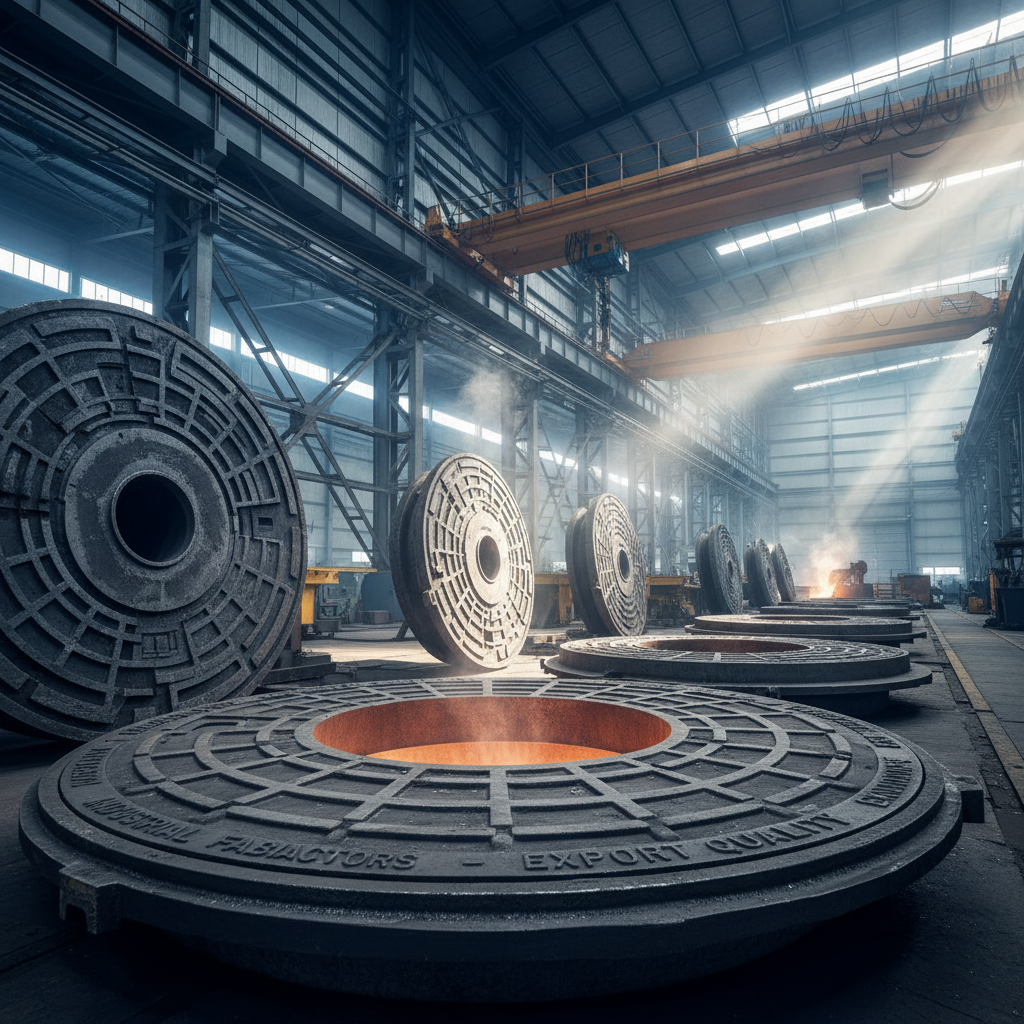
A key challenge lies in balancing cost-effectiveness with the need for long-term performance. Traditional materials like cast iron, while durable, can be heavy and prone to corrosion. Newer composite materials offer lighter weight and corrosion resistance but may present challenges in terms of cost and long-term durability. The evolution of small manhole cover technology is thus focused on finding the optimal balance between these competing factors.
Defining Small Manhole Covers and Their Significance
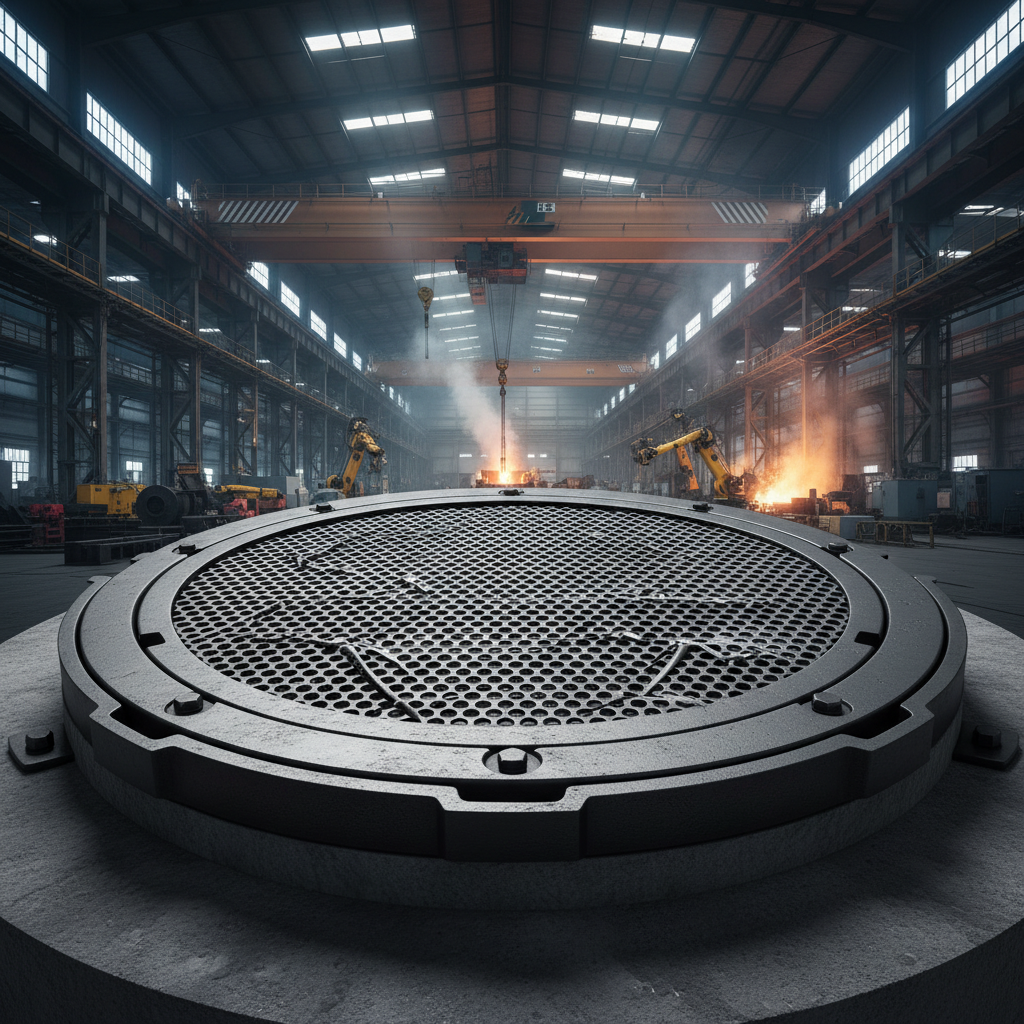
A small manhole cover is generally defined as an access point to underground infrastructure with a diameter typically ranging from 18 to 36 inches. These covers provide safe and secure access for maintenance personnel to inspect, repair, and maintain vital utility networks. Their significance extends beyond mere access; they are crucial for protecting underground assets from unauthorized access, environmental contaminants, and accidental damage. small manhole cover plays an important part.
The proper selection and installation of small manhole covers are critical to ensuring the long-term reliability and safety of underground infrastructure. Choosing the appropriate material, load rating, and locking mechanism is essential for minimizing risks and maximizing operational efficiency. Ignoring these considerations can lead to costly repairs, service disruptions, and potential safety hazards.
Global Relevance and Industry Context
The need for reliable access to underground utilities is universal, making small manhole covers a globally relevant infrastructure component. From densely populated urban centers to remote rural areas, these access points are essential for maintaining critical services. The increasing demand is fueled by factors like population growth, expanding infrastructure networks, and the need for more resilient and sustainable utility systems. Demand for small manhole cover is growing.
Industries heavily reliant on small manhole covers include telecommunications, water and wastewater management, electricity distribution, and gas pipelines. These sectors face constant pressure to improve efficiency, reduce costs, and enhance safety. Innovations in small manhole cover design and materials directly contribute to these goals.
International standards bodies, such as the European Committee for Standardization (CEN) and the American Society for Testing and Materials (ASTM), play a vital role in setting quality benchmarks and ensuring interoperability. Adherence to these standards is essential for manufacturers and users alike, ensuring consistent performance and safety across different regions.
Understanding Small Manhole Cover Specifications
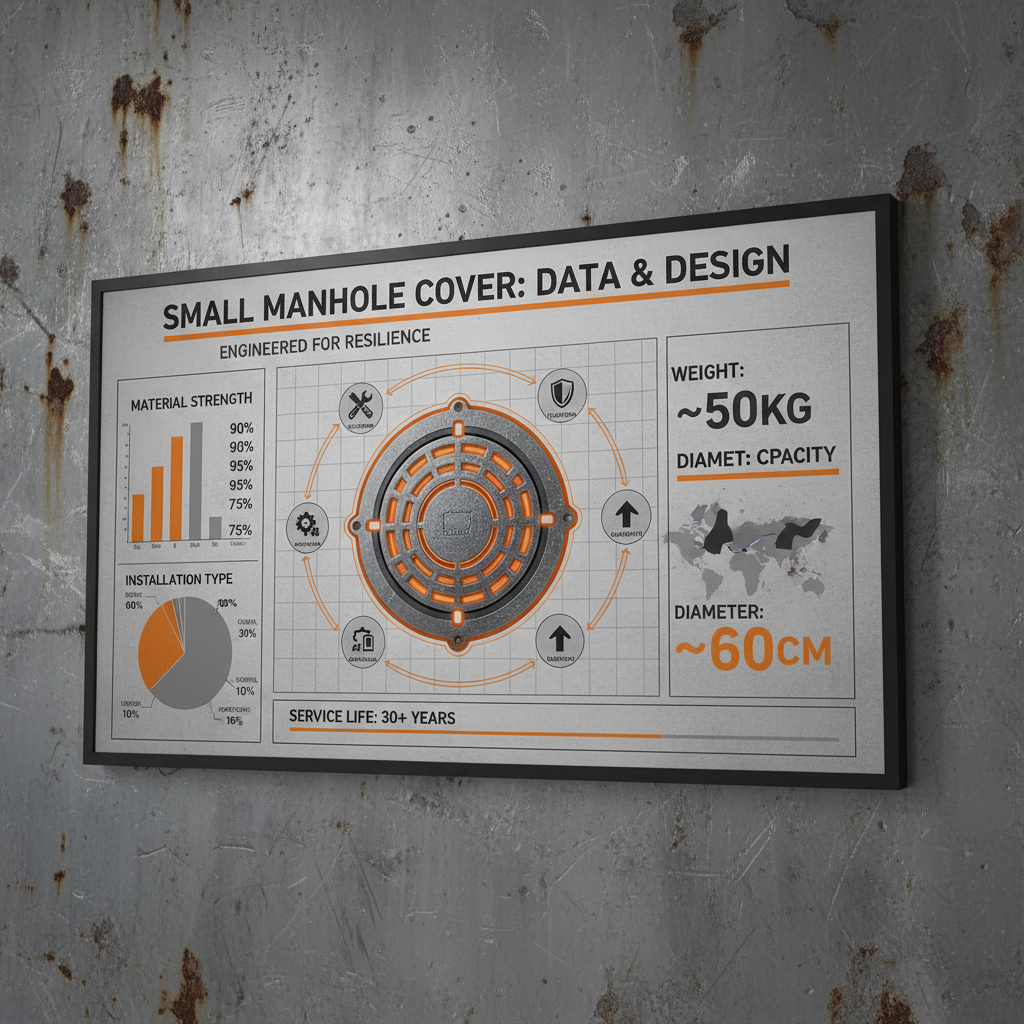
Small manhole cover specifications encompass a wide range of parameters, including material composition, dimensions, load-bearing capacity, corrosion resistance, and locking mechanisms. Material choices typically include cast iron, ductile iron, fiber-reinforced polymer (FRP) composites, and stainless steel, each offering unique advantages and disadvantages. Load ratings are critical, specifying the maximum weight the cover can safely support.
Corrosion resistance is paramount, particularly in harsh environments. Coatings, such as epoxy or galvanization, are often applied to metallic covers to enhance protection against rust and degradation. Locking mechanisms – ranging from simple bolted closures to complex security systems – are crucial for preventing unauthorized access and ensuring public safety. small manhole cover materials must meet set standards.
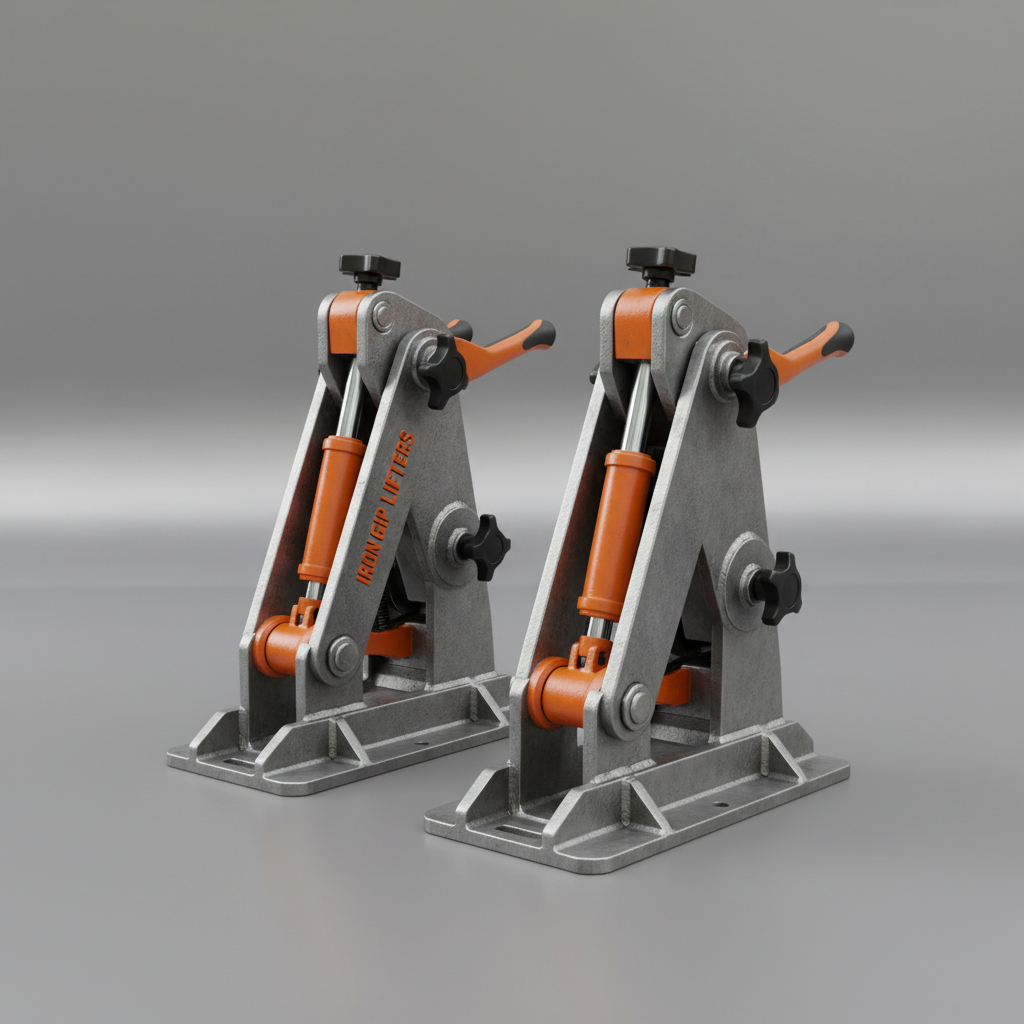
Furthermore, specifications may address ergonomic considerations, such as cover weight and lifting mechanisms, to reduce the risk of worker injury. Compliance with relevant safety standards and regulations is non-negotiable, ensuring that small manhole covers meet the required performance and safety criteria.
Key Factors Influencing Small Manhole Cover Performance
Several key factors significantly impact the performance and longevity of small manhole covers. Durability, directly related to material selection and manufacturing quality, is a primary concern. A durable cover can withstand heavy traffic loads, environmental stresses, and potential impacts without cracking or failing.
Corrosion resistance is another critical factor, particularly in environments exposed to salt, chemicals, or moisture. The material’s ability to resist degradation over time is essential for maintaining structural integrity and preventing costly replacements.
Small Manhole Cover Performance Metrics
Real-World Applications of Small Manhole Covers
Small manhole covers find widespread application in diverse settings. In urban environments, they provide access to sewer systems, enabling maintenance and repairs essential for public health and sanitation. In telecommunications infrastructure, they protect delicate fiber optic cables and access points, ensuring reliable communication networks.
In post-disaster relief operations, readily accessible and secure manhole covers are crucial for restoring essential utility services. Their robust construction allows them to withstand challenging conditions, enabling rapid repairs and minimizing service disruptions. In remote industrial zones, such as mining sites or oil and gas facilities, they provide secure access to underground pipelines and equipment.
Advantages and Long-Term Value Proposition
The advantages of utilizing high-quality small manhole covers extend beyond immediate functionality, offering significant long-term value. Reduced maintenance costs are a key benefit, as durable materials and corrosion-resistant coatings minimize the need for frequent repairs or replacements. Enhanced safety is another advantage, protecting both utility workers and the public from potential hazards.
Sustainability is increasingly important, and selecting eco-friendly materials and manufacturing processes contributes to a reduced environmental footprint. Investing in reliable small manhole covers builds trust with stakeholders and demonstrates a commitment to responsible infrastructure management. The long-term cost savings and improved safety record justify the initial investment.
Future Trends and Innovations in Small Manhole Covers
The future of small manhole cover technology is poised for significant advancements. Smart manhole covers, equipped with sensors and IoT connectivity, are emerging as a game-changer. These intelligent covers can monitor conditions such as gas levels, temperature, and water flow, providing real-time data for proactive maintenance and anomaly detection.
The development of new composite materials with enhanced strength, durability, and corrosion resistance is also driving innovation. Additive manufacturing (3D printing) offers the potential to create customized covers tailored to specific application requirements.
Policy changes emphasizing sustainable infrastructure and circular economy principles are further accelerating the adoption of eco-friendly materials and designs. These advancements promise to enhance the efficiency, safety, and sustainability of underground utility management.
FAQS
The most common materials are cast iron, ductile iron, and fiber-reinforced polymer (FRP) composites. Cast iron is cost-effective but heavy and susceptible to corrosion. Ductile iron offers higher strength and ductility. FRP composites are lightweight and corrosion-resistant, but can be more expensive and require careful installation. Choosing depends on specific environmental conditions and load requirements.
Load-bearing capacity is critically important. Covers must be able to withstand anticipated traffic loads, including vehicles and pedestrians, without failing. The load rating should be selected based on the intended application and local regulations. Underestimating the load can lead to cover damage, posing significant safety hazards.
Smart manhole covers integrate sensors and IoT technology to monitor underground conditions in real-time. They can detect gas leaks, monitor water levels, and track temperature changes. This data enables proactive maintenance, reduces downtime, and enhances safety. They contribute to more efficient and responsive utility management.
Corrosion resistance can be ensured through several methods. Selecting corrosion-resistant materials like ductile iron or FRP composites is a starting point. Applying protective coatings like epoxy or galvanization to metallic covers provides an additional barrier against corrosion. Regular inspection and maintenance are also vital.
Adherence to relevant safety standards is crucial. This includes standards set by organizations like ASTM, EN, and local regulatory bodies. Look for covers that meet load-bearing requirements, have secure locking mechanisms, and are designed to minimize the risk of worker injury during handling and maintenance.
The lifespan of a small manhole cover varies depending on the material and environmental conditions. Ductile iron covers, with proper maintenance, can last for 50 years or more. FRP composites can also offer a long lifespan with appropriate care. Regular inspections and timely repairs are essential for maximizing longevity.
Conclusion
Small manhole covers, despite their often-unnoticed presence, are fundamental to the reliable operation of modern infrastructure. Their design, material composition, and installation are critical factors influencing safety, cost-effectiveness, and sustainability. Embracing innovative materials like FRP composites and integrating smart technologies promises to further enhance their performance and contribute to more resilient and efficient utility networks.
Looking ahead, a proactive approach to small manhole cover management – including regular inspections, timely repairs, and the adoption of advanced technologies – will be essential for ensuring the long-term integrity of underground infrastructure. Investing in quality small manhole covers is an investment in the safety, sustainability, and economic vitality of communities worldwide. Visit our website: www.hbyqmetal.com to learn more about our product range.