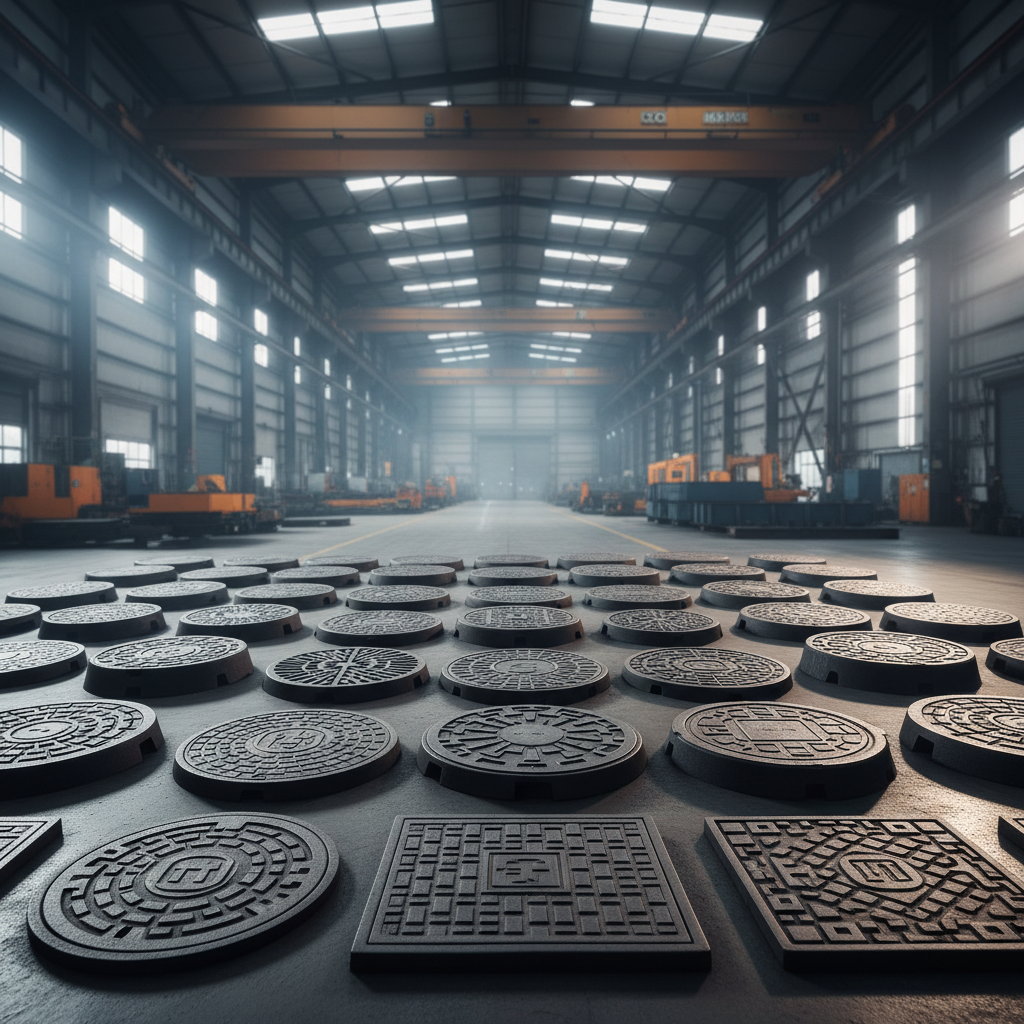
Manhole cover lifters are essential tools for safely and efficiently accessing underground infrastructure. These seemingly simple devices play a critical role in maintaining essential services like water, sewage, telecommunications, and electricity. Their importance stems from the heavy weight of manhole covers and the potential for injury if improper lifting techniques are used. Understanding the variety of manhole cover lifters available, their applications, and advancements is crucial for ensuring worker safety, reducing operational costs, and improving overall infrastructure maintenance.
Globally, the demand for robust and reliable manhole cover lifters is increasing, driven by aging infrastructure, expanding urban populations, and stricter safety regulations. Organizations like the World Bank and the UN Habitat prioritize safe and sustainable infrastructure development, implicitly requiring the use of appropriate equipment like manhole cover lifters. Furthermore, the increasing focus on ergonomic workplace solutions further fuels the need for tools that minimize strain and prevent injuries associated with manual handling of heavy objects.
The effective management and maintenance of underground utilities directly impacts public health, economic stability, and environmental sustainability. Therefore, investing in quality manhole cover lifters is not merely a cost-saving measure, but a fundamental component of responsible infrastructure stewardship, ensuring the continued reliable delivery of essential services to communities worldwide.
Introduction to manhole cover lifters
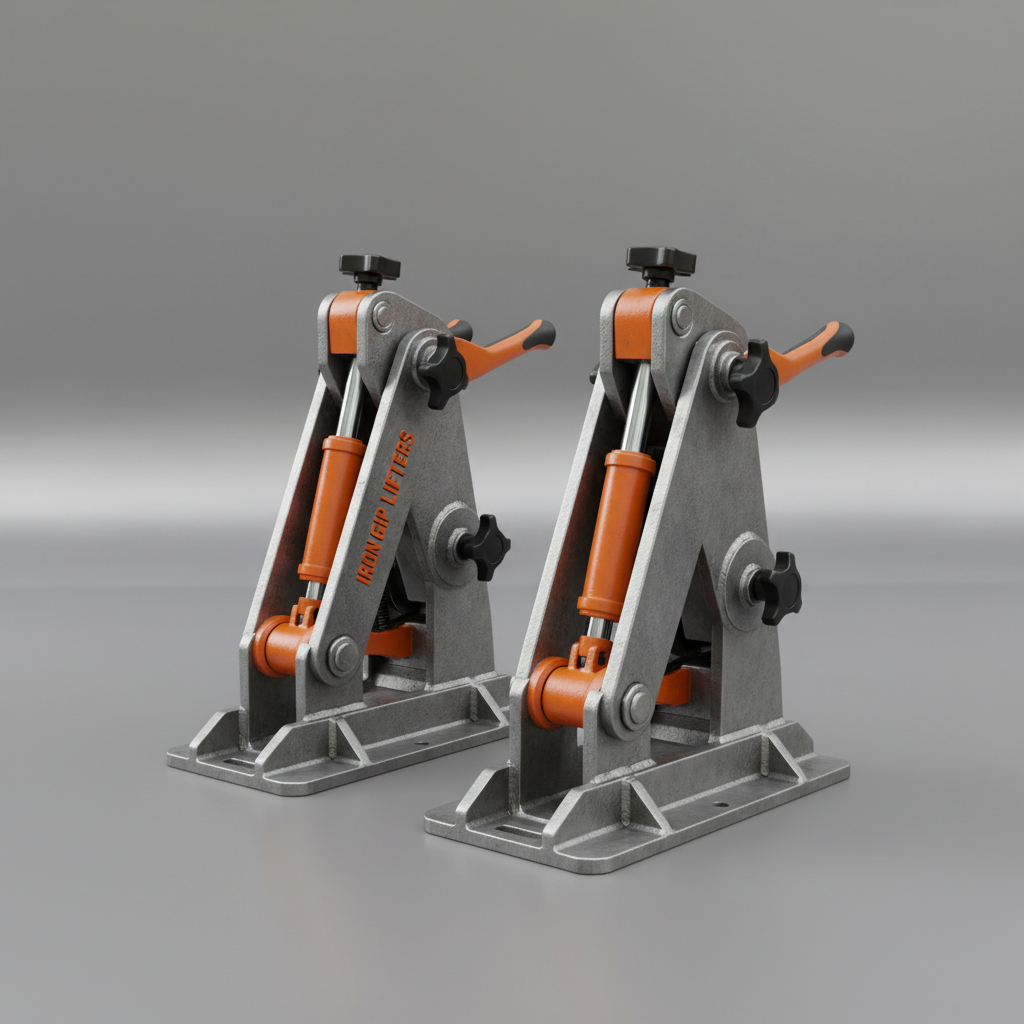
Manhole cover lifters are specialized tools designed to safely raise and lower heavy manhole covers, reducing the risk of back injuries and increasing efficiency for utility workers. They range from simple manual lever-type lifters to more sophisticated hydraulic and vacuum-assisted models. Choosing the correct lifter depends on factors such as the weight of the cover, the frequency of use, and the specific work environment.
The market for manhole cover lifters is characterized by a growing demand for ergonomic solutions and durable products capable of withstanding harsh conditions. Manufacturers are increasingly focusing on features like adjustable lifting heights, lightweight materials, and integrated safety mechanisms to improve worker comfort and reduce the potential for accidents. manhole cover lifters offer a variety of solutions to meet these needs.
Defining Manhole Cover Lifters
At its core, a manhole cover lifter is a mechanical device used to overcome the substantial weight of manhole covers, typically constructed from cast iron or composite materials. These covers protect underground infrastructure and provide access for maintenance and repair. Manual lifters generally utilize leverage, while powered lifters employ hydraulic or pneumatic systems to minimize physical exertion.
The connection to modern industry lies in the need for efficient and safe infrastructure maintenance. As cities grow and underground infrastructure becomes more complex, the ability to quickly and safely access these systems is paramount. Manhole cover lifters directly contribute to minimizing downtime, reducing labor costs, and improving the overall reliability of essential utilities.
Beyond purely functional aspects, these lifters address critical humanitarian needs by ensuring safe working conditions for those responsible for maintaining the infrastructure that underpins modern life. Reducing workplace injuries translates to a more productive and healthier workforce, contributing to a higher quality of life.
Core Characteristics of Effective Lifters
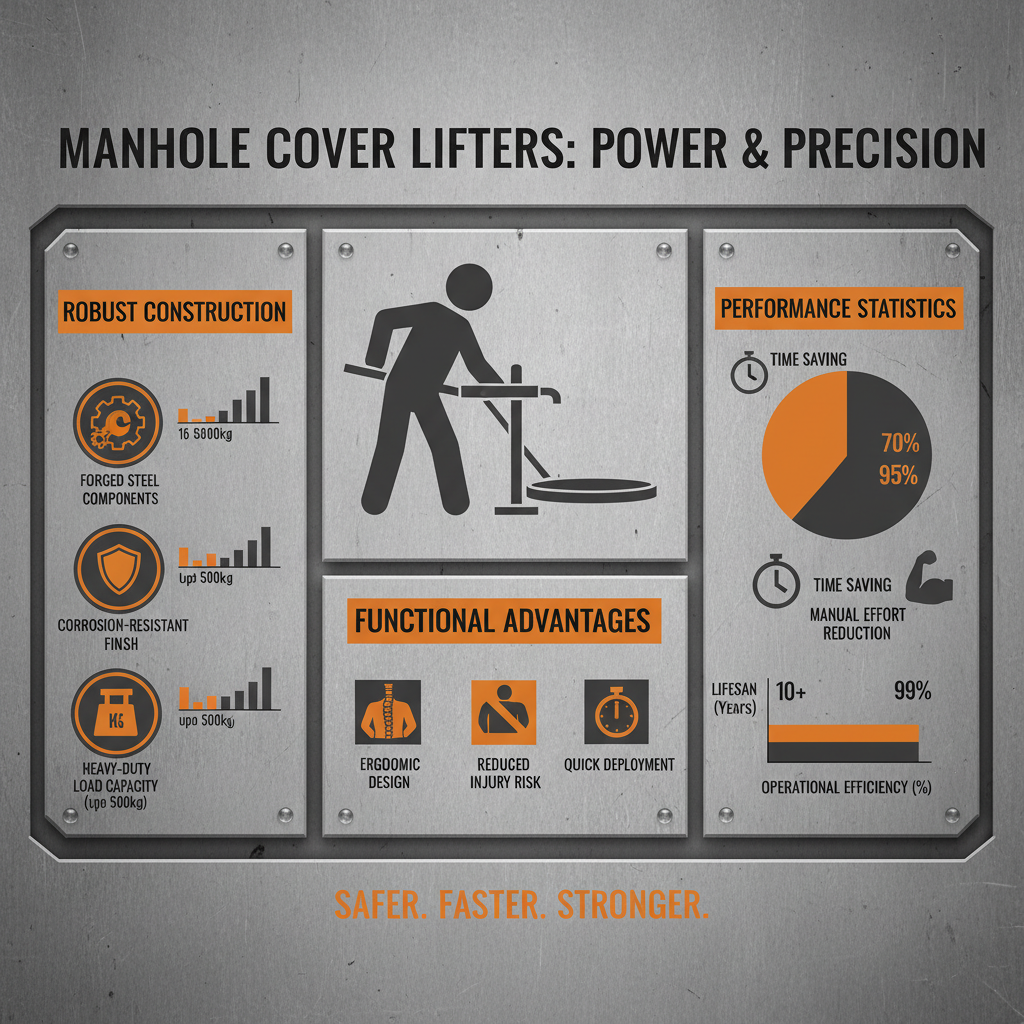
Durability is paramount. Manhole cover lifters are often used in harsh environments, exposed to extreme temperatures, moisture, and corrosive substances. High-quality materials and robust construction are essential to ensure a long service life and minimize the need for frequent replacements.
Ergonomics play a crucial role in preventing worker injuries. Lifters should be designed to minimize strain on the back, shoulders, and arms, offering adjustable handles and smooth lifting action. This is particularly important for tasks that require repetitive lifting.
Stability is another key characteristic. Lifters must provide a secure grip on the manhole cover, preventing slippage or accidental drops. Features like non-slip handles and locking mechanisms enhance safety and reduce the risk of accidents. Scalability in terms of lifting capacity to accommodate different cover weights is vital.
Global Applications and Industries Served
Manhole cover lifters are indispensable across a wide range of industries. Municipal water and sewage departments are primary users, employing them for routine maintenance and repair of underground pipes and systems. Telecommunication companies rely on them for accessing and maintaining fiber optic cables and other communication infrastructure.
In post-disaster relief operations, quick access to underground utilities is critical for restoring essential services. Manhole cover lifters facilitate rapid inspection and repair of damaged infrastructure, enabling faster recovery efforts. In remote industrial zones, where access to heavy machinery may be limited, portable manual lifters provide a practical solution for maintaining essential services.
The energy sector also extensively uses these lifters for inspecting and maintaining underground electrical conduits and gas pipelines. Furthermore, construction companies utilize them during infrastructure projects to provide safe and efficient access to underground utilities.
Comparative Analysis of Manhole Cover Lifter Types
Advantages and Long-Term Value Proposition
The most immediate benefit of utilizing manhole cover lifters is a significant reduction in worker injuries. By minimizing the physical strain associated with manual lifting, these tools contribute to a safer work environment and reduced healthcare costs. Additionally, the increased efficiency provided by lifters translates to lower labor costs and faster completion of maintenance tasks.
From a sustainability perspective, durable and long-lasting manhole cover lifters minimize the need for frequent replacements, reducing waste and conserving resources. This aligns with growing demands for environmentally responsible infrastructure maintenance practices. The inherent reliability of these tools also contributes to the long-term integrity of underground utility networks.
Future Trends and Innovations in Lifting Technology
The integration of smart technology is a key trend in the development of manhole cover lifters. Sensors and data analytics can be used to monitor lifting patterns, detect potential hazards, and optimize maintenance schedules. This predictive maintenance approach minimizes downtime and extends the lifespan of both the lifters and the underlying infrastructure.
The development of lighter-weight materials, such as advanced polymers and composites, is also driving innovation. These materials reduce the overall weight of the lifters, making them easier to maneuver and transport. Furthermore, research into alternative power sources, such as electric and hybrid systems, is gaining momentum, reducing reliance on fossil fuels and minimizing carbon emissions.
Challenges and Innovative Solutions
One common challenge is adapting lifters to accommodate varying manhole cover sizes and shapes. Universal lifters with adjustable gripping mechanisms are being developed to address this issue, providing greater versatility and reducing the need for multiple specialized tools. Another challenge is maintaining functionality in extreme weather conditions, such as ice or snow. Lifters with improved traction and weather resistance are being designed to overcome these limitations.
Another issue is the initial investment cost of advanced lifters. However, the long-term benefits, including reduced worker injuries, increased efficiency, and lower maintenance costs, often outweigh the upfront expense. Leasing and financing options are becoming increasingly available, making these technologies more accessible to smaller municipalities and organizations.
Finally, ensuring proper training and operator competency is crucial for maximizing the safety and effectiveness of manhole cover lifters. Comprehensive training programs that cover proper lifting techniques, safety procedures, and equipment maintenance are essential.
A Comparative Analysis of Common Manhole Cover Lifter Issues and Mitigation Strategies
| Issue Category |
Severity of Impact |
Common Mitigation Strategies |
Long-Term Preventative Measures |
| Ergonomic Concerns |
High (Worker Injury) |
Adjustable Handles, Lightweight Materials |
Regular Training, Ergonomic Assessments |
| Durability in Harsh Environments |
Medium (Equipment Failure) |
Corrosion-Resistant Coatings, Sealed Components |
Preventative Maintenance, Material Upgrades |
| Compatibility with Cover Variations |
Medium (Inefficiency) |
Adjustable Gripping Mechanisms, Universal Designs |
Standardization of Cover Designs |
| Operational Safety Risks |
High (Accident Potential) |
Locking Mechanisms, Stability Features |
Thorough Operator Training, Safety Inspections |
| Maintenance Requirements |
Low (Operational Downtime) |
Regular Lubrication, Component Replacement |
Preventive Maintenance Schedules |
| Initial Investment Cost |
Low-Medium (Budget Constraints) |
Leasing Options, Phased Implementation |
Cost-Benefit Analysis |
FAQS
When selecting a manhole cover lifter, prioritize features like a secure gripping mechanism to prevent slippage, adjustable handles to minimize strain, and a stable base for balanced lifting. Look for models with locking features to prevent accidental lowering. Regular inspection and maintenance of these features are crucial. Proper training for operators is also paramount for safe use.
First, identify the weight of the heaviest manhole cover you’ll be lifting. Manhole covers can vary significantly in weight depending on their material (cast iron, composite) and size. Choose a lifter with a lifting capacity that exceeds the cover’s weight by at least 20% to provide a safety margin. It's important to accurately assess weight and not underestimate the load.
Regular maintenance is essential. This includes lubricating moving parts, inspecting for wear and tear (especially gripping surfaces and hydraulic lines), and cleaning the lifter after each use. For hydraulic lifters, check fluid levels and look for leaks. Store the lifter in a dry, protected environment to prevent corrosion. manhole cover lifters typically come with maintenance guidelines.
Yes, absolutely. Manual lever lifters are ideal for occasional use and limited budgets. Hydraulic lifters offer effortless lifting for heavier covers and frequent use. Vacuum lifters are excellent for smooth, non-porous covers and provide a secure grip. Pneumatic lifters require an air compressor but offer fast and efficient lifting. The best choice depends on specific needs.
With proper maintenance, a quality manhole cover lifter can last for 5-10 years, or even longer. Hydraulic and pneumatic models may require more frequent maintenance than simpler manual lifters. The lifespan also depends on the frequency of use and the severity of the operating environment. Regular inspection and addressing any issues promptly will significantly extend its life.
Operators should receive comprehensive training covering safe lifting techniques, proper equipment operation, hazard identification, and emergency procedures. Training should include hands-on practice and a review of the manufacturer’s instructions. A thorough understanding of the lifter’s capabilities and limitations is crucial for preventing accidents and ensuring efficient operation.
Conclusion
Manhole cover lifters are far more than simple tools; they are essential components of safe, efficient, and sustainable infrastructure management. Their impact extends beyond mere convenience, directly contributing to worker safety, reduced operational costs, and the long-term reliability of vital underground utilities. From manual lever models to advanced hydraulic and vacuum systems, the diversity of available options ensures that there’s a solution tailored to every need.
As technology continues to evolve, we can expect further innovations in manhole cover lifter design, incorporating smart features, lighter materials, and alternative power sources. Investing in quality lifters, coupled with comprehensive training and preventative maintenance, is a crucial step towards building a more resilient and sustainable infrastructure for the future. Visit our website at www.hbyqmetal.com to explore our range of manhole cover lifters and learn how we can support your infrastructure needs.