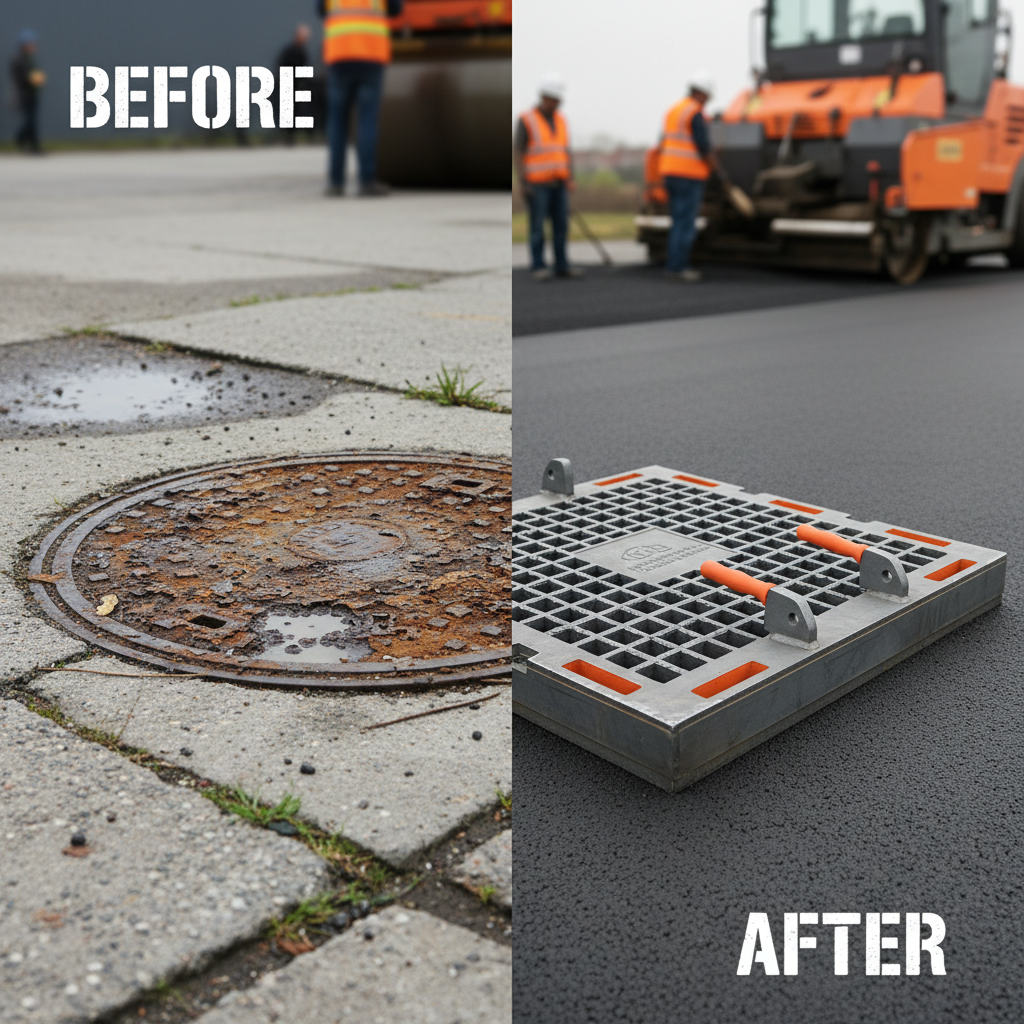
Look, I’ve spent the last fifteen years knee-deep in concrete dust and dodging rebar. I’ve seen a lot of manhole covers – rusted out, broken, and just plain unsafe. A hinged manhole cover isn’t just a lid; it's a safety feature, a time-saver, and frankly, a piece of mind for everyone on site. We're talking about utility workers, maintenance crews, even the public. This isn’t some theoretical discussion; it's about making sure people go home safe every day.
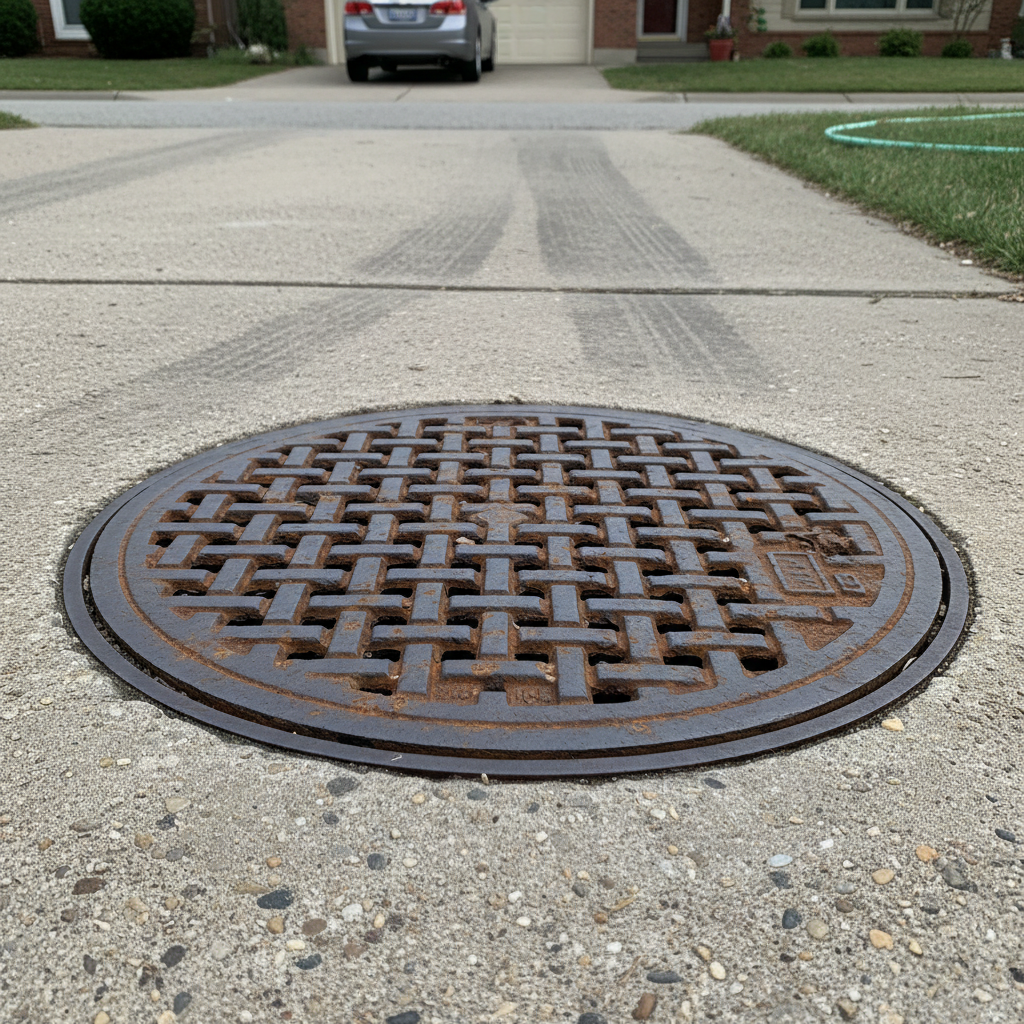
The problem with standard manhole covers is simple: they’re heavy and awkward. Lifting them is a back-breaking chore, and there’s always a risk of dropped covers causing injuries. Then you factor in confined space entry – it's a whole different level of complexity. A hinged design changes the game. It means less manual handling, quicker access, and improved safety protocols. I’ve seen projects delayed simply because of the time it takes to safely remove and replace a traditional cover.
And it’s not just about safety. The cost of labor is going up, and efficiency is paramount. Spending less time wrestling with a cover means more time getting the job done. Plus, the longevity of a well-designed hinged manhole cover can significantly reduce long-term maintenance costs. It’s a pragmatic investment, plain and simple.
The Core Functionality of hinged manhole cover
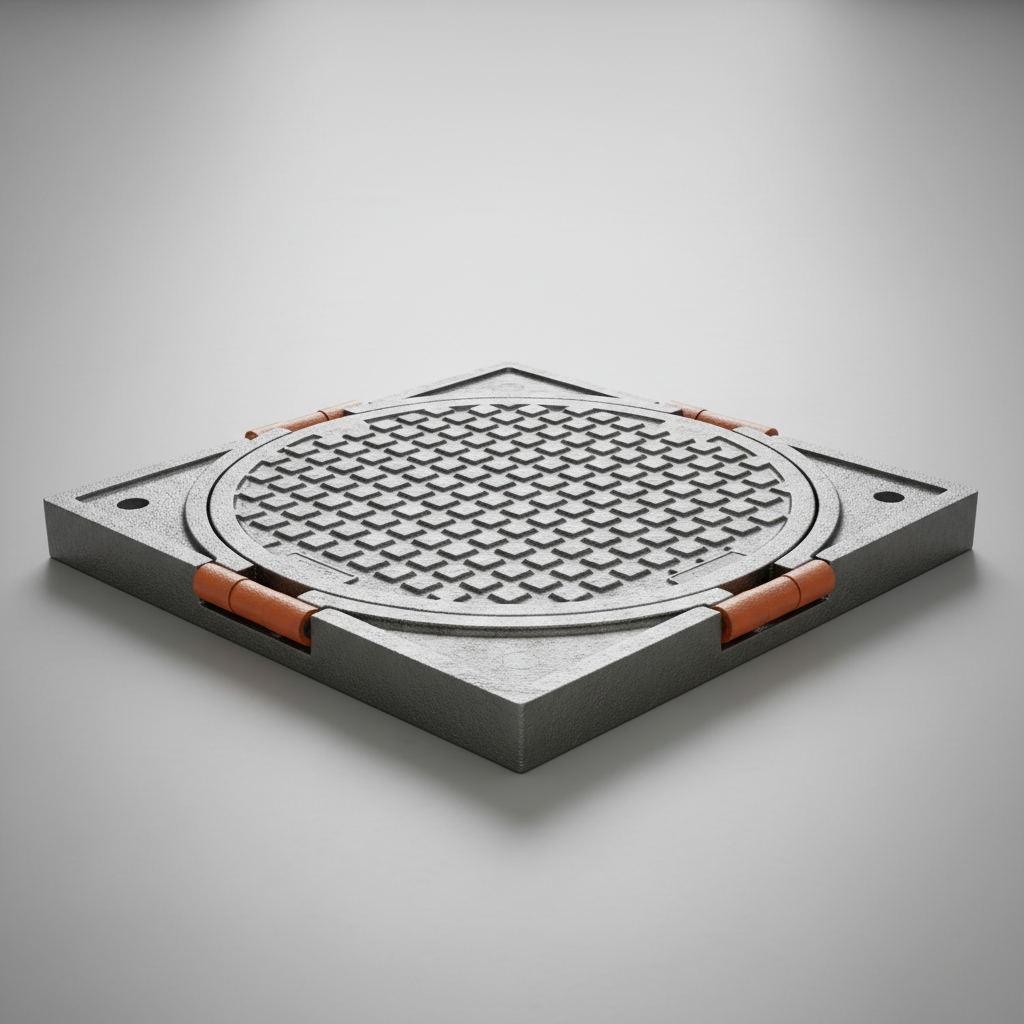
At its heart, a hinged manhole cover is designed for easy and safe access. The hinge mechanism allows the cover to swing open, eliminating the need for lifting and reducing the risk of strain injuries. It's a simple concept, but the execution is crucial. You need robust hinges, a secure locking mechanism, and a durable frame that can withstand constant use.
We're not just talking about making things easier for the guys on the ground. Think about emergency access. In a situation where quick access to underground utilities is critical, every second counts. A hinged cover allows for rapid deployment, which can be a lifesaver.
Global Infrastructure and the Need for hinged manhole cover
Look around the world – aging infrastructure is a massive issue. Cities are constantly battling deteriorating sewer systems, outdated utility networks, and a growing need for efficient maintenance. The United Nations estimates that trillions of dollars are needed to upgrade global infrastructure over the next few decades. Hinged manhole covers are a small, but important, part of that solution.
It's not just developed nations facing this challenge. Rapid urbanization in developing countries is putting immense strain on existing infrastructure. They need robust, reliable, and cost-effective solutions. And that's where a well-designed hinged cover can really shine. It’s about building infrastructure that lasts and minimizes long-term costs.
The ISO standards for manhole cover safety are getting stricter, and rightly so. These covers are subject to tremendous stress, and a failure can have catastrophic consequences. Hinged designs, when properly engineered and tested, can meet and exceed these standards, providing a safer and more reliable solution.
Key Material Considerations in hinged manhole cover Manufacturing
You can't just slap any metal together and call it a manhole cover. Material selection is critical. Ductile iron is the workhorse – it’s strong, durable, and resistant to corrosion. But you also need to consider the hinge mechanism. Stainless steel is often the go-to for hinges, as it provides excellent corrosion resistance and smooth operation.
We’re starting to see more composite materials being used, too. They offer weight reduction and excellent corrosion resistance, but the cost can be higher. You need to balance performance with budget. And frankly, I’ve seen some composite covers that just don't hold up to the rigors of a real-world construction site.
The coating is also crucial. A good epoxy coating can significantly extend the lifespan of a hinged manhole cover by protecting it from corrosion and abrasion. It's often overlooked, but it's a key factor in long-term durability.
Performance Metrics and Quality Control of hinged manhole cover
We’re not guessing here; we’re measuring. Load testing is paramount. A manhole cover needs to withstand significant weight – traffic, construction equipment, even accidental impacts. We look at deflection, stress points, and hinge fatigue.
Corrosion resistance is another key metric. Salt spray testing, cyclic testing – we put these covers through the wringer to ensure they can handle harsh environments. And it’s not enough to test the material; you need to test the finished product, including the coating and the hinge mechanism.
hinged manhole cover Quality Control Metrics
Real-World Applications of hinged manhole cover Across Industries
I’ve seen these installed everywhere – from wastewater treatment plants to telecommunications networks. Anywhere you have underground utilities, a hinged manhole cover can improve safety and efficiency.
In post-disaster relief operations, quick access to underground infrastructure is critical for restoring essential services. These covers make that possible. I've worked on projects where these covers significantly sped up the restoration of power and communications after hurricanes.
Long-Term Value and Cost-Benefit Analysis of hinged manhole cover
Look, yes, they typically have a higher upfront cost than a standard manhole cover. But that's a shortsighted view. You need to factor in the reduced risk of injuries, the increased efficiency of maintenance crews, and the extended lifespan.
I’ve done the calculations on several projects. When you consider the total cost of ownership – including labor, maintenance, and potential liability – hinged covers often come out ahead. It's an investment in safety and long-term reliability.
And don’t underestimate the value of worker morale. Knowing they're using equipment that’s designed to keep them safe makes a huge difference. Happy workers are more productive workers.
Future Trends and Innovation in hinged manhole cover Design
We’re starting to see smart covers with integrated sensors that can detect things like gas leaks or unauthorized access. This is a game-changer for security and preventative maintenance.
Remote monitoring is another trend. Being able to remotely check the status of a cover – whether it’s open, closed, or damaged – can save time and money. And there’s potential for integrating these covers with broader smart city initiatives.
Material science is also evolving. Researchers are constantly developing new composites and coatings that offer improved performance and durability. The future of hinged manhole covers is about making them smarter, safer, and more sustainable.
Summary of Key Considerations for Hinged Manhole Cover Selection
| Application Environment |
Material Composition |
Hinge Mechanism Type |
Long-Term Maintenance Requirements |
| High Traffic Urban Areas |
Ductile Iron with Epoxy Coating |
Heavy-Duty Stainless Steel Hinges |
Annual Lubrication and Inspection |
| Corrosive Industrial Sites |
Fiber Reinforced Polymer Composite |
Corrosion-Resistant Alloy Hinges |
Bi-Annual Coating Inspection and Repair |
| Wastewater Treatment Facilities |
Ductile Iron with Specialized Chemical Coating |
Sealed, Self-Lubricating Hinges |
Periodic Seal Replacement |
| Remote Rural Locations |
Ductile Iron with UV-Resistant Coating |
Simple, Robust Mechanical Hinges |
Minimal, Primarily Visual Inspection |
| High Security Areas |
Reinforced Steel with Tamper-Proof Coating |
Lockable and Encrypted Hinge System |
Regular Security System Audit |
| Telecommunications Networks |
Lightweight Aluminum Alloy with Protective Coating |
Precision-Engineered, Low-Friction Hinges |
Hinge Mechanism Calibration |
FAQS
The biggest benefit is the elimination of heavy lifting. Traditional covers require significant physical effort to remove, increasing the risk of back injuries and dropped cover incidents. Hinged covers swing open, reducing strain and providing a safer working environment. This is crucial for workers entering confined spaces, where minimizing potential hazards is paramount.
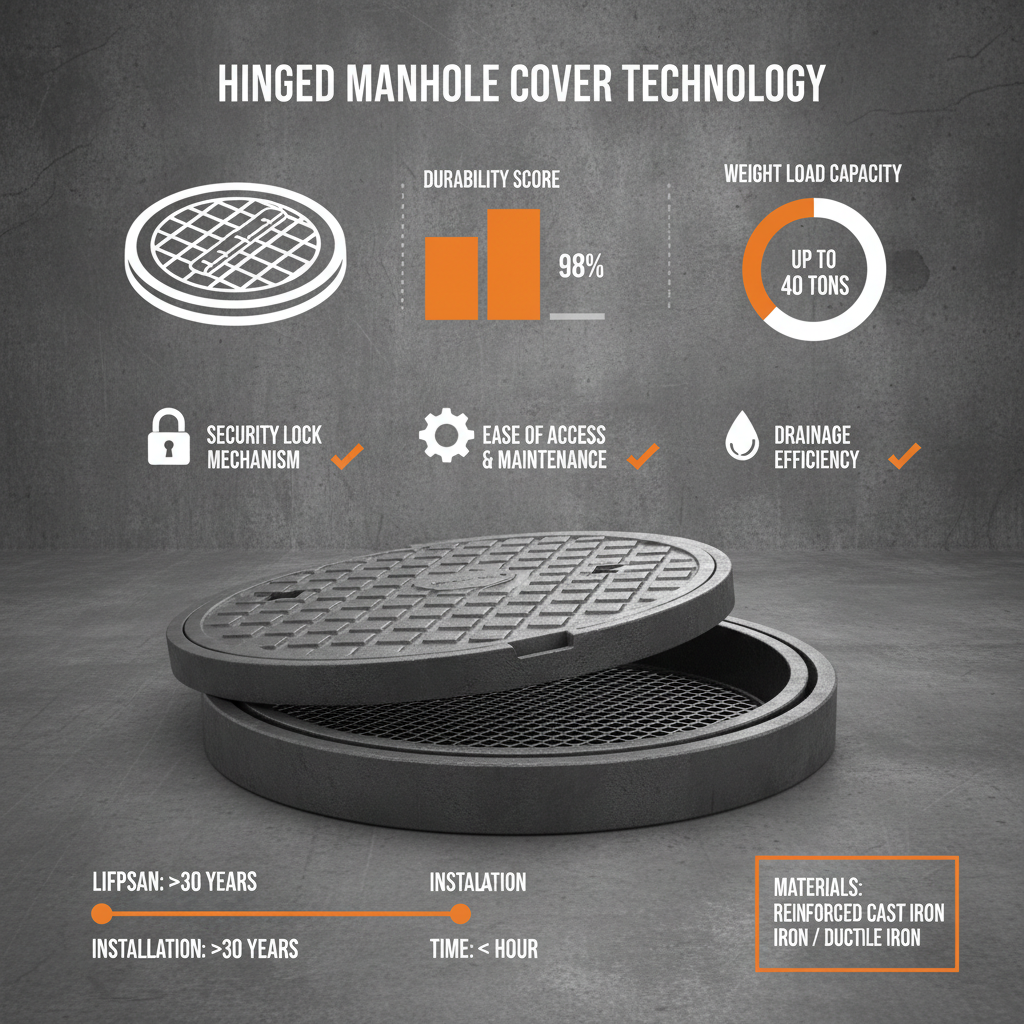
High-quality hinged manhole covers are designed to withstand substantial loads. They're typically constructed from ductile iron and undergo rigorous testing to ensure they meet or exceed industry standards for load capacity. The hinge mechanism is engineered for durability and is often reinforced to prevent damage from vibrations and impacts. Proper installation and regular inspection are also key.
With proper maintenance, a hinged manhole cover can last for decades. Ductile iron covers can easily last 30-50 years, while composite options may have similar lifespans. Regular maintenance includes lubrication of the hinge mechanism, inspection for corrosion, and periodic coating repairs. Following a preventative maintenance schedule significantly extends the cover’s lifespan.
Generally, hinged manhole covers have a higher initial cost. However, the long-term cost benefits often outweigh this difference. Reduced risk of worker injuries, increased efficiency due to faster access, and lower maintenance requirements contribute to significant cost savings over the cover's lifespan. The investment is justified by improved safety, productivity, and reliability.
Several locking mechanisms are available, ranging from simple padlocks to more sophisticated security systems. Some covers feature integrated locking mechanisms that require a key or code to open. Others can be connected to alarm systems that alert authorities in case of tampering. The appropriate locking mechanism depends on the security requirements of the specific application.
Correct installation is crucial. The frame must be properly seated and leveled, and the hinge mechanism must be aligned correctly. It’s essential to follow the manufacturer’s instructions carefully. Professional installation is highly recommended, especially for larger or more complex covers. Proper anchoring and support are critical to ensure the cover can withstand expected loads and vibrations.
Conclusion
We’ve covered a lot of ground here. From the basic functionality to the future innovations, it’s clear that hinged manhole covers are more than just a convenience. They represent a commitment to safety, efficiency, and long-term value. It's about looking beyond the upfront cost and considering the total cost of ownership.
Investing in these covers isn’t just about upgrading infrastructure; it’s about protecting workers, improving public safety, and building a more resilient future. I encourage you to explore the options available and consider how a hinged design can benefit your projects. For more information and a wide range of high-quality hinged manhole covers, visit our website: www.hbyqmetal.com.