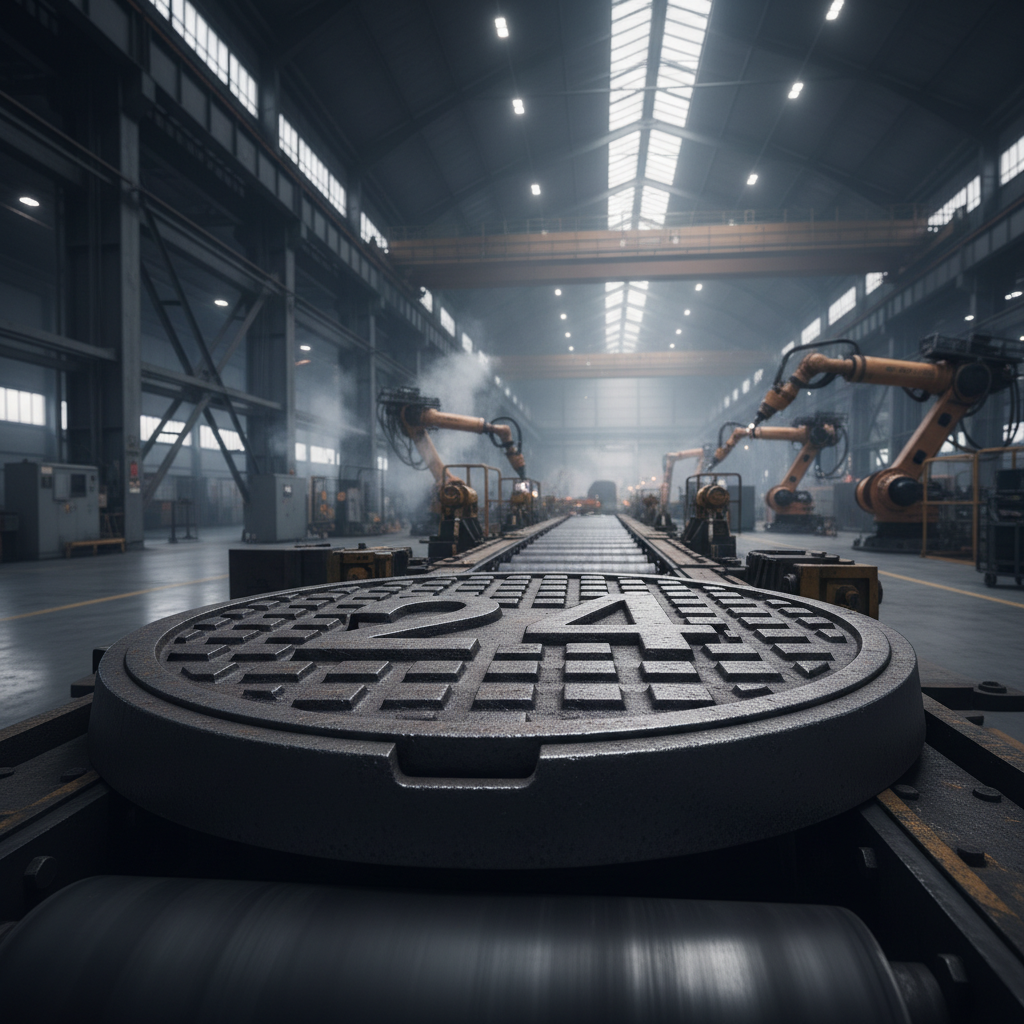
Look, I’ve spent years walking job sites, getting my boots dirty, and watching guys try to get things done. We’re talking about a fundamental piece of infrastructure here: the manhole cover. And let me tell you, a good manhole cover 24 isn’t just a lid; it’s safety, efficiency, and peace of mind. It's the thing you don't want to think about because when you do have to think about it, it means something’s gone wrong. We’re seeing increasing demand for robust, reliable covers, especially as cities expand and aging infrastructure needs updating. manhole cover 24 is a critical component.
The problems we see out there are surprisingly common. Covers that corrode quickly, ones that are just too heavy to safely manage, and – frankly – a lot of cheap imitations that just don’t hold up. That puts workers at risk, causes delays, and costs municipalities money in the long run. We need covers that can handle heavy loads, resist the elements, and are easy to install and maintain. It’s a simple concept, but getting it right requires attention to detail and quality materials.
And it’s not just about replacing old covers. New construction is booming in a lot of areas, and developers need a dependable source for manhole cover 24 that meets local standards and project timelines. We're also seeing a growing need for specialized covers – ones with unique shapes, sizes, or locking mechanisms for specific applications. That's where a company like ours, with the experience and manufacturing capabilities, can really make a difference.
The Importance of manhole cover 24 in Modern Infrastructure
Let's be clear: modern infrastructure relies on access to underground utilities, and manhole covers 24 are the essential gateway to those systems. From water and sewer lines to communication cables and electrical conduits, these covers provide safe and reliable access for maintenance and repair. Without them, entire cities would grind to a halt. According to the UN, access to clean water and sanitation is a fundamental human right, and proper infrastructure, including robust manhole cover 24, is critical to achieving that goal.
We’re seeing increased strain on existing infrastructure due to population growth and climate change. More frequent and intense storms can overwhelm sewer systems, and aging pipelines are prone to leaks and breaks. That means more frequent maintenance and repair work, and that puts a greater demand on the quality and durability of manhole cover 24. It’s not just about keeping the water flowing; it's about protecting public health and safety.
Defining manhole cover 24: A Practical Overview
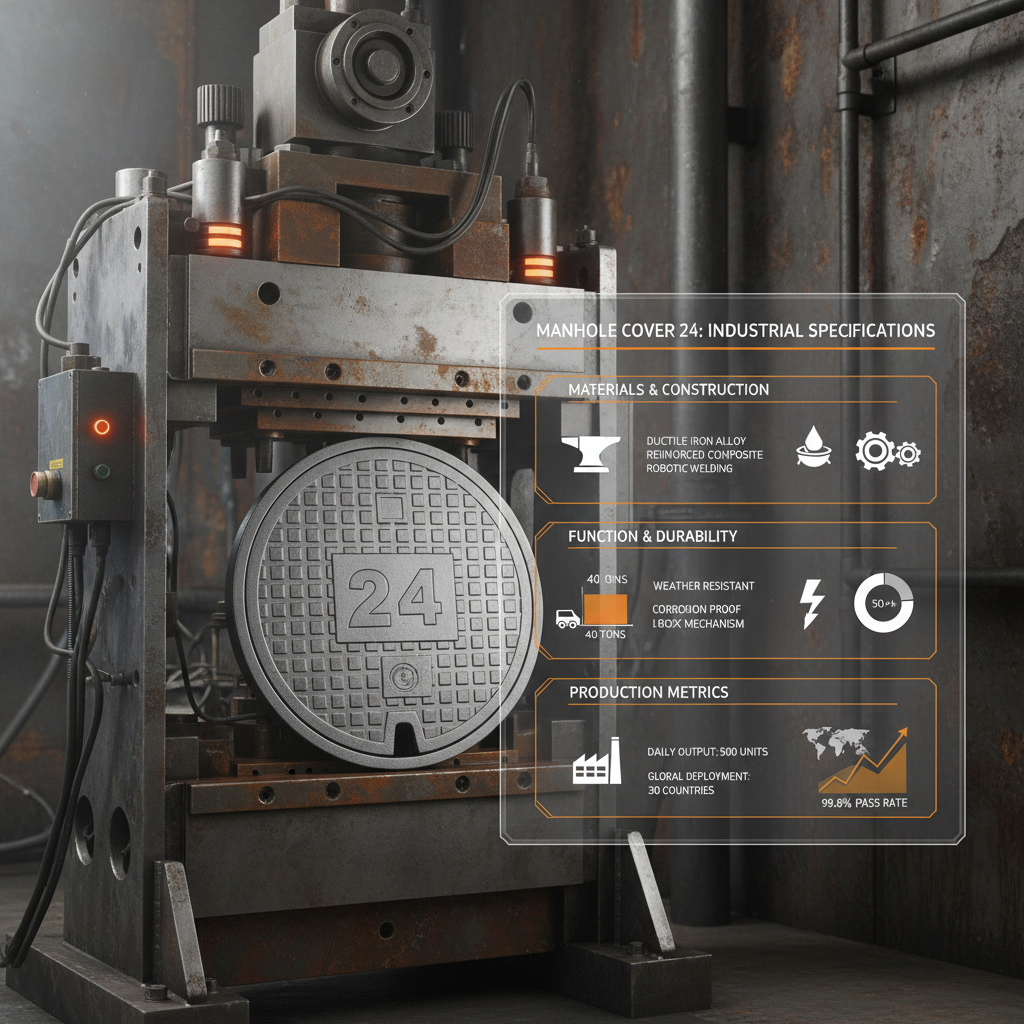
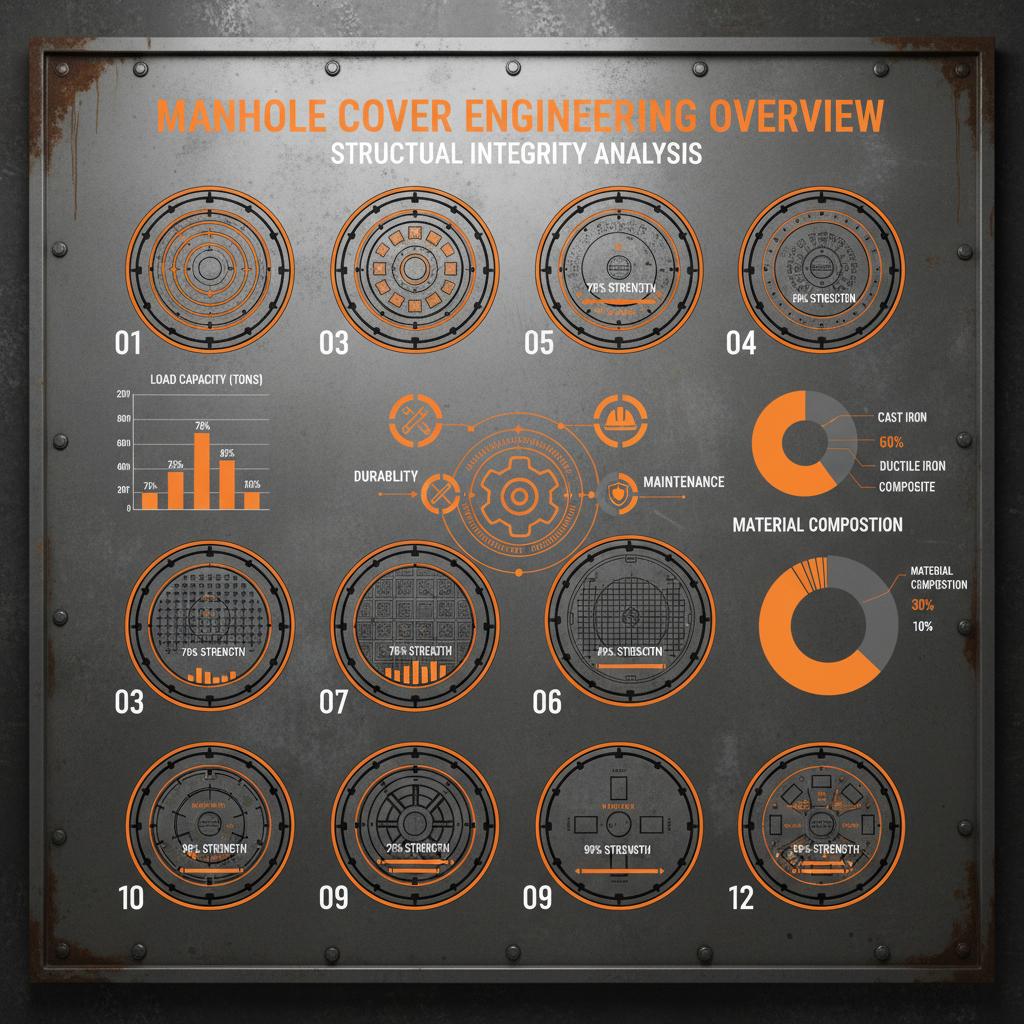
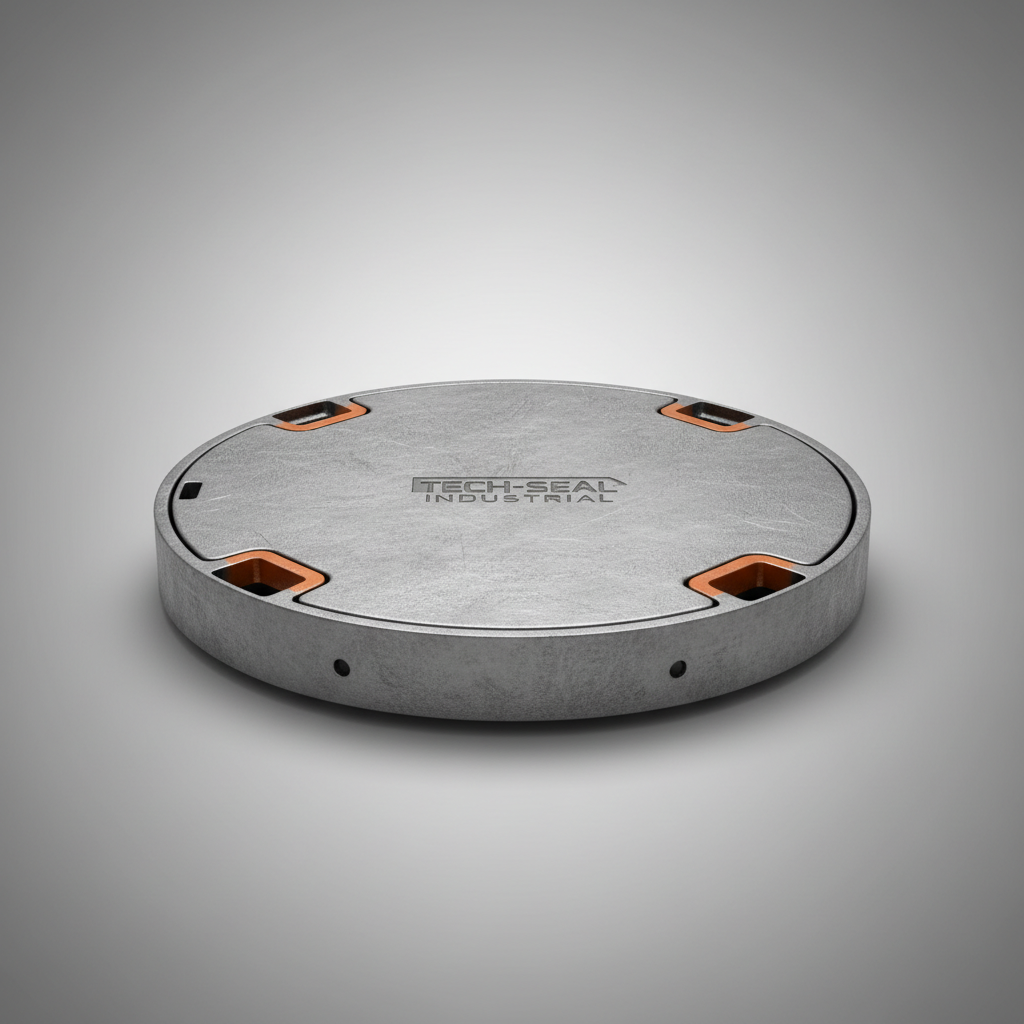
Simply put, a manhole cover 24 is a removable lid used to cover an opening to an underground chamber, usually a manhole. They're typically made of cast iron, ductile iron, or composite materials, and are designed to withstand heavy loads from traffic and provide a secure access point for workers. But it’s more than just a lid. It’s a carefully engineered component designed to meet specific industry standards, like those set by ISO and ASTM.
The connection to modern industry is straightforward. Everything from telecommunications to energy distribution depends on the reliable access provided by these covers. In humanitarian aid scenarios, access to underground water sources is critical, and ensuring those access points are secure and protected is vital. It’s about providing access to essential services and maintaining the functionality of critical infrastructure.
And the "24" part? That often refers to the diameter of the cover in inches, a common size used in many municipalities. However, variations exist, and covers are manufactured in a wide range of sizes and shapes to meet specific project requirements. It's about getting the right tool for the job, and knowing what you need upfront.
Core Factors: Ensuring Quality and Performance of manhole cover 24
First and foremost: Durability. These covers take a beating. Think about the weight of traffic, the constant exposure to the elements, and the potential for impact from construction equipment. A high-quality manhole cover 24 needs to be able to withstand all of that and still perform reliably for decades. Ductile iron is a popular choice because of its strength and resistance to corrosion.
Load Capacity is another critical factor. Covers are rated to withstand specific weight loads, and it’s essential to choose a cover that meets or exceeds the expected traffic conditions. Underestimating the load capacity can lead to premature failure and potential safety hazards. We always recommend checking local regulations and standards to ensure compliance.
Then there’s Corrosion Resistance. Exposure to water, chemicals, and salt can quickly corrode unprotected metal, leading to weakening and eventual failure. Coatings, like epoxy or galvanization, can provide a protective barrier, but the quality of the coating is key. We’ve seen cheap coatings flake off after just a few years, leaving the metal vulnerable to corrosion.
Global Applications and Real-World Use Cases for manhole cover 24
You’ll find manhole cover 24 everywhere there’s underground infrastructure. In densely populated urban centers like New York or Tokyo, they’re essential for maintaining the city’s water, sewer, and communication networks. In post-disaster relief operations, access to underground water sources is often critical, and reliable manhole covers are vital for providing that access.
In remote industrial zones, like oil fields or mining operations, manhole cover 24 provide access to essential utilities in challenging environments. We’ve supplied covers for projects in the Middle East where they have to withstand extreme temperatures and abrasive sandstorms. And in developing countries, where infrastructure is often outdated or limited, upgrading manhole cover 24 can significantly improve sanitation and public health.
We’ve also seen specialized applications. For example, some airports use manhole cover 24 with enhanced security features to prevent unauthorized access to underground cabling. And in some coastal areas, we provide covers made from corrosion-resistant materials to withstand the harsh marine environment.
Different Manhole Cover 24 Manufacturing Methods and Their Rating
Advantages of Utilizing Durable manhole cover 24
The most obvious benefit is cost savings. Investing in a high-quality manhole cover 24 upfront might cost a little more, but it will save you money in the long run by reducing the need for frequent replacements. Think about the labor costs associated with replacing a failed cover – it adds up quickly. And downtime disrupts operations and can lead to financial losses.
Then there’s safety. A properly secured manhole cover 24 prevents accidental falls and protects workers from exposure to hazardous materials. That’s not just good for morale; it’s a legal requirement. We take safety very seriously, and we design our covers to meet the highest safety standards.
Future Trends and Innovations in manhole cover 24 Technology
We're starting to see the integration of smart technology into manhole cover 24. Sensors can be embedded in the covers to monitor things like water levels, gas concentrations, and even structural integrity. This data can be used to predict potential problems and schedule maintenance proactively, preventing costly failures.
There’s also a growing focus on sustainable materials. Composite materials are becoming increasingly popular as a lighter-weight and more corrosion-resistant alternative to traditional cast iron. And manufacturers are exploring ways to recycle and reuse materials, reducing the environmental impact of manhole cover 24 production.
Digital twins, a virtual replica of physical infrastructure, will also play a larger role, using data from embedded sensors to create a comprehensive view of the underground network. This enables better asset management and predictive maintenance.
Challenges and Solutions in manhole cover 24 Implementation
One of the biggest challenges is theft. Metal manhole cover 24 are often stolen for their scrap value, which creates safety hazards and costs municipalities money to replace them. One solution is to use covers made from non-metallic materials, or to incorporate locking mechanisms that make them more difficult to steal.
Another challenge is ensuring proper installation. A poorly installed cover can be just as dangerous as a damaged one. We provide detailed installation instructions and offer training to contractors to ensure that our covers are installed correctly. Proper installation guarantees load bearing capabilities.
Finally, there’s the issue of standardization. Different municipalities have different requirements for manhole cover 24, which can make it difficult for manufacturers to produce covers that are universally compatible. We work closely with industry groups to promote standardization and ensure that our products meet the needs of a wide range of customers.
Summarizing Key Aspects of Manhole Cover 24 Performance
| Cover Material |
Corrosion Resistance (1-10) |
Load Capacity (tons) |
Installation Difficulty (1-10) |
| Cast Iron |
6 |
15 |
7 |
| Ductile Iron |
8 |
20 |
6 |
| Composite Material |
9 |
18 |
5 |
| Fiberglass |
10 |
12 |
4 |
| Steel (with Coating) |
7 |
25 |
8 |
| Aluminum Alloy |
7 |
10 |
5 |
FAQS
A well-maintained ductile iron manhole cover 24 can easily last 50 years or more, even under heavy traffic conditions. The key is to choose a cover with a high-quality coating and to perform regular inspections to identify and address any signs of corrosion or damage. Preventative maintenance, such as recoating, can significantly extend the lifespan of the cover. We regularly see covers installed decades ago still in service.
Yes, modern composite manhole covers 24 are engineered to withstand significant loads and are increasingly used in high-traffic areas. While they were initially viewed as a lightweight alternative, advancements in materials science have resulted in composite covers with load ratings comparable to, and in some cases exceeding, those of ductile iron. They also offer superior corrosion resistance.
Choosing the right cover depends on several factors, including the expected load, the environmental conditions, and the type of access required. Consider the traffic volume, the potential for corrosion, and any specific safety requirements. Check local regulations to ensure compliance. If you're unsure, it's best to consult with a qualified engineer or supplier.
Common causes include corrosion, excessive loading, impact damage, and improper installation. Corrosion is often accelerated by exposure to salt water or harsh chemicals. Overloading can weaken the cover and lead to cracking. Impact damage can occur from construction equipment or dropped objects. And improper installation can compromise the cover’s structural integrity.
Manhole cover 24 are heavy and awkward to handle. Always use appropriate lifting equipment, such as a chain fall or crane. Wear safety gloves and steel-toed boots. Ensure the area around the manhole is clear of obstructions. And never attempt to lift a cover alone. Proper training and adherence to safety protocols are crucial.
Initially, composite manhole covers often have a higher upfront cost than cast iron. However, when considering the lifecycle cost – factoring in corrosion resistance, reduced maintenance, and longer lifespan – composite covers can be more cost-effective in the long run. Plus, the lighter weight of composite covers can reduce labor costs for installation and removal.
Conclusion
In closing, the manhole cover 24 is far more than a simple lid. It’s a critical component of modern infrastructure, essential for public safety, and a reflection of the quality and reliability of our underground networks. Understanding the key factors that influence performance – durability, load capacity, corrosion resistance – is paramount for making informed decisions and ensuring long-term success.
Looking ahead, we anticipate continued innovation in manhole cover 24 technology, with a greater emphasis on smart materials, data-driven maintenance, and sustainable practices. Investing in high-quality covers and prioritizing preventative maintenance will not only reduce costs but also enhance the resilience of our infrastructure for generations to come. For reliable, long-lasting manhole cover 24 solutions, visit our website: www.hbyqmetal.com.