Look, I’ve spent the last fifteen years knee-deep in concrete, dust, and blueprints. I’ve seen manhole covers fail – and those failures aren’t just inconvenient, they’re dangerous. We’re talking about public safety, traffic disruptions, and costly repairs. That’s why the push for robust, reliable infrastructure components, especially large recessed manhole covers, isn't just a technical detail; it’s about building a world that actually works for people. These aren’t just metal plates; they’re critical elements of the systems we rely on every single day.
You'll find a basic circular manhole cover almost anywhere, but when you start talking about high-traffic areas, industrial complexes, or places where heavy loads are the norm, that’s where a large recessed manhole cover becomes essential. I've seen standard covers crack under pressure, leading to complete road closures and emergency repairs. The difference between a standard cover and a properly engineered recessed cover is like comparing a bicycle tire to a truck tire. They both roll, but they’re built for very different jobs.
What drives the demand? It's simple: growth. Cities are expanding, industries are demanding more from their infrastructure, and we’re constantly needing to upgrade existing systems. A large recessed manhole cover isn't a solution to slow down progress, it enables it. And frankly, from a lifecycle cost perspective, investing in quality upfront saves a fortune in headaches and replacements down the line.
The Importance of Large Recessed Manhole Covers
I've seen firsthand the consequences of cutting corners on infrastructure. A large recessed manhole cover isn’t about aesthetics; it's about load-bearing capacity and preventing catastrophic failures. These are typically used in areas experiencing significant vehicular traffic or industrial activity, where standard covers simply won’t hold up. It's preventative maintenance, pure and simple.
And it’s not just about preventing accidents. It's about minimizing disruption. A failed manhole cover can shut down a street, impacting businesses, emergency services, and commuters. The cost of that downtime quickly dwarfs the initial investment in a high-quality, recessed cover. That's where the true value proposition lies.
Defining Large Recessed Manhole Covers
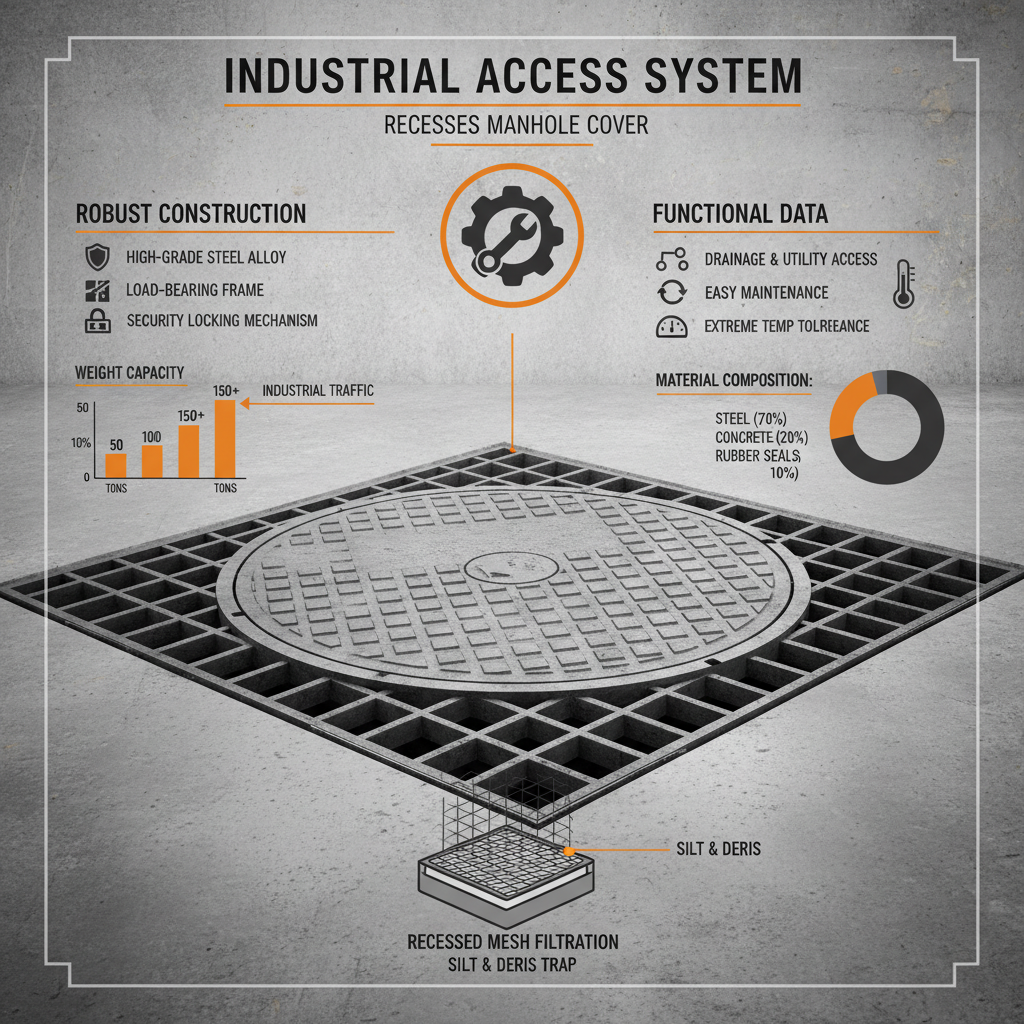
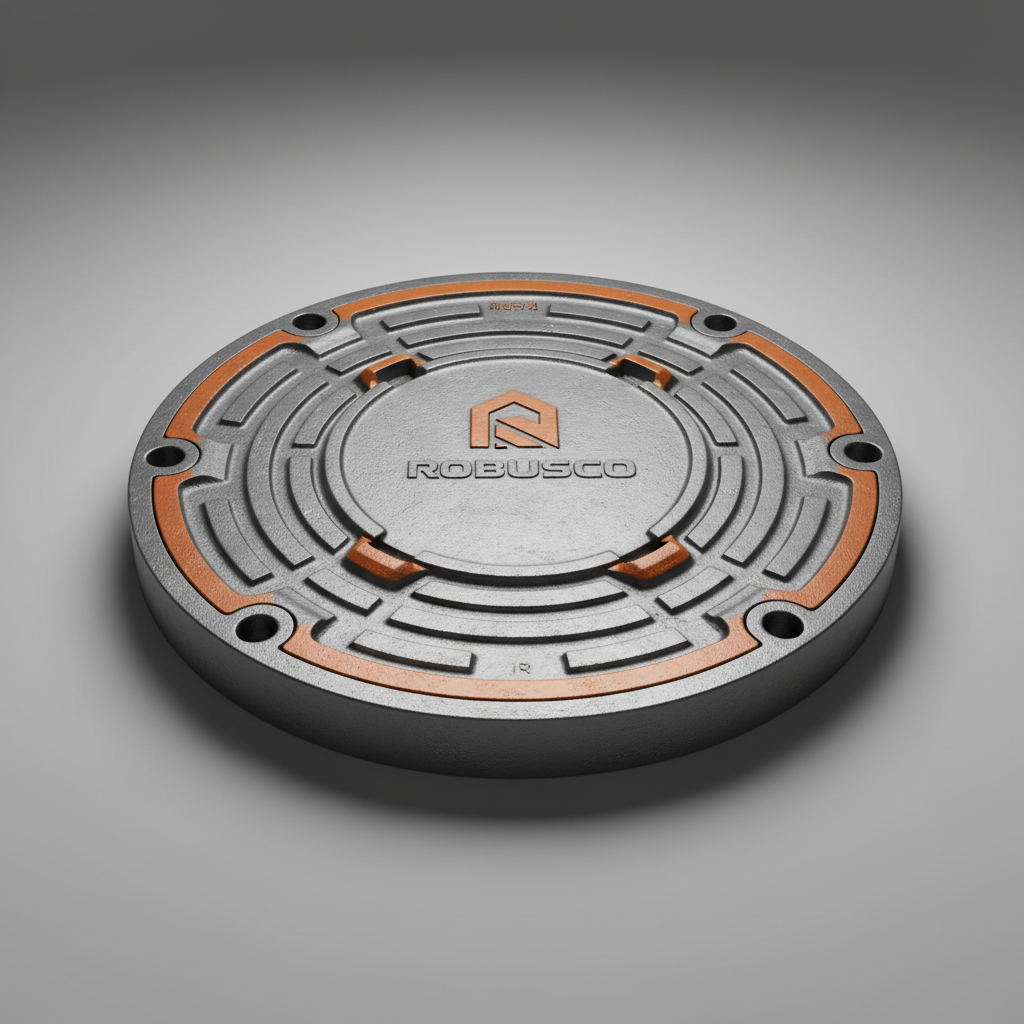
Essentially, a large recessed manhole cover is designed to be flush with the surrounding roadway surface. This recess allows for heavier loads to be distributed more evenly, reducing stress on the cover itself and the surrounding infrastructure. It's a subtle but critical difference. They're typically constructed from ductile iron because of its strength and durability, often with additional reinforcement for especially demanding applications.
They’re not just bigger; they're engineered differently. The recessed design requires precise manufacturing tolerances and a robust locking mechanism to prevent shifting or displacement. These covers aren’t just dropped into place; they’re integrated into the roadway structure. It’s a system, not just a component.
This isn’t a new concept, but the demands on these systems are growing. Increased traffic volume, heavier vehicles, and more frequent freeze-thaw cycles all require continuous improvements in materials and design. We’re seeing a move toward composite materials, too, to reduce weight without sacrificing strength.
Key Factors in Manhole Cover Design
Durability is paramount. That means selecting the right materials – typically ductile iron or high-strength alloys – and applying proper coatings to resist corrosion. We're talking about decades of reliable service, even in harsh environments.
Load capacity is obviously crucial. Covers must be able to withstand not only static loads from traffic but also dynamic loads from impact and vibration. Engineers use rigorous testing standards to ensure covers meet or exceed these requirements. This isn’t just theoretical; it’s about preventing failure under real-world conditions.
Safety is non-negotiable. Covers need to have a secure locking mechanism to prevent accidental opening and a non-slip surface to reduce the risk of accidents. The design should also consider ease of access for maintenance personnel. Every detail matters.
Global Applications and Use Cases
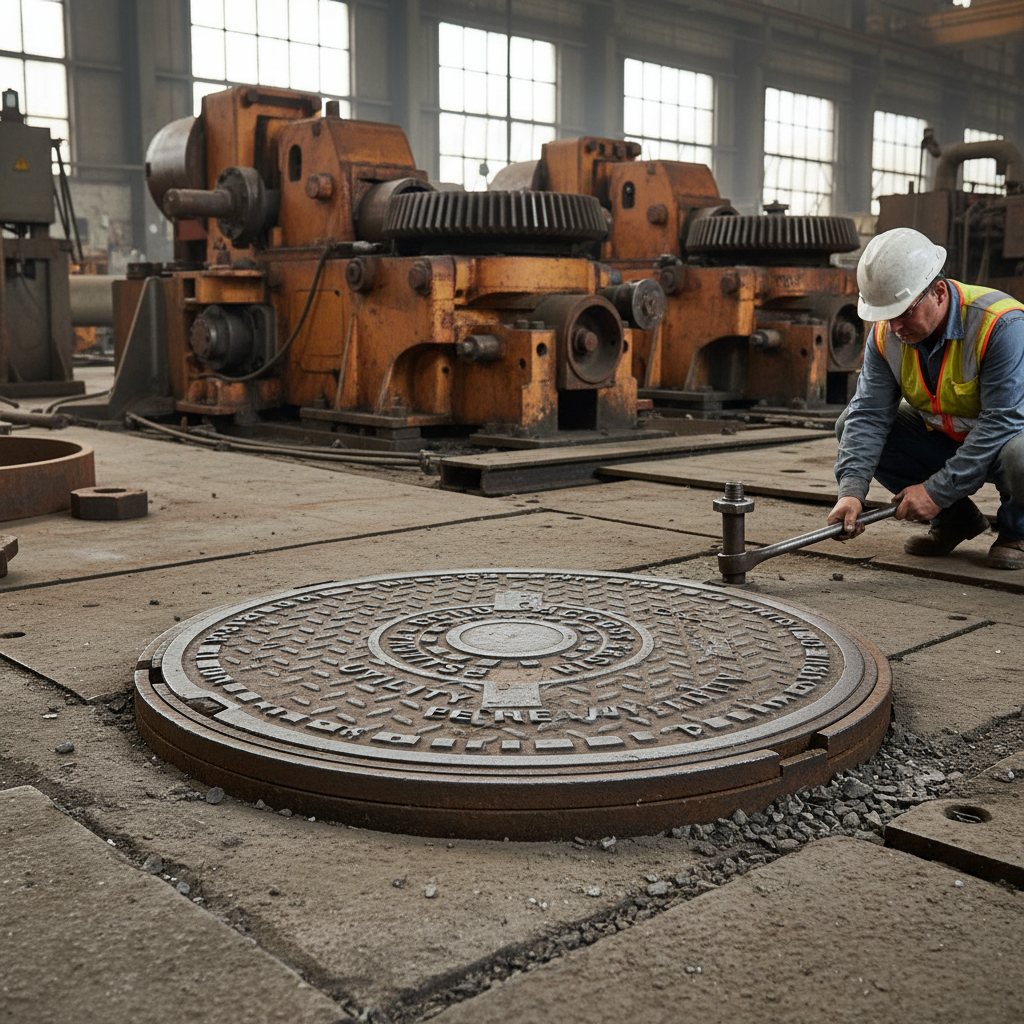
You'll find large recessed manhole covers in high-traffic urban areas worldwide, particularly at intersections and loading docks. They're essential in industrial facilities, ports, and airports where heavy equipment is constantly moving around.
In regions prone to seismic activity, robust manhole covers are critical to prevent damage and maintain infrastructure integrity. I've worked on projects in Japan and California where the seismic requirements for these covers were incredibly stringent. They're designed to move with the earth, not against it.
And increasingly, we're seeing them used in renewable energy installations – wind farms, solar plants – where heavy equipment access is necessary for maintenance and repairs. It's a growing segment, driven by the global transition to clean energy.
Manhole Cover Performance Metrics
Advantages and Long-Term Value
The upfront cost of a large recessed manhole cover is higher than a standard cover, there's no getting around that. But consider the total cost of ownership. Less maintenance, fewer repairs, and reduced risk of catastrophic failure translate into significant savings over the lifespan of the product.
From a sustainability standpoint, using durable, long-lasting materials reduces the need for frequent replacements, minimizing waste and environmental impact. It’s a simple equation: fewer replacements mean less resource consumption. And that’s something we all should be prioritizing.
Future Trends and Innovations
We're seeing a push toward "smart" manhole covers equipped with sensors that can monitor everything from structural integrity to underground utility conditions. This real-time data can help prevent failures and optimize maintenance schedules.
Composite materials are also gaining traction. They offer a lightweight alternative to traditional ductile iron, making installation easier and reducing transportation costs. Plus, they can be engineered with specific performance characteristics to meet unique application requirements.
Challenges and Solutions
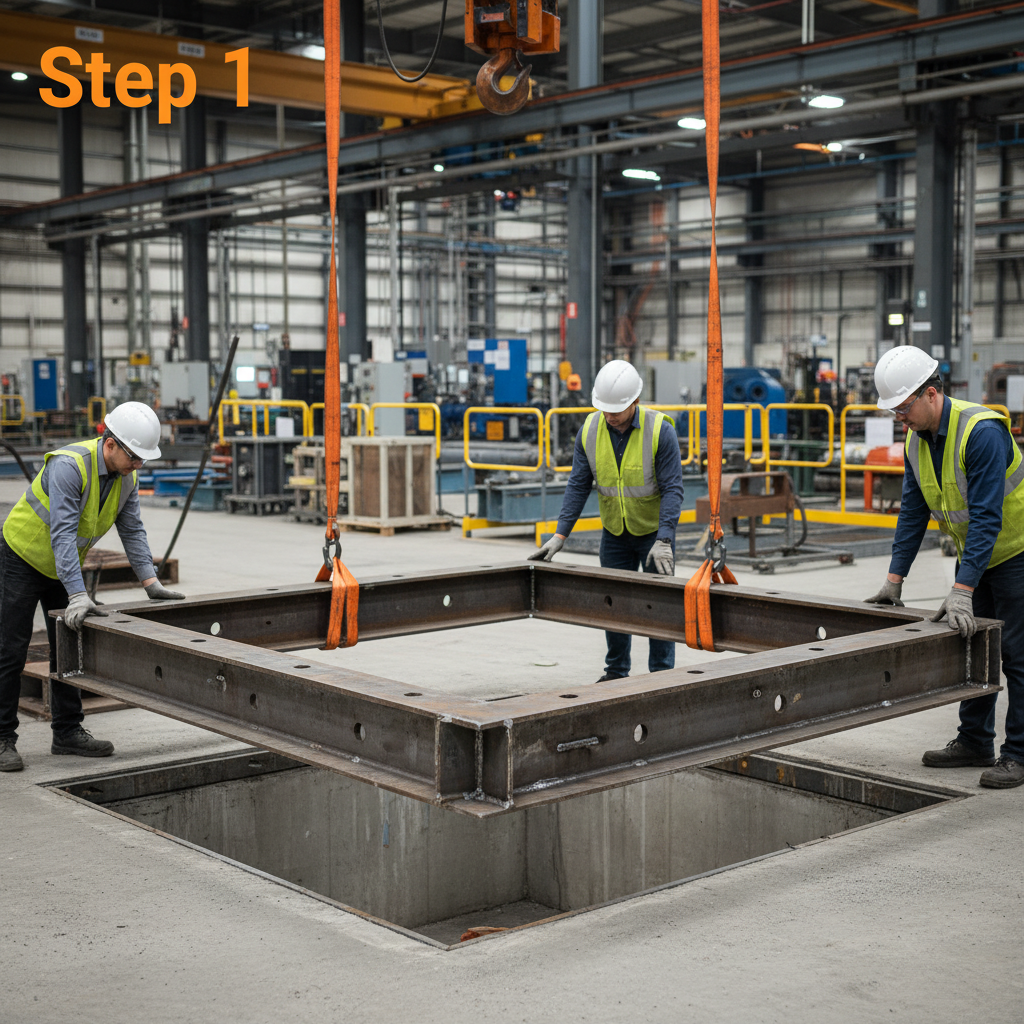
One of the biggest challenges is ensuring proper installation. A poorly installed cover, even a high-quality one, will fail prematurely. That's why training and certification for installation crews are critical.
Another challenge is dealing with legacy infrastructure. Replacing existing covers with recessed covers often requires modifying the surrounding roadway structure, which can be costly and disruptive. Careful planning and phased implementation are essential.
Finally, we need to continue to innovate in materials and design to meet the evolving demands of our infrastructure. That means investing in research and development and collaborating with engineers and contractors to develop solutions that are both effective and affordable.
Summary of Key Challenges and Solutions for Large Recessed Manhole Covers
| Challenge |
Impact on Infrastructure |
Potential Solutions |
Implementation Cost (1-10) |
| Improper Installation |
Reduced lifespan, increased failure rate |
Certified installation crews, detailed guidelines |
4 |
| Legacy Infrastructure Compatibility |
High retrofit costs, traffic disruption |
Phased implementation, innovative mounting solutions |
7 |
| Corrosion in Harsh Environments |
Structural weakening, accelerated deterioration |
Advanced coatings, corrosion-resistant alloys |
6 |
| Increased Traffic Loads |
Exceeding load capacity, structural failure |
Higher-grade materials, reinforced designs |
5 |
| Lack of Standardized Testing |
Inconsistent quality control, unreliable performance |
Industry-wide testing protocols, certification programs |
3 |
| Rising Material Costs |
Increased project budgets, reduced affordability |
Value engineering, alternative materials (composites) |
6 |
FAQS
Under normal conditions, with proper installation and maintenance, a ductile iron large recessed manhole cover should last between 30 and 50 years, even in high-traffic areas. Composite covers are also showing promising longevity, with some manufacturers guaranteeing 50+ years of service. Regular inspections for corrosion and damage are key to maximizing lifespan.
The required load rating depends heavily on the anticipated traffic. For standard passenger vehicles, a H-20 rating (30,000 lbs) is typically sufficient. However, for areas with frequent heavy trucks or industrial vehicles, you’ll need an H-25 (40,000 lbs) or even higher rating. Always consult with a qualified engineer to determine the appropriate load rating for your specific application.
Absolutely. Composite covers offer several advantages, including lighter weight, corrosion resistance, and non-magnetic properties. However, they can be more expensive upfront and may not have the same load capacity as ductile iron in all applications. The best choice depends on your specific needs and budget.
Crucially important! A secure locking mechanism prevents accidental opening, which could lead to serious accidents and disruptions. The locking system should be tamper-proof and resistant to corrosion. Regularly inspect the locking mechanism to ensure it's functioning properly. A faulty lock defeats the purpose of a robust cover.
Regular inspections are vital – look for corrosion, cracks, or damage to the locking mechanism. Clean the cover surface to remove debris and maintain a non-slip surface. Periodically check the surrounding frame and ensure it’s properly seated. Proactive maintenance prevents costly repairs and extends the lifespan of the cover.
You’ll need to assess the existing frame and ensure it’s compatible with a recessed cover. You may need to modify the surrounding roadway structure to accommodate the recess. Proper drainage is essential to prevent water from pooling around the cover. And, crucially, ensure you’re using qualified and certified installation personnel.
Conclusion
Investing in high-quality large recessed manhole covers isn’t just about meeting regulations or avoiding immediate repairs. It’s about building a more resilient, safer, and sustainable infrastructure. From ensuring public safety to minimizing disruption and maximizing lifecycle costs, these covers are a critical component of modern urban and industrial environments.
The future of manhole cover technology will likely involve smart sensors, advanced materials, and increasingly stringent testing standards. By embracing these innovations and prioritizing quality installation and maintenance, we can ensure that our infrastructure is prepared to meet the challenges of the 21st century. Visit our website at www.hbyqmetal.com to learn more about our comprehensive range of manhole cover solutions.