Look, I’ve spent the last 20 years knee-deep in concrete and dust, watching infrastructure get built. I’ve seen manhole covers buckle under pressure, corrode from the inside out, and just generally fail when you need them most. That’s why understanding cast manhole covers isn’t just about metal and manufacturing; it’s about safety, longevity, and keeping our cities running smoothly. We’re talking about vital components of water, sewage, and communication systems, and cutting corners here has serious consequences. It's not just a cover, it's a critical piece of the puzzle.
The global demand for durable infrastructure is only increasing. Rapid urbanization, aging systems in developed countries, and the need for improved sanitation in developing nations are all driving demand. According to the World Bank, trillions of dollars are needed just to maintain existing infrastructure, let alone build new. And honestly, a lot of that spend has to be on things that last. Spending a little more upfront for a high-quality cast manhole cover saves massive costs down the line, both in repair and potential disruptions. I've seen firsthand what happens when a cover fails during peak flow – it's not pretty, and it's expensive.
Ultimately, this isn't about selling metal; it's about building reliable systems that improve people’s lives. You can't take shortcuts on the underground stuff, because it affects everything above it. A good cast manhole cover, properly designed and installed, is a silent guardian of our cities, and that’s a responsibility we take seriously.
The Importance of Cast Manhole Covers
You wouldn't build a house on a shaky foundation, would you? Manhole covers are the foundation of underground access. They're the points where we inspect, maintain, and repair critical infrastructure. A failing cover isn't just an inconvenience; it's a safety hazard for workers, a potential source of contamination, and a disruption to public services. I've seen guys nearly break an ankle stepping on a compromised cover – it’s not worth the risk.
We’re talking about access to sewer systems, telecommunications networks, even underground electrical vaults. These are vital components of modern life, and the manhole cover is the first line of defense against unauthorized access, environmental damage, and plain old accidents. It needs to be robust, reliable, and designed for the specific loads and conditions it will face.
Global Infrastructure and Demand
I’ve worked on projects all over the world, and the one constant is the need for better infrastructure. Whether it’s replacing aging systems in North America, building new networks in rapidly developing countries, or upgrading facilities to meet growing populations, the demand for manhole covers – and high-quality ones at that – is only going to increase. The UN estimates that global urbanization will add 2.5 billion people to cities by 2050, putting enormous strain on existing infrastructure.
This isn't just about population growth, it's about the increasing complexity of our systems. Modern cities rely on intricate networks of underground utilities. We’re talking about fiber optic cables, high-voltage power lines, and advanced wastewater treatment systems. All of these require safe, reliable access points, and that means investing in durable cast manhole covers.
And it's not a one-size-fits-all situation. Different regions have different requirements. Coastal areas need corrosion-resistant materials, areas with heavy traffic need covers that can withstand extreme loads, and areas prone to theft need secure locking mechanisms. Understanding these specific needs is crucial.
Defining Cast Manhole Covers
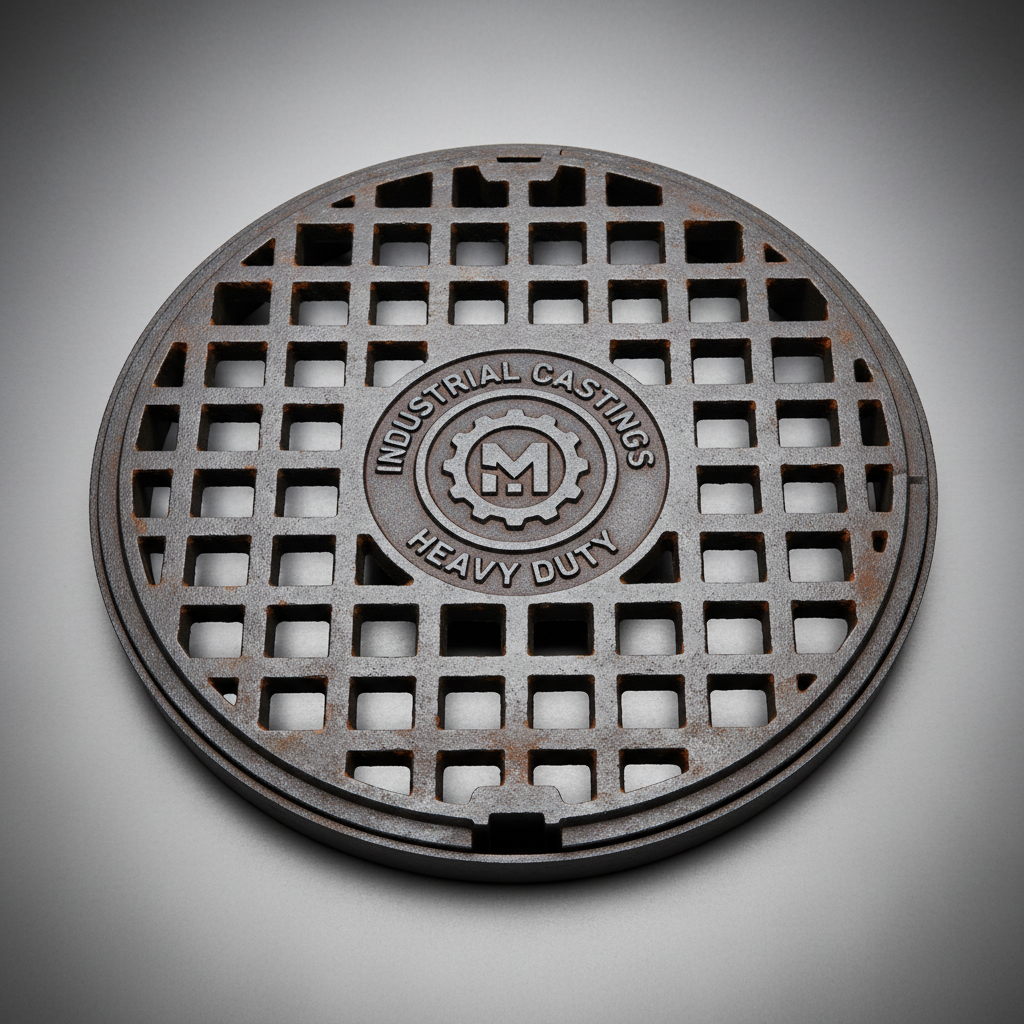
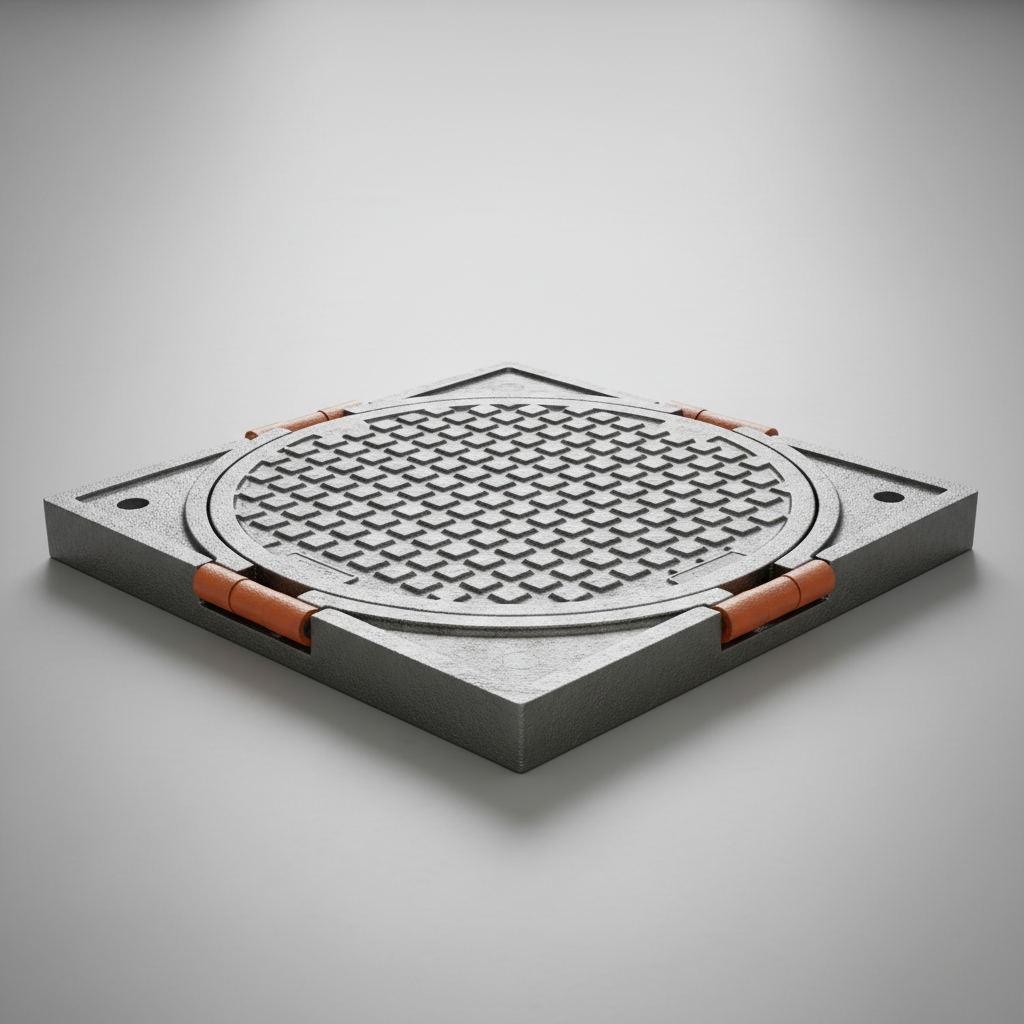
Simply put, a cast manhole cover is a removable plate used to cover an opening in the ground, providing access to underground utilities. But it’s more than just a lid. It's a precisely engineered component designed to withstand significant weight, resist corrosion, and ensure worker safety. We're talking about ductile iron, often with specialized coatings and locking mechanisms.
Traditionally, these covers were made from gray cast iron, but ductile iron has become the industry standard. Ductile iron is significantly stronger and more resilient, making it less prone to cracking and breaking. I've seen firsthand the difference in performance. Gray iron just can't handle the stresses of modern infrastructure.
The connection to modern industry is straightforward: reliable utility access is essential for everything from power generation and distribution to water treatment and waste management. Without robust cast manhole covers, these systems simply can't function effectively. It’s foundational to our quality of life.
Key Aspects of Quality Covers
Alright, let’s talk about what really matters when you're looking at a manhole cover. It's not just about the price tag. There are several key aspects that determine its long-term performance and reliability.
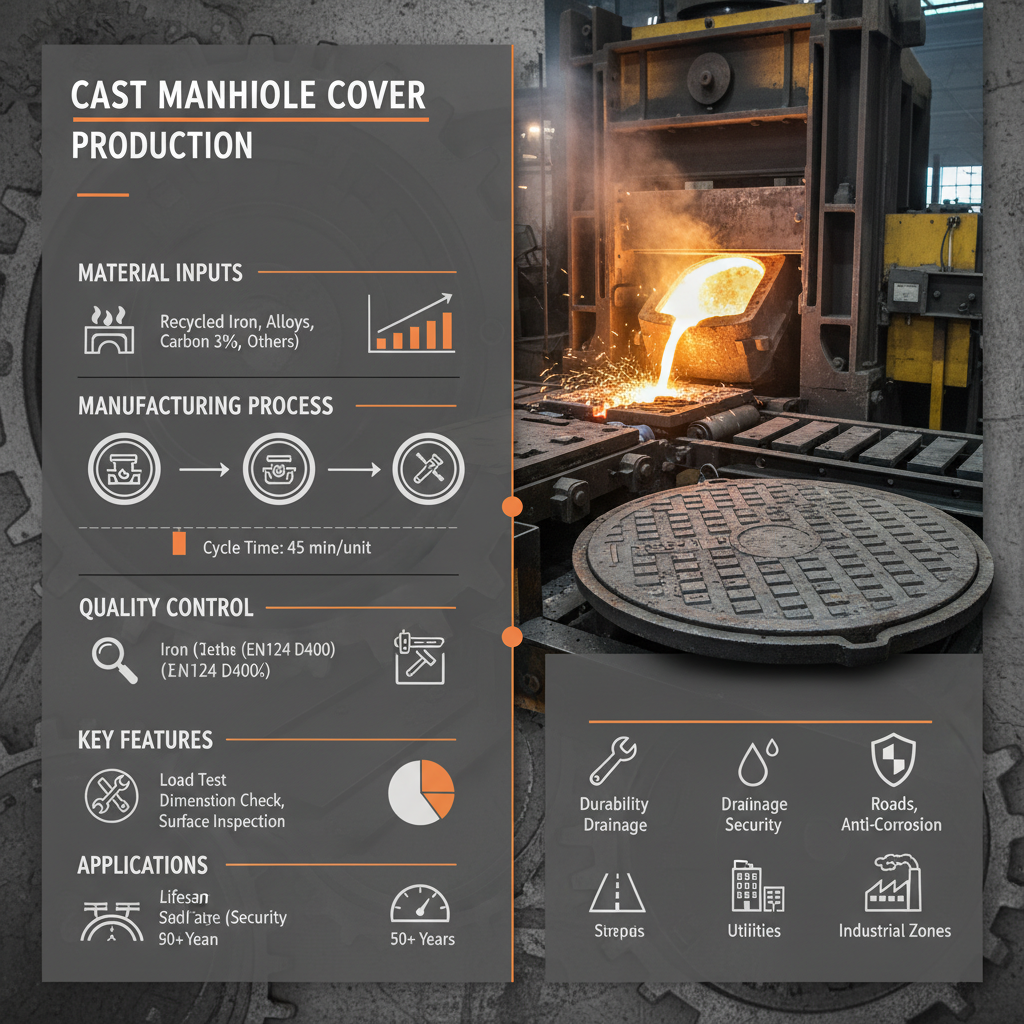
First, Durability is paramount. The cover needs to withstand heavy loads – traffic, construction equipment, even accidental impacts – without cracking or deforming. Second, Corrosion Resistance is crucial, especially in harsh environments. Specialized coatings and materials are essential to prevent rust and degradation.
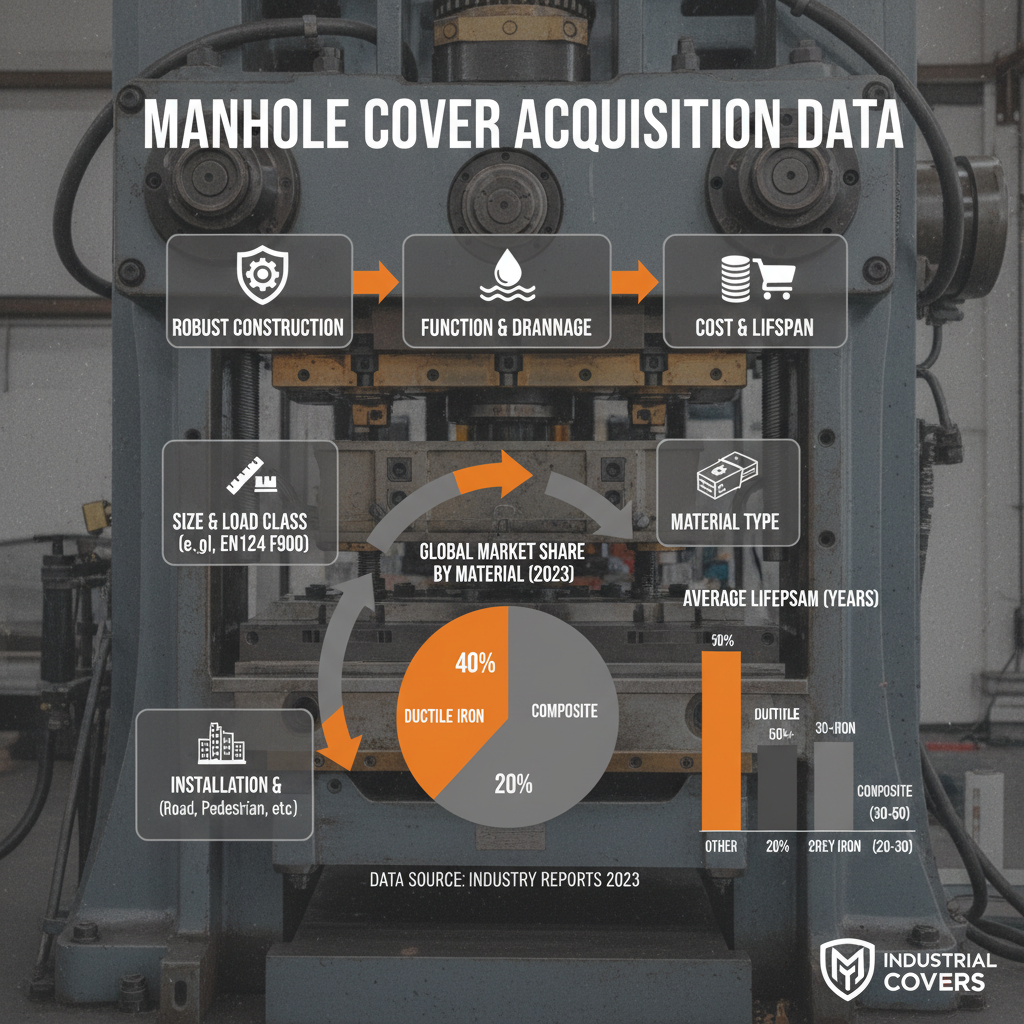
Manhole Cover Performance Metrics
Real-World Applications
I've seen these covers used in everything from busy city streets to remote rural areas. In post-disaster relief operations, having access to underground utilities is critical for restoring essential services. You need to be able to get in and fix the water mains and sewer lines quickly and safely.
In remote industrial zones, where infrastructure is often limited, durable cast manhole covers are essential for maintaining operations. We've used them on pipelines, power plants, and even mining sites. The key is choosing the right cover for the specific application and environmental conditions.
Long-Term Value and Benefits
Let's be clear: A quality manhole cover is an investment, not an expense. While the upfront cost might be higher than some cheaper alternatives, the long-term savings are significant. You're reducing the risk of costly repairs, minimizing downtime, and ensuring the safety of workers.
Beyond the tangible benefits, there’s a peace of mind that comes with knowing you’ve installed reliable infrastructure. It's about building trust with the community, protecting the environment, and contributing to a sustainable future. That’s something you can’t put a price on.
Future Trends and Innovations
We're seeing a lot of innovation in this space. Smart manhole covers with integrated sensors are becoming increasingly common. These sensors can monitor water levels, detect gas leaks, and even provide early warning of structural failures. This is huge for preventative maintenance.
There’s also a growing focus on sustainable materials and manufacturing processes. Using recycled materials and reducing the carbon footprint of production are becoming priorities. And with the rise of digital twin technology, we're able to simulate the performance of manhole covers under different conditions, optimizing their design and ensuring their long-term reliability.
I think we'll also see more emphasis on standardized designs and modular components. This will make it easier to replace and repair covers, reducing downtime and lowering maintenance costs.
Table Summarizing Cast Manhole Cover Innovation Trends
| Innovation Area |
Technology/Material |
Impact on Performance |
Adoption Rate (1-10) |
| Smart Monitoring |
Integrated Sensors |
Enhanced Predictive Maintenance |
6 |
| Material Science |
Advanced Ductile Iron Alloys |
Increased Strength and Corrosion Resistance |
7 |
| Sustainable Manufacturing |
Recycled Materials, Reduced Carbon Footprint |
Environmental Benefits |
5 |
| Digital Twin Technology |
Virtual Simulation & Analysis |
Optimized Design and Performance |
4 |
| Standardized Designs |
Modular Components |
Simplified Replacement and Maintenance |
8 |
| Enhanced Security |
Advanced Locking Mechanisms |
Reduced Theft and Unauthorized Access |
6 |
FAQS
A well-maintained cast manhole cover, made from ductile iron with proper coatings, can easily last 75-100 years or more. Of course, this depends on the environmental conditions and the loads it’s subjected to, but that’s a realistic expectation with the right materials and installation. We've seen covers still functioning perfectly after decades of service.
Load rating is crucial. You need to consider the expected traffic – pedestrian, bicycle, vehicular – and any potential construction loads. Standards like EN 124 define load classes. It’s always better to overestimate the load requirement rather than underestimate it. Failing to do so can lead to premature failure and costly repairs.
Coatings protect the iron from corrosion, extending the lifespan of the cover significantly. Various coatings are available, including epoxy, polyurethane, and zinc-rich primers. Choosing the right coating depends on the specific environmental conditions. For example, coastal areas require coatings that can withstand saltwater exposure.
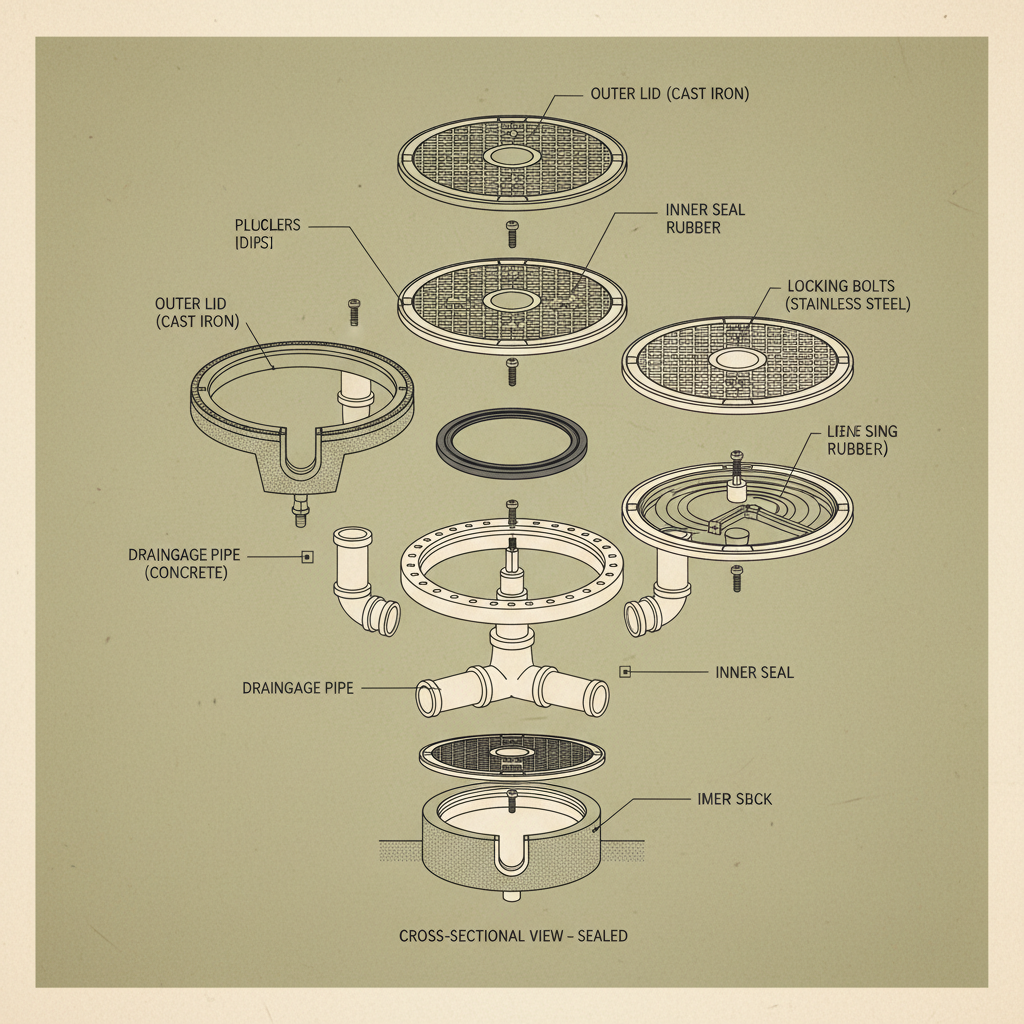
Proper installation is just as important as the quality of the cover itself. The frame and cover should be properly seated on a stable base. Gaskets should be used to create a watertight seal. And all fasteners should be tightened to the manufacturer's specifications. A poorly installed cover is a safety hazard.
Absolutely. Look for covers that meet relevant standards such as EN 124 (European standard) or ASTM A536 (American standard). Certifications from reputable organizations provide assurance that the cover has been tested and meets the required performance criteria. Don't compromise on quality – it's a false economy.
Theft is a real problem in some areas. Locking mechanisms, such as recessed lifting handles and specialized locking systems, can deter theft. Also, consider using covers made from non-ferrous materials or incorporating GPS tracking devices. Security is a key consideration, especially in high-risk areas.
Conclusion
In the end, a cast manhole cover is far more than just a piece of hardware. It’s a vital component of our infrastructure, impacting safety, reliability, and sustainability. Choosing the right cover, prioritizing quality, and ensuring proper installation are crucial for protecting our investments and building resilient communities. It's a long-term game, and cutting corners will always cost you more in the end.
The future of manhole covers lies in innovation – smarter materials, integrated technologies, and sustainable manufacturing processes. By embracing these advancements, we can build infrastructure that is not only durable and reliable but also environmentally responsible and cost-effective. For more information and to explore our range of high-quality cast manhole covers, visit our website: www.hbyqmetal.com