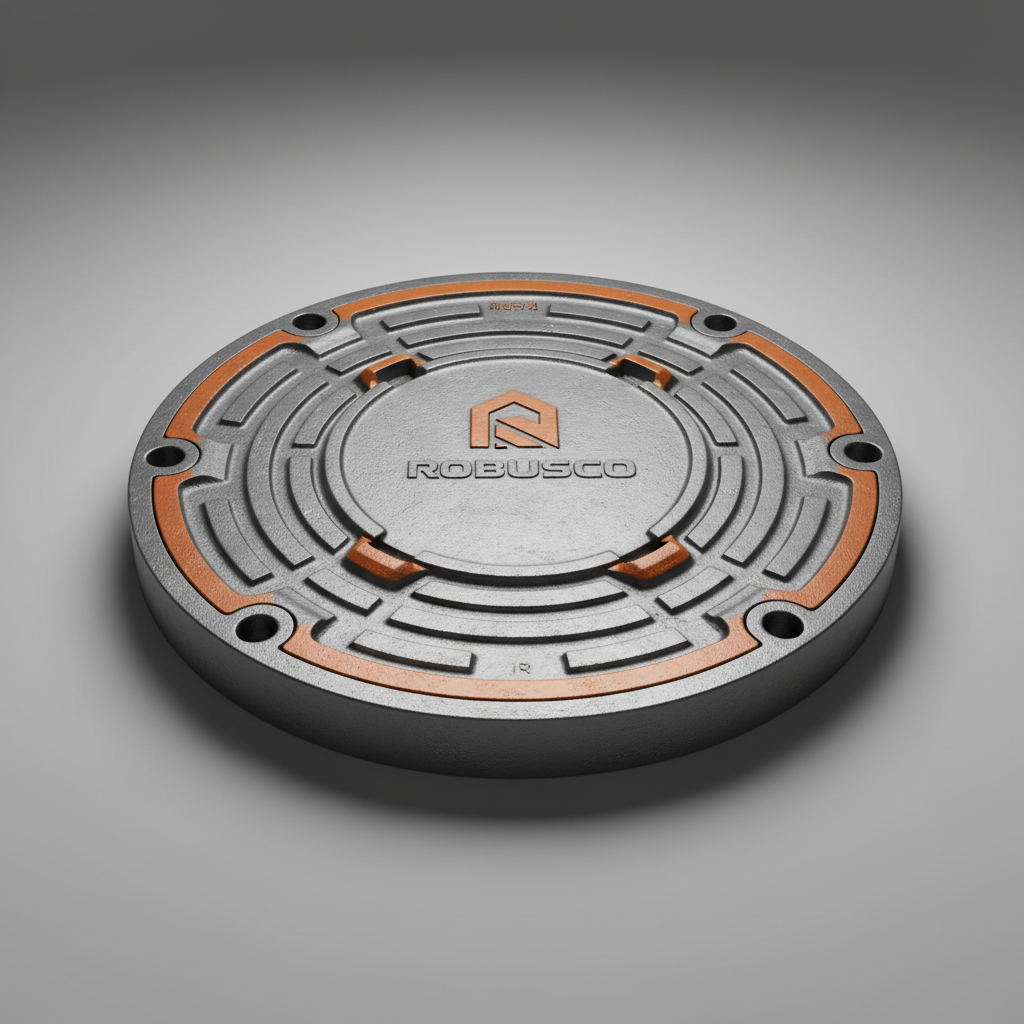
Vented manhole covers are essential components of modern infrastructure, quietly ensuring public safety and efficient wastewater management systems worldwide. These seemingly simple structures play a crucial role in preventing the buildup of hazardous gases beneath streets, parks, and industrial areas. Understanding the design, materials, and application of vented manhole covers is paramount for civil engineers, urban planners, and anyone involved in maintaining public spaces.
Globally, the demand for robust and reliable manhole covers is consistently high, driven by urbanization, aging infrastructure, and stringent safety regulations. The World Bank estimates that trillions of dollars will be needed to upgrade global infrastructure in the coming decades, with a significant portion allocated to water and sanitation systems. A key element of these upgrades is utilizing appropriately vented manhole covers to mitigate risks associated with methane, hydrogen sulfide, and other harmful gases.
The increasing focus on sustainable urban development and the need to address climate change also contribute to the importance of properly designed vented manhole covers. Effective ventilation minimizes gas emissions, contributing to improved air quality and a safer environment for both workers and the public.
The Core Principles of vented manhole cover Design
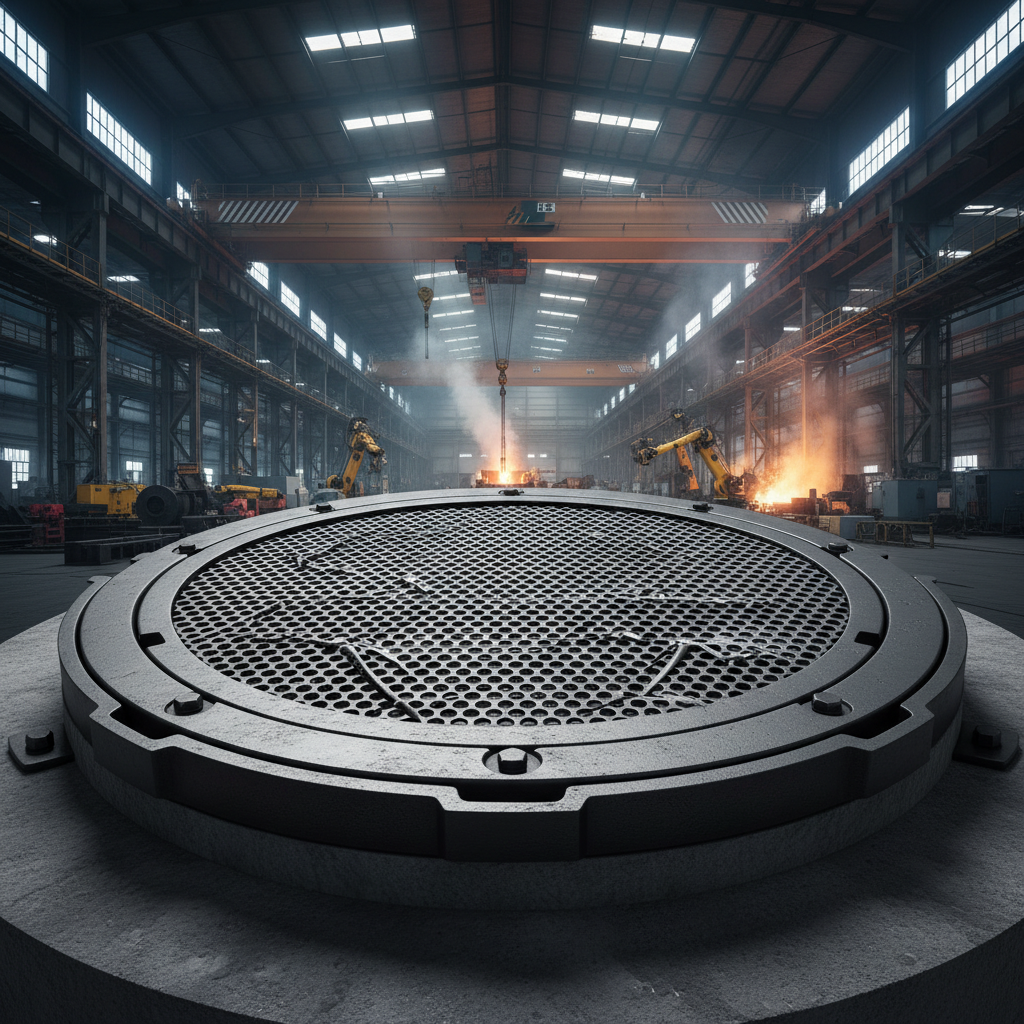
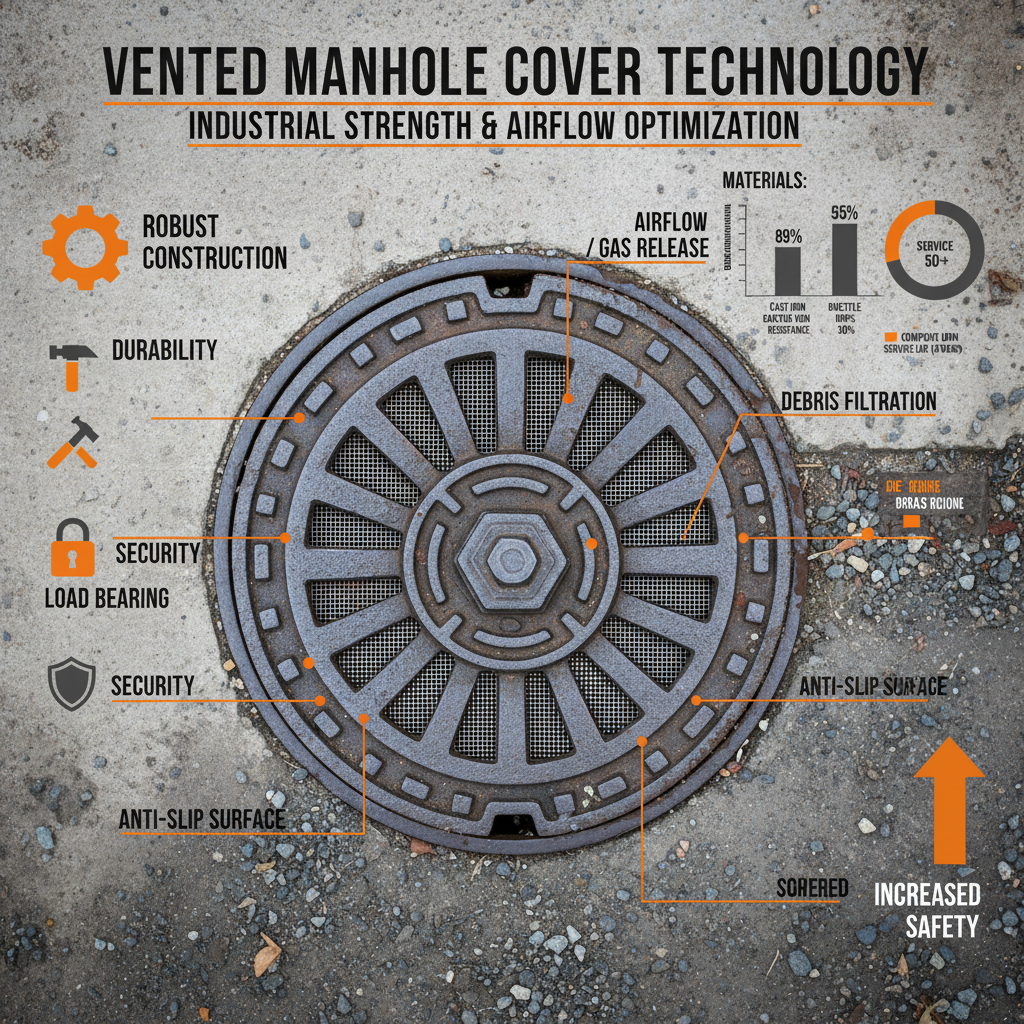
A well-designed vented manhole cover prioritizes gas ventilation while maintaining structural integrity and load-bearing capacity. The vent openings are strategically placed to allow for the natural convection of gases, preventing their accumulation and reducing the risk of explosions or asphyxiation. Consideration is also given to preventing rainwater ingress and debris blockage, which could compromise the ventilation system.
Key design factors include the size and number of vent openings, the material's permeability, and the overall geometry of the cover. Regulations often dictate minimum ventilation requirements, and engineers must adhere to these standards to ensure compliance and public safety.
The Global Impact of vented manhole cover Standards
International standards, such as those set by EN 124 (Europe) and ASTM A36 (USA), play a crucial role in ensuring the quality and performance of vented manhole covers. These standards specify material requirements, load-bearing capabilities, and testing procedures. Adherence to these standards promotes consistency and interoperability across different regions and manufacturers.
However, variations in local regulations and enforcement can lead to inconsistencies in the market. Some countries may have stricter requirements for ventilation, corrosion resistance, or locking mechanisms. Understanding these regional differences is essential for manufacturers and distributors operating in the global market.
The ISO (International Organization for Standardization) is continually working to harmonize standards related to infrastructure components, including manhole covers, to facilitate international trade and ensure a consistent level of safety and quality worldwide.
Material Science in vented manhole cover Manufacturing
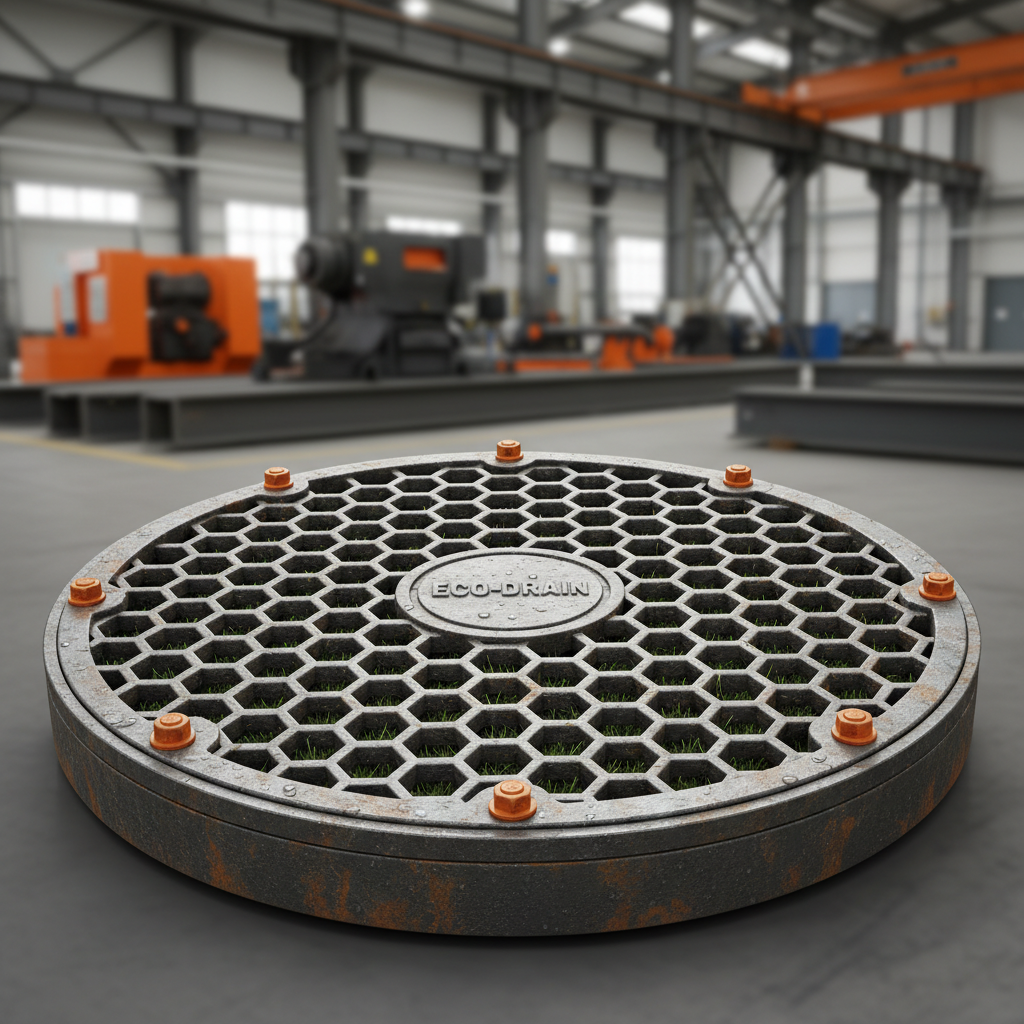
The choice of material significantly impacts the longevity, durability, and cost-effectiveness of vented manhole covers. Ductile iron is the most common material due to its high strength, impact resistance, and corrosion resistance. However, other materials, such as fiber-reinforced polymer composites (FRP) and stainless steel, are also used in specific applications.
FRP composites offer advantages in terms of weight reduction and corrosion resistance, making them ideal for harsh environments. Stainless steel provides exceptional durability and resistance to chemical attack, but is typically more expensive than ductile iron. The selection of the optimal material depends on factors such as the expected load, environmental conditions, and budget constraints.
Ongoing research focuses on developing new materials and coatings that further enhance the performance and lifespan of vented manhole covers. This includes exploring the use of advanced alloys, self-healing coatings, and environmentally friendly materials.
Performance Metrics for vented manhole cover Systems
Assessing the performance of vented manhole cover systems requires evaluating several key metrics, including load-bearing capacity, ventilation efficiency, corrosion resistance, and security features. Load-bearing capacity is typically tested according to EN 124 or ASTM standards, ensuring the cover can withstand the expected traffic loads.
Ventilation efficiency is often measured by assessing the rate of gas dissipation under simulated conditions. Corrosion resistance is evaluated through accelerated aging tests and exposure to various corrosive substances. Security features, such as locking mechanisms, are assessed to prevent unauthorized access and theft.
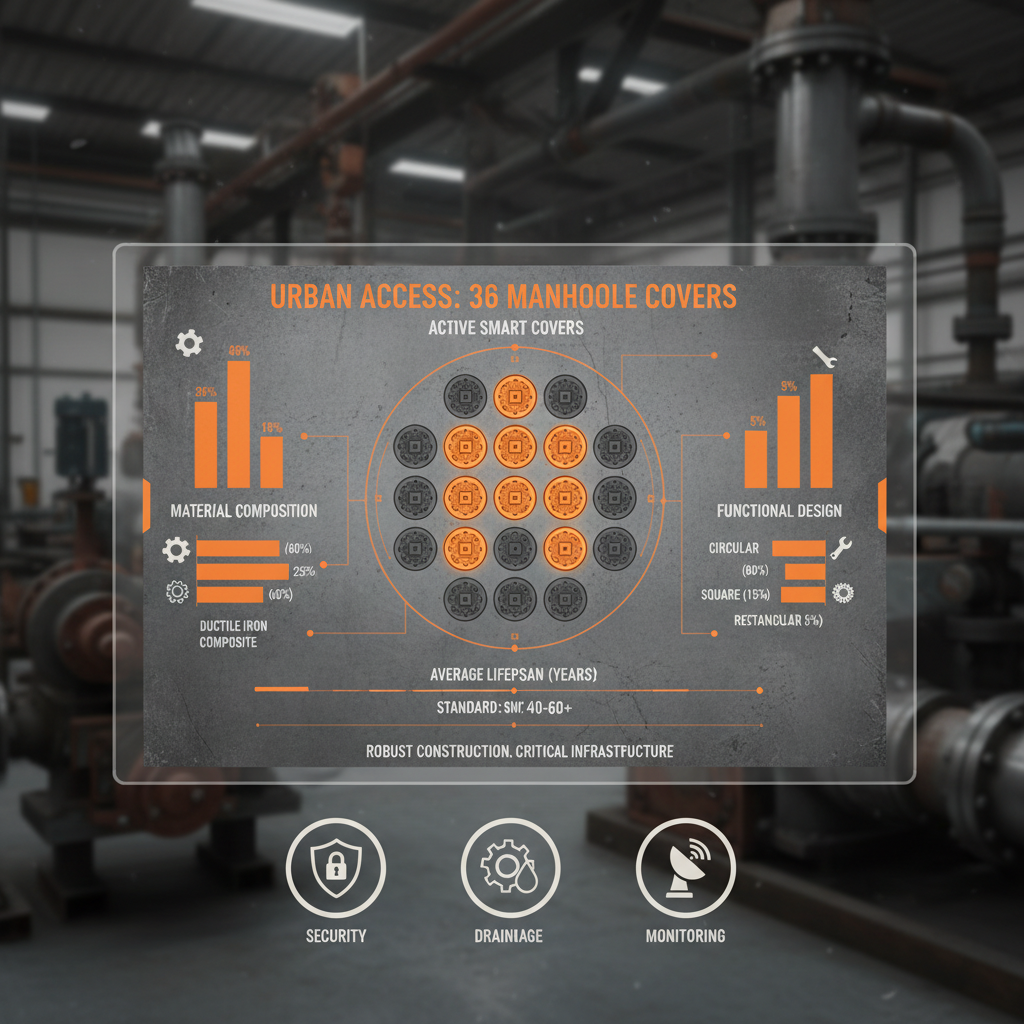
Vented Manhole Cover Performance by Method
Real-World Applications of vented manhole cover
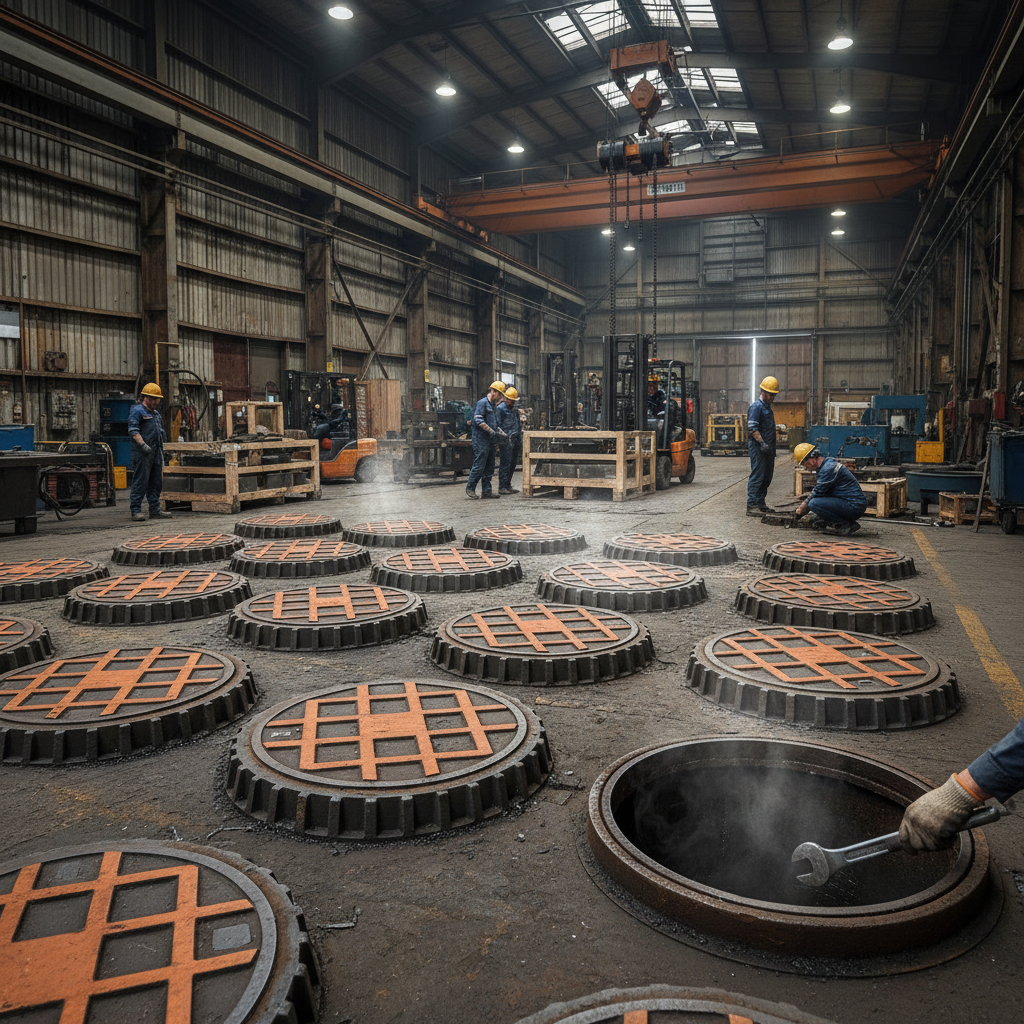
Vented manhole covers are essential in a wide range of applications, including wastewater treatment plants, sewer systems, stormwater drainage networks, and industrial facilities. In wastewater treatment plants, they prevent the buildup of hydrogen sulfide and methane, mitigating the risk of explosions and protecting worker safety.
In sewer systems, they ensure the efficient removal of harmful gases, maintaining air quality in surrounding areas. Industrial facilities often utilize vented manhole covers to manage emissions from chemical processes and prevent the accumulation of flammable or toxic vapors.
Long-Term Benefits and Cost Analysis of vented manhole cover
Investing in high-quality vented manhole covers offers significant long-term benefits, including reduced maintenance costs, improved safety, and enhanced environmental protection. While the initial cost may be higher than traditional solid covers, the reduced risk of gas-related incidents and the extended lifespan of the covers can result in substantial cost savings over time.
A comprehensive cost analysis should consider factors such as material costs, manufacturing expenses, installation fees, and ongoing maintenance requirements. Furthermore, the social and environmental benefits of improved safety and reduced emissions should also be factored into the equation.
Properly ventilated systems contribute to a healthier and safer working environment, reducing the risk of accidents and liabilities. They also help minimize environmental impact, demonstrating a commitment to sustainability and responsible infrastructure management.
Future Trends and Innovations in vented manhole cover Technology
The future of vented manhole cover technology is focused on incorporating smart sensors, advanced materials, and automated monitoring systems. Smart manhole covers equipped with gas sensors can provide real-time data on gas levels, allowing for proactive maintenance and early detection of potential hazards.
Advanced materials, such as self-healing polymers and graphene-enhanced composites, are being developed to further enhance durability and corrosion resistance. Automated monitoring systems can remotely track the condition of manhole covers, identifying signs of wear and tear or structural damage.
These innovations will contribute to more efficient, reliable, and sustainable infrastructure management, ensuring the long-term safety and integrity of our urban environments.
Summary of Factors Influencing vented manhole cover Longevity
| Material Composition |
Environmental Exposure |
Loading Frequency |
Maintenance Schedule |
| Ductile Iron (85-95%) |
Moderate Salinity |
Medium Traffic (50-100 vehicles/day) |
Annual Inspection & Cleaning |
| FRP Composite (90-98%) |
High Chemical Resistance |
Light Traffic (10-30 vehicles/day) |
Bi-Annual Inspection |
| Stainless Steel (95-99%) |
Extreme Corrosion Environments |
Heavy Traffic (100+ vehicles/day) |
Quarterly Inspection & Coating Check |
| Alloyed Cast Iron (75-85%) |
Variable (Urban/Industrial) |
Low Traffic (Under 10 vehicles/day) |
Semi-Annual Inspection & Repainting |
| Polymer Concrete (80-90%) |
Mild Climate |
Pedestrian Only |
Annual Pressure Wash |
| Reinforced Concrete (70-80%) |
Moderate Humidity |
Mixed (Vehicles & Pedestrians) |
Scheduled Crack Repair |
FAQS
Vented manhole covers actively prevent the build-up of dangerous gases like methane and hydrogen sulfide, significantly reducing the risk of explosions and asphyxiation. Solid covers trap these gases, posing a severe safety hazard. Additionally, venting contributes to better air quality in surrounding areas and minimizes corrosion risks within the sewer or wastewater system. Proper ventilation is often mandated by safety regulations.
Regular inspections are crucial for ensuring the continued effectiveness of vented manhole covers. A minimum of annual inspections is recommended, with more frequent checks (quarterly or semi-annually) in harsh environments or areas with high gas production. Maintenance should include cleaning vent openings to prevent blockages, checking for corrosion or structural damage, and verifying the integrity of any locking mechanisms. Keeping records of inspections and maintenance is also recommended.
Ductile iron is the most prevalent material due to its strength, durability, and corrosion resistance. However, it’s relatively heavy. FRP composites offer lightweight solutions with excellent corrosion resistance but can be more expensive and may have lower load-bearing capacity. Stainless steel provides superior durability but is significantly costlier. The optimal choice depends on the specific application and budget constraints.
Yes, several standards and regulations exist. EN 124 (Europe) and ASTM A36 (USA) specify material requirements and load-bearing capabilities. Local building codes and safety regulations may also impose specific requirements regarding ventilation rates, locking mechanisms, and inspection protocols. Compliance with these standards is essential for ensuring safety and legal compliance.
Regular cleaning of the vent openings is the most effective way to prevent blockages. Consider installing debris screens or filters over the vents to capture larger particles. In areas prone to debris accumulation, more frequent cleaning may be necessary. Additionally, ensure proper landscaping around manholes to minimize the buildup of leaves, branches, and other materials.
The lifespan of a vented manhole cover varies depending on the material and environmental conditions. Ductile iron covers can last for 50 years or more with proper maintenance. FRP composites typically have a lifespan of 20-30 years, while stainless steel covers can potentially last for centuries. Regular inspection, cleaning, and timely repairs are crucial for maximizing the lifespan of any manhole cover.
Conclusion
In conclusion, vented manhole covers represent a critical, yet often overlooked, component of modern infrastructure. They safeguard public health and safety by mitigating the risks associated with hazardous gas accumulation, ensuring the efficient operation of essential services like wastewater management. Understanding the design principles, material science, and performance metrics associated with these covers is crucial for engineers, urban planners, and anyone involved in maintaining the urban environment.
Looking ahead, the integration of smart technologies and advanced materials promises to further enhance the functionality and longevity of vented manhole covers. Investing in quality, properly maintained covers is not merely a matter of compliance; it’s a commitment to a safer, more sustainable, and more resilient future for our communities. For reliable and innovative solutions, visit our website: www.hbyqmetal.com.