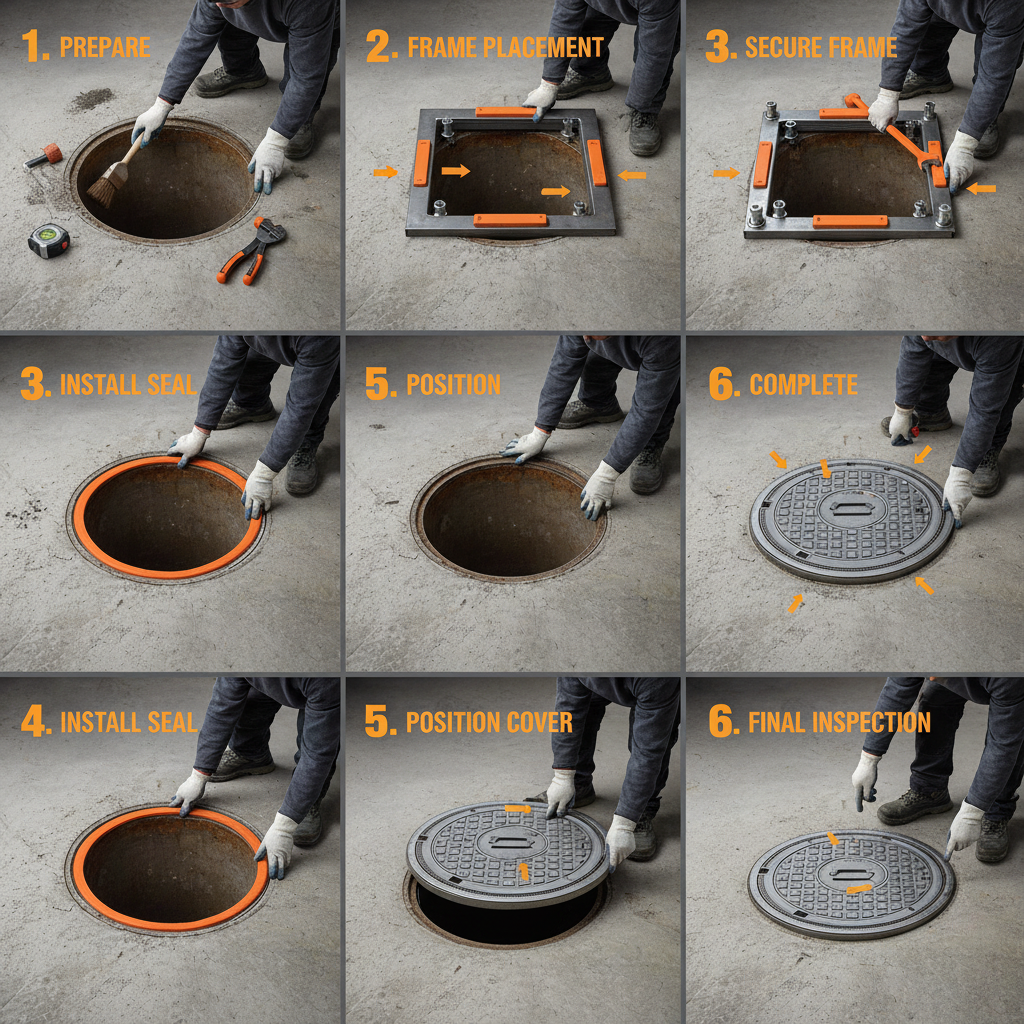
36 manhole cover are essential components of modern infrastructure, playing a critical role in ensuring safe and efficient access to underground utilities. These robust covers protect workers and the public from potential hazards while facilitating maintenance and inspection of vital systems like sewers, telecommunications, and water networks. Globally, the demand for durable and reliable manhole covers is constantly increasing due to rapid urbanization and the expansion of underground infrastructure networks. Understanding the materials, manufacturing processes, and safety standards surrounding 36 manhole cover is therefore paramount for engineers, urban planners, and construction professionals.
The global manhole cover market is a significant industry, estimated to be worth billions of dollars and continuing to grow. This growth is driven by infrastructural development in emerging economies, coupled with a growing need to replace aging infrastructure in developed nations. Standardization efforts, like those by ISO and ASTM, are increasingly important to ensure interoperability and safety across different regions. A major challenge in this sector is addressing issues of theft and vandalism, leading to the development of innovative locking mechanisms and materials designed to deter illicit removal of 36 manhole cover.
Investing in high-quality 36 manhole cover offers long-term cost savings through reduced maintenance, increased safety, and extended lifespan. Furthermore, selecting environmentally responsible materials and manufacturing processes contributes to sustainable infrastructure development. A proactive approach to manhole cover selection and maintenance is crucial for protecting public safety, preserving vital underground utilities, and building resilient urban environments. You can find quality solutions at 36 manhole cover.
Introduction to 36 Manhole Cover
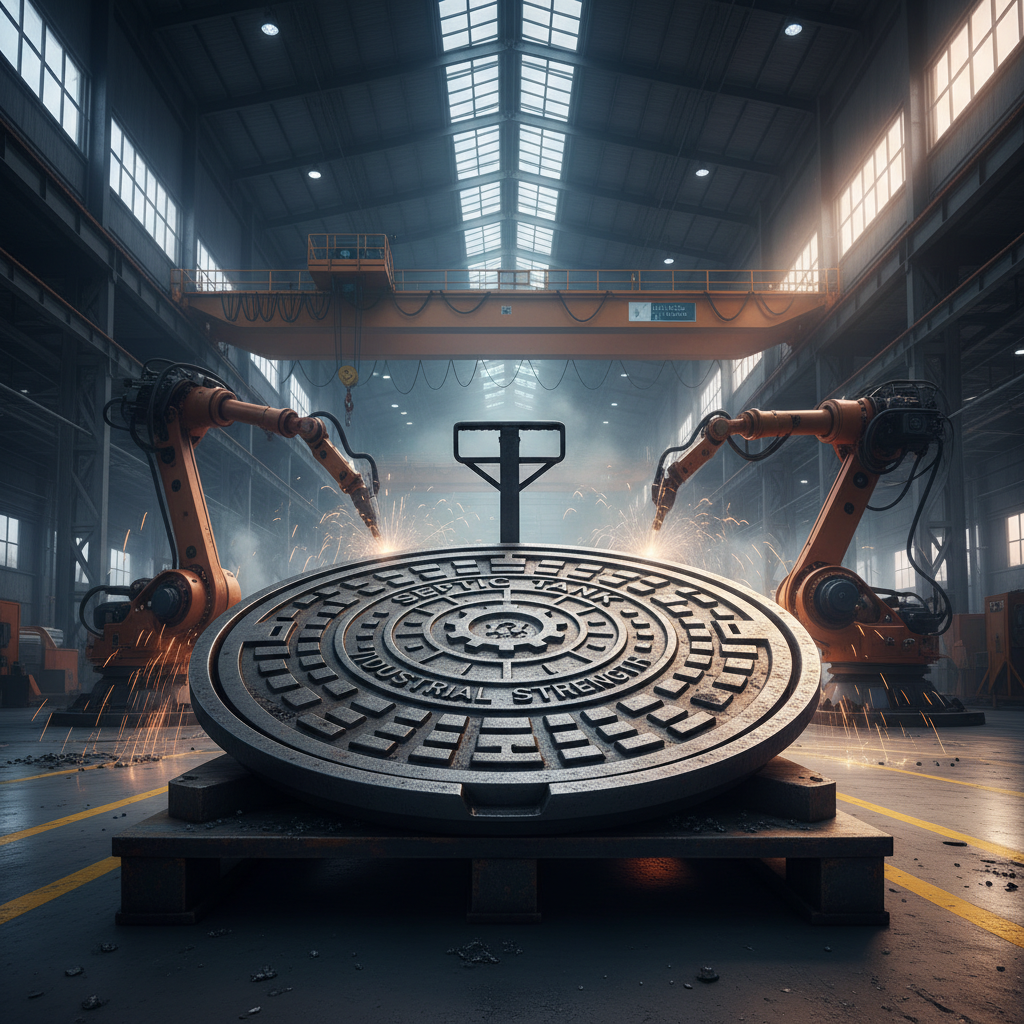
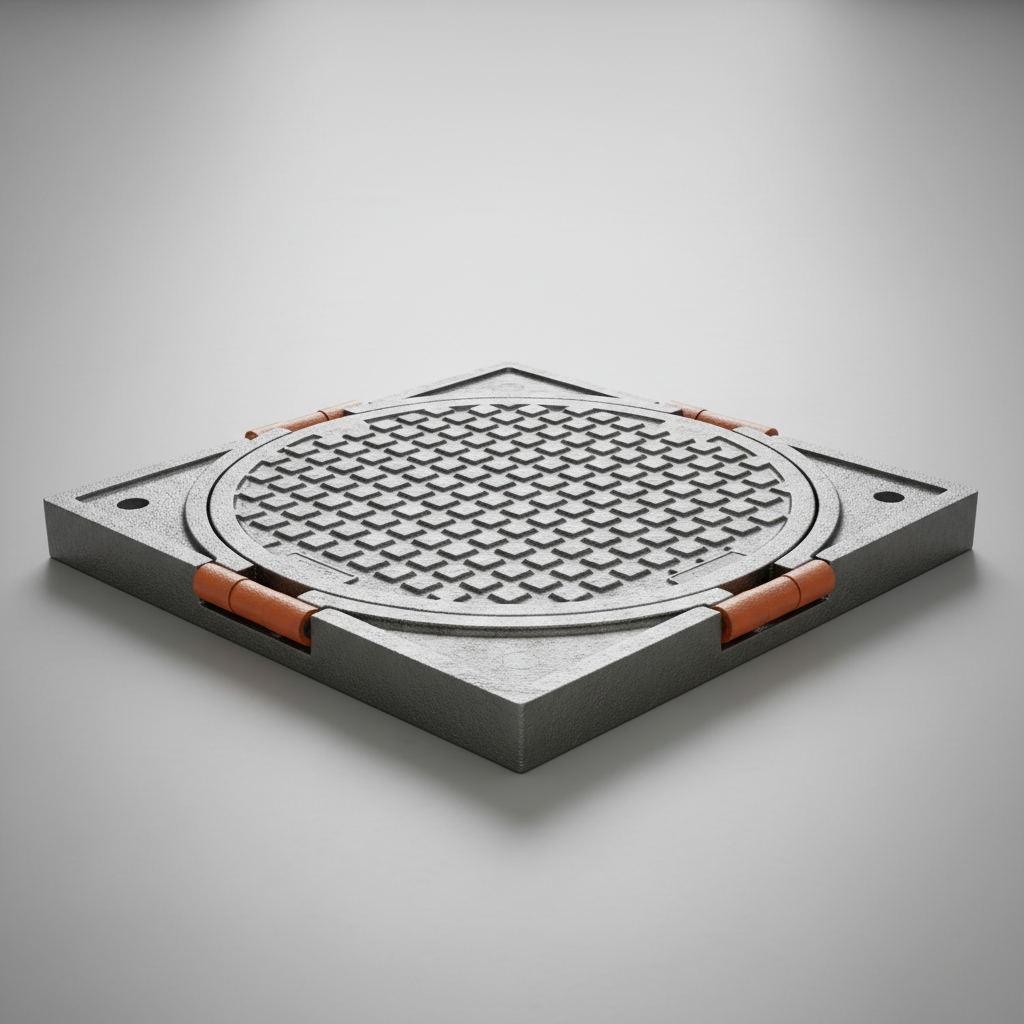
36 manhole cover, typically circular or rectangular, are designed to provide secure access to underground infrastructure. Their size and weight are critical factors, dictated by the expected load and safety regulations. The manufacturing process involves precision casting or molding, often utilizing materials like ductile iron, composite polymers, or concrete. Modern 36 manhole cover designs prioritize durability, safety, and resistance to corrosion, addressing the challenges posed by varying environmental conditions.
These covers are integral to maintaining the functionality of essential services and preventing accidents. A compromised or missing manhole cover poses a significant safety hazard, potentially leading to injuries or damage to underground utilities. Proper installation and regular inspection are crucial for ensuring the continued integrity and performance of 36 manhole cover systems. Selecting the correct cover for a specific application is paramount, considering factors like traffic volume, environmental conditions, and the type of underground infrastructure being protected.
Defining 36 Manhole Cover and its Relevance
A 36 manhole cover is a removable plate designed to cover the opening of a manhole, providing safe access to underground utilities. The ‘36’ often relates to a specific dimension or standard, although this can vary depending on the manufacturer and regional regulations. Manhole covers safeguard personnel and equipment from falling into the underground chamber and prevent unauthorized access or debris from entering the system. Their presence is a hallmark of well-maintained urban infrastructure.
These covers are directly linked to the functionality of modern cities and humanitarian needs. Without them, the maintenance and repair of essential utilities such as sewage systems, telecommunications networks, and water supplies would be significantly hindered. In developing countries, durable and reliable 36 manhole cover are vital for improving sanitation, public health, and overall quality of life.
The continued relevance of 36 manhole cover lies in their essential role in safeguarding public health and maintaining critical infrastructure. As cities grow and underground infrastructure expands, the demand for robust, safe, and reliable manhole covers will only continue to increase, making them an indispensable component of modern civilization.
Core Components and Material Science
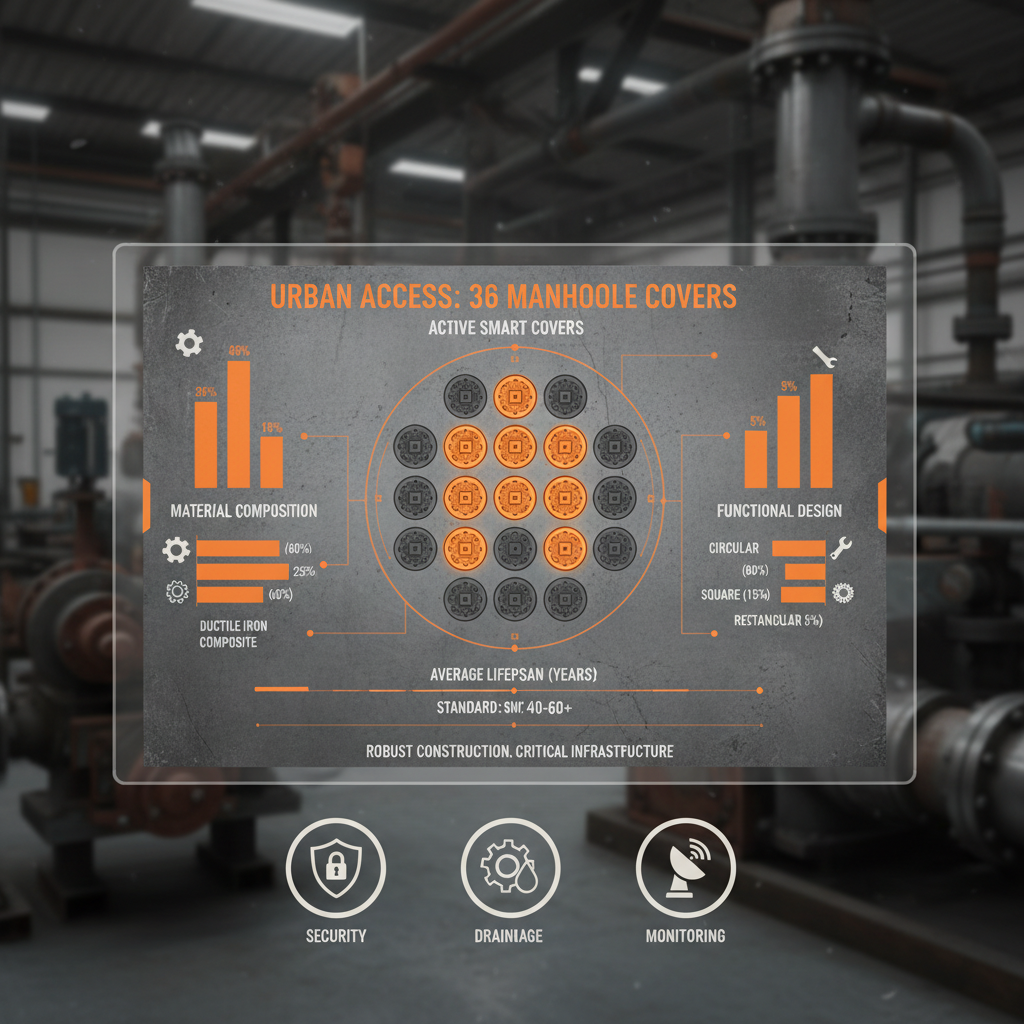
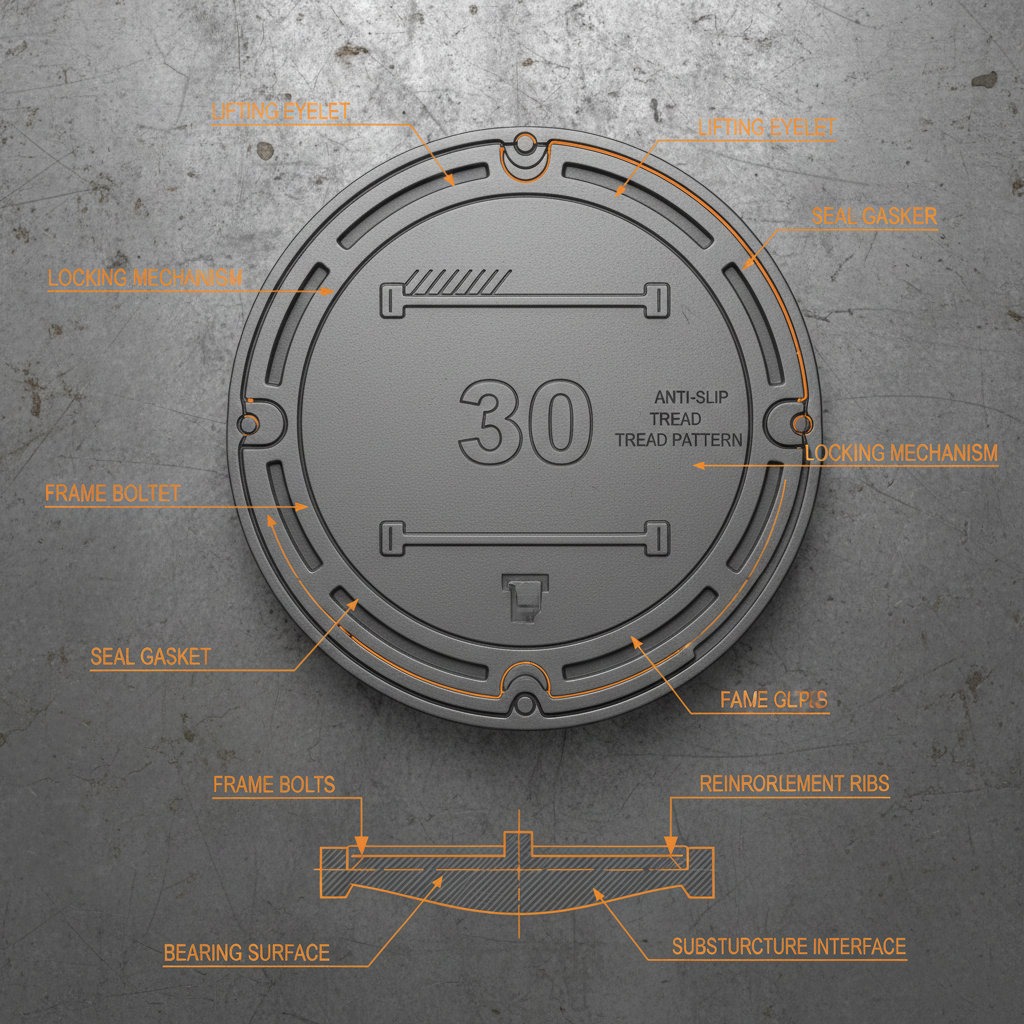
The fundamental components of a 36 manhole cover include the cover itself, a frame that sits flush with the surrounding ground, and often, a locking mechanism to prevent unauthorized removal. The material composition is critical, with ductile iron being a common choice due to its strength, durability, and corrosion resistance. Other materials such as composite polymers and concrete are also used depending on the application and budget.
The selection of materials for 36 manhole cover is dictated by a combination of factors, including load-bearing capacity, environmental conditions, and cost. Ductile iron offers excellent strength and resistance to impact, while composite materials provide lightweight options with good corrosion resistance. Concrete covers are often used in less demanding applications where cost is a primary concern. Material science advancements are continually improving the performance and lifespan of these covers.
Innovative coatings and alloys are being developed to further enhance the corrosion resistance of 36 manhole cover, particularly in harsh environments like coastal areas or industrial zones. Furthermore, research into self-healing materials could significantly extend the lifespan of these components, reducing maintenance costs and improving overall sustainability.
Key Performance Indicators of 36 Manhole Cover
Assessing the performance of 36 manhole cover relies on several key indicators, including load-bearing capacity, corrosion resistance, impact strength, and security against theft. Load-bearing capacity is typically measured in tons and must meet or exceed the expected traffic volume and weight. Corrosion resistance is vital, particularly in harsh environments, and is often evaluated through accelerated aging tests.
Security features, like specialized locking mechanisms, are increasingly important to prevent unauthorized removal and maintain the integrity of underground infrastructure. These indicators directly impact the lifespan, safety, and overall cost-effectiveness of 36 manhole cover systems.
36 Manhole Cover Performance Ratings
Global Applications and Deployment Scenarios
36 manhole cover are deployed globally in a wide range of settings, from bustling urban centers to remote industrial sites. They are essential components of wastewater management systems in cities like New York and London, as well as telecommunications networks in rural areas. In post-disaster relief operations, rapid access to underground utilities is critical, necessitating the use of durable and easily removable manhole covers.
Specifically, regions undergoing rapid urbanization in Asia and Africa are experiencing increased demand for 36 manhole cover to support the expansion of essential infrastructure. Industrial facilities, such as power plants and chemical processing plants, rely on manhole covers to provide safe access to underground piping and electrical systems. The deployment strategies often vary based on local regulations, environmental conditions, and budgetary constraints.
Advantages and Long-Term Sustainability
Investing in high-quality 36 manhole cover offers numerous advantages, including enhanced safety, reduced maintenance costs, and extended lifespan. Durable materials like ductile iron minimize the risk of breakage and corrosion, reducing the frequency of replacements. Secure locking mechanisms deter theft and vandalism, protecting valuable infrastructure assets.
From a sustainability perspective, choosing environmentally responsible materials and manufacturing processes can significantly reduce the carbon footprint of 36 manhole cover systems. Extending the lifespan of these components through proper maintenance and material selection minimizes waste and conserves resources. A long-term perspective on 36 manhole cover investment contributes to resilient and sustainable urban infrastructure.
Future Trends and Innovation in 36 Manhole Cover
Future trends in 36 manhole cover technology focus on incorporating smart features, advanced materials, and improved security measures. Smart manhole covers equipped with sensors can monitor the condition of underground utilities, detecting leaks or blockages in real-time. These sensors can also provide data on traffic volume and environmental conditions.
Research into self-healing materials could revolutionize the longevity and resilience of 36 manhole cover, reducing the need for costly repairs and replacements. Furthermore, the integration of digital technologies, such as blockchain, can enhance traceability and security, preventing theft and ensuring authenticity.
The implementation of 3D printing techniques may also enable the production of customized 36 manhole cover tailored to specific applications, reducing waste and optimizing performance. These innovations promise to improve the efficiency, sustainability, and safety of underground infrastructure systems.
Challenges and Solutions
Despite advancements, challenges remain in the 36 manhole cover sector. Theft and vandalism are persistent issues, particularly in urban areas. Corrosion, especially in harsh environments, can significantly reduce lifespan. Additionally, ensuring compliance with evolving safety regulations and standards presents ongoing challenges for manufacturers and installers.
Solutions include the development of more robust locking mechanisms, utilizing advanced composite materials with enhanced corrosion resistance, and implementing stricter quality control measures. Investing in smart manhole covers with remote monitoring capabilities can also help deter theft and provide early warning of potential problems.
Collaborative efforts between manufacturers, government agencies, and infrastructure operators are crucial for addressing these challenges and ensuring the long-term reliability and safety of 36 manhole cover systems.
Summary of Challenges and Solutions in 36 Manhole Cover Implementation
| Challenge |
Severity (1-10) |
Potential Solution |
Implementation Cost (1-10) |
| Theft & Vandalism |
8 |
Smart Locks & GPS Tracking |
7 |
| Corrosion in Harsh Environments |
9 |
Advanced Composite Materials & Coatings |
6 |
| Compliance with Evolving Regulations |
7 |
Regular Standards Updates & Certification |
4 |
| High Replacement Costs |
6 |
Durable Materials & Proactive Maintenance |
5 |
| Load Capacity Limitations |
5 |
Optimized Design & Material Selection |
6 |
| Lack of Real-time Monitoring |
4 |
Sensor Integration & Data Analytics |
8 |
FAQs
Ductile iron is the most prevalent material due to its strength and corrosion resistance. However, composite polymers, concrete, and steel are also employed depending on the application and budget constraints. Composite materials offer advantages in terms of weight and corrosion resistance, while concrete is a cost-effective option for less demanding environments. The choice of material significantly impacts the lifespan and performance of the 36 manhole cover.
The load rating should be determined based on the anticipated traffic volume and weight on the surface above the manhole. Consider factors like pedestrian traffic, vehicular traffic (including heavy trucks and buses), and potential impacts from construction equipment. Consult local regulations and industry standards to ensure compliance. Always select a cover with a load rating that exceeds the expected load to provide a safety margin.
Employing secure locking mechanisms is crucial for preventing theft. Consider using specialized bolts, tamper-proof screws, or even GPS tracking devices embedded within the cover. Increasing community awareness and reporting suspicious activity can also deter theft. Regularly inspect manhole covers to identify and replace any missing or damaged locking components. Collaboration with local law enforcement is also beneficial.
Regular inspection and maintenance are paramount. Clean the covers periodically to remove debris and prevent corrosion. Apply protective coatings to mitigate the effects of harsh environmental conditions. Promptly repair any damage, such as cracks or chipped paint. Ensure proper installation to prevent stress and wear. Selecting high-quality materials initially will also contribute to a longer lifespan.
Several exciting technologies are emerging, including smart manhole covers equipped with sensors for monitoring underground utilities, self-healing materials that can repair minor damage autonomously, and 3D printing for customized cover designs. These innovations promise to enhance the safety, efficiency, and sustainability of underground infrastructure systems. Digital technologies like blockchain are also being explored to improve traceability and security.
Consider the material's recyclability and carbon footprint. Ductile iron is often recyclable, and composite materials can be produced with lower environmental impact compared to traditional materials. Prioritize manufacturers who employ sustainable manufacturing processes and minimize waste. Selecting a durable cover that requires less frequent replacement also contributes to environmental sustainability by reducing resource consumption.
Conclusion
In conclusion, 36 manhole cover are indispensable components of modern infrastructure, vital for ensuring public safety, protecting underground utilities, and supporting sustainable urban development. Their durability, load-bearing capacity, and resistance to corrosion are key factors influencing their performance and longevity. Advancements in materials science and smart technologies are poised to further enhance their functionality and efficiency.
Investing in high-quality 36 manhole cover and implementing proactive maintenance strategies is crucial for maximizing their lifespan and minimizing costs. Continued innovation, coupled with adherence to safety regulations and environmental standards, will ensure that these essential components continue to play a critical role in building resilient and sustainable communities. For reliable and durable 36 manhole cover solutions, visit our website: www.hbyqmetal.com.