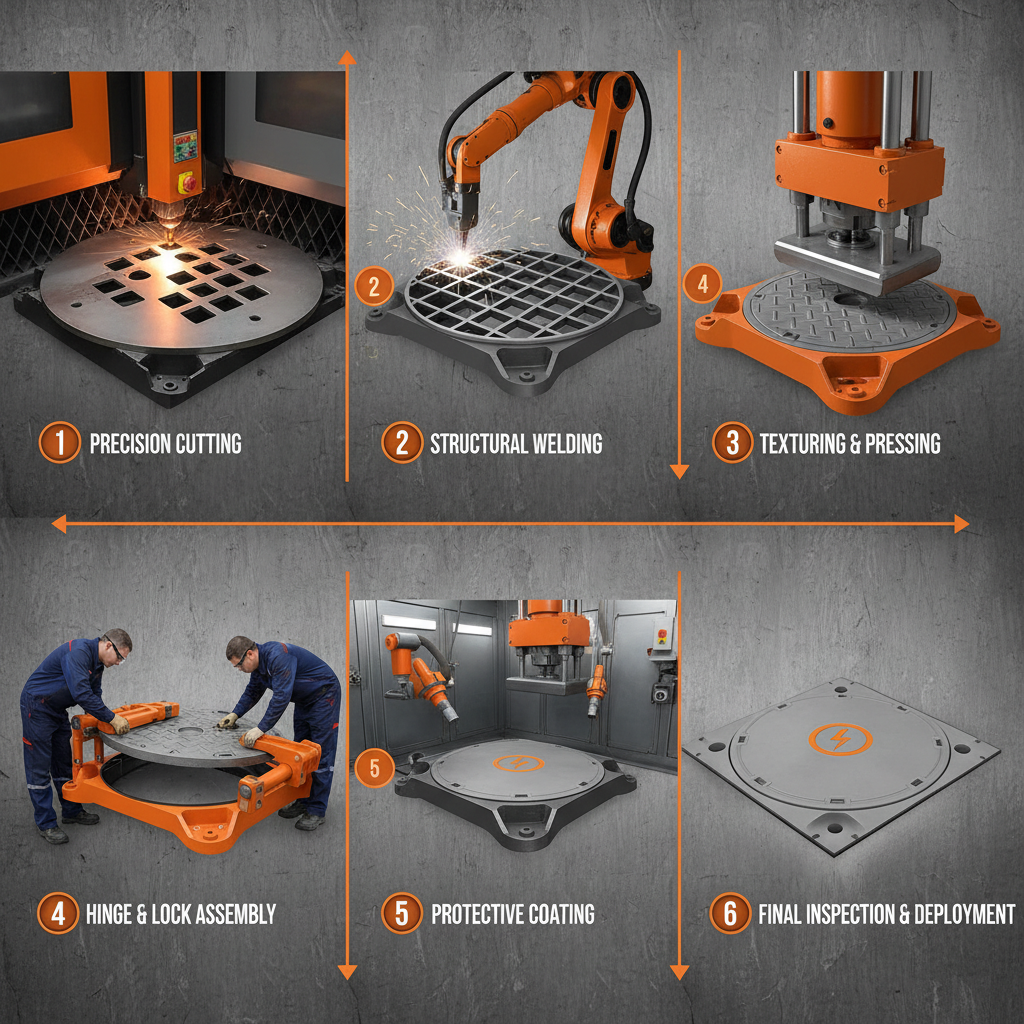
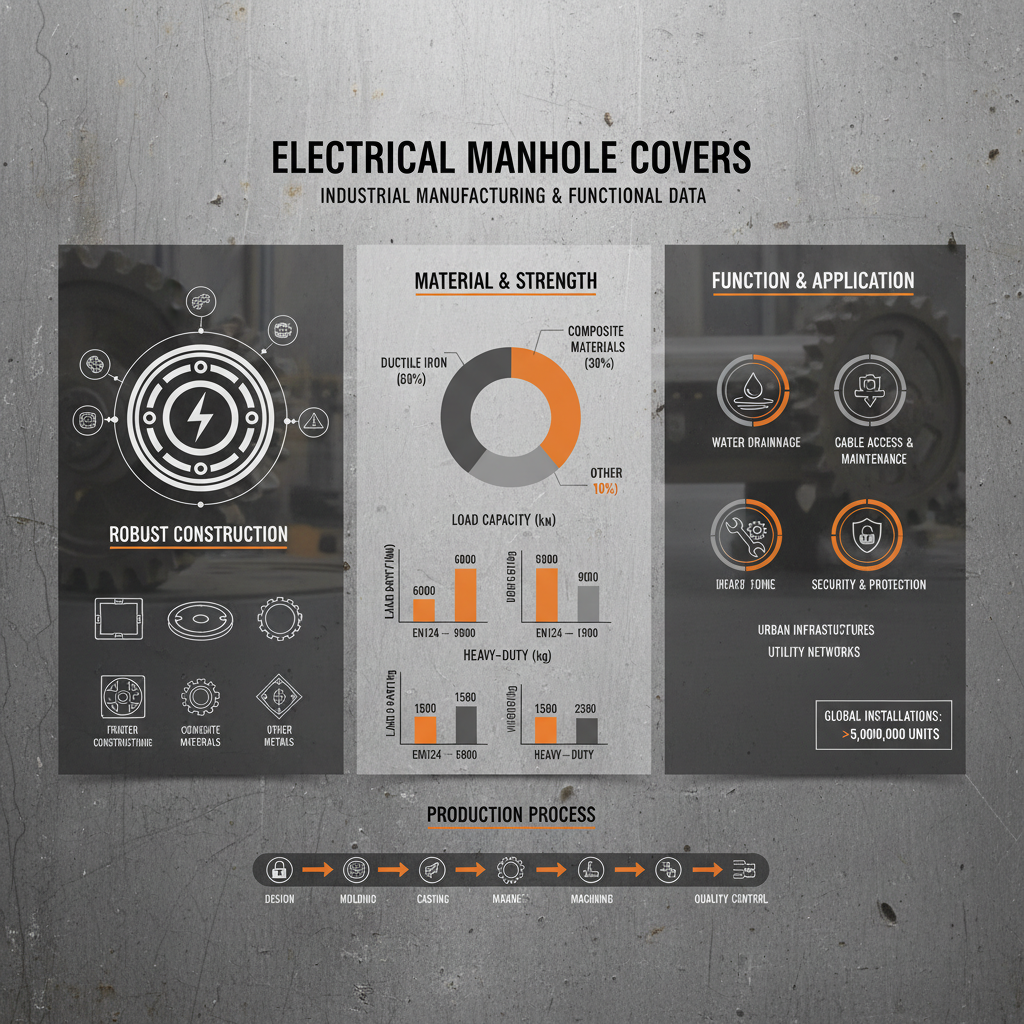
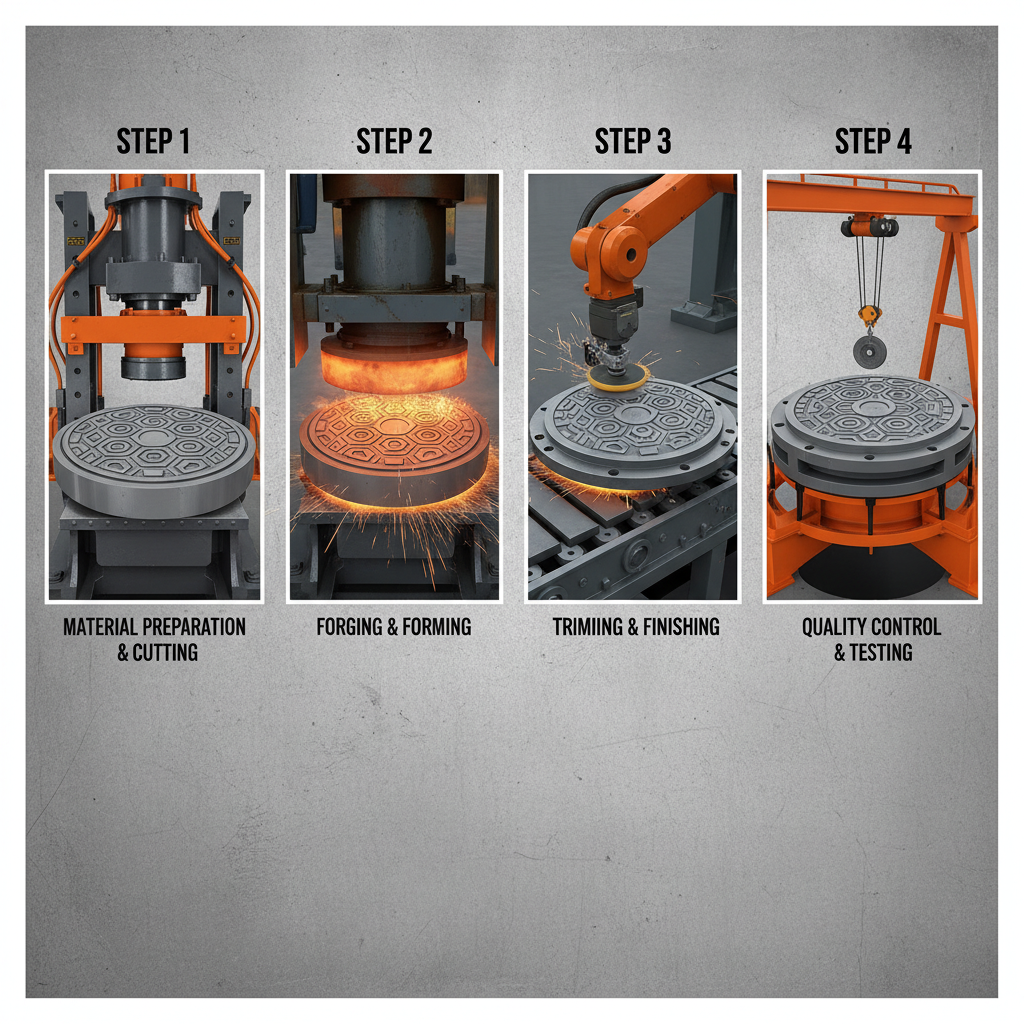
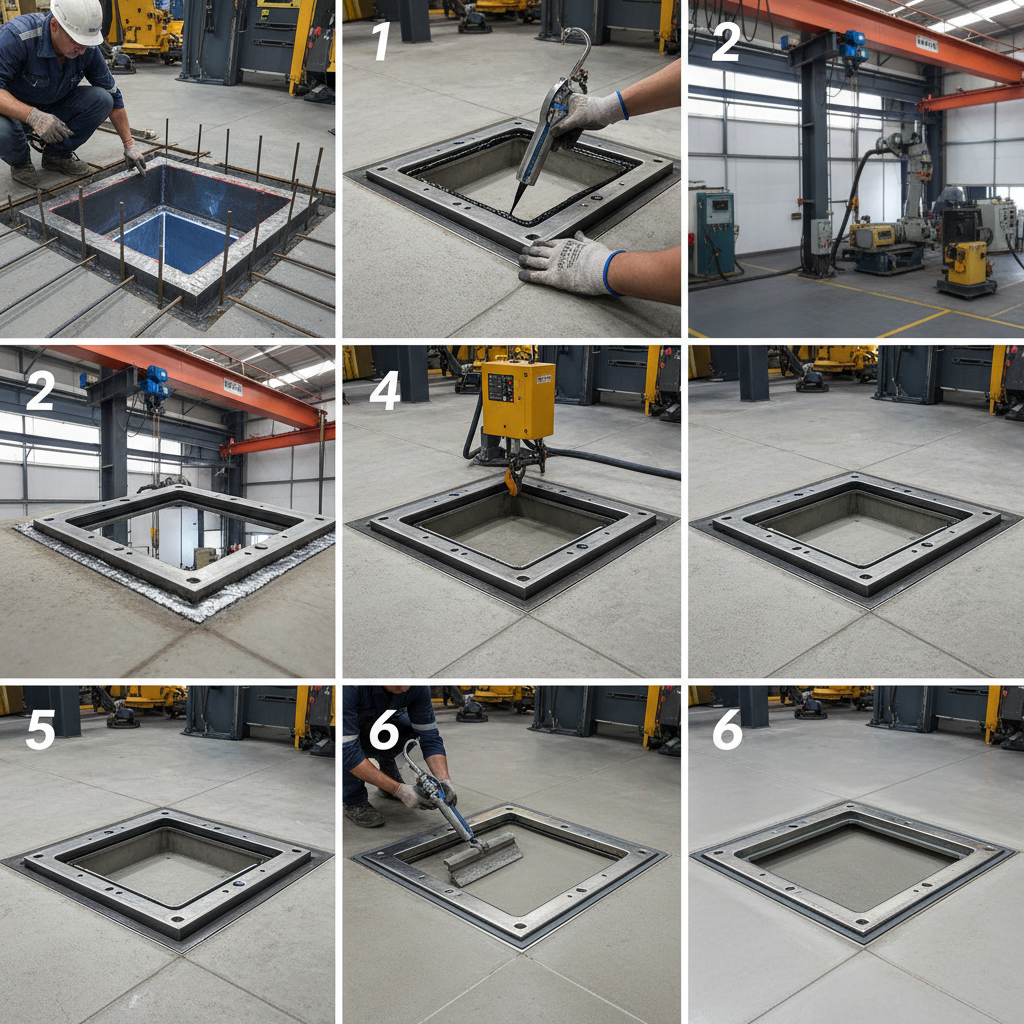
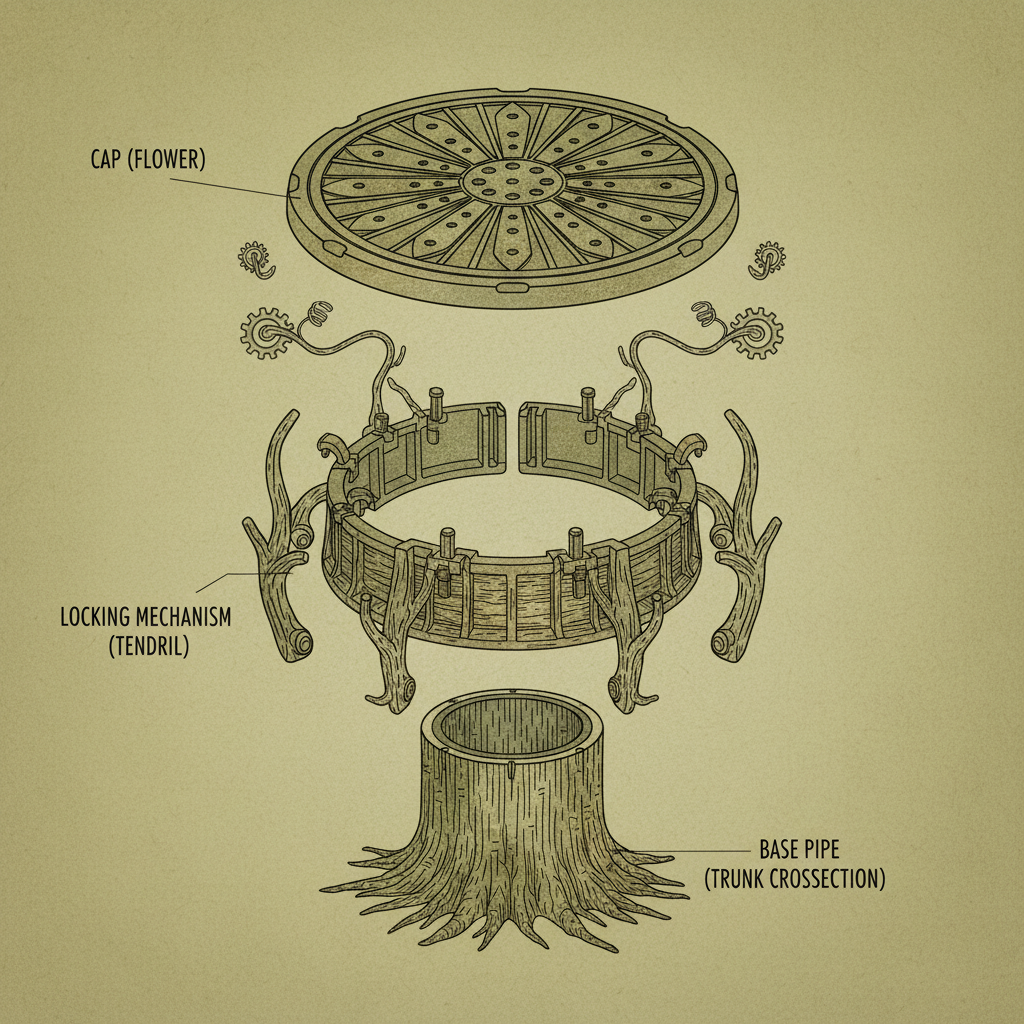
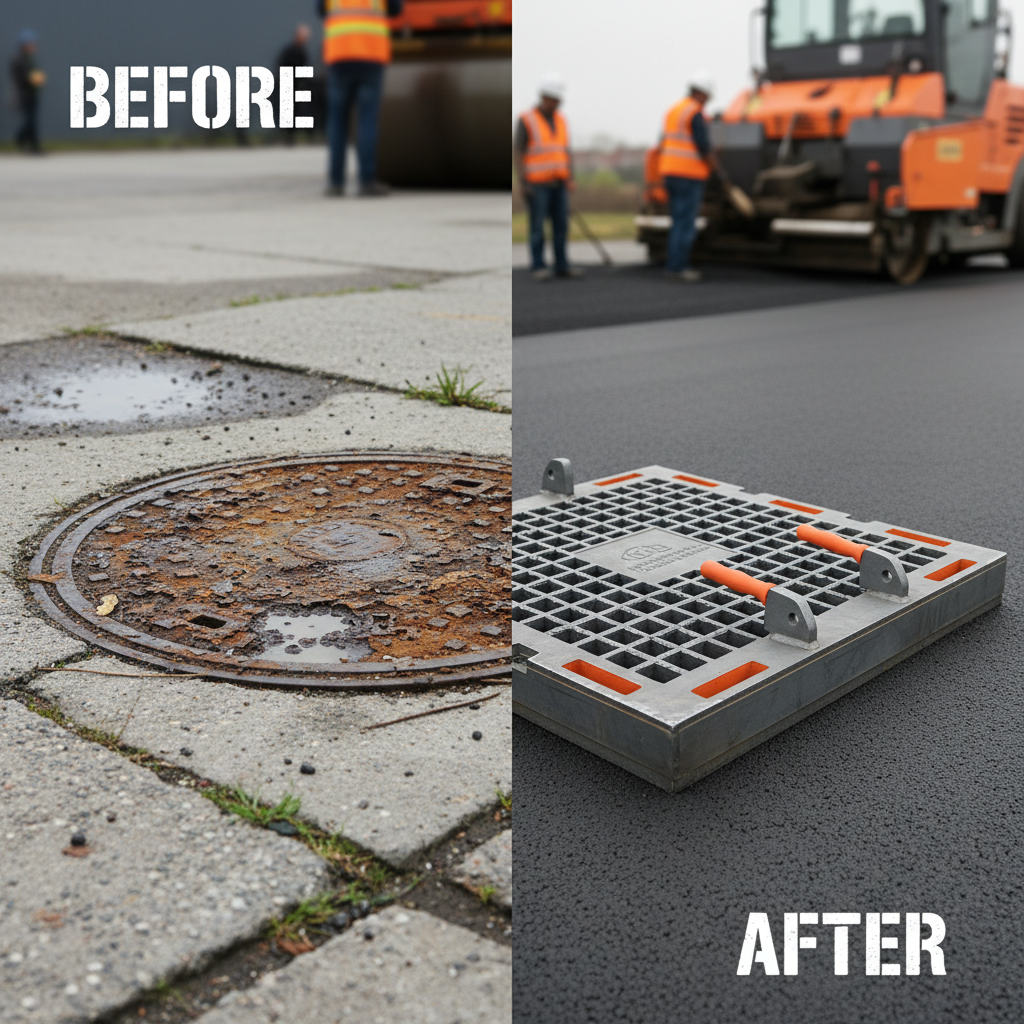
In the complex landscape of urban infrastructure, the reliability of power distribution depends heavily on the protection of subterranean assets. High-quality electrical manhole covers serve as the critical interface between the surface world and the sensitive cabling beneath, ensuring that electricity continues to flow without interruption. By shielding vital connections from environmental degradation and unauthorized access, these components act as the first line of defense for city grids.
Beyond mere physical protection, the engineering behind modern utility access points has evolved to address the rigorous demands of increasing traffic loads and harsh weather patterns. The integration of advanced materials—ranging from ductile iron to reinforced composites—allows these systems to withstand immense pressure while remaining lightweight enough for maintenance crews to manage. Understanding the specifications of these covers is essential for engineers aiming to minimize downtime and maximize public safety.
Ultimately, investing in superior electrical manhole covers is not just a matter of compliance, but a strategic decision for long-term urban resilience. As cities move toward "Smart City" integration, the role of the manhole cover is expanding from a static lid to a modular gateway that supports fiber optics and advanced power sensors. This guide explores the technical nuances, global standards, and innovative trends shaping the future of electrical utility access.
Global Relevance and Industry Context of Electrical Manhole Covers
On a global scale, the stability of power grids is a cornerstone of economic productivity. According to standards aligned with ISO and international electrical commissions, the failure of access points can lead to catastrophic cable damage, resulting in millions of dollars in lost revenue and potential hazards to pedestrians. As urbanization accelerates in Southeast Asia and Africa, the demand for standardized electrical manhole covers has surged to prevent grid instability and ensure rapid maintenance access.
The primary challenge facing modern municipalities is the aging of legacy infrastructure. Many existing covers were not designed for the weight of modern electric vehicles (EVs) or the intensity of current urban traffic. This gap in engineering creates a risk of structural collapse or "popping" under pressure, necessitating a global shift toward high-load capacity castings that meet modern EN 124 load-bearing classifications.
Definition and Technical Meaning of Utility Access Systems
At its simplest, electrical manhole covers are heavy-duty lids designed to seal the entry points of underground electrical vaults. Unlike standard sewage covers, electrical versions must often incorporate specific features such as non-conductivity, airtight sealing to prevent water ingress, and locking mechanisms to deter theft or vandalism of high-value copper cabling.
In the context of modern industry, these components are more than just "lids"; they are critical safety barriers. They must facilitate the transition between the high-pressure environment of the roadway and the sensitive, low-oxygen, or high-voltage environment of the utility vault. This intersection requires a precise balance of material strength and environmental sealing.
From a humanitarian perspective, the reliable deployment of these covers in developing regions ensures that rural electrification projects remain sustainable. By preventing soil contamination and protecting cables from wildlife or accidental digging, these simple cast-iron or composite tools enable the safe delivery of power to hospitals, schools, and homes in remote areas.
Core Components and Engineering Factors for Durability
The durability of electrical manhole covers is primarily determined by material selection. Ductile iron is favored for its high tensile strength and ability to deform without fracturing, while composite materials are utilized in areas where corrosion resistance is paramount, such as coastal regions with high salinity.
Load-bearing capacity is the most critical technical parameter. Covers are typically rated by classes (e.g., A15 for pedestrians up to F900 for airport runways). For electrical grids, ensuring that the cover matches the specific traffic load of its location prevents catastrophic failure and ensures the longevity of the underground vault.
Beyond strength, precision fitting is essential to prevent "rocking," which can wear down the seating ring over time. High-precision casting techniques ensure that the lid fits snugly into the frame, reducing noise pollution in residential areas and preventing debris from falling into the electrical conduits.
Global Applications and Real-World Use Cases
In highly developed metropolitan areas like Tokyo or New York, electrical manhole covers are deployed in dense clusters to manage the massive data and power requirements of skyscrapers. Here, the focus is on "slim-profile" designs that do not obstruct pedestrian flow while providing maximum security against unauthorized entry.
Conversely, in remote industrial zones or mining operations, the application shifts toward extreme ruggedness. In these environments, covers must withstand heavy machinery, chemical spills, and extreme temperature fluctuations. For instance, in Arctic drilling sites, specialized thermal-break materials are used to prevent frost heave from displacing the manhole frames.
Comparative Performance of Electrical Manhole Covers Materials
Long-Term Value and Safety Advantages
The long-term value of high-grade electrical manhole covers is reflected in the reduction of Lifecycle Cost (LCC). While cheaper alternatives may lower initial procurement costs, the frequency of replacement and the risk of emergency repairs due to structural failure far outweigh the initial savings. A precision-engineered cover can last 30 to 50 years, providing a stable ROI for municipal governments.
From a safety and psychological angle, the reliability of these components fosters public trust. A securely sealed manhole eliminates the risk of pedestrians falling or vehicles losing control due to dislodged lids. Moreover, the use of anti-slip patterns on the surface ensures that even in rainy or icy conditions, the access point does not become a liability, blending safety with seamless urban functionality.
Future Trends and Digital Innovations in Casting
The industry is currently witnessing a transition toward "Intelligent Access." Future electrical manhole covers are being integrated with IoT sensors that can detect gas leaks, water flooding, or unauthorized lifting in real-time. These sensors transmit data to central monitoring hubs, allowing utility companies to perform predictive maintenance rather than reactive repairs.
Sustainability is also driving material innovation. The shift toward "Green Casting" involves using recycled scrap metal and low-carbon smelting processes to reduce the environmental footprint of production. We are seeing a rise in hybrid materials that combine the strength of steel with the lightweight, non-corrosive properties of advanced polymers.
Furthermore, digital twin technology is being used to model the stress points of manhole covers before they are cast. By using Finite Element Analysis (FEA), engineers can optimize the ribbing patterns on the underside of the cover, removing unnecessary material while increasing the load capacity, leading to more efficient and sustainable urban infrastructure.
Common Challenges and Expert Solutions
One of the most persistent challenges is "manhole theft," where valuable metal covers are stolen for scrap. To combat this, manufacturers are developing specialized locking mechanisms and switching to composite materials that have little to no scrap value but maintain the same structural integrity as ductile iron.
Water infiltration remains another critical issue, as moisture in electrical vaults can lead to short circuits and equipment corrosion. The expert solution lies in the implementation of high-performance elastomeric gaskets and double-seal frames that create a watertight barrier, effectively isolating the electrical components from the surface environment.
Finally, the problem of "noise pollution" caused by rattling covers in high-traffic areas is being solved through precision CNC machining of the seating surfaces. By ensuring a zero-tolerance fit between the frame and the lid, manufacturers can eliminate the rhythmic clicking sound that often plagues urban residential zones.
Technical Analysis of Electrical Manhole Cover Solutions
| Challenge Category |
Primary Risk |
Recommended Solution |
Effectiveness (1-10) |
| Material Theft |
Safety Hazards/Loss |
Composite Materials |
9 |
| Water Ingress |
Short Circuits |
EPDM Gasket Sealing |
10 |
| Structural Failure |
Road Collapse |
EN 124 Class D400+ |
9 |
| Corrosion |
Material Degradation |
Hot-Dip Galvanizing |
8 |
| Noise Pollution |
Urban Disturbance |
Precision CNC Machining |
7 |
| Unauthorized Access |
Grid Sabotage |
Security Locking Bolts |
9 |
FAQS
Electrical manhole covers are specifically engineered to protect electrical infrastructure. Unlike sewer covers, they often require higher precision sealing to prevent water ingress, non-conductive material options to enhance safety, and specialized security locking mechanisms to prevent theft of expensive underground cables. They are also designed to handle specific load ratings based on the urban environment they are placed in.
Load classes are determined by the intended location. Class A15 is suitable for pedestrian areas, B125 for driveways and parking lots, C250 for gully grates in road shoulders, and D400 for main carriage ways. For high-traffic industrial zones or airport runways, E600 or F900 ratings are required. Always consult the EN 124 standard to match the material strength with the expected vehicle weight.
While ductile iron offers superior raw compressive strength and longevity in heavy-duty industrial settings, high-grade composites are engineered to meet specific load ratings (like D400). Composites offer the advantage of being corrosion-proof and having no scrap value, making them ideal for coastal areas or regions prone to theft, while still providing sufficient structural support for most urban roads.
The most effective way is to use covers equipped with integrated EPDM or neoprene gaskets. These gaskets create a compression seal when the lid is closed, preventing surface runoff from entering the vault. Additionally, ensuring a precision-machined seating ring prevents gaps that typically allow water to seep through, thereby protecting the electrical equipment from moisture and corrosion.
Yes, modern manufacturing allows for the integration of sensor ports or the use of radio-transparent materials in composite covers. This enables the installation of IoT devices beneath the cover that can monitor vault temperature, humidity, or unauthorized opening events without requiring the cover to be removed for data transmission, facilitating a truly digital infrastructure.
A professional-grade ductile iron or high-performance composite cover typically lasts between 30 to 50 years, provided it is installed according to the load-class specifications. Factors that can reduce this lifespan include overloading beyond the rated capacity or extreme chemical exposure, which is why hot-dip galvanizing or composite selection is recommended for harsh environments.
Conclusion
In summary, electrical manhole covers are indispensable components of modern urban utility management. From the critical selection of ductile iron and composites to the adherence to international load-bearing standards, every engineering detail contributes to the overall stability of the power grid. By addressing challenges such as water ingress, material theft, and structural fatigue through innovative casting and smart technology, these covers ensure that the hidden arteries of our cities remain protected and accessible.
As we move toward a future of smarter, greener cities, the evolution of utility access will continue to merge metallurgy with digital innovation. We recommend that urban planners and electrical engineers prioritize lifecycle value over initial cost, opting for precision-engineered solutions that guarantee safety and reliability for decades. For high-quality, industry-compliant infrastructure solutions, we invite you to explore our full range of products. Visit our website: www.hbyqmetal.com