In the modern urban landscape, the integration of safety-critical infrastructure is paramount for maintaining public order and preventing accidental injuries. Among these critical components, non slip manhole covers ಸಂಖ್ಯೆ> play a vital role in reducing slip-and-fall accidents in high-traffic pedestrian zones and industrial environments. By combining structural strength with advanced surface textures, these covers ensure that utility access does not come at the cost of pedestrian safety.
From a global engineering perspective, the shift toward specialized anti-skid surfaces reflects a broader commitment to the "Vision Zero" approach to urban safety. Standard metal covers often become treacherous when wet or oily, creating significant liability for municipalities and facility managers. The adoption of engineered non slip manhole covers effectively mitigates these risks through the application of chequered plates, serrated edges, or composite coatings.
Understanding the technical nuances of slip resistance, material durability, and load-bearing capacity is essential for architects and city planners. This guide explores how the transition to high-friction surfaces transforms a simple utility lid into a proactive safety tool, ensuring long-term reliability in diverse climatic conditions while adhering to international safety standards.
Global Context and Safety Standards of Non Slip Manhole Covers
The global demand for non slip manhole covers has surged as cities worldwide implement more stringent safety protocols. According to ISO safety guidelines and regional urban planning standards, the friction coefficient of street furniture must be maintained at a level that prevents slips even under adverse weather conditions. In rainy climates or snowy regions, a standard smooth metal surface becomes a liability, leading to thousands of reported injuries annually.
Consequently, the manufacturing industry has shifted toward materials like ductile iron and galvanized steel treated with anti-skid patterns. This transition is not merely an aesthetic choice but a response to the global need for "inclusive design," ensuring that elderly citizens and people with mobility impairments can navigate city streets without fear. By integrating these safety features, municipalities reduce legal risks and enhance the overall quality of urban life.
Technical Definition and Engineering Meaning
In technical terms, non slip manhole covers are specialized access hatches designed with a high-coefficient of friction surface to prevent slippage. Unlike traditional covers, these are engineered with specific surface geometries—such as raised diamonds, ribs, or grit-embedded coatings—that break the surface tension of liquids (like water or oil), allowing for a secure grip between the footwear and the metal.
Beyond simple friction, the engineering meaning extends to the balance between "tread wear" and "grip." A surface that is too aggressive may cause trip hazards or damage tires, while one that is too smooth fails its primary safety purpose. Therefore, the design process involves rigorous testing of the Pendulum Test Value (PTV) to ensure the surface remains effective over years of abrasive wear from foot traffic and vehicle tires.
From a humanitarian and industrial perspective, these covers represent the intersection of utility and safety. In industrial zones where chemical spills are common, the anti-slip properties of these covers are the primary line of defense against workplace accidents, ensuring that maintenance crews can access subterranean valves and pipes safely regardless of the surface contamination.
Core Components of High-Traction Cover Systems
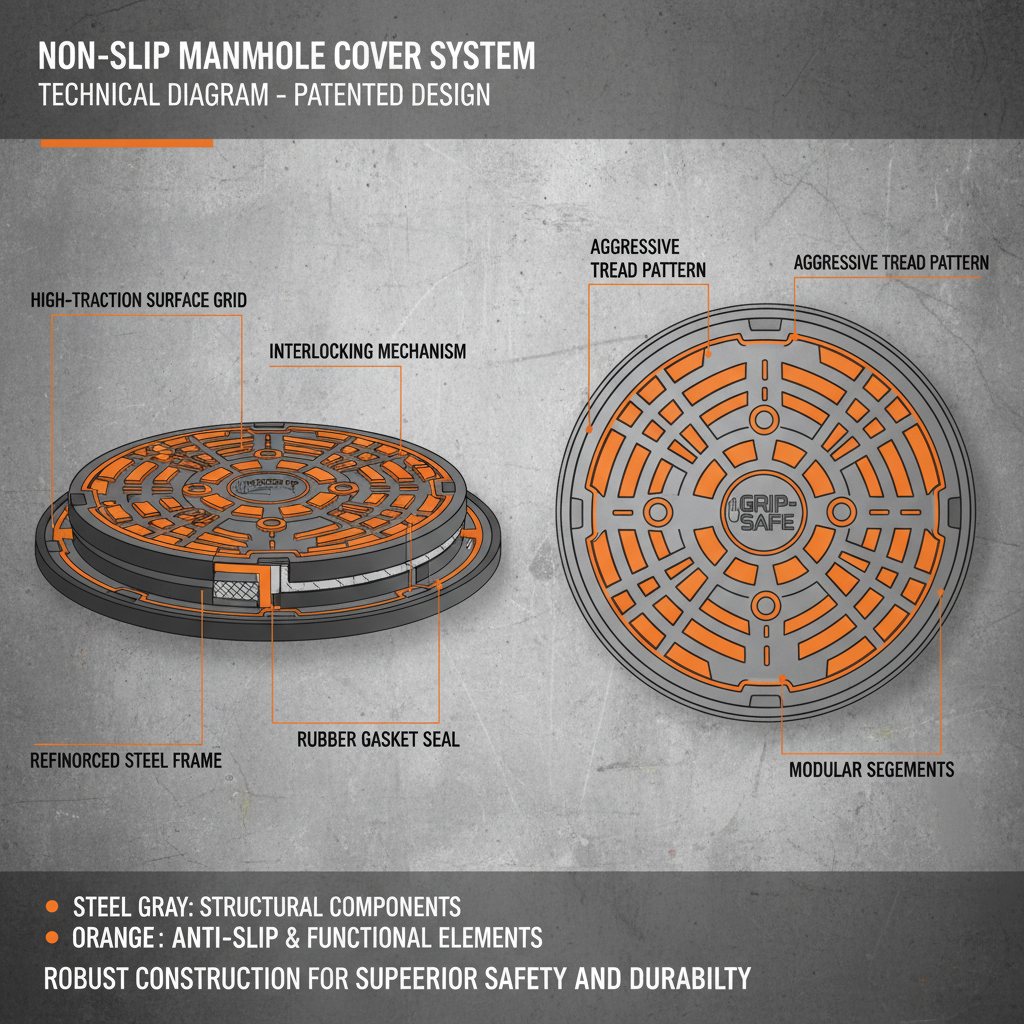
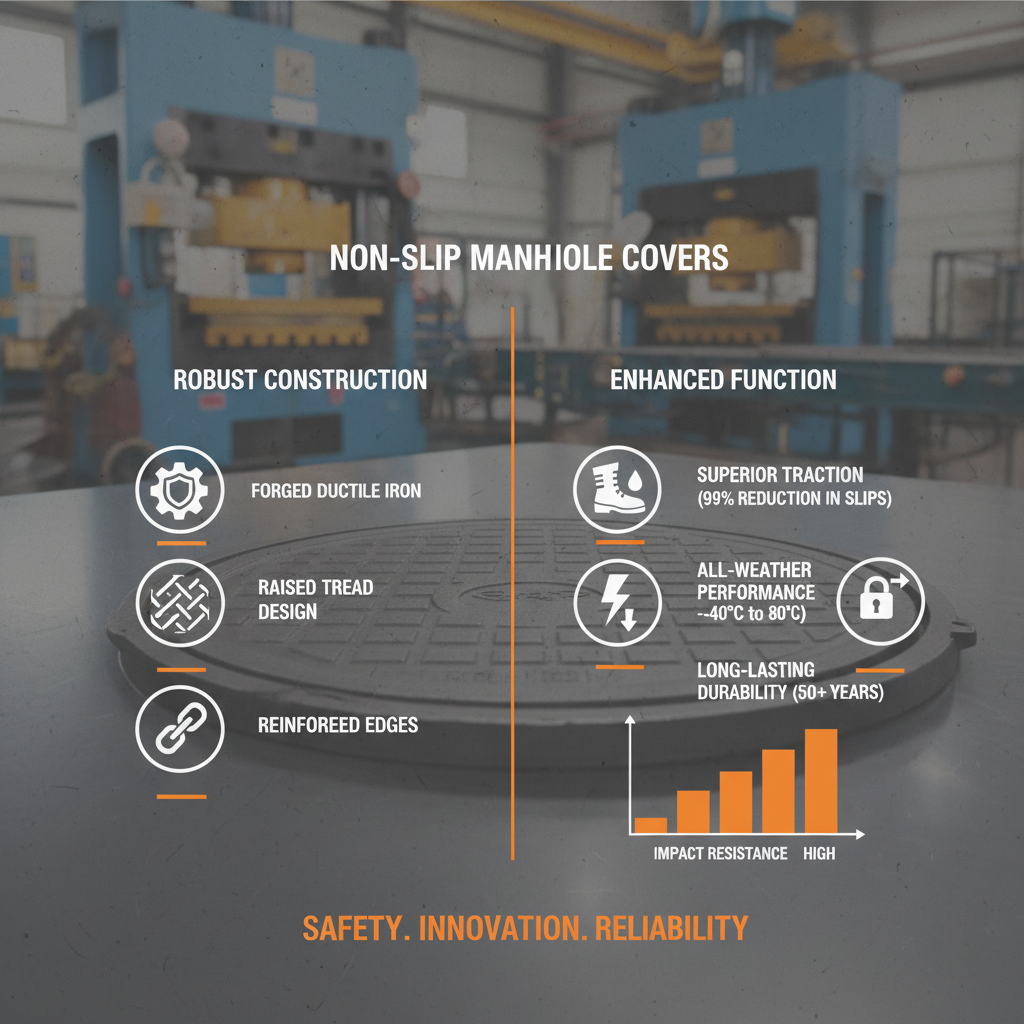
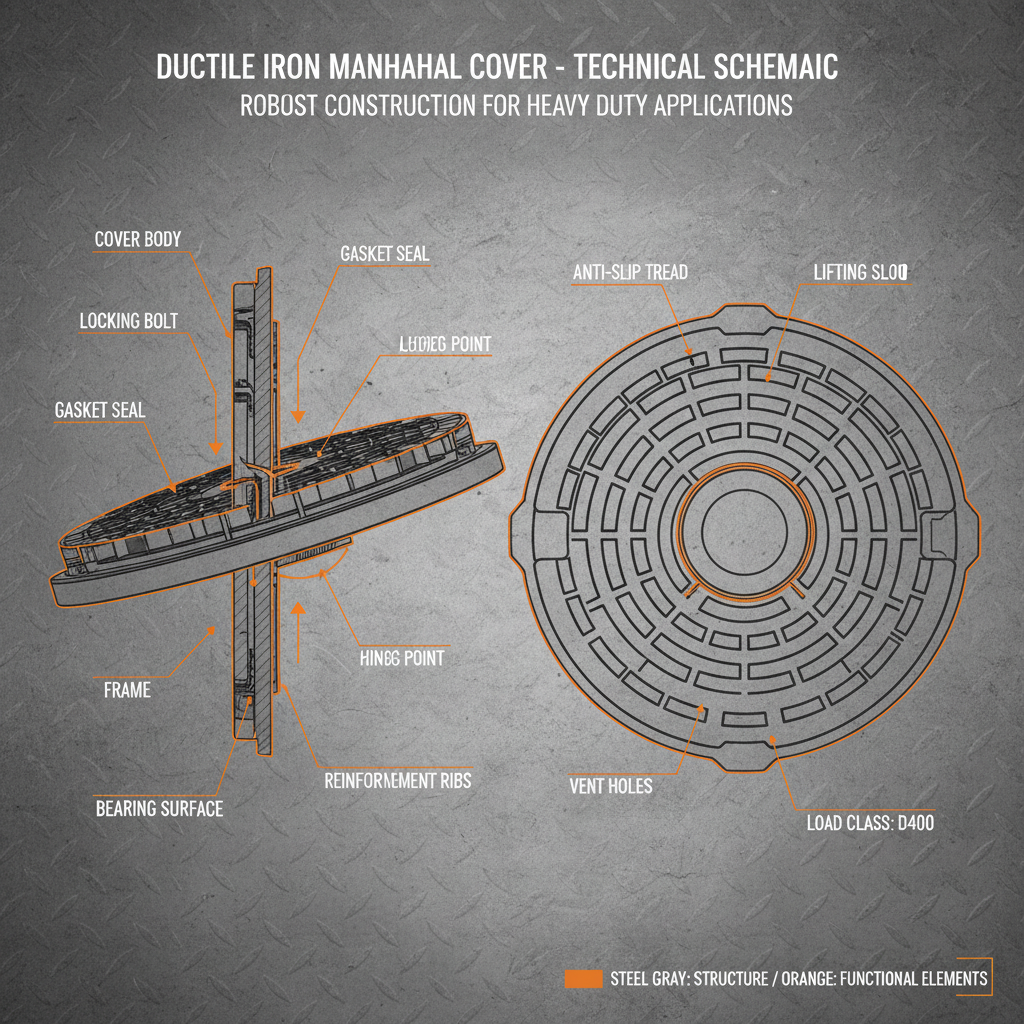
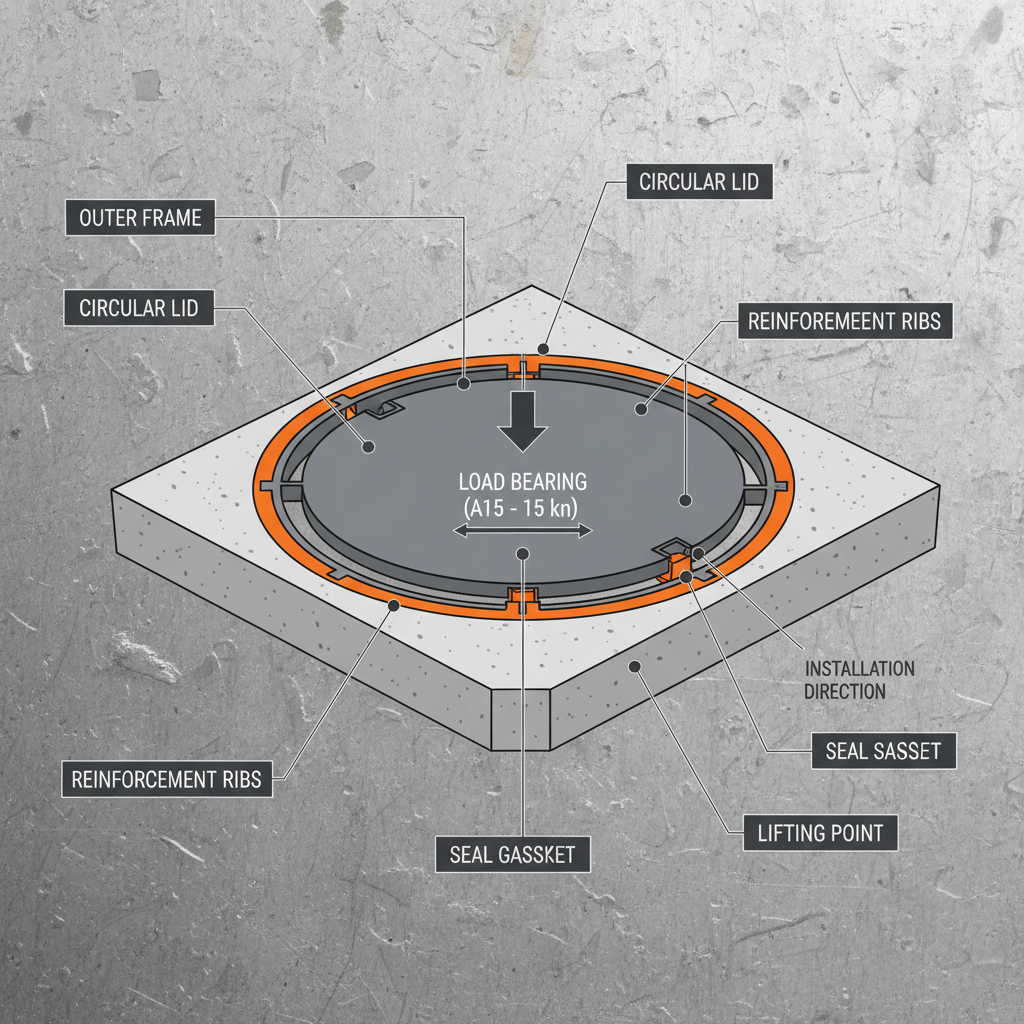
The durability of non slip manhole covers begins with the base material. Most high-performance covers utilize ductile iron or reinforced steel, which provides the necessary structural integrity to withstand heavy axle loads while offering a stable foundation for the anti-skid surface treatment.
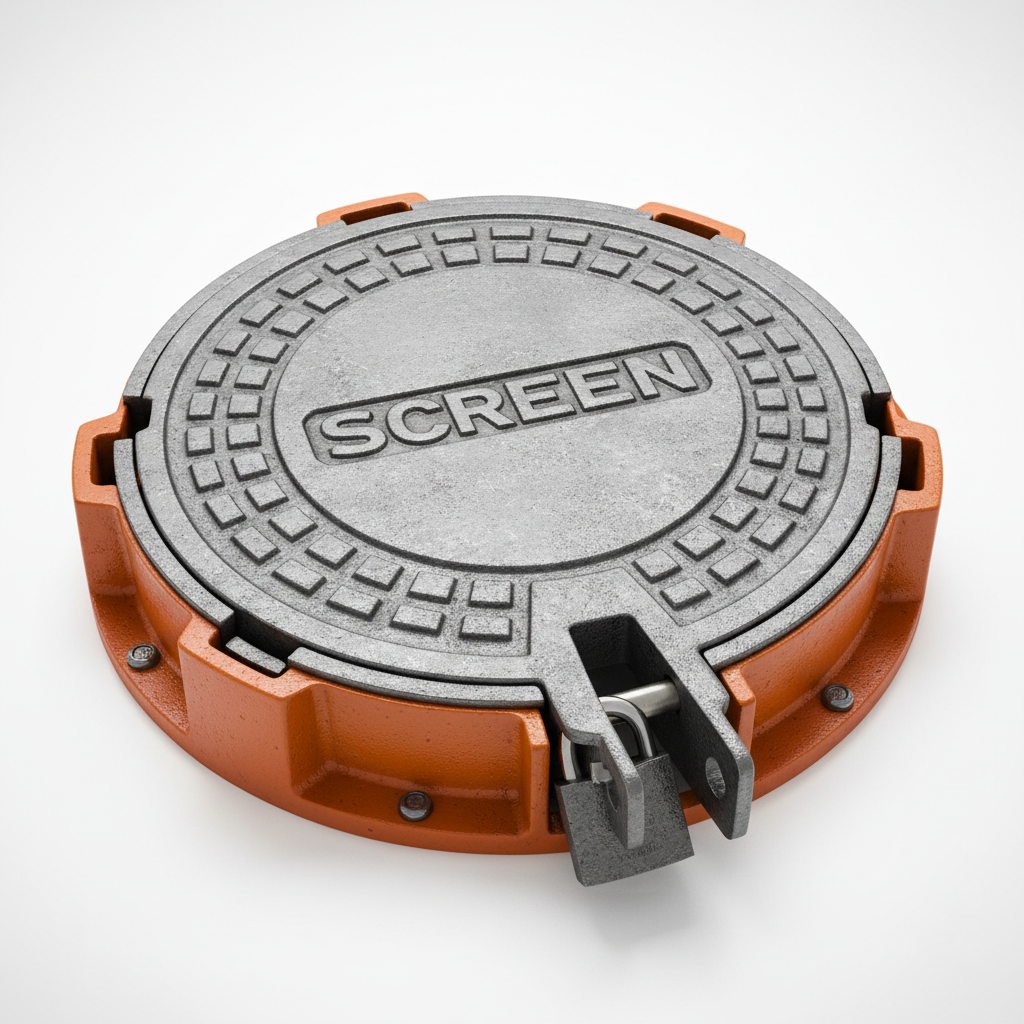
A critical component is the surface pattern geometry. Whether it is a "chequered" pattern or a specialized "serrated" profile, the goal is to maximize the contact area for friction. These patterns are often cast directly into the metal during the foundry process to ensure they do not peel or wear off as quickly as applied coatings.
Finally, the sealing mechanism and frame integration are essential. A non-slip cover is only effective if it sits flush with the surrounding pavement; any protrusion can create a trip hazard, negating the safety benefits of the anti-slip surface. Precise machining of the seating ring ensures a rattle-free fit and maintains a level walking surface.
Performance Metrics and Load Capacity Analysis
Evaluating the effectiveness of non slip manhole covers requires a dual-metric approach: the slip-resistance rating and the load-bearing class. Load classes (such as A15 for pedestrians to D400 for heavy traffic) dictate the thickness and alloy composition of the cover, while the friction rating determines its suitability for specific environmental hazards like ice or oil.
The synergy between these two metrics ensures that a cover doesn't just "stay put" under a truck, but also keeps a pedestrian safe during a winter storm. The following data illustrates the performance balance across different anti-slip methodologies.
Performance Comparison of Anti-Slip Surface Methods
Global Industrial Applications and Case Studies
The application of non slip manhole covers extends far beyond city sidewalks. In heavy industrial zones, such as oil refineries or chemical processing plants, these covers are indispensable. For instance, in facilities where lubricants are frequently handled, the use of serrated steel covers prevents catastrophic slips that could lead to worker injury or equipment damage.
In the public sector, many European cities have retrofitted their historic centers with high-friction covers to protect tourists walking on cobblestone streets during rain. These case studies show a marked decrease in municipal liability claims and an increase in pedestrian flow efficiency, proving that a small technical change in infrastructure can have a massive social and financial impact.
Long-Term Economic and Social Value
Investing in premium non slip manhole covers yields significant long-term economic returns. While the initial procurement cost may be slightly higher than smooth covers, the reduction in accident-related lawsuits and medical costs far outweighs the investment. For municipal budgets, this represents a shift from reactive spending (paying for damages) to proactive investment (preventing accidents).
Beyond the financial aspect, there is a profound social value. Safety in public spaces fosters trust between the citizen and the state. When a city ensures that its most basic infrastructure—like a manhole cover—is safe for a wheelchair user or an elderly person in the rain, it demonstrates a commitment to dignity and accessibility for all.
Furthermore, the use of sustainable materials in these covers, such as recycled ductile iron, aligns with global green building certifications. This allows developers to achieve LEED or BREEAM credits while simultaneously enhancing the safety profile of their projects, creating a win-win scenario for the environment and the end-user.
Future Innovations in Anti-Skid Surface Technology
The future of non slip manhole covers is moving toward "smart surfaces" and advanced materials. We are seeing the emergence of polymer-concrete composites that offer superior corrosion resistance and customized friction patterns that cannot be achieved through traditional casting. These materials are particularly useful in coastal cities where salt air rapidly degrades standard steel.
Another trend is the integration of digital monitoring. Some next-generation covers now include embedded sensors that can detect when a cover has shifted or been tampered with, all while maintaining a high-friction surface for pedestrians. This merge of IoT and physical safety ensures that the cover remains both secure and non-slip throughout its lifecycle.
Finally, additive manufacturing (3D printing) is allowing for the creation of biomimetic surface patterns—textures inspired by nature (like shark skin or gecko feet)—to provide unprecedented levels of grip without increasing the risk of tripping.
Comparative Analysis of Anti-Slip Material Performance
| Material Type |
Slip Resistance Score |
Durability (Years) |
Maintenance Need |
| Ductile Iron (Chequered) |
8/10 |
25+ |
Low |
| Galvanized Steel (Serrated) |
10/10 |
20 |
Medium |
| FRP Composite |
9/10 |
15 |
Low |
| Coated Cast Iron |
7/10 |
10 |
High |
| Stainless Steel (Knurled) |
8/10 |
30+ |
Very Low |
| Polymer Concrete |
9/10 |
20 |
Low |
FAQS
The primary difference lies in the surface engineering. While standard covers are often smooth or have basic patterns, non slip manhole covers are specifically designed with a high friction coefficient. This is achieved through cast-in chequered patterns, serrated edges, or specialized anti-skid coatings that prevent hydroplaning and slippage, especially in wet or oily conditions.
Durability depends on the material and the pattern type. Cast-in patterns in ductile iron can last 20-30 years as they are part of the metal structure. Applied coatings may need refreshing every 5-10 years depending on foot traffic. For high-traffic urban areas, integrated metal patterns are highly recommended for their lifelong performance.
Yes, provided the correct load class (such as D400 or E600) is selected. Non slip manhole covers are available in various grades to support everything from light pedestrian paths to heavy industrial vehicle routes. The anti-slip feature does not compromise the structural integrity of the cover.
Most professional-grade non slip covers are designed to meet or exceed ISO and ADA standards. They focus on providing sufficient traction while ensuring the surface is not so aggressive that it becomes a hazard for wheelchairs or causes excessive vibration for vehicles. Always check the specific certification of the manufacturer.
For coastal environments, FRP (Fiber Reinforced Polymer) or high-grade Stainless Steel covers are ideal. These materials resist the corrosive effects of salt spray, which would otherwise degrade the anti-slip patterns on standard carbon steel or iron covers, ensuring the safety surface remains intact over time.
Consider the primary hazard: for water and ice, a deeper chequered or serrated pattern is best. For oily industrial floors, a grit-embedded or high-profile serration is more effective. For general pedestrian use, a standard diamond plate pattern provides a balanced mix of safety and comfort.
Conclusion
The implementation of non slip manhole covers is a critical yet often overlooked aspect of urban and industrial safety. By combining robust material science with precise surface geometry, these covers eliminate a common but dangerous hazard in our daily environment. From reducing municipal liability to ensuring the safety of industrial workers, the transition from smooth to high-traction surfaces represents a significant leap in infrastructure engineering and public welfare.
As we look toward the future, the integration of smarter materials and biomimetic designs will further enhance the reliability of these components. We encourage city planners, facility managers, and engineers to prioritize slip-resistance in their specifications to create safer, more inclusive spaces. For high-quality, certified safety solutions, visit our website: www.hbyqmetal.com.