0%

Table of Contents

The selection of a high-quality 20 manhole cover is far more than a simple procurement decision; it is a critical component of urban infrastructure safety and longevity. In the complex ecosystem of municipal drainage and utility management, these covers serve as the primary shield protecting subterranean networks from external contamination and preventing surface-level accidents. Understanding the engineering nuances behind a 20-inch or 20cm specification ensures that the chosen product can withstand the immense pressure of traffic loads while remaining accessible for maintenance.

Globally, the demand for standardized access solutions like the 20 manhole cover has surged as cities expand their smart-grid and sewage capabilities. From the industrial zones of East Asia to the historical streets of Europe, the integration of durable, corrosion-resistant materials is essential to reduce the frequency of costly replacements. The balance between weight, load-bearing capacity, and ease of installation defines the operational efficiency of modern civil engineering projects.

By focusing on the technical specifications and material science of the 20 manhole cover, stakeholders can significantly mitigate risks associated with structural failure and unauthorized access. This comprehensive guide explores the global context, material innovations, and practical application strategies to help engineers and contractors make informed decisions that prioritize public safety and long-term sustainability.
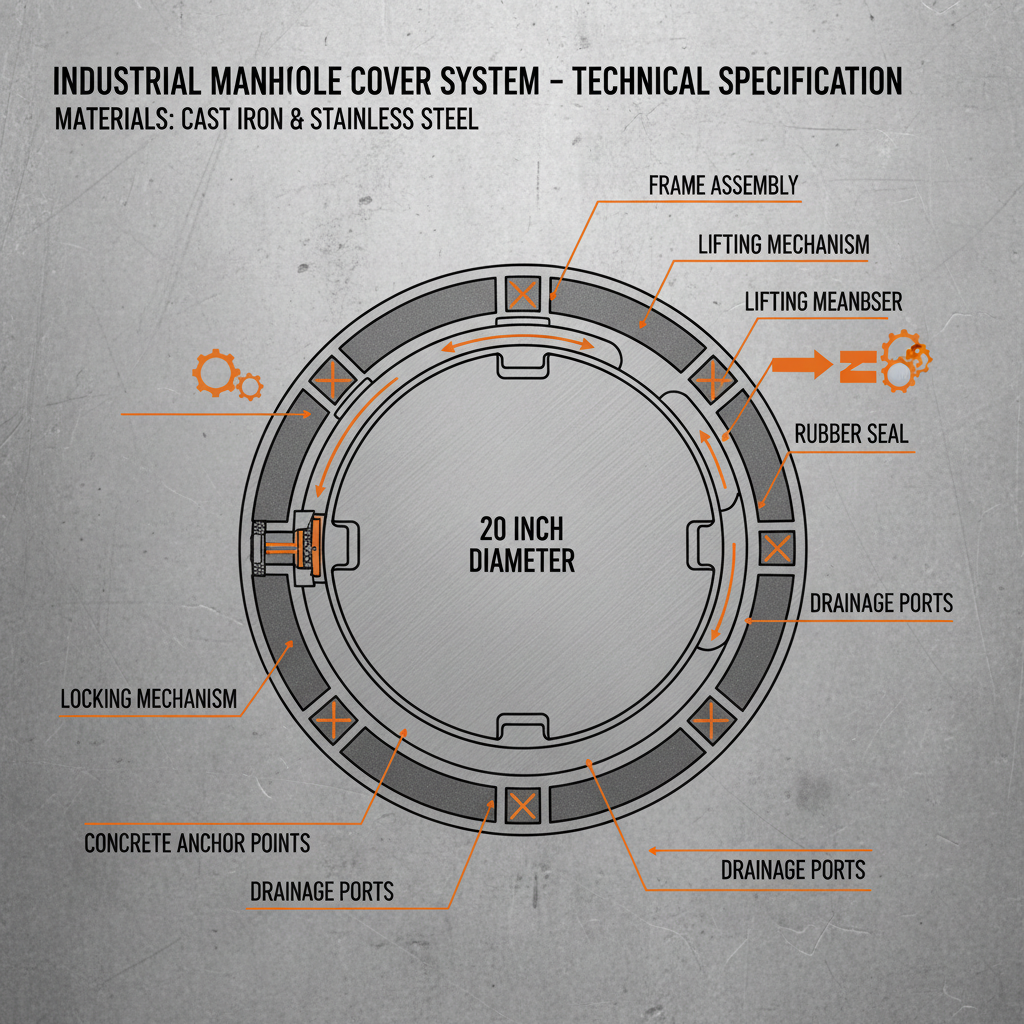
High Quality 20 manhole cover for Urban Infrastructure Safety

Global Relevance of 20 Manhole Cover Standards
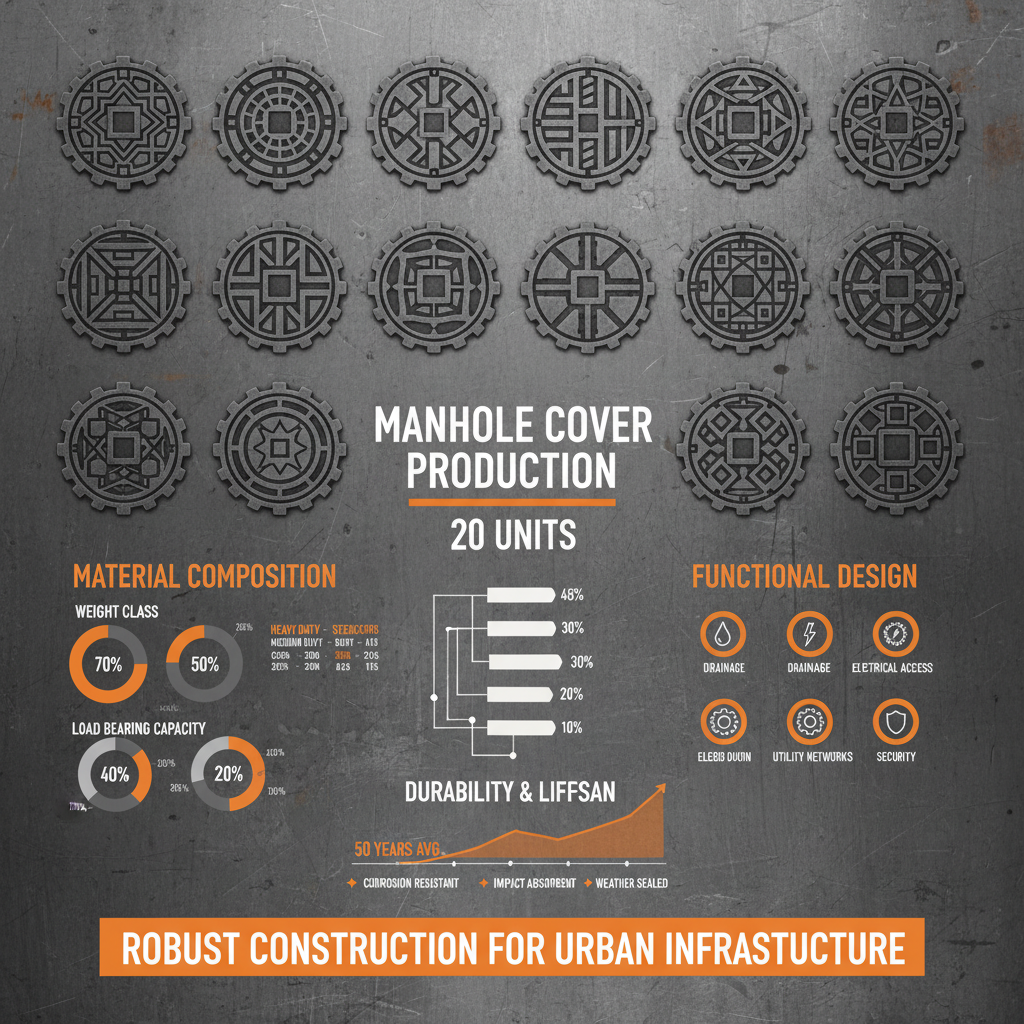
High Quality 20 manhole cover for Urban Infrastructure Safety

In the realm of international civil engineering, the adherence to strict standards for a 20 manhole cover is paramount. Organizations such as ISO (International Organization for Standardization) provide the framework that ensures these covers can handle varying load classes—from pedestrian walkways to heavy industrial trucking lanes. Without these global benchmarks, the risk of catastrophic structural failure increases, potentially leading to urban accidents and costly infrastructure downtime.

The current global trend toward "Smart Cities" has placed renewed importance on the 20 manhole cover as an entry point for fiber optic cables and sensor networks. In developing regions, the implementation of standardized covers is often linked to World Bank-funded infrastructure projects aimed at improving sanitation and reducing water-borne diseases by sealing off sewage systems from surface runoff.

Defining the 20 Manhole Cover and Its Industrial Role

A 20 manhole cover is a specialized sealing component designed to provide secure access to underground utility vaults, drainage pipes, or electrical junctions. While the "20" typically refers to the nominal diameter or a specific size classification within a manufacturer's range, the core purpose remains the same: to provide a flush, load-bearing surface that protects both the utility workers below and the public above.

In modern metallurgy, these covers are evolved from simple cast iron to sophisticated ductile iron and composite materials. This evolution allows the 20 manhole cover to resist the corrosive effects of sulfuric acid in sewer gases and the oxidative stress of road salts in colder climates. Its role extends beyond mere closure; it acts as a critical safety valve for pressure release and a barrier against unauthorized entry.

Furthermore, the 20 manhole cover is an essential part of a larger system that includes the frame and seating. The precision of the fit between the cover and the frame determines whether the unit will "rock" under traffic—which leads to rapid wear—or remain silent and stable, thereby extending the life of the surrounding pavement.

Core Components of High-Performance 20 Manhole Cover Design

The durability of a 20 manhole cover starts with material selection. High-grade ductile iron is preferred for its superior tensile strength and flexibility compared to traditional grey iron, allowing the cover to absorb shocks from heavy vehicles without cracking.

Surface traction is another pivotal factor. A well-engineered 20 manhole cover features an anti-slip pattern—often a diamond or concentric circle texture—to ensure pedestrian and vehicular safety during wet or icy conditions, reducing the liability of municipal authorities.

Lastly, the sealing mechanism and locking system of the 20 manhole cover are crucial for security. Many modern designs include bolt-down options or proprietary locking tabs to prevent theft and ensure that only authorized personnel can access the sensitive utility infrastructure beneath.

Practical Applications of 20 Manhole Cover Systems

The versatility of the 20 manhole cover allows it to be deployed across diverse environments. In residential areas, they are commonly used for telecommunications junctions and water meter access, where a low profile and aesthetic integration with the pavement are required. In contrast, industrial zones utilize reinforced versions of the 20 manhole cover to support the weight of forklifts and heavy machinery.

One significant use case is found in post-disaster relief operations where rapid infrastructure deployment is necessary. Modular drainage systems employing standardized 20 manhole cover units allow engineers to quickly establish sanitary waste management in temporary settlements, preventing the spread of disease in high-risk zones.

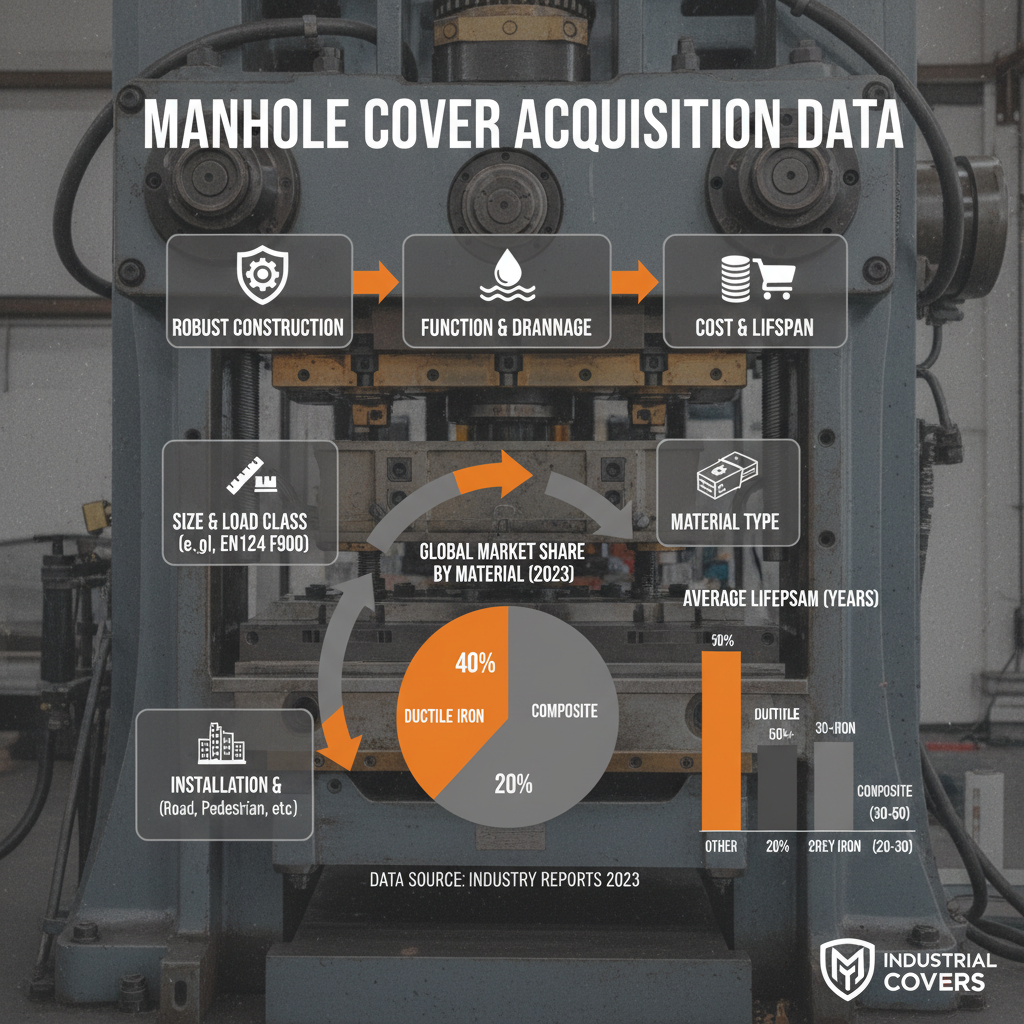
Performance Comparison of 20 Manhole Cover Material Variants


Long-Term Value and Sustainability Benefits

Investing in a premium 20 manhole cover yields significant financial advantages over a 20-year lifecycle. By reducing the frequency of replacement and the labor costs associated with road excavation, municipalities can allocate budgets to other critical infrastructure needs. The reliability of a high-load cover prevents the "sinkhole" effect caused by frame failure, saving millions in emergency road repairs.

From a sustainability perspective, the move toward recyclable ductile iron and composite materials for the 20 manhole cover aligns with global green building certifications. Many modern covers are produced using recycled scrap metal, reducing the carbon footprint of the casting process. Furthermore, their longevity ensures that fewer raw materials are consumed over time, contributing to a circular economy in urban construction.

Future Innovations in 20 Manhole Cover Technology

The next generation of the 20 manhole cover is integrating digital transformation. "Smart covers" are being developed with embedded RFID tags and IoT sensors that can detect gas leaks, water overflow, or unauthorized opening in real-time. This allows utility companies to move from reactive maintenance to predictive maintenance, addressing issues before they become public hazards.

Material science is also pushing boundaries with the introduction of high-strength polymer concretes that offer the strength of iron but with zero corrosion risk. These lightweight 20 manhole cover options reduce the risk of worker injury during lifting and installation, while providing an even longer lifespan in chemically aggressive environments.

Automation in the casting process is ensuring tighter tolerances for every 20 manhole cover produced. 3D printing of sand molds allows for customized patterns and more efficient material distribution, resulting in covers that are lighter yet stronger, optimizing the strength-to-weight ratio for extreme load conditions.

Overcoming Challenges in 20 Manhole Cover Implementation

One of the primary challenges in deploying a 20 manhole cover is the issue of theft and vandalism. In many urban centers, scrap metal prices drive the theft of iron covers, leaving dangerous open pits. The solution lies in the adoption of non-ferrous composite materials or the integration of heavy-duty locking mechanisms that require specialized tools for removal.

Another common limitation is the improper installation of the frame, which leads to the cover rattling and eventually breaking the surrounding concrete. Expert insights suggest the use of precision-leveled seating rings and high-strength non-shrink grout to ensure the 20 manhole cover remains perfectly flush with the road surface.

Finally, navigating the various local regulations and load-class requirements can be daunting for contractors. We recommend implementing a standardized audit of the traffic load at the installation site to ensure the selected 20 manhole cover meets the specific Class A through D requirements, avoiding under-specification that leads to premature failure.

Comparative Analysis of 20 Manhole Cover Implementation Strategies

Implementation Method Initial Cost Installation Speed Lifecycle Score (1-10)
Standard Cast Iron 20 Cover Low Moderate 6
Ductile Iron 20 Cover Moderate Moderate 9
Composite Material 20 Cover High Fast 8
Locking Steel 20 Cover Moderate Slow 7
Smart IoT 20 Cover Very High Slow 10
Polymer Concrete 20 Cover Moderate Fast 7

FAQS

What is the load capacity of a standard 20 manhole cover?

Load capacity varies by classification. A pedestrian-grade 20 manhole cover may only support a few kilonewtons, while a heavy-duty ductile iron version designed for highways can support 40 tonnes (Class D400). Always check the EN 124 or ISO rating stamped on the cover to ensure it matches the traffic requirements of your specific installation site.

How can I prevent the theft of my 20 manhole covers?

The most effective ways to prevent theft are switching to composite materials, which have little to no scrap value, or installing locking 20 manhole cover systems. Locking mechanisms require a specific key, making it nearly impossible for thieves to remove the cover quickly without specialized equipment, thus deterring opportunistic theft.

Is a composite 20 manhole cover as strong as ductile iron?

Composite covers are engineered to be incredibly strong, but their strength profile differs from iron. While ductile iron excels in extreme point-load compression, composites offer excellent durability and corrosion resistance. For most municipal and residential applications, a high-grade composite 20 manhole cover is more than sufficient and offers the added benefit of being much lighter for maintenance crews.

How often should a 20 manhole cover be inspected?

In high-traffic urban areas, a visual inspection every 6 to 12 months is recommended to check for signs of "rocking," frame cracking, or surface wear. In industrial settings with corrosive chemicals, inspections should be more frequent—approximately quarterly—to ensure the 20 manhole cover has not suffered structural degradation from chemical erosion.

Can a 20 manhole cover be customized for specific logos or text?

Yes, most professional foundries can customize the casting mold for a 20 manhole cover to include municipal logos, utility names (e.g., "WATER" or "ELECTRIC"), or specific warnings. This is highly recommended for safety and identification purposes, ensuring that the correct utility team is called for maintenance.

What causes a 20 manhole cover to make noise when driven over?

Noise, often called "clatter," is usually caused by a poor fit between the cover and the frame or a failure in the bedding material below the frame. When the 20 manhole cover doesn't sit perfectly flush, it creates a gap that allows it to move vertically under load. This can be fixed by machining the seating surfaces or replacing the frame with a precision-fit version.

Conclusion

The 20 manhole cover is an indispensable element of modern urban infrastructure, bridging the gap between surface accessibility and subterranean utility protection. From the critical importance of material selection—such as the shift toward ductile iron and composites—to the integration of IoT sensors, the evolution of these covers reflects a broader commitment to safety, durability, and efficiency. By prioritizing standardized load ratings and precision installation, city planners and engineers can ensure that their utility networks remain secure and accessible for decades.

Looking forward, the integration of sustainable materials and smart monitoring will redefine how we manage underground assets. We encourage procurement officers and civil engineers to move beyond the lowest initial cost and instead focus on the total cost of ownership and the long-term safety benefits provided by high-specification covers. For industry-leading solutions and a full catalog of durable access components, visit our website: www.hbyqmetal.com.

Robert Hayes

Robert Hayes

Robert Hayes is a dedicated Quality Control Manager at Hebei Yongqian Trading Co., Ltd. Robert is responsible for ensuring all manufactured products, including cast iron manhole covers and park facilities, meet rigorous quality standards. He oversees a team of inspectors and utilizes advanced testing equipment to verify material composition, structural
Previous High Performance Airtight Manhole Cover for Urban Infrastructure
Next High Quality Non Slip Manhole Covers for Urban Safety and Industry