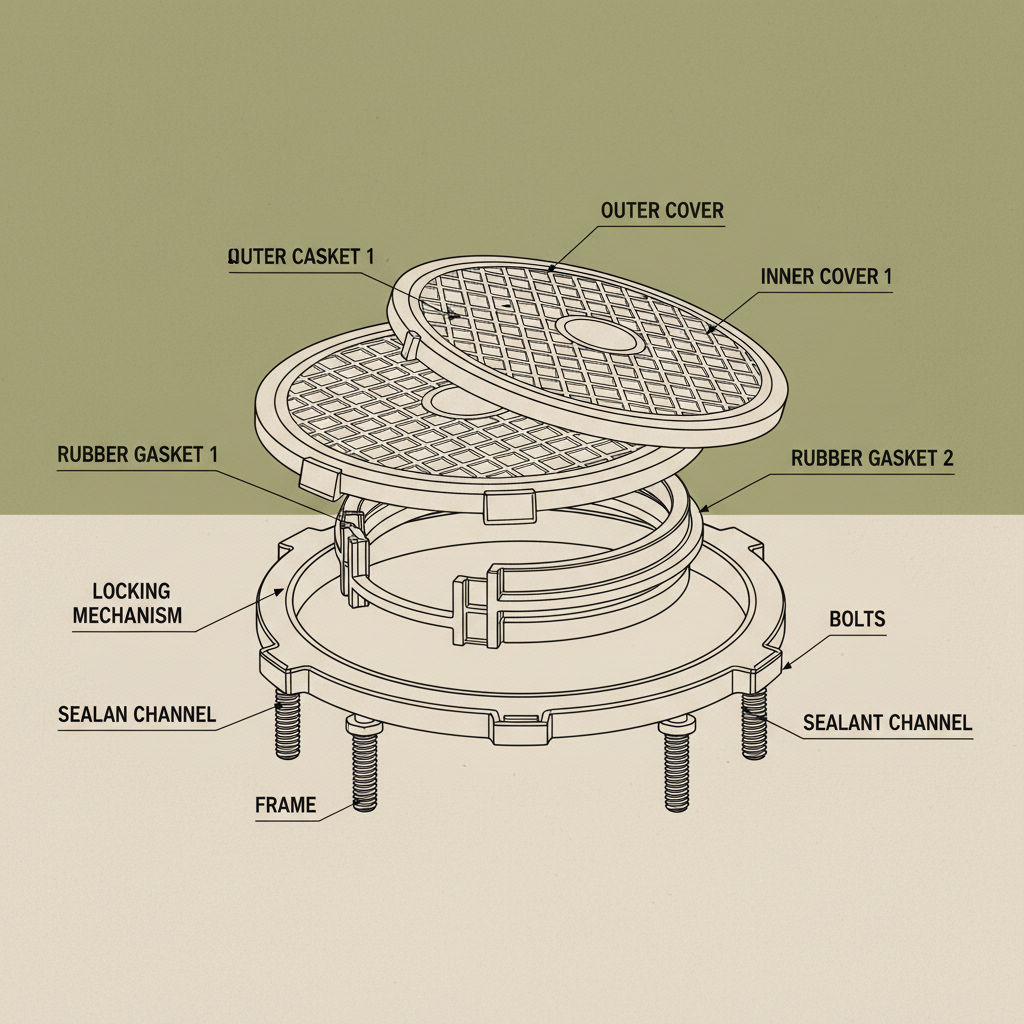
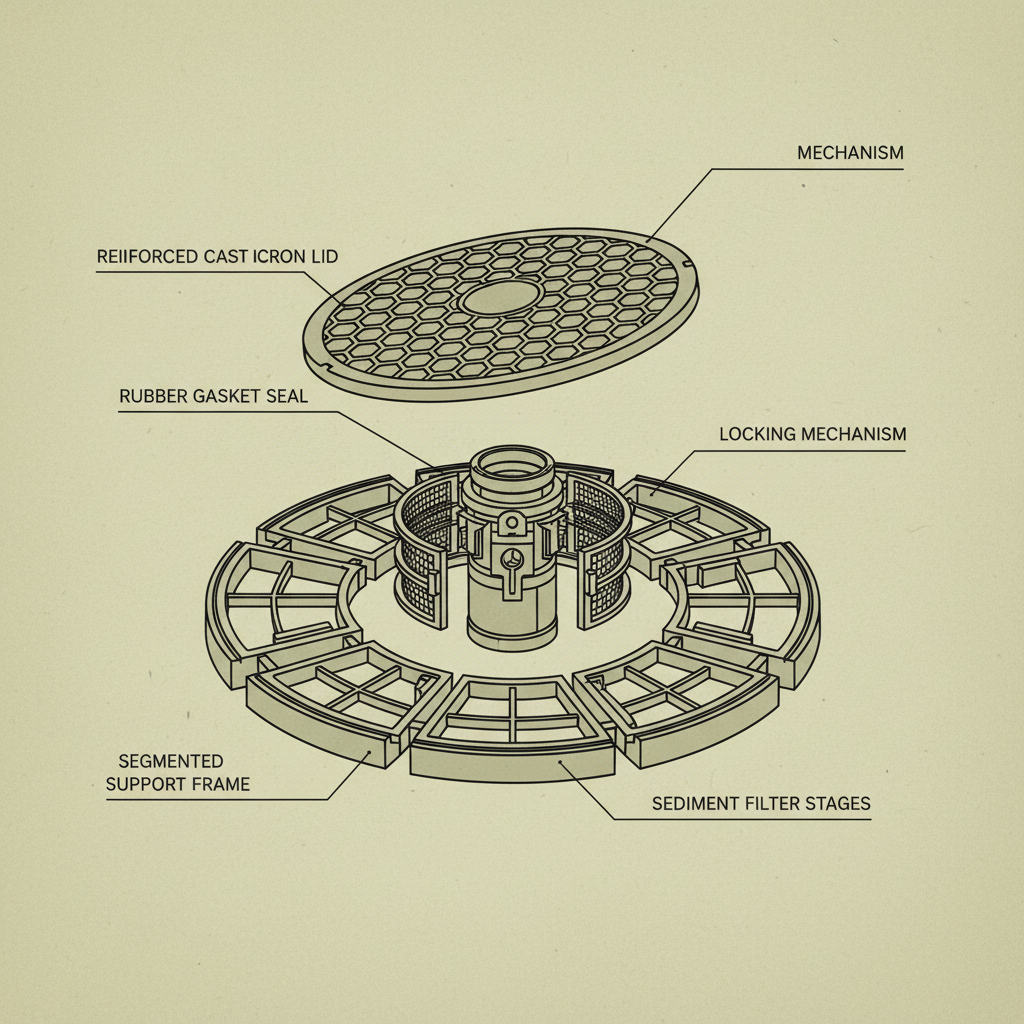
The task of safely and efficiently removing manhole covers is crucial for maintaining essential underground infrastructure. These covers, often heavy and cumbersome, protect vital access points for sewer systems, utility tunnels, and telecommunications networks. Historically, this process relied on manual labor, presenting significant safety risks to workers, including back injuries and dropped cover incidents. The development and adoption of the manhole cover puller represents a significant advancement in addressing these challenges, offering a safer, more efficient, and cost-effective solution for municipalities and utility companies worldwide.
Globally, the maintenance of underground infrastructure represents a multi-billion dollar industry. Aging infrastructure in developed nations, coupled with rapid urbanization in developing countries, necessitates robust and reliable solutions for inspection and repair. According to the World Bank, investment in infrastructure is essential for sustainable economic growth and poverty reduction. The manhole cover puller plays a pivotal role in enabling this maintenance, reducing downtime, and ensuring public safety.
The increasing focus on worker safety regulations, coupled with the demand for improved efficiency, is driving the adoption of specialized equipment like the manhole cover puller. This investment not only protects employees but also reduces the lifecycle costs associated with infrastructure maintenance by minimizing damage to covers and surrounding infrastructure.
The Significance of Manhole Cover Pullers
The implementation of a reliable manhole cover puller system dramatically reduces the physical strain on workers, minimizing the risk of musculoskeletal injuries. Manual lifting of heavy covers is a common cause of back pain and other debilitating conditions. By automating this process, organizations demonstrate a commitment to employee well-being and reduce potential worker's compensation claims.
Beyond safety, efficient manhole cover removal directly impacts productivity. A dedicated puller reduces the time required to access underground infrastructure, allowing for quicker inspections, repairs, and emergency responses. This improved efficiency translates into cost savings for utility companies and municipalities.
Defining the Manhole Cover Puller
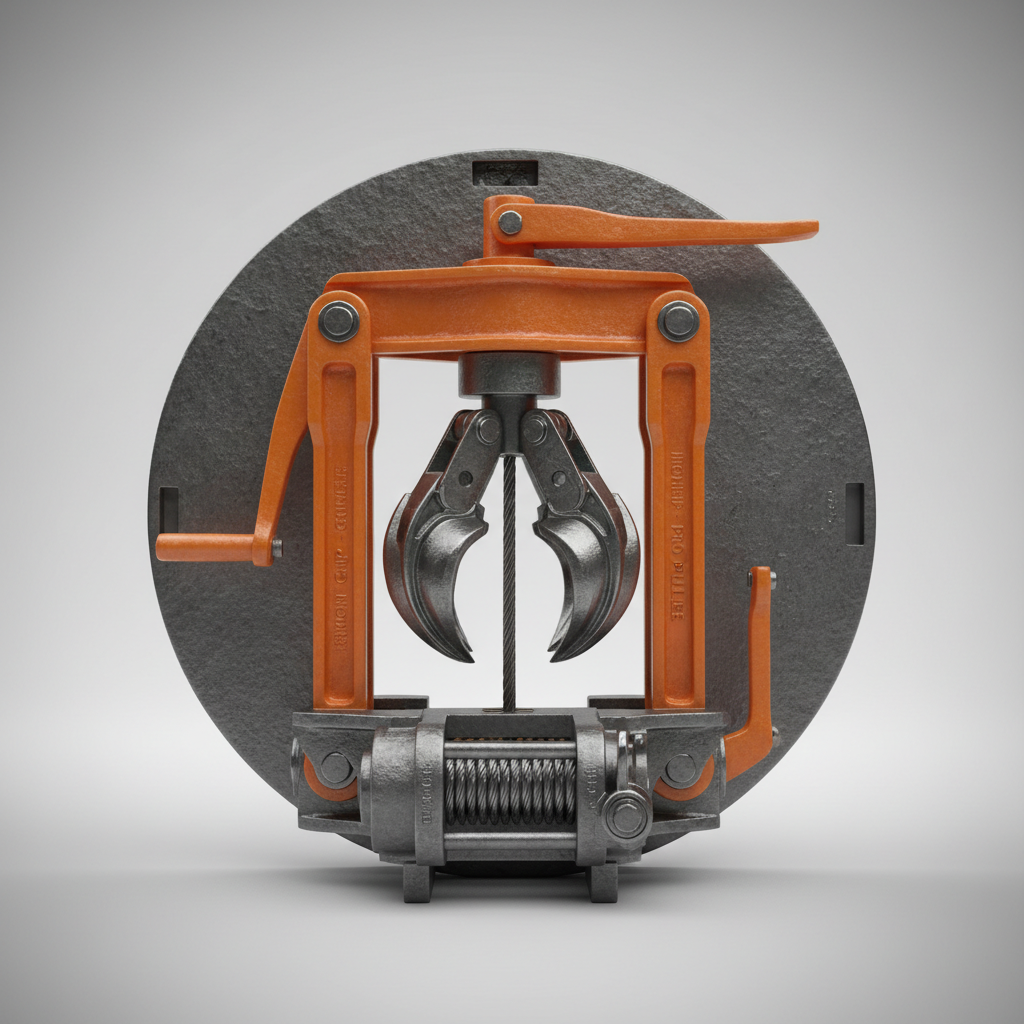
A manhole cover puller is a specialized piece of equipment designed to safely and efficiently lift and move manhole covers. These devices typically consist of a robust lifting mechanism, secure gripping jaws, and a stable base for operation. Modern manhole cover puller models often incorporate features such as adjustable grips to accommodate different cover sizes and shapes, and ergonomic controls for ease of use.
Unlike manual methods relying on crowbars or chains, a manhole cover puller provides controlled and consistent lifting force. This minimizes the risk of damage to the cover itself, as well as the surrounding frame and infrastructure. Proper use significantly extends the lifespan of manhole covers, reducing replacement costs.
The connection to modern industry and humanitarian needs lies in ensuring access to critical underground services. From maintaining water and sewer systems to providing access for telecommunications repairs, the manhole cover puller enables the reliable operation of essential urban and rural infrastructure.
Key Factors Influencing Manhole Cover Puller Design
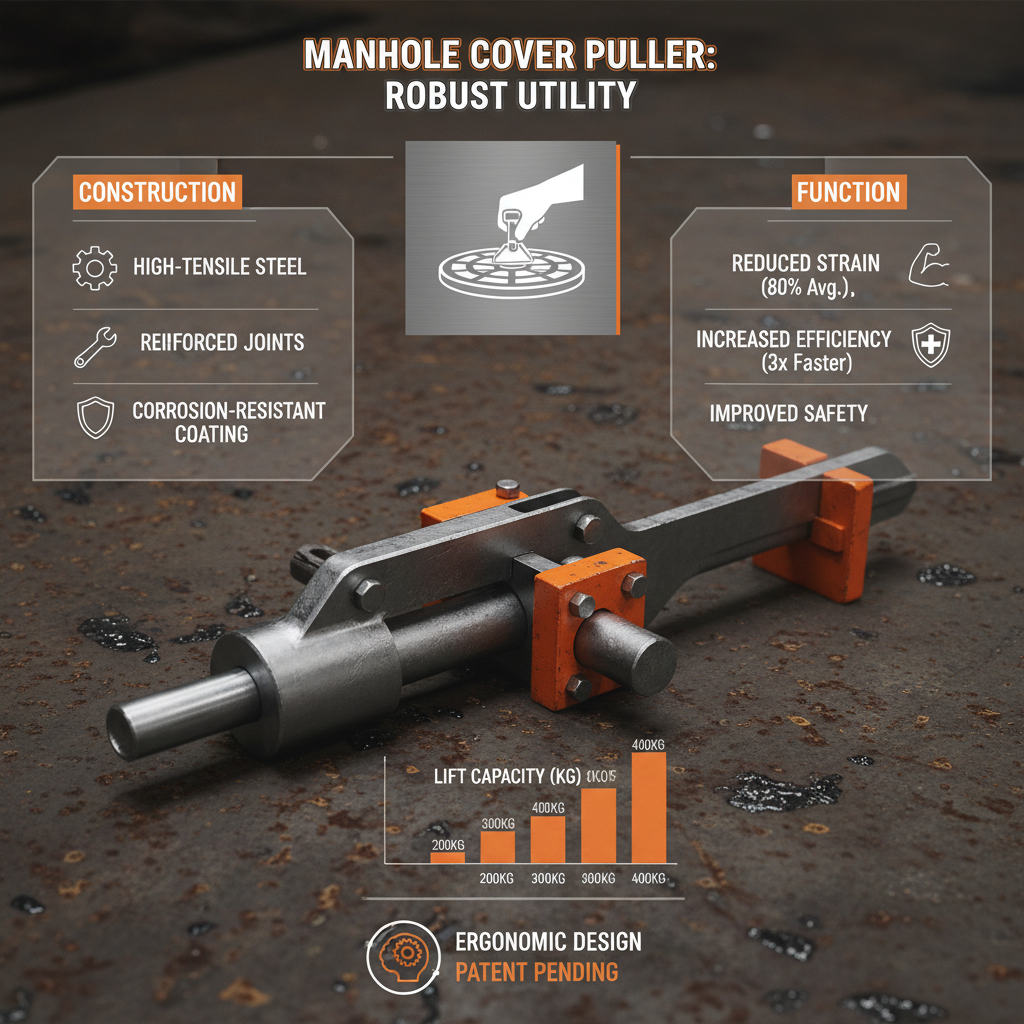
Durability: Manhole cover pullers operate in harsh environments and are subjected to repeated stress. High-quality materials and robust construction are essential to ensure longevity and reliability. A durable puller minimizes downtime for repairs and replacements, delivering a greater return on investment.
Lifting Capacity: Different manhole covers vary significantly in weight. A puller must have sufficient lifting capacity to handle the heaviest covers commonly encountered in its intended application. Consideration should also be given to the potential for varying cover materials (cast iron, concrete, etc.).
Safety Features: Safety is paramount. Features such as secure gripping mechanisms, emergency stop functions, and stable base designs are crucial to prevent accidents and protect workers. Compliance with relevant safety standards (ISO, OSHA) is also a key factor.
Portability & Maneuverability: The ability to easily transport and maneuver the puller is important, especially in confined spaces or on uneven terrain. Compact designs and options for wheeled or tracked movement enhance usability.
Ease of Use: Ergonomic controls and intuitive operation reduce operator fatigue and minimize the risk of errors. Simple maintenance requirements also contribute to overall efficiency.
Global Applications and Use Cases
In post-disaster relief operations, rapid access to underground infrastructure is critical for assessing damage and restoring essential services. Manhole cover pullers enable quick and safe removal of covers, facilitating inspections of sewer systems and water lines.
In remote industrial zones, where specialized maintenance crews may be limited, the manhole cover puller provides a reliable and self-sufficient solution for accessing and maintaining underground utilities. This is particularly valuable in the oil and gas industry, mining operations, and power generation facilities.
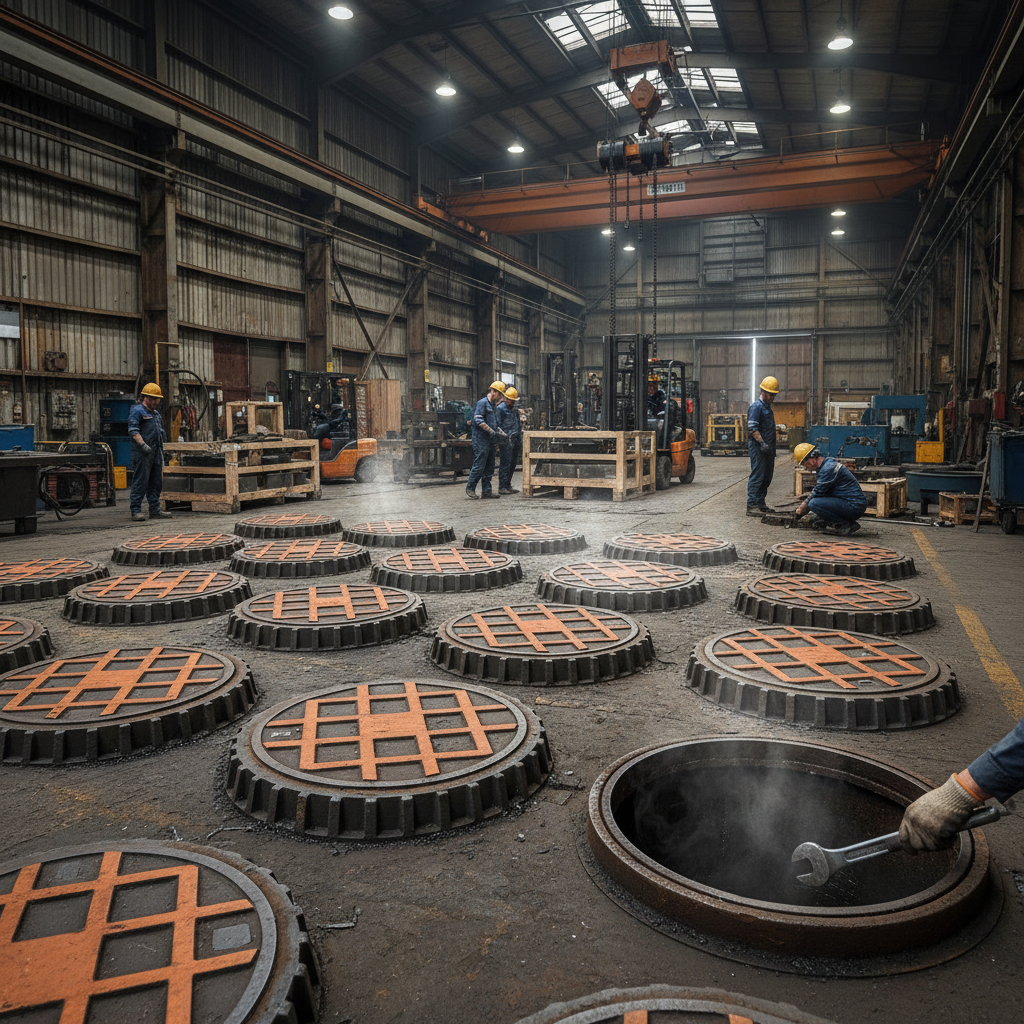
Municipalities worldwide utilize manhole cover pullers for routine maintenance and inspection of sewer systems, storm drains, and telecommunications networks. They are also employed by utility companies for routine repairs and upgrades to underground infrastructure. From large metropolitan areas to smaller rural communities, the need for safe and efficient manhole cover removal is universal.
Manhole Cover Puller Performance Metrics
Advantages and Long-Term Value
The tangible benefits of utilizing a manhole cover puller extend beyond immediate safety improvements. Reduced labor costs, minimized infrastructure damage, and increased efficiency all contribute to significant cost savings over the lifecycle of the equipment. The initial investment is quickly offset by these ongoing benefits.
From a sustainability perspective, reducing the risk of damage to manhole covers minimizes the need for frequent replacements, conserving resources and reducing waste. A commitment to worker safety fosters a positive work environment and enhances employee morale. The implementation of this technology demonstrates a forward-thinking approach to infrastructure management.
Future Trends and Innovations
The integration of smart technology into manhole cover pullers is an emerging trend. This includes features such as remote monitoring, diagnostic capabilities, and data logging to track usage and identify potential maintenance needs. Automation and robotics will likely play an increasing role in future designs.
Research into new materials and lightweight alloys will contribute to the development of more portable and efficient pullers. The adoption of electric or hybrid power sources will reduce emissions and enhance environmental sustainability. Digital twin technology could be employed for predictive maintenance and optimized performance.
Challenges and Solutions
A common challenge is adapting manhole cover pullers to accommodate the diverse range of cover shapes, sizes, and materials found in different regions. Solutions include adjustable gripping mechanisms and modular designs that can be customized to specific requirements.
Another challenge is ensuring adequate operator training and adherence to safety protocols. Comprehensive training programs and clear operating procedures are essential to minimize the risk of accidents. Regular inspections and maintenance are also crucial to ensure the continued safe and reliable operation of the equipment.
Addressing logistical challenges in deploying pullers to remote or difficult-to-access locations requires careful planning and the selection of equipment with appropriate portability and maneuverability.
Analysis of Manhole Cover Puller Performance Factors
| Cover Weight Capacity (kg) |
Operational Efficiency (Scale 1-10) |
Safety Rating (Scale 1-10) |
Maintenance Complexity (Scale 1-10) |
| 100 |
9 |
8 |
2 |
| 150 |
8 |
9 |
3 |
| 200 |
7 |
7 |
4 |
| 250 |
10 |
10 |
2 |
| 120 |
8 |
8 |
3 |
| 180 |
9 |
9 |
2 |
FAQS
When evaluating a manhole cover puller, prioritize features like secure gripping mechanisms to prevent accidental drops, emergency stop functionalities for immediate control, and a stable base design to minimize tipping hazards. Look for models that comply with relevant safety standards such as ISO or OSHA. Proper operator training is also crucial for safe operation.
Manhole cover pullers dramatically increase efficiency compared to manual lifting. Traditional methods can be time-consuming and physically demanding, often requiring multiple workers. A puller can typically lift and move a cover in a fraction of the time, with minimal labor effort. This reduces downtime and allows crews to focus on other critical tasks.
With proper maintenance and care, a high-quality manhole cover puller can have a lifespan of 10-15 years or even longer. Regular inspections, lubrication of moving parts, and adherence to manufacturer’s recommendations are essential for maximizing longevity. Investing in a durable model constructed from robust materials will also contribute to a longer lifespan.
Many manhole cover pullers are designed to accommodate a variety of cover materials and sizes. However, it's crucial to select a model with adjustable gripping jaws that can securely and effectively grip different cover types. Always consult the manufacturer’s specifications to ensure compatibility before use.
Regular maintenance includes lubricating moving parts, inspecting lifting chains or cables for wear and tear, checking hydraulic fluid levels (if applicable), and ensuring all safety mechanisms are functioning correctly. A periodic thorough inspection by a qualified technician is also recommended.
Yes, many manufacturers offer portable manhole cover pullers designed for use in remote or confined spaces. These models are often lighter weight, more compact, and may feature wheels or tracked undercarriage for enhanced maneuverability. Battery-powered options are also available for areas without access to electrical power.
Conclusion
In conclusion, the manhole cover puller represents a critical advancement in infrastructure maintenance, offering significant benefits in terms of worker safety, efficiency, and cost-effectiveness. Its ability to streamline access to underground utilities makes it an indispensable tool for municipalities, utility companies, and emergency response teams worldwide. Investing in this technology is not merely a cost-saving measure but a demonstration of a commitment to employee well-being and sustainable infrastructure management.
Looking ahead, continued innovation in this field, driven by advancements in automation, materials science, and digital technology, promises even more sophisticated and efficient solutions for manhole cover removal. We encourage organizations to explore the potential of these technologies to enhance their operations and ensure the reliable maintenance of vital underground infrastructure. For more information and to explore our range of manhole cover pullers, visit our website: www.hbyqmetal.com