The humble 24 manhole cover, often overlooked, plays a critical role in modern infrastructure. These robust access points to underground utilities – sewage, telecommunications, electricity, and water – are essential for maintaining the functionality of cities and towns globally. Understanding their design, materials, and safety standards is paramount for urban planners, engineers, and utility workers. A well-maintained 24 manhole cover system directly contributes to public health, safety, and the efficient operation of essential services.
Globally, aging infrastructure presents a significant challenge. Many existing 24 manhole covers are reaching the end of their lifespan, requiring replacement or rehabilitation. The increasing demands on underground utilities, coupled with the impacts of climate change (e.g., increased flooding and temperature fluctuations), necessitate more durable and resilient solutions. Innovative materials and designs are constantly being developed to address these challenges.
The importance of choosing the right 24 manhole cover extends beyond simply providing access. Factors like load-bearing capacity, corrosion resistance, security (preventing theft and unauthorized access), and ease of maintenance are all crucial considerations. Selecting a cover appropriate for the specific application and environment is key to long-term performance and cost-effectiveness. 24 manhole cover manufacturers are responding to these needs with a growing range of specialized products.
The Importance of 24 Manhole Covers
24 manhole covers are far more than just simple covers for underground infrastructure. They represent a crucial layer of protection, enabling safe access for maintenance and repair of vital utility networks. Without robust and properly secured 24 manhole covers, the risk of accidents, contamination, and service disruptions significantly increases. The consistent availability of these covers is key to operational efficiency and public wellbeing.
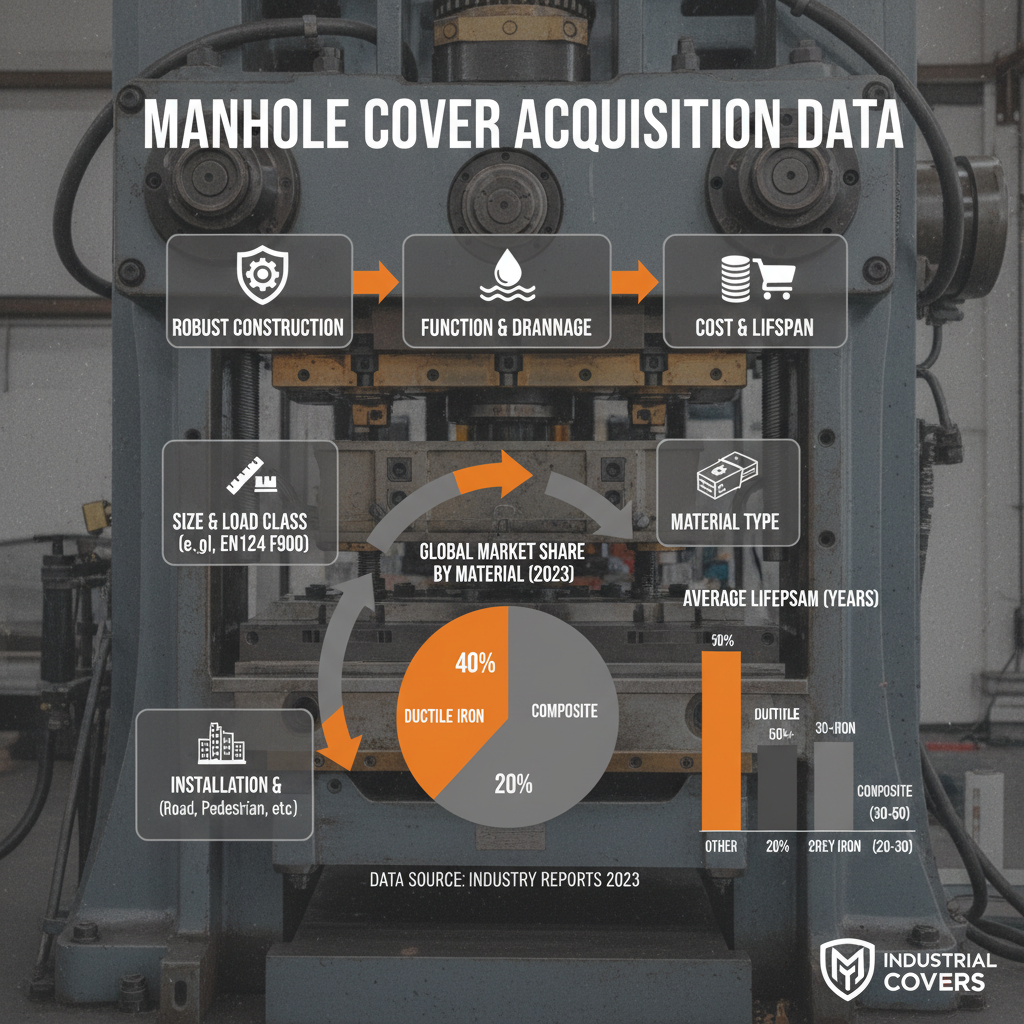
Furthermore, the longevity and material composition of a 24 manhole cover directly impact sustainability and lifecycle costs. Choosing durable materials like ductile iron or composite materials can reduce the frequency of replacements, minimizing environmental impact and reducing long-term expenditures. This aligns with the growing emphasis on responsible infrastructure management and resource conservation.
Defining 24 Manhole Covers and Their Role
A 24 manhole cover is a removable plate typically constructed from cast iron, ductile iron, composite materials, or occasionally concrete, designed to seal access points to underground infrastructure. The "24" often refers to the nominal diameter in inches, though variations exist. These access points, known as manholes, allow utility workers to safely inspect, maintain, and repair underground systems without extensive excavation.
Their role is fundamental to the functioning of modern cities. They provide access to essential services like sanitation, stormwater drainage, telecommunications, electricity distribution, and increasingly, fiber optic networks. A properly designed and installed 24 manhole cover system ensures the integrity of these networks, preventing infiltration of debris and ensuring safe working conditions for maintenance personnel.
The need for robust access points to underground utilities is a direct result of urbanization and the increasing complexity of modern infrastructure. As cities grow and populations concentrate, reliable access to these systems is critical for maintaining public health, safety, and economic stability.
Core Components of Effective 24 Manhole Covers
Durability is paramount. A high-quality 24 manhole cover must withstand significant loads from vehicular traffic, pedestrian activity, and environmental stresses. Materials like ductile iron offer superior strength and resistance to deformation compared to traditional cast iron. Understanding load class ratings (e.g., H-20, E-60) is crucial for selecting the appropriate cover for a given location.
Corrosion resistance is another vital characteristic. Underground environments are often corrosive due to soil composition, moisture, and the presence of chemicals. Coatings, such as epoxy or galvanization, can significantly extend the lifespan of a 24 manhole cover by protecting against rust and deterioration. Composite materials also offer inherent corrosion resistance.
Security features are increasingly important. Preventing unauthorized access and theft of 24 manhole covers is crucial for public safety and cost control. Locking mechanisms, tamper-proof designs, and even integrated alarm systems can deter theft and protect the integrity of the underground infrastructure. Load bearing capacity and safe locking mechanisms are key safety considerations.
Global Applications and Diverse Use Cases
24 manhole covers are universally applied in urban and suburban environments worldwide. They are a staple in municipal infrastructure, serving water treatment facilities, sewage systems, and stormwater drainage networks. In post-disaster relief operations, access to underground utilities is critical for restoring essential services, and robust 24 manhole covers are vital for ensuring safe and efficient repairs.
Industrially, 24 manhole covers are found in power plants, chemical processing facilities, and manufacturing plants, providing access to underground piping and electrical conduits. In remote industrial zones, where access to replacement parts may be limited, durability and longevity are especially important factors in cover selection.
Telecommunications companies rely heavily on 24 manhole covers to protect and access underground fiber optic cables and other communication infrastructure. The increasing demand for high-speed internet and data transmission is driving the need for more secure and reliable access points to these networks.
24 Manhole Cover Performance Metrics
Advantages and Long-Term Value Proposition
Investing in high-quality 24 manhole covers translates to significant long-term cost savings. Reduced maintenance frequency, lower replacement costs, and minimized risk of service disruptions all contribute to a positive return on investment. The cost of a premature failure, including potential damage to underground utilities and associated repair expenses, far outweighs the initial investment in a durable cover.
From a sustainability perspective, choosing materials with a long lifespan and high recyclability reduces environmental impact. Ductile iron, for example, is a readily recyclable material, minimizing waste and conserving natural resources. The enhanced safety features of modern 24 manhole covers also contribute to a more secure and reliable infrastructure.
Future Trends and Innovative Solutions
Smart 24 manhole covers, incorporating sensors and communication technologies, are emerging as a promising trend. These intelligent covers can monitor conditions within the manhole – such as gas levels, water depth, and temperature – providing early warnings of potential problems. This proactive monitoring can prevent costly repairs and enhance safety.
The development of new composite materials offers the potential for even lighter, stronger, and more corrosion-resistant 24 manhole covers. These materials can also be designed with integrated features, such as anti-slip surfaces and improved locking mechanisms.
Challenges and Practical Solutions
Theft of 24 manhole covers remains a significant challenge in many areas. This not only creates safety hazards but also results in substantial replacement costs. Implementing robust locking mechanisms, utilizing tracking technologies, and increasing public awareness are effective strategies to combat theft.
Proper installation is crucial for ensuring the long-term performance of 24 manhole covers. Incorrect installation can lead to premature failure and safety risks. Employing qualified and experienced installers and adhering to industry best practices are essential.
Maintaining a comprehensive inventory and inspection program can help identify and address potential issues before they escalate. Regular inspections can detect corrosion, damage, and security breaches, allowing for timely repairs and replacements.
Summary of 24 Manhole Cover Maintenance and Performance
| Maintenance Category |
Inspection Frequency |
Performance Indicator |
Severity Level (1-5) |
| Corrosion Assessment |
Annually |
Percentage of Cover Affected |
2 |
| Locking Mechanism Integrity |
Quarterly |
Operational Status (Pass/Fail) |
1 |
| Structural Integrity (Cracks, Deformation) |
Bi-Annually |
Crack Length (mm) |
3 |
| Load Bearing Capacity |
Every 3 Years |
Compliance with Load Class |
2 |
| Surface Condition (Slip Resistance) |
Annually |
Coefficient of Friction |
1 |
| Surrounding Frame Alignment |
Quarterly |
Gap Measurement (mm) |
4 |
FAQS
24 manhole covers are commonly made from ductile iron, which provides excellent strength and durability. Cast iron is also used, although it's less resilient. Increasingly, composite materials are becoming popular due to their lightweight nature and corrosion resistance. The choice of material depends on the specific application and budget constraints. These materials are selected for their ability to withstand heavy loads, resist corrosion, and provide a long service life.
Routine inspections of 24 manhole covers are vital for preventative maintenance. We recommend quarterly visual inspections to check for signs of corrosion, damage, or theft. A more detailed structural assessment should be conducted annually, and a comprehensive load-bearing capacity test every three years. This proactive approach helps identify potential problems early, reducing the risk of costly repairs and ensuring public safety.
Load ratings define the maximum weight a 24 manhole cover can safely withstand. Common ratings include H-20 (highway traffic) and E-60 (airplane traffic). Selecting the appropriate load rating is crucial to prevent cover failure and ensure safety. The intended traffic load and environmental conditions should always be considered when choosing a cover. Consult with engineering professionals to determine the correct rating for your specific application.
Theft is a significant concern. Using locking mechanisms specifically designed for 24 manhole covers is a primary deterrent. Consider covers with tamper-proof designs and integrated alarm systems. Improving street lighting and increasing community awareness can also help. Marking covers with unique identifiers can aid in recovery if theft does occur and make resale more difficult.
Composite 24 manhole covers offer several advantages, including lightweight construction, which simplifies installation and reduces strain on workers. They are highly corrosion resistant, eliminating the need for frequent painting or coating. Composites are also non-conductive, reducing electrical hazards, and often have a longer lifespan compared to traditional materials. They are a sustainable option due to their durability and recyclability.
Yes, several industry standards and regulations govern 24 manhole cover design and installation. These include standards from organizations like ASTM International and EN 124. Local municipalities may also have specific requirements. Adhering to these standards ensures that covers are safe, durable, and compliant with relevant codes. Proper installation is equally crucial for long-term performance and safety.
Conclusion
In conclusion, the 24 manhole cover, though often unseen, is a critical component of modern infrastructure. From ensuring access to vital utilities to safeguarding public safety and promoting sustainability, its importance cannot be overstated. Selecting the right materials, implementing regular inspection and maintenance programs, and embracing innovative technologies are key to maximizing the long-term value and reliability of these essential systems.
Looking ahead, the integration of smart technologies and the development of advanced composite materials promise to further enhance the performance and resilience of 24 manhole covers. Investing in these advancements is vital for building a more sustainable and secure infrastructure for future generations. To learn more about our range of high-quality 24 manhole covers and solutions, visit our website: www.hbyqmetal.com.