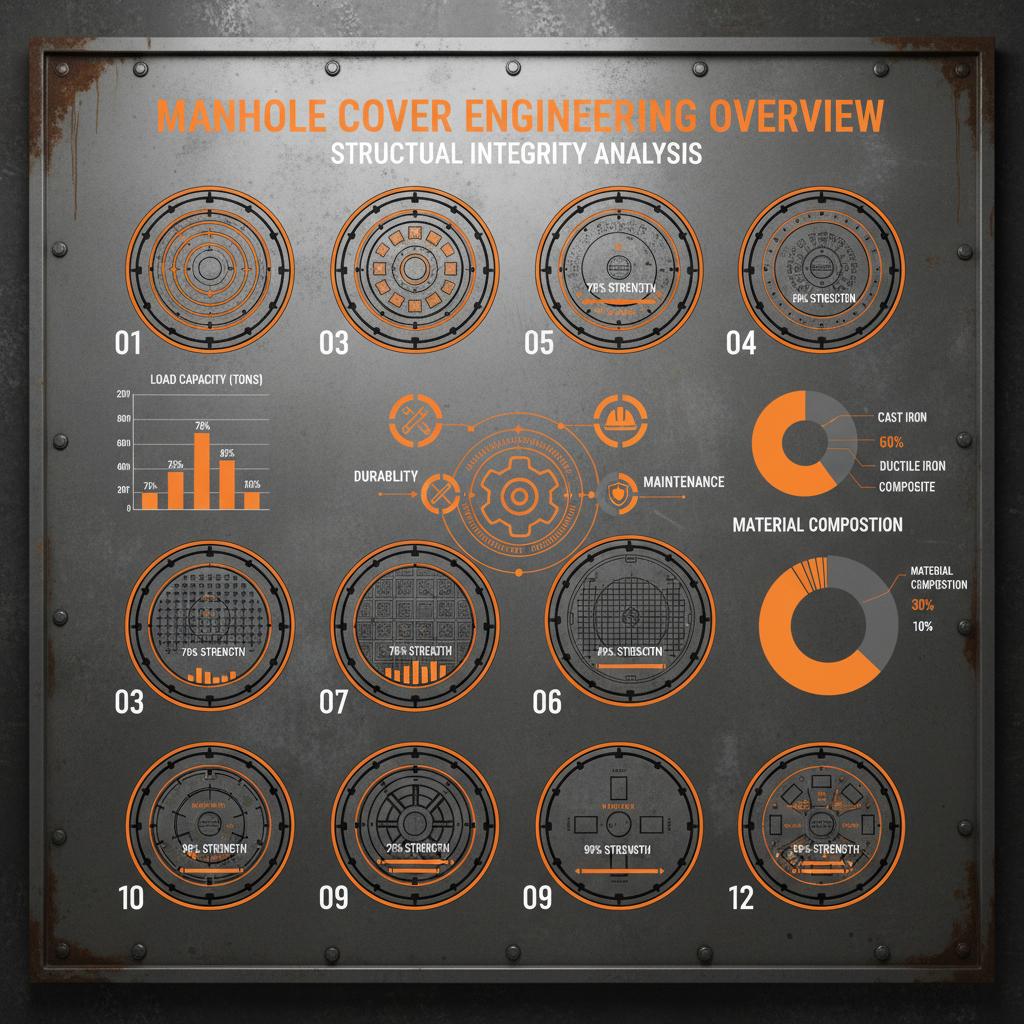
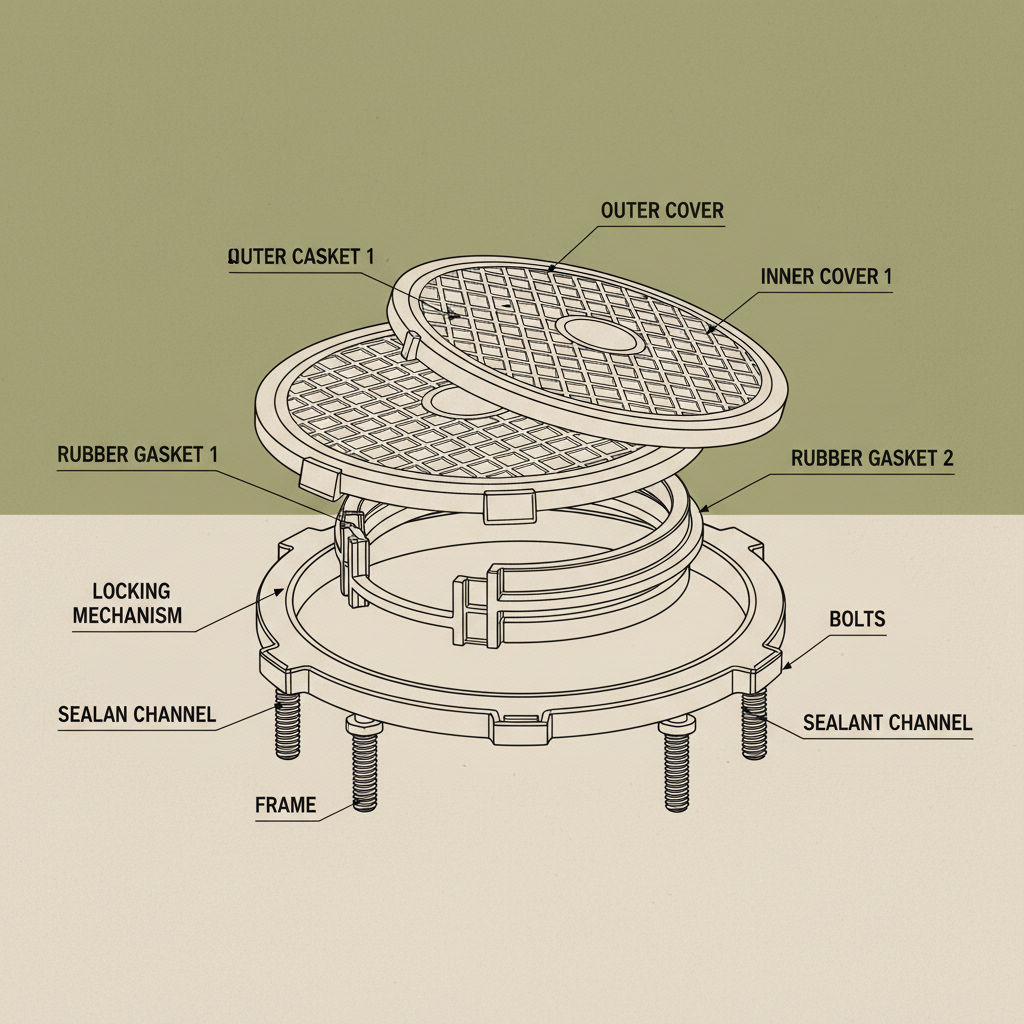
Sewer manhole covers are ubiquitous yet often overlooked components of urban infrastructure, silently safeguarding public health and facilitating essential wastewater management. Globally, these robust covers represent a crucial element in sanitation systems, preventing contamination and ensuring safe access to underground utilities. Their design and materials have evolved significantly over time, reflecting advancements in engineering and a growing awareness of safety and durability requirements. Understanding the nuances of sewer manhole cover technology is vital for municipalities, construction companies, and anyone involved in maintaining public works.
The demand for high-quality sewer manhole covers is driven by several factors, including population growth, urbanization, and increasing investment in infrastructure development, particularly in emerging economies. Data from the UN estimates that over half of the world's population now lives in urban areas, placing increased strain on existing sanitation systems. The World Bank has consistently highlighted the importance of investing in water and sanitation infrastructure as a key driver of economic growth and improved public health. Consequently, the market for sewer manhole covers is substantial and continually evolving.
Beyond their functional purpose, sewer manhole covers play a role in preventing accidental falls and protecting workers accessing underground infrastructure. Modern covers are often designed with features like locking mechanisms and non-slip surfaces to enhance safety. Choosing the right sewer manhole cover – considering factors like load capacity, material, and corrosion resistance – is therefore not simply a matter of cost, but a critical investment in public safety and environmental protection.
The Core Principles of sewer manhole cover
At its core, a sewer manhole cover’s function is to provide safe and secure access to underground sewer systems for maintenance and inspection. This simplicity belies a complex engineering challenge, balancing strength, durability, and safety. Modern sewer manhole covers are designed to withstand substantial loads from vehicular traffic and pedestrian activity, while also preventing unauthorized access and protecting the environment from contamination.
The selection of materials is critical. Traditionally, cast iron was the material of choice due to its strength and durability, but composite materials are gaining popularity due to their lighter weight and corrosion resistance. The overall design must also account for potential theft, a significant concern in some areas, leading to the adoption of locking mechanisms and specialized materials that are less attractive to scrap metal thieves.
Global Significance and Industry Standards
The global relevance of sewer manhole covers stems directly from the fundamental need for effective sanitation systems. Without them, wastewater management becomes profoundly challenging, leading to public health crises and environmental degradation. International organizations like the World Health Organization (WHO) consistently emphasize the link between sanitation and disease prevention, making sewer infrastructure a critical component of global health initiatives.
Industry standards, such as those established by ISO and ASTM, play a crucial role in ensuring the quality and safety of sewer manhole covers. These standards dictate material specifications, load-bearing capacity, and testing procedures. Adherence to these standards is often a legal requirement for municipalities and construction companies, demonstrating a commitment to public safety and environmental responsibility.
Moreover, the increasing focus on sustainable infrastructure is driving demand for environmentally friendly sewer manhole cover solutions. This includes the use of recycled materials, lightweight designs that reduce transportation costs, and coatings that extend service life and minimize the need for frequent replacements.
Defining sewer manhole cover: Function and Context
A sewer manhole cover is a removable plate designed to cover the opening of a manhole, providing access to underground sewer pipes and other utilities. These covers are typically circular or rectangular and are constructed from materials that can withstand heavy loads and resist corrosion. Their primary function is to protect workers and the public from falling into the manhole, while also preventing unauthorized access and the release of harmful gases.
The context in which sewer manhole covers are used is crucial to understanding their design and material requirements. In high-traffic areas, covers must be capable of withstanding significant vehicular loads, while in corrosive environments, resistance to chemical degradation is paramount. Furthermore, considerations like security, noise reduction, and aesthetic appeal can influence the selection process.
The evolution of sewer manhole covers reflects broader advancements in materials science and engineering. From traditional cast iron to modern composite materials, ongoing innovation seeks to improve performance, reduce costs, and enhance sustainability. The ultimate goal is to provide a reliable and cost-effective solution for maintaining the integrity of underground infrastructure.
Key Attributes of Durable sewer manhole cover
Durability is paramount for sewer manhole covers, dictating their lifespan and minimizing replacement costs. This durability hinges on several key attributes, starting with material strength. High-grade cast iron and robust composite materials offer excellent resistance to cracking and deformation under pressure.
Corrosion resistance is equally vital, especially in environments exposed to harsh chemicals and saltwater. Specialized coatings and materials, such as ductile iron with epoxy coatings or polymer concrete, can significantly extend the service life of a sewer manhole cover.
Comparing Sewer Manhole Cover Attributes
Diverse Applications of sewer manhole cover Worldwide
Sewer manhole covers are essential across a broad spectrum of applications, from densely populated urban centers to remote rural communities. In major cities like New York and London, they form an integral part of extensive underground infrastructure networks, handling vast volumes of wastewater daily.
In developing nations, sewer manhole covers are crucial for improving sanitation and public health, particularly in rapidly growing urban areas. Organizations like UNICEF and the World Bank often prioritize investment in sanitation infrastructure as a key component of development programs. The installation of robust and reliable sewer manhole covers is vital for ensuring the long-term effectiveness of these initiatives.
Long-Term Benefits and Sustainable Value
The long-term benefits of investing in high-quality sewer manhole covers extend far beyond simply preventing falls and maintaining access to underground utilities. A robust cover significantly reduces the risk of costly repairs and replacements, offering substantial cost savings over its lifespan. Furthermore, a well-maintained sewer system contributes to improved public health by minimizing the risk of waterborne diseases.
From a sustainability perspective, choosing durable and corrosion-resistant materials reduces the environmental impact associated with frequent replacements. Utilizing recycled materials in the manufacturing process and implementing responsible disposal practices further enhance the environmental benefits. Ultimately, investing in quality sewer manhole covers is an investment in a more resilient and sustainable future.
The societal benefit is also significant; access to reliable sanitation improves quality of life, fostering dignity and contributing to a healthier and more productive population.
Future Trends and Innovations in sewer manhole cover
The future of sewer manhole cover technology is poised for innovation, driven by advancements in materials science, digital technologies, and a growing focus on sustainability. Smart manhole covers, equipped with sensors for monitoring wastewater levels, flow rates, and gas concentrations, are gaining traction, offering real-time data for proactive maintenance and early detection of potential problems.
The development of self-healing materials and coatings promises to further extend the lifespan of sewer manhole covers, reducing maintenance costs and minimizing environmental impact. Furthermore, the integration of 3D printing technology could enable the customized production of covers tailored to specific site requirements, optimizing performance and reducing material waste.
The increased use of lightweight composite materials will also continue, decreasing installation costs and reducing the strain on underlying infrastructure. These innovations collectively point towards a future where sewer manhole covers are not merely functional components, but integral elements of a smart and sustainable urban ecosystem.
Analysis of Sewer Manhole Cover Improvement Dimensions
| Improvement Dimension |
Current Status |
Potential Impact (1-10) |
Implementation Difficulty (1-10) |
| Material Durability |
Cast iron and ductile iron are prevalent. Composites gaining ground. |
9 |
6 |
| Corrosion Resistance |
Coatings are commonly used, but degradation occurs over time. |
8 |
7 |
| Security (Theft Prevention) |
Locking mechanisms are used, but theft remains a problem. |
7 |
5 |
| Smart Monitoring Capabilities |
Emerging technology; limited widespread adoption. |
9 |
8 |
| Weight Reduction |
Cast iron covers are heavy, increasing installation costs. |
7 |
4 |
| Recyclability/Sustainability |
Cast iron is recyclable, but composite recycling is challenging. |
8 |
6 |
FAQS
Traditionally, sewer manhole covers are made from cast iron due to its strength and durability. However, ductile iron, which offers improved impact resistance, and composite materials, prized for their lighter weight and corrosion resistance, are increasingly common. The choice depends on factors like load requirements, environmental conditions, and cost considerations. Newer materials such as fiber-reinforced polymer composites are also emerging as viable options.
The load rating required for a sewer manhole cover depends on the anticipated traffic. Covers in pedestrian areas require a lower rating than those in roadways subject to heavy vehicular traffic. Standards such as those set by ASTM and EN specify different load classes (H-20, H-25, etc.). Consulting local regulations and engineering guidelines is crucial to ensure you select a cover that meets the necessary safety requirements for its intended location.
Common causes of failure include corrosion, cracking due to excessive loads, and theft. Corrosion can be accelerated by exposure to harsh chemicals or saltwater. Cracking can occur if the cover is subjected to loads exceeding its rated capacity. Theft is a persistent problem, particularly with cast iron covers, which have scrap value. Regular inspection and preventative maintenance can help identify and address these issues before they lead to failure.
Yes, composite sewer manhole covers are a viable and increasingly popular alternative to cast iron. They offer several advantages, including lighter weight (making installation easier), excellent corrosion resistance, and non-metallic construction (reducing theft risk). While they may have a slightly higher initial cost, their longer lifespan and lower maintenance requirements can result in long-term cost savings. However, it is important to ensure the composite material meets relevant industry standards.
Preventing theft involves a multi-faceted approach. Using locking mechanisms, choosing non-metallic composite materials (which have little scrap value), and implementing regular inspections can all deter thieves. Marking covers with unique identifiers can also aid in recovery if theft does occur. In high-risk areas, consider installing surveillance cameras or collaborating with local law enforcement to increase patrols.
Regular maintenance is crucial for extending the lifespan of sewer manhole covers. This includes periodic inspections for corrosion, cracks, and damage to locking mechanisms. Cleaning the covers to remove debris and applying protective coatings can also help prevent corrosion. Promptly replacing damaged or missing covers is essential for ensuring public safety and maintaining the integrity of the sewer system. Maintaining records of inspections and repairs is recommended.
Conclusion
In conclusion, sewer manhole covers represent a foundational element of modern sanitation infrastructure, playing a critical role in protecting public health and ensuring the efficient operation of underground utilities. From their humble beginnings in cast iron to the innovative composite materials and smart technologies of today, these seemingly unassuming components have undergone continuous evolution to meet the demands of a growing and increasingly complex world. Understanding their design, materials, and maintenance requirements is essential for municipalities, engineers, and anyone involved in managing public works.
Looking ahead, the continued development of durable, sustainable, and intelligent sewer manhole cover solutions will be paramount. Investing in these technologies not only reduces long-term costs and minimizes environmental impact but also contributes to a more resilient and livable urban environment. For more information and a comprehensive range of high-quality sewer manhole covers, visit our website: www.hbyqmetal.com.