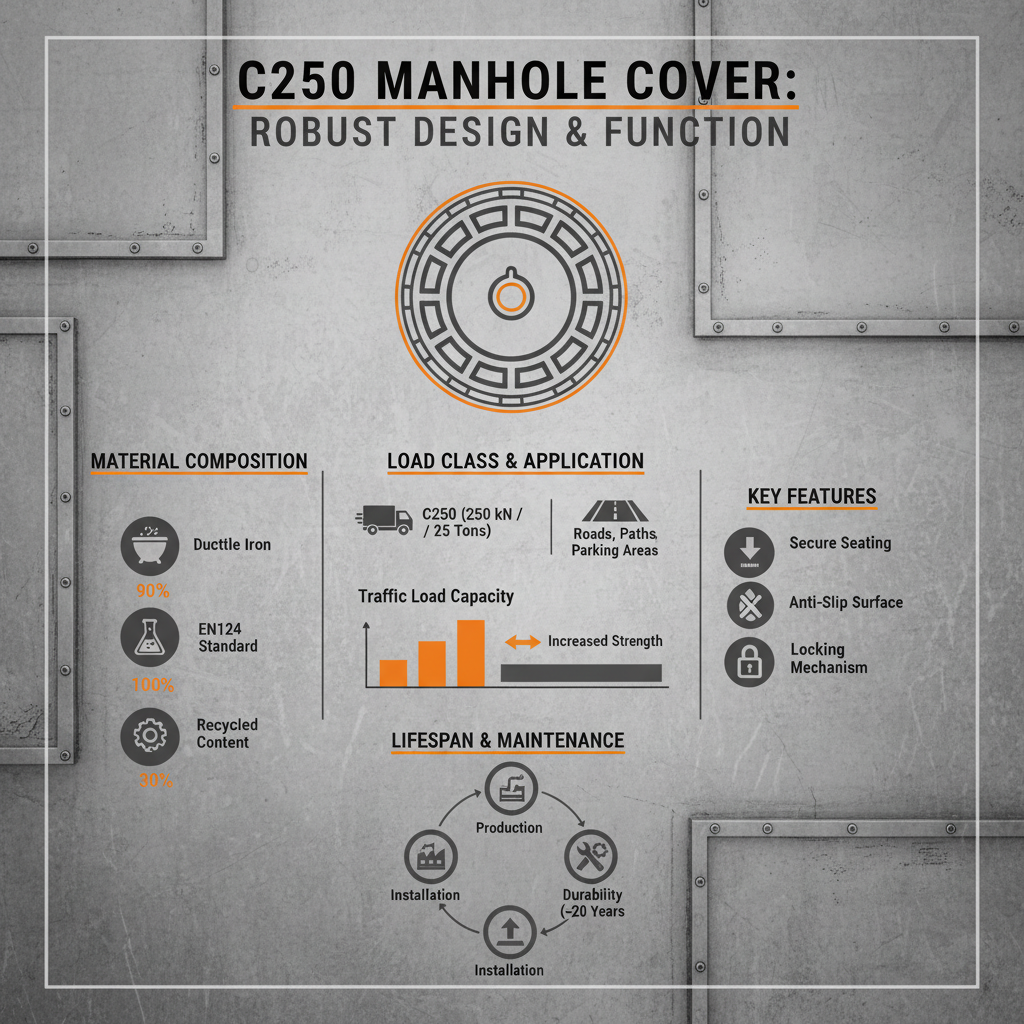
Manhole covers are a ubiquitous yet often overlooked component of modern infrastructure. Globally, the need for safe and reliable access to underground utilities – water, sewer, telecommunications, and electricity – drives a consistent demand for these essential products. Understanding the nuances of buying manhole covers, from material selection to load-bearing capacity, is crucial for municipalities, construction companies, and utility providers alike. Investing in high-quality manhole covers ensures public safety, prevents costly repairs, and contributes to the longevity of vital underground systems.
The global manhole cover market is substantial and continuously evolving, with innovations focused on security, durability, and ease of maintenance. Reports indicate a steady growth trajectory, fuelled by rapid urbanization, infrastructure development in emerging economies, and the increasing need to replace aging infrastructure in developed nations. Choosing to buy manhole cover wisely impacts operational efficiency and long-term cost savings.
This comprehensive guide delves into the key aspects of purchasing manhole covers, providing insights into materials, standards, applications, and future trends. From understanding the different types available to navigating the complexities of installation and maintenance, this resource aims to empower informed decision-making and ensure the acquisition of the right manhole cover for any given application.
The Importance of Choosing the Right buy manhole cover
Selecting the appropriate manhole cover isn’t simply a matter of covering an opening; it’s a critical decision that impacts safety, longevity, and cost-effectiveness. The wrong choice can lead to hazards for pedestrians and vehicles, premature failure of the cover itself, and ultimately, more expensive replacements. When you buy manhole cover, consider factors like the anticipated load, the material’s resistance to corrosion, and compliance with relevant safety standards.
Different environments and applications demand different specifications. A residential area requires different covers than a busy highway or an industrial site. Careful consideration of these variables is paramount to ensuring a safe and reliable infrastructure.
Global Context and Demand for buy manhole cover
The demand for manhole covers is intrinsically linked to global urbanization and infrastructure development. As cities grow and populations increase, the need for robust and reliable underground utility networks expands proportionally. Developing countries, in particular, are experiencing rapid infrastructure expansion, creating significant demand for cost-effective and durable solutions. Countries across Asia, Africa, and South America are actively investing in upgrading and expanding their infrastructure, driving up the global demand to buy manhole cover.
According to the UN, approximately 55% of the world’s population currently resides in urban areas, a figure projected to rise to 68% by 2050. This urbanization trend places immense pressure on existing infrastructure, necessitating investment in upgrades and new installations. The World Bank estimates that trillions of dollars will be required over the next decade to meet the infrastructure needs of developing countries, a substantial portion of which will be allocated to underground utility networks.
Moreover, aging infrastructure in developed nations requires consistent maintenance and replacement. The deterioration of existing manhole covers due to corrosion, wear and tear, or damage necessitates the ongoing procurement of new units, sustaining a consistent demand within these markets.
Defining buy manhole cover and Its Role in Infrastructure
A manhole cover is a removable plate designed to provide safe access to underground infrastructure, including sewers, water mains, telecommunications cables, and electrical conduits. These covers protect workers and the public from falling into the openings, while also safeguarding the underground utilities from debris and unauthorized access. The process to buy manhole cover has become a crucial aspect of urban planning and maintenance.
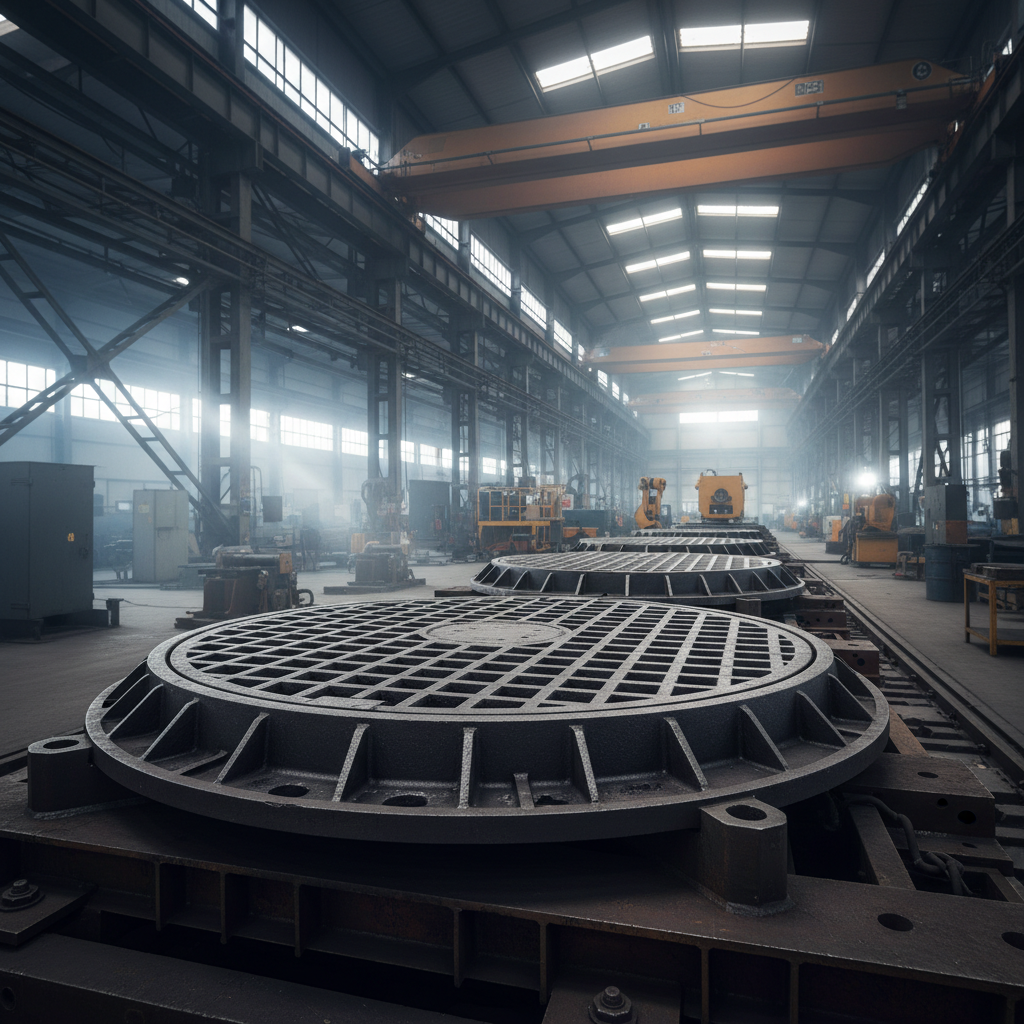
Manhole covers are not merely simple lids; they are engineered components designed to withstand significant loads, resist corrosion, and adhere to stringent safety standards. They play a vital role in maintaining the integrity and functionality of essential urban systems, contributing to public health, safety, and economic stability.
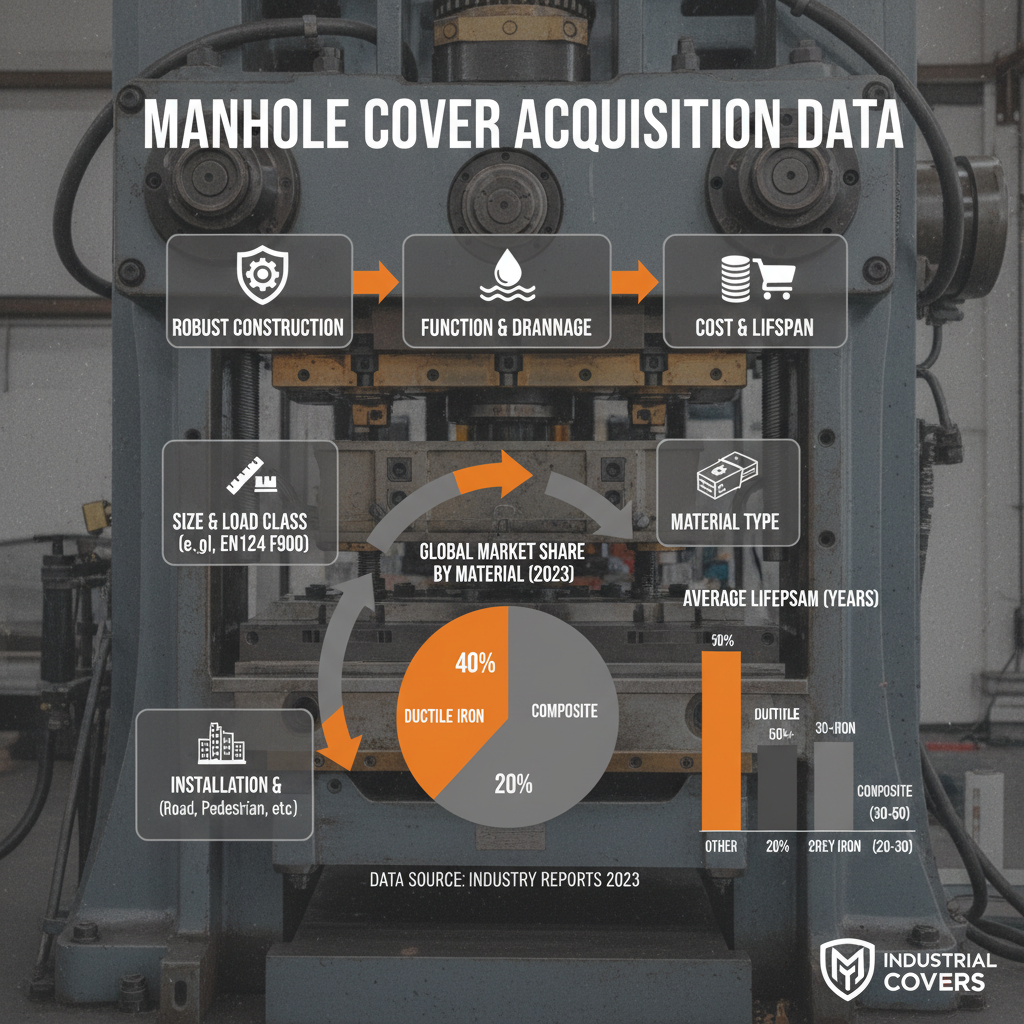
Historically, manhole covers were primarily constructed from cast iron. However, modern materials, such as composite polymers and ductile iron, are gaining popularity due to their superior properties, including lighter weight, increased strength, and enhanced corrosion resistance.
Key Factors When You buy manhole cover
When choosing to buy manhole cover, several critical factors must be considered to ensure optimal performance and longevity. These include the load-bearing capacity, material composition, locking mechanisms, and compliance with relevant industry standards.
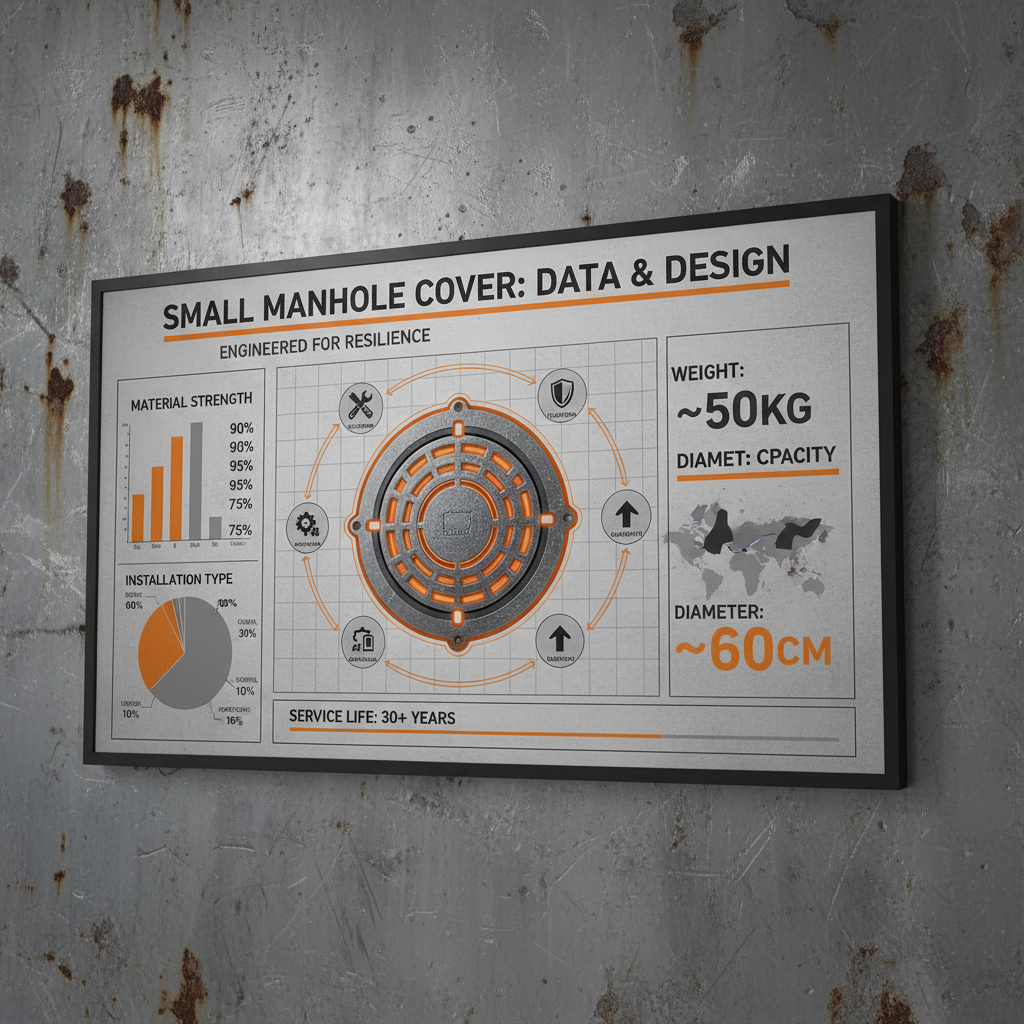
Load-bearing capacity is perhaps the most crucial factor. Manhole covers are subjected to varying degrees of stress from vehicular traffic, pedestrian footfall, and environmental factors. Choosing a cover with an appropriate load rating is essential to prevent damage and ensure public safety.
Comparison of buy manhole cover Materials
Applications of buy manhole cover Worldwide
Manhole covers find application across a diverse range of sectors and geographical locations. In municipal water and sewer systems, they provide essential access for maintenance and inspection. Telecommunications companies utilize them to house and protect underground cables. Power utilities rely on them to access underground electrical infrastructure.
In post-disaster relief operations, rapid access to underground utilities is crucial for restoring essential services. Durable and secure manhole covers are vital for ensuring the safety of rescue workers and the integrity of the infrastructure. In remote industrial zones, where access to resources may be limited, robust manhole covers can withstand harsh environmental conditions and minimize maintenance requirements.
Advantages of Investing in Quality buy manhole cover
Investing in high-quality manhole covers yields numerous tangible benefits, extending beyond simply covering an opening. Reduced maintenance costs, enhanced public safety, and increased lifespan all contribute to a significant return on investment. Choosing durable materials like ductile iron or composite polymers minimizes the need for frequent replacements, saving both time and money.
Furthermore, secure locking mechanisms deter theft and unauthorized access, safeguarding valuable underground assets. Improved safety features protect workers from accidental falls and potential injuries. Reliable manhole covers contribute to the overall stability and efficiency of the underlying infrastructure, fostering trust and confidence in essential public services.
Future Trends and Innovations in buy manhole cover Technology
The future of manhole cover technology is focused on incorporating smart features, enhancing security, and improving sustainability. Smart manhole covers equipped with sensors can monitor environmental conditions, detect gas leaks, and provide real-time data on infrastructure performance.
Advanced locking mechanisms, utilizing RFID or biometric authentication, are being developed to prevent theft and unauthorized access. The use of recycled materials and eco-friendly manufacturing processes is gaining traction, aligning with the growing emphasis on sustainability.
Digital transformation is also playing a role, with the integration of manhole cover data into asset management systems, enabling proactive maintenance and optimized resource allocation.
FAQS
Ductile iron and composite materials are considered the most durable options. Ductile iron offers exceptional strength and resistance to impact, while composites provide excellent corrosion resistance and a lighter weight. When you buy manhole cover consider the environment and loading conditions. A proper selection can significantly extend the cover's lifespan and reduce replacement costs.
Load ratings are crucial. Covers are typically rated based on their ability to withstand H-20, H-25, or even higher loads, representing the weight of standard highway traffic. Consider the expected traffic volume and type in the installation area. Always choose a cover with a load rating that exceeds the anticipated maximum load to ensure safety and prevent damage.
Locking mechanisms are extremely important for security and safety. They deter theft, which can be a significant problem, and prevent unauthorized access to underground utilities. Modern locking systems incorporate features like recessed designs, specialized tools required for removal, and even RFID or biometric authentication for enhanced security.
Composite manhole covers offer several advantages over cast iron, including lighter weight (making installation easier), superior corrosion resistance (reducing maintenance and extending lifespan), and non-magnetic properties (important for certain applications). They are also less susceptible to theft due to their lower scrap metal value.
Yes, several industry standards govern manhole cover design and performance. These include EN 124 (European Standard), ASTM A536 (American Society for Testing and Materials), and relevant local municipal codes. Ensure the covers you buy manhole cover comply with all applicable standards to guarantee safety and quality.
Regular inspection is crucial. Check for signs of corrosion, damage, or loose locking mechanisms. Clean the covers periodically to remove debris and prevent buildup. For metallic covers, consider applying a protective coating to enhance corrosion resistance. Promptly address any issues to prevent them from escalating.
Conclusion
In conclusion, the selection and procurement of manhole covers are critical aspects of infrastructure management. Choosing the right material, load rating, and locking mechanism significantly impacts safety, longevity, and cost-effectiveness. Understanding the evolving technologies and industry standards is paramount to making informed decisions and ensuring a reliable underground utility network. When you buy manhole cover it's more than a purchase, it's an investment in safety and reliability.
Looking ahead, we can anticipate continued innovation in manhole cover technology, driven by the demand for smarter, more secure, and sustainable solutions. Embracing these advancements will be essential for maintaining robust and resilient infrastructure in the face of growing urban populations and increasingly complex challenges. We recommend a thorough assessment of your specific needs and consultation with industry experts to ensure optimal performance and long-term value.