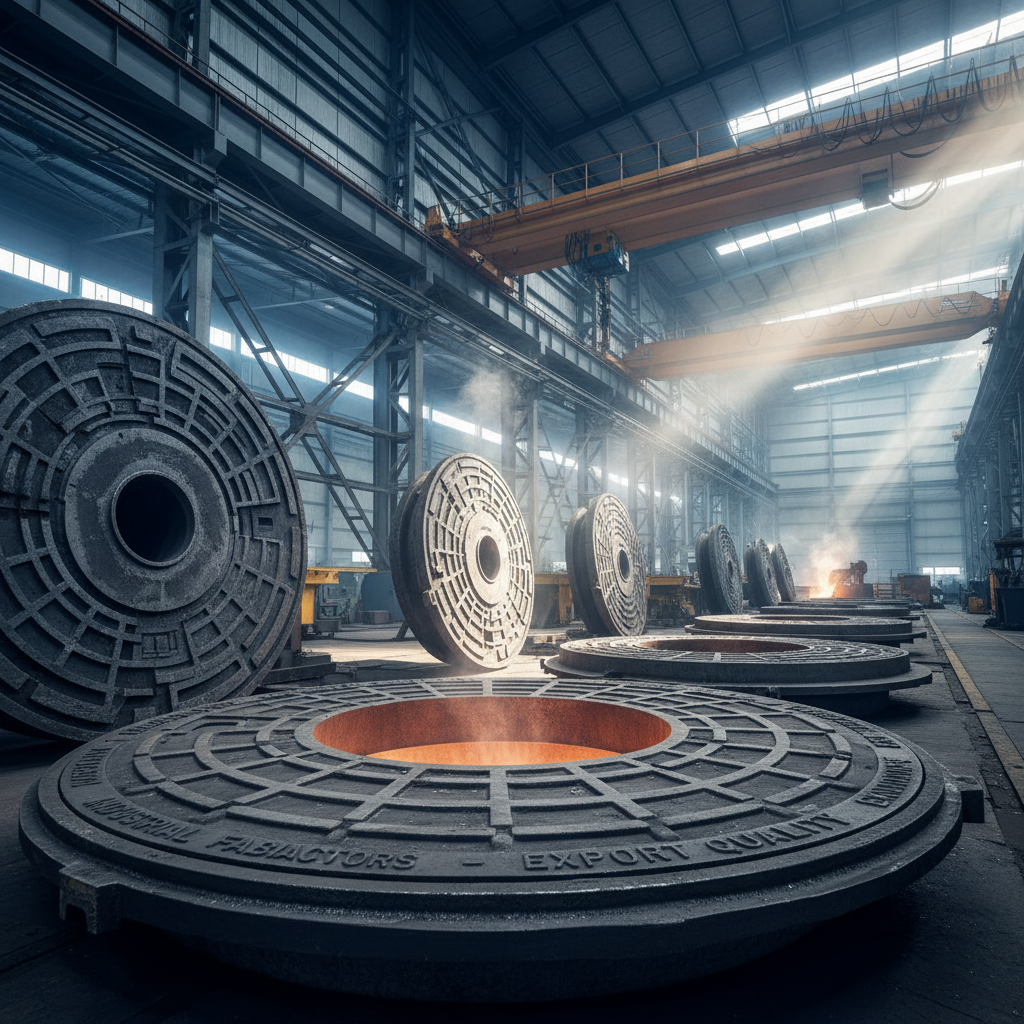
The c250 manhole cover, a critical component of underground infrastructure, plays a vital role in ensuring public safety and maintaining essential services. These covers provide secure access to buried utilities like sewers, telecommunications, and electricity, preventing accidents and protecting these crucial systems. Understanding the specifications, materials, and standards surrounding the c250 manhole cover is paramount for urban planning, construction, and maintenance crews worldwide.
Globally, the demand for robust and reliable manhole covers is consistently high, driven by urbanization, infrastructure development, and the need to replace aging systems. The c250 classification refers to a specific load-bearing capacity, defining the weight the cover can safely withstand, making it suitable for various traffic conditions—from pedestrian zones to heavy vehicular routes. Choosing the right c250 manhole cover minimizes risks and contributes to long-term infrastructure resilience.
The significance of a well-designed and properly installed c250 manhole cover extends beyond safety. It impacts operational efficiency, reduces maintenance costs, and supports the overall functionality of underground networks. Innovations in materials and manufacturing are continuously improving the performance and longevity of these essential infrastructure elements, offering sustainable and cost-effective solutions for modern cities.
The Core Functionality of c250 Manhole Covers
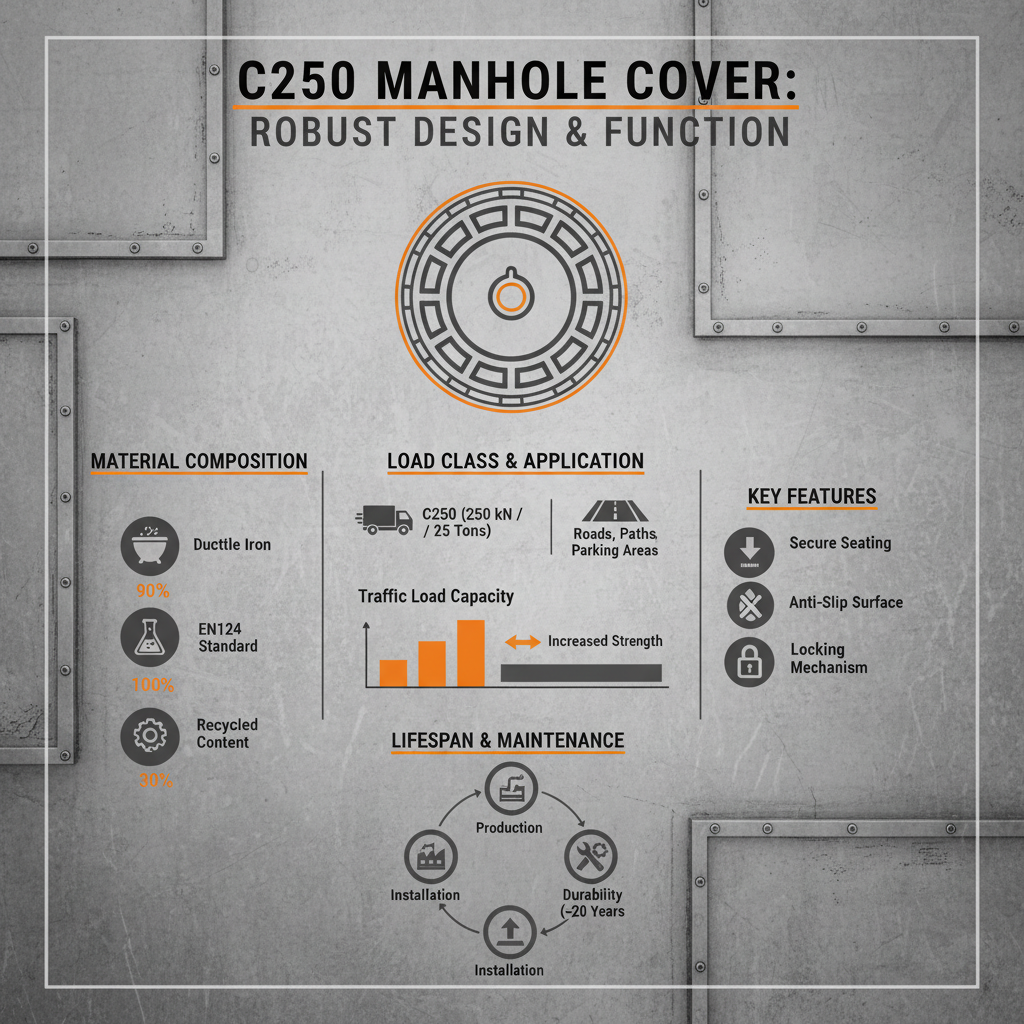
The primary function of a c250 manhole cover is to provide safe access to underground infrastructure. This access is crucial for inspection, maintenance, and repair of vital utilities. The "c250" designation indicates the cover’s ability to withstand a load of 250 kN (kilonewtons), or approximately 25 tonnes, making it suitable for areas with regular vehicular traffic. Without properly rated and secured covers, these underground systems would be vulnerable to damage and pose a significant safety risk.
Beyond safety, the c250 manhole cover contributes to the integrity of the entire underground network. A secure cover prevents the ingress of water, debris, and unauthorized access, protecting sensitive equipment and maintaining the efficiency of the systems below. Properly designed covers also minimize noise pollution and contribute to the overall aesthetics of urban environments.
Global Standards and Regulations for c250 Manhole Covers
The manufacture and installation of c250 manhole covers are subject to stringent international standards to ensure safety and performance. Organizations like the European Committee for Standardization (CEN) and the American Society for Testing and Materials (ASTM) define requirements for material properties, load-bearing capacity, and dimensional accuracy. These standards help to guarantee interoperability and reliability across different regions.
Adherence to these regulations is crucial for liability and insurance purposes. Local authorities also often have specific requirements regarding the type of cover allowed, especially in sensitive areas like historical districts or environmentally protected zones. Compliance ensures that the covers meet local conditions and contribute to the overall sustainability of infrastructure projects.
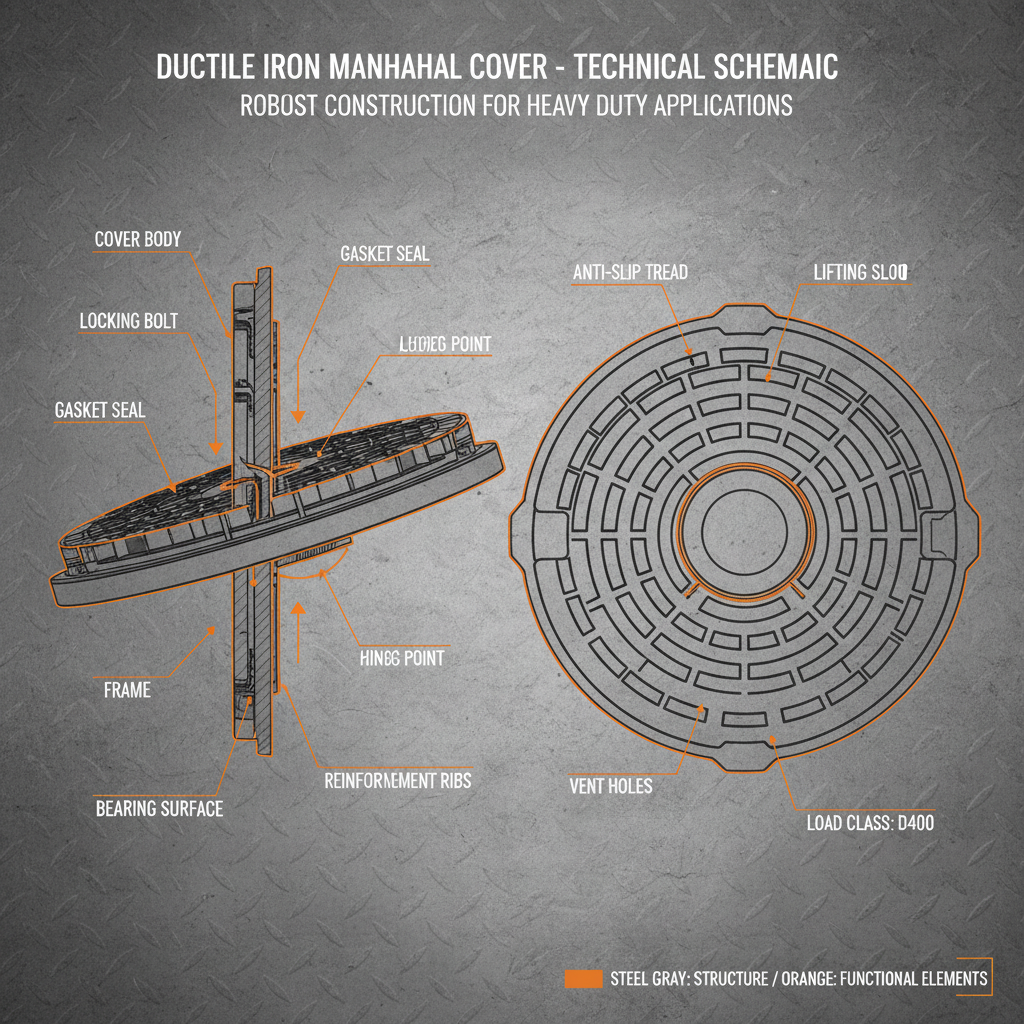
Furthermore, the selection of c250 manhole covers must consider factors like corrosion resistance, especially in harsh environments. Standards often specify the need for protective coatings or the use of corrosion-resistant materials like ductile iron or composite materials to extend the lifespan of the covers and reduce maintenance needs.
Material Composition and Manufacturing Processes of c250 Manhole Covers
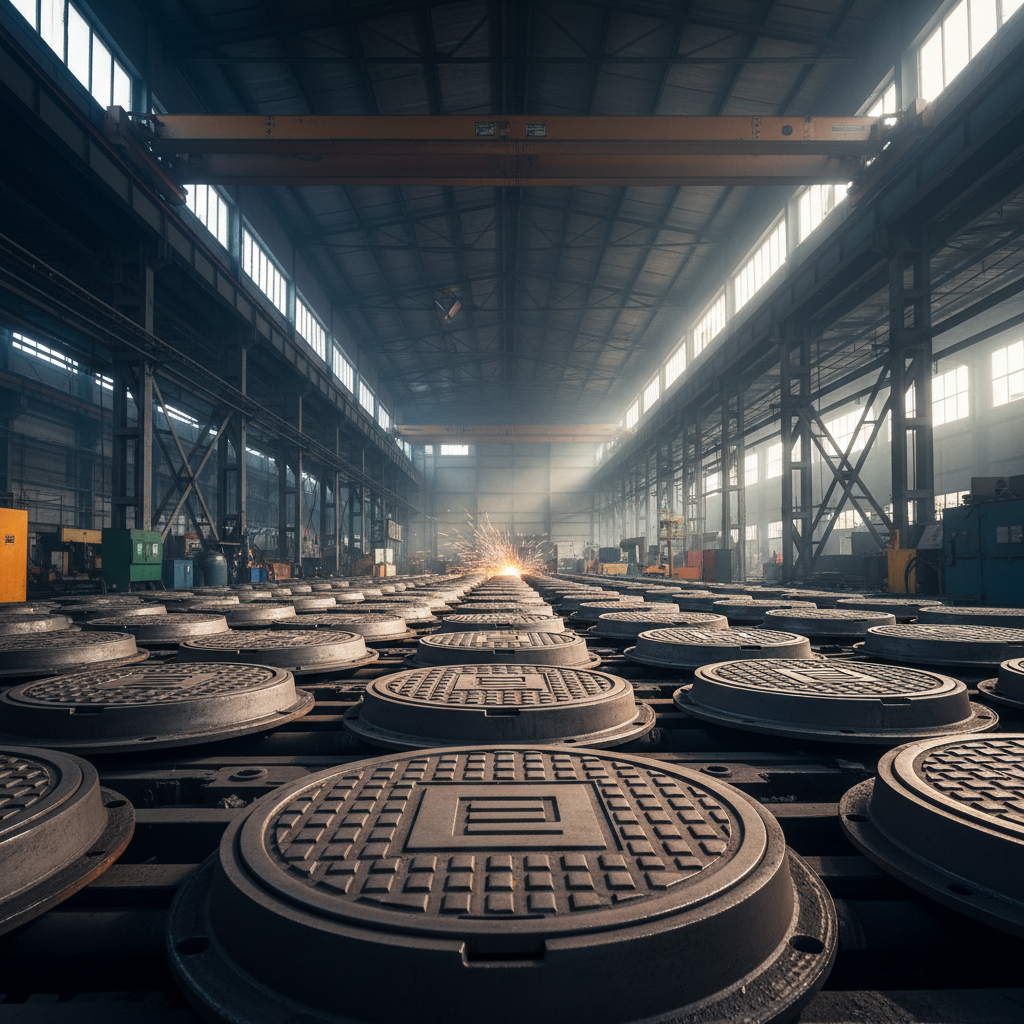
Traditionally, c250 manhole covers are manufactured from ductile iron due to its high strength, durability, and corrosion resistance. The manufacturing process typically involves sand casting, where molten iron is poured into a mold shaped like the cover. After cooling and solidification, the cover undergoes finishing processes like shot blasting and painting to enhance its appearance and provide further protection against corrosion. This process ensures the c250 manhole cover meets specific load requirements.
However, modern manufacturing is increasingly incorporating alternative materials like fiber-reinforced polymer (FRP) composites. These materials offer several advantages, including lighter weight, excellent corrosion resistance, and non-conductivity. FRP composite covers are manufactured using processes like resin transfer molding or compression molding, resulting in a durable and long-lasting product that also offers benefits like reduced risk of theft and easier handling.
The choice of material depends on the specific application and environmental conditions. Ductile iron remains the preferred choice for high-traffic areas and heavy load-bearing requirements, while FRP composites are increasingly used in pedestrian zones and areas where weight is a concern. Both materials are subject to rigorous quality control measures throughout the manufacturing process to ensure they meet the required standards.
Performance Characteristics of c250 Manhole Covers
The performance of a c250 manhole cover is defined by several key characteristics, including its load-bearing capacity, corrosion resistance, and durability. As previously mentioned, the "c250" rating signifies the ability to withstand a load of 250 kN. Testing protocols, as defined by international standards, verify that the covers meet this requirement under static and dynamic load conditions.
Corrosion resistance is paramount, particularly in environments exposed to salt, chemicals, or industrial pollutants. Ductile iron covers are often coated with protective layers like epoxy or zinc to prevent rust. FRP composite covers offer inherent corrosion resistance, eliminating the need for coatings and reducing long-term maintenance costs.
c250 Manhole Cover Performance Metrics
Real-World Applications of c250 Manhole Covers
c250 manhole covers are integral to a wide range of applications across diverse sectors. In municipal infrastructure, they provide access to sewer systems, stormwater drains, and water pipelines, essential for maintaining public health and sanitation. These covers are commonly found in urban streets, parks, and residential areas, ensuring safe and reliable access for maintenance personnel.
Beyond municipal uses, c250 manhole covers are employed in industrial facilities, power plants, and telecommunications networks. They provide access to underground cables, conduits, and equipment, enabling efficient operation and repair of critical infrastructure. The robust construction of these covers ensures they can withstand the demands of industrial environments.
Advantages and Long-Term Value of c250 Manhole Covers
Investing in high-quality c250 manhole covers offers numerous long-term advantages. The enhanced safety they provide reduces the risk of accidents and injuries, protecting both the public and maintenance workers. The durability of these covers minimizes the need for frequent replacements, resulting in significant cost savings over their lifespan.
The corrosion resistance of modern materials reduces maintenance requirements and extends the operational life of the covers. Moreover, the use of lighter-weight materials like FRP composites simplifies installation and handling, reducing labor costs. The overall long-term value of c250 manhole covers extends beyond financial considerations, contributing to the resilience and sustainability of infrastructure systems.
Choosing reliable c250 manhole covers builds trust in public utilities, demonstrating a commitment to safety, efficiency, and responsible infrastructure management.
Future Trends and Innovations in c250 Manhole Cover Technology
The future of c250 manhole cover technology is focused on several key areas, including smart covers, advanced materials, and improved installation techniques. Smart covers are equipped with sensors that monitor factors like weight, temperature, and water levels, providing real-time data for predictive maintenance and early detection of potential problems.
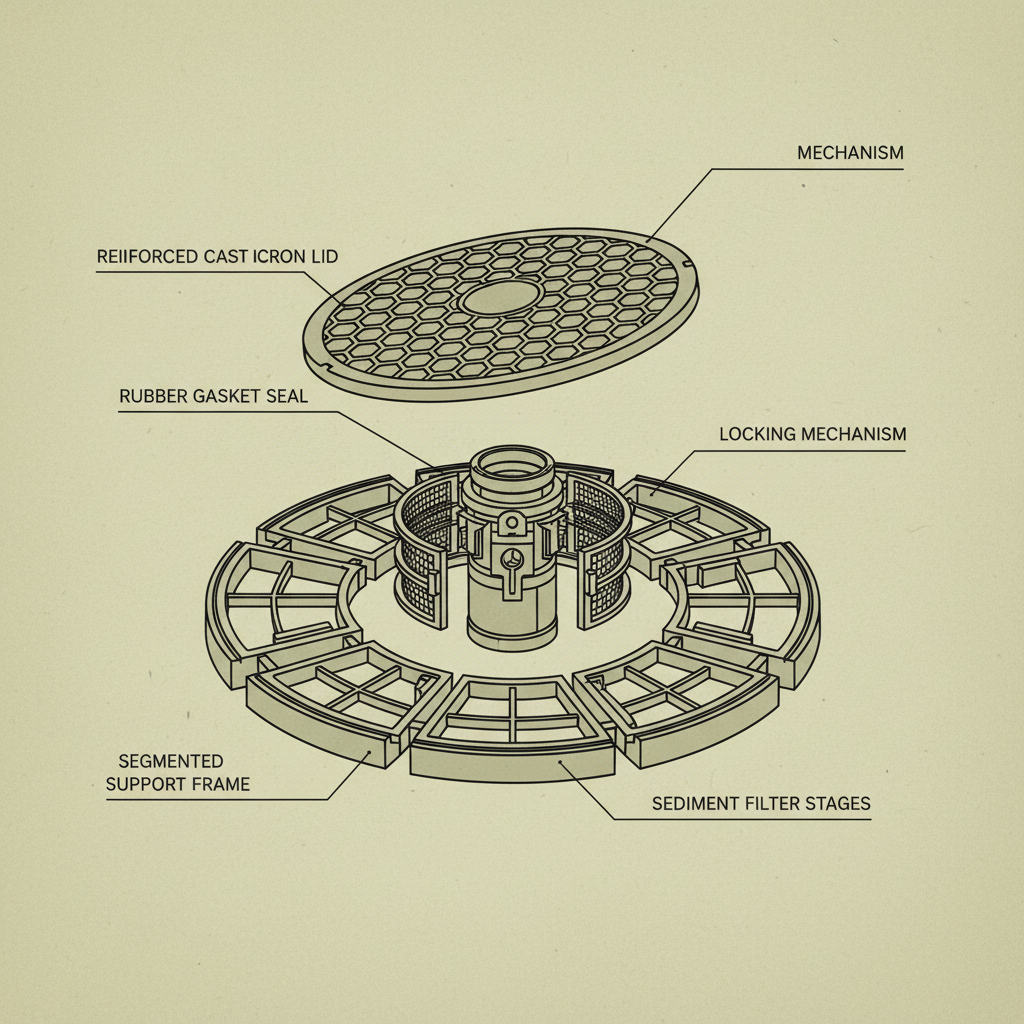
Research and development are ongoing to explore new composite materials with even greater strength, durability, and corrosion resistance. These advancements will further reduce maintenance costs and extend the lifespan of the covers. Furthermore, innovative locking mechanisms and security features are being developed to deter theft and vandalism.
The integration of digital technologies, such as Building Information Modeling (BIM), is also streamlining the design, installation, and maintenance of manhole cover systems, optimizing efficiency and reducing errors.
Summary of Future Trends in c250 Manhole Cover Development
| Technology Area |
Key Innovation |
Potential Impact |
Implementation Timeline |
| Smart Cover Technology |
Integration of sensors for real-time monitoring |
Predictive maintenance, reduced downtime, improved safety |
Short-term (1-3 years) |
| Advanced Composite Materials |
Development of lighter, stronger, and more corrosion-resistant materials |
Extended lifespan, reduced maintenance, lower lifecycle costs |
Mid-term (3-5 years) |
| Enhanced Security Features |
Improved locking mechanisms and anti-theft devices |
Reduced theft, minimized disruption of services |
Short-term (1-2 years) |
| Digital Twin Integration |
Creating virtual replicas of manhole systems for simulation and analysis |
Optimized design, improved maintenance planning, reduced risks |
Mid-term (3-5 years) |
| Automated Installation Systems |
Robotic systems for faster and more efficient installation |
Reduced labor costs, improved safety, increased installation speed |
Long-term (5+ years) |
| Sustainable Material Sourcing |
Utilizing recycled and eco-friendly materials in cover production |
Reduced environmental impact, promoted circular economy |
Ongoing |
FAQS
The lifespan of a c250 manhole cover varies depending on the material and environmental conditions. Ductile iron covers, with proper coating, can last 50-100 years. FRP composite covers typically have a lifespan of 30-50 years, offering excellent corrosion resistance. Regular inspection and maintenance are crucial for maximizing the lifespan of any c250 manhole cover. Choosing high-quality materials and a robust manufacturing process significantly increases longevity.
Determining the correct load rating is essential for safety. Consider the expected traffic volume and type (pedestrian, light vehicles, heavy trucks). The c250 rating indicates a capacity of 250 kN. If heavier loads are anticipated, a higher-rated cover is required. Consulting local regulations and a qualified civil engineer is recommended to ensure compliance and appropriate selection. Incorrectly rated covers pose a significant safety hazard.
FRP composite covers offer several advantages, including being significantly lighter than ductile iron, making installation easier and reducing strain on workers. They are also non-conductive, eliminating electrical hazards, and inherently corrosion-resistant, reducing maintenance needs. They also offer a lower risk of theft due to their reduced scrap value. While typically more expensive upfront, their long-term cost savings often outweigh the initial investment.
Regular maintenance is crucial for extending the lifespan of c250 manhole covers. This includes visual inspections for cracks, corrosion, or damage to coatings. Cleaning the cover surface to remove debris and contaminants helps prevent corrosion. Check the locking mechanisms to ensure they are functioning properly. For ductile iron covers, regularly inspect and repair any damage to the protective coating. Periodic professional inspections are also recommended.
Unfortunately, metal manhole covers, particularly those made of ductile iron, are sometimes targeted by thieves for scrap metal value. FRP composite covers are less susceptible to theft due to their lower scrap value. Utilizing secure locking mechanisms, implementing security surveillance, and marking the covers with identifying information can deter theft. Reporting any suspicious activity to local authorities is also important.
Environmental considerations are increasingly important. FRP composite covers offer a lower carbon footprint compared to ductile iron, as their manufacturing process requires less energy. Choosing covers made from recycled materials further reduces environmental impact. Proper disposal of end-of-life covers is also essential, ensuring responsible recycling practices. Selecting durable, long-lasting covers minimizes the need for frequent replacements, reducing overall resource consumption.
Conclusion
The c250 manhole cover remains a fundamental component of modern infrastructure, safeguarding underground utilities and ensuring public safety. From traditional ductile iron designs to innovative composite materials and smart technologies, the evolution of these covers reflects a commitment to durability, reliability, and sustainability. Understanding the standards, applications, and future trends surrounding c250 manhole covers is essential for engineers, urban planners, and infrastructure managers alike.
Looking ahead, continued innovation in materials, manufacturing, and monitoring technologies will further enhance the performance and longevity of c250 manhole covers. Investing in high-quality covers and implementing proactive maintenance programs will not only reduce lifecycle costs but also contribute to the resilience and sustainability of our urban environments. For more information on c250 manhole covers and our comprehensive range of products, visit our website: www.hbyqmetal.com