Septic tank manhole covers are critical components of wastewater management systems, ensuring safe access for inspection and maintenance while preventing contamination and hazards. Globally, effective sanitation infrastructure is essential for public health, environmental protection, and sustainable development. These covers play a quiet, but vital, role in achieving these goals. From residential areas to large-scale industrial facilities, a reliable septic tank manhole cover is a necessity.
The increasing global population and urbanization are placing immense strain on existing wastewater infrastructure. Traditional manhole covers often face issues with corrosion, theft, and structural integrity, leading to safety risks and costly repairs. Addressing these challenges necessitates innovative materials, robust designs, and adherence to stringent industry standards. Investing in quality septic solutions is not merely an infrastructure upgrade; it’s an investment in public well-being.
The importance of a functional septic system extends beyond just waste disposal; it is integral to preventing groundwater contamination, preserving ecosystems, and safeguarding public health. Reliable septic tank manhole covers are a key element in ensuring the longevity and efficiency of these vital systems, making them a cornerstone of modern sanitation practices.
The Fundamental Role of Septic Tank Manhole Covers
A septic tank manhole cover’s primary role is to provide secure, safe access to the septic tank for inspection, cleaning, and maintenance. This is crucial for ensuring the efficient operation of the entire wastewater system. Without a properly sealed and durable cover, risks of contamination, gas leaks, and accidental falls significantly increase.
Beyond safety, the cover also prevents unauthorized access and potential vandalism. Choosing the correct cover material – such as ductile iron, composite materials, or reinforced concrete – directly impacts the lifespan of the system and minimizes long-term maintenance costs.
Global Relevance and Industry Standards
The need for effective wastewater management is a global concern, highlighted by organizations like the UN and the World Bank. Access to sanitation is a fundamental human right, and reliable septic systems are a critical component of achieving this. Millions worldwide still lack access to basic sanitation, leading to preventable diseases and environmental degradation. The demand for robust and dependable septic tank manhole cover solutions is therefore constantly increasing.
Several international standards govern the design, manufacture, and testing of manhole covers, including ISO standards and regional specifications (e.g., EN standards in Europe, ASTM standards in the US). These standards ensure that covers meet specific load-bearing capacity, corrosion resistance, and safety requirements. Adhering to these standards is vital for quality control and consumer protection.
Increasingly, governments are implementing stricter regulations regarding wastewater management and requiring the use of certified components, furthering the demand for high-quality septic tank manhole covers that meet regulatory requirements.
Defining Septic Tank Manhole Covers
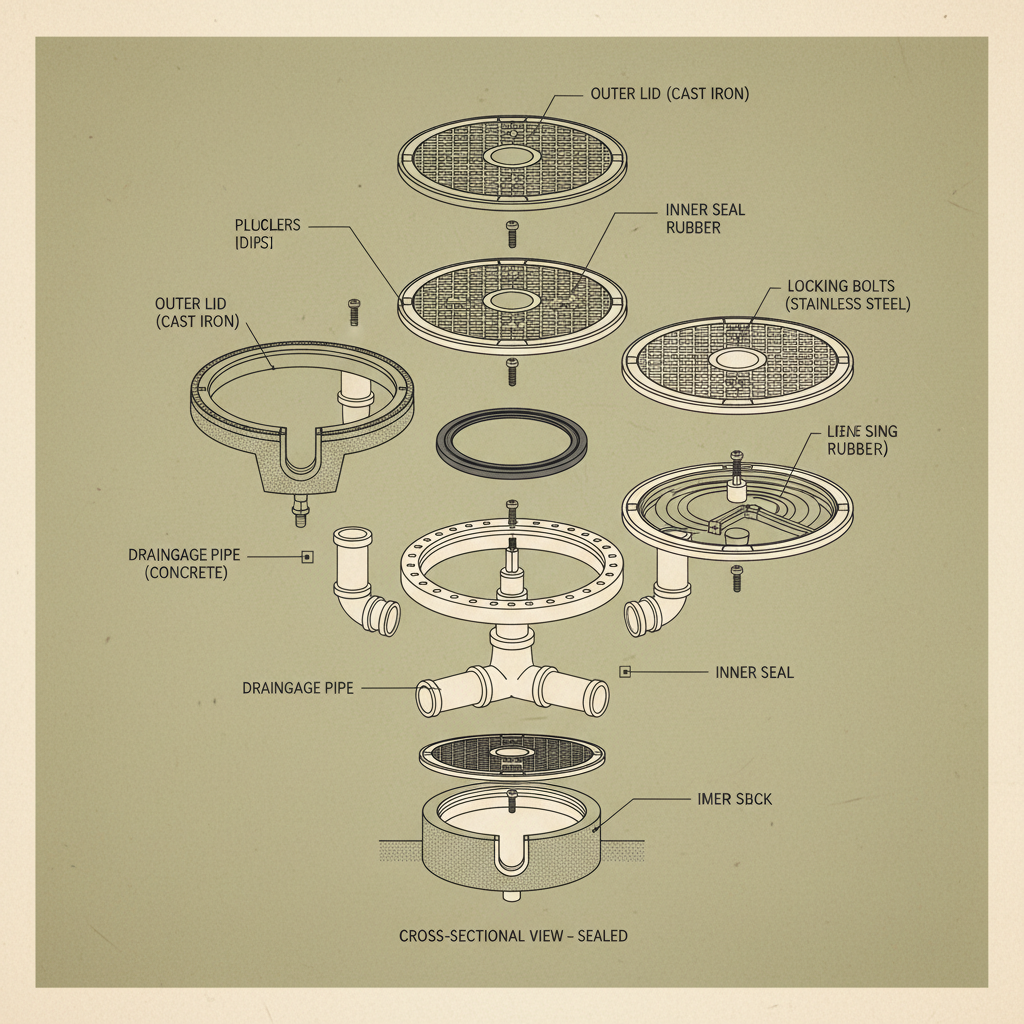
A septic tank manhole cover is a removable lid designed to seal the access opening to a septic tank. It allows maintenance personnel to safely inspect the tank's interior, pump out accumulated solids, and perform necessary repairs. It’s a seemingly simple component, but integral to the overall performance and safety of the entire wastewater treatment system.
In modern industrial settings and even residential developments, these covers are designed for longevity and durability, often built to withstand heavy loads and resist corrosion. The connection between efficient waste management and public health underscores the importance of selecting the appropriate type of septic tank manhole cover based on environmental factors, usage intensity, and local regulations.
The evolution of manhole cover design has reflected advancements in materials science and engineering, with increasingly sophisticated locking mechanisms and lightweight, high-strength materials becoming commonplace.
Core Components and Performance Factors
Several key factors determine the effectiveness and longevity of a septic tank manhole cover. Durability is paramount, necessitating materials that can withstand significant loads from traffic, corrosion from environmental elements, and the impact of tools during maintenance.
Load-bearing capacity is another critical factor, categorized by load classes (A15, B125, C250, D400, E600, and F900), each corresponding to a maximum load in kilograms. The correct load class must be selected based on the expected traffic conditions.
Septic Tank Manhole Cover Performance Comparison
Global Applications and Use Cases
Septic tank manhole covers are utilized across a wide spectrum of applications, ranging from individual residential septic systems to large-scale municipal wastewater treatment plants. In rural areas lacking centralized sewage systems, these covers are essential for maintaining the integrity of on-site wastewater treatment.
In post-disaster relief operations, quickly deployable septic systems with durable manhole covers are crucial for preventing the spread of disease and ensuring sanitation in temporary settlements. Industrial facilities, such as food processing plants and manufacturing sites, rely on robust covers to manage wastewater generated by their operations.
Remote industrial zones and mining camps often depend on self-contained wastewater treatment systems, where the reliability of the septic tank manhole cover is paramount due to limited access for repairs and maintenance.
Advantages and Long-Term Value Proposition
Investing in high-quality septic tank manhole covers yields significant long-term benefits. Reduced maintenance costs are a primary advantage, as durable materials resist corrosion and wear, minimizing the need for frequent replacements. Improved safety is another key benefit, preventing accidents and protecting maintenance personnel.
Furthermore, dependable covers contribute to environmental sustainability by preventing leaks and contamination of groundwater. They increase the longevity of septic systems, reducing the need for costly and disruptive repairs or complete system replacements. The peace of mind derived from knowing your sanitation infrastructure is reliable and secure adds immeasurable value.
Future Trends and Innovative Materials
The future of septic tank manhole cover technology is focused on incorporating smart materials and advanced designs. Composite materials, offering a superior strength-to-weight ratio and enhanced corrosion resistance, are gaining popularity. Innovations in locking mechanisms are enhancing security and preventing unauthorized access.
The integration of sensors and digital monitoring systems is a growing trend, enabling remote monitoring of cover integrity and early detection of potential issues. These “smart covers” can transmit data on load levels, corrosion rates, and tampering attempts, providing valuable insights for preventative maintenance.
There’s also a growing emphasis on sustainability, with manufacturers exploring the use of recycled materials and developing more environmentally friendly production processes.
Analysis of Current Septic Tank Manhole Cover Challenges and Mitigation Strategies
| Challenge |
Impact Severity (1-10) |
Mitigation Strategy |
Implementation Cost (USD) |
| Corrosion |
8 |
Utilize corrosion-resistant materials (e.g., ductile iron, composites) |
$50 - $200 |
| Theft |
7 |
Implement secure locking mechanisms and consider GPS tracking |
$100 - $500 |
| Load Failure |
6 |
Select appropriate load class based on traffic conditions |
$20 - $100 |
| Difficult Access |
5 |
Design covers with ergonomic lifting features and consider lightweight materials |
$30 - $150 |
| Poor Sealing |
7 |
Implement robust sealing gaskets and regular inspection |
$10 - $50 |
| Regulatory Non-Compliance |
9 |
Ensure covers meet relevant industry standards (ISO, EN, ASTM) |
$50 - $300 |
FAQS
A well-maintained ductile iron septic tank manhole cover can last for 50 years or more, offering exceptional durability and resistance to corrosion. Regular inspections and protective coatings can further extend its lifespan. The longevity makes it a cost-effective option in the long run, despite a potentially higher initial investment compared to some other materials.
Determining the correct load rating is crucial for safety. Consider the expected traffic volume and type (pedestrian, vehicular, heavy trucks). Refer to industry standards and local regulations to select a cover with a load class that exceeds the anticipated maximum load. Underrating the load capacity can lead to structural failure and potential hazards.
Yes, composite manhole covers are increasingly popular due to their lightweight nature, corrosion resistance, and non-metallic properties (reducing theft risk). While they may have a slightly lower load capacity than ductile iron in some cases, modern composite materials offer excellent strength and durability. They can be a particularly good choice for areas prone to corrosion.
Several locking mechanisms are available, including bolted systems, recessed locking devices, and tamper-proof screws. More advanced options incorporate key-operated locks or even electronic access control systems. The choice depends on the level of security required and the budget. Implementing a robust locking system is essential for protecting the integrity of the septic system.
Septic tank manhole covers should be inspected at least annually, or more frequently in areas with high traffic or harsh environmental conditions. Inspections should focus on identifying signs of corrosion, damage to the locking mechanism, and proper sealing. Promptly address any issues to prevent further deterioration and maintain system integrity.
Durable, high-quality manhole covers minimize the risk of leaks and contamination, protecting groundwater resources and preventing environmental damage. By reducing the need for frequent replacements, they also conserve resources and reduce the carbon footprint associated with manufacturing and transportation. Choosing environmentally responsible materials further enhances these benefits.
Conclusion
In conclusion, septic tank manhole covers are a fundamental yet often overlooked component of effective wastewater management systems. Their significance extends beyond simply providing access; they play a critical role in protecting public health, preserving the environment, and ensuring the longevity of vital sanitation infrastructure. The selection of the right cover, considering factors such as material, load capacity, and security features, is crucial for optimizing performance and minimizing long-term costs.
Looking ahead, innovations in materials science, smart technology, and sustainable manufacturing practices promise to further enhance the functionality and environmental responsibility of septic tank manhole covers. Investing in these advancements is essential for building resilient and sustainable sanitation systems that can meet the growing demands of a changing world. To explore our range of high-quality solutions, visit our website: www.hbyqmetal.com.