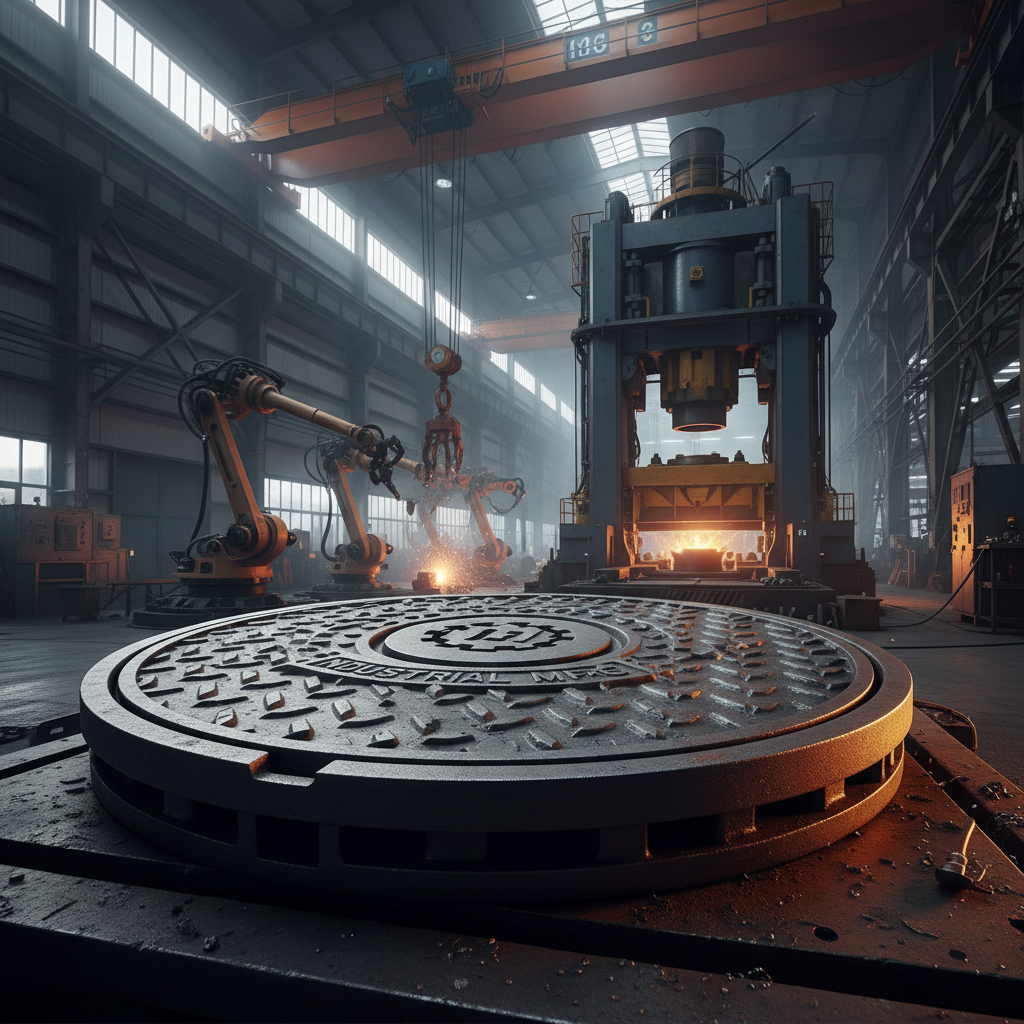
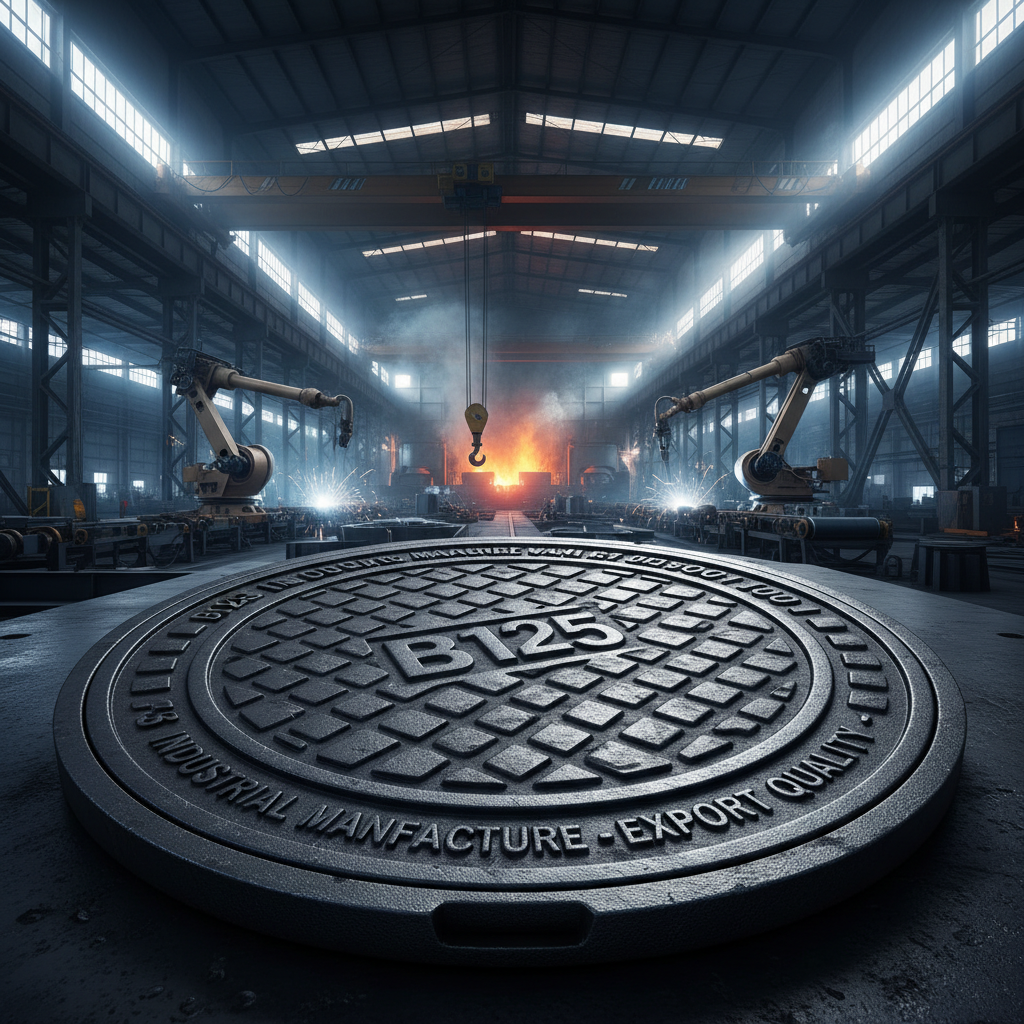
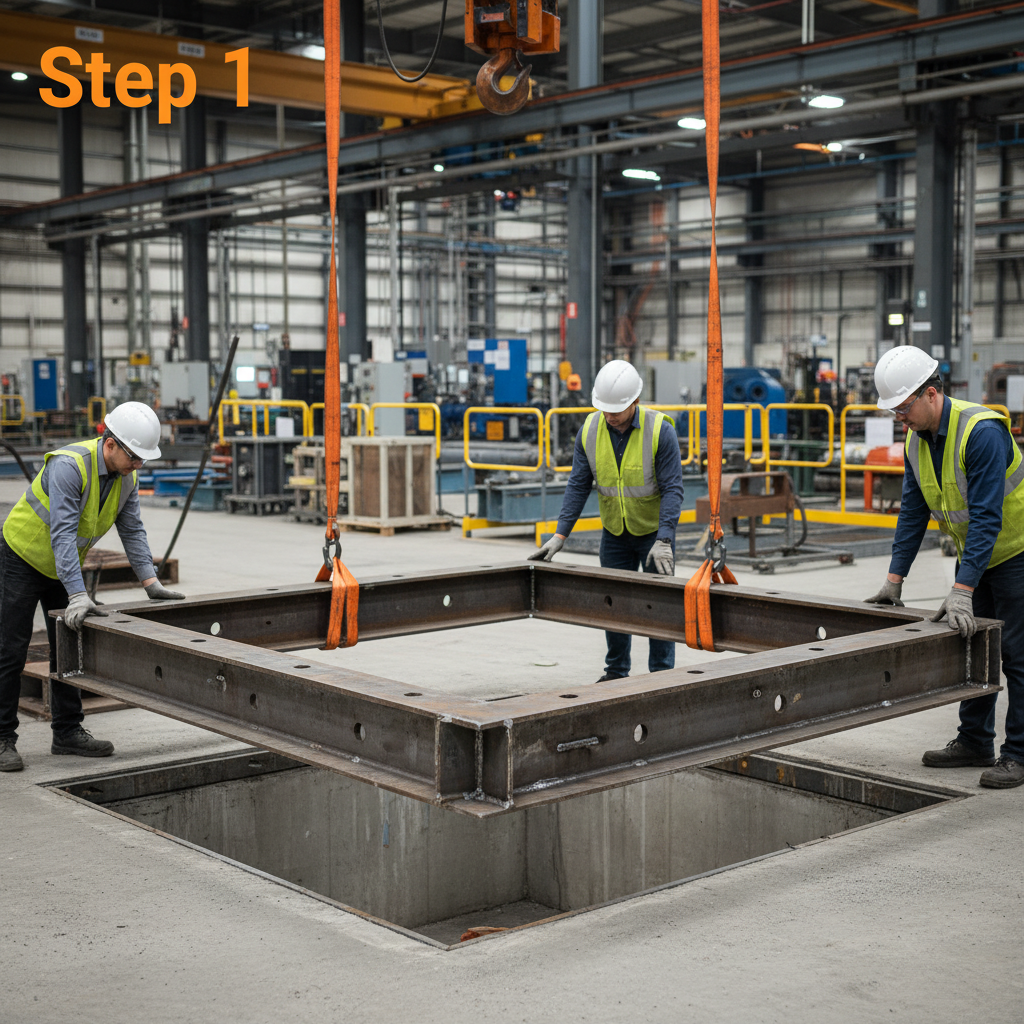
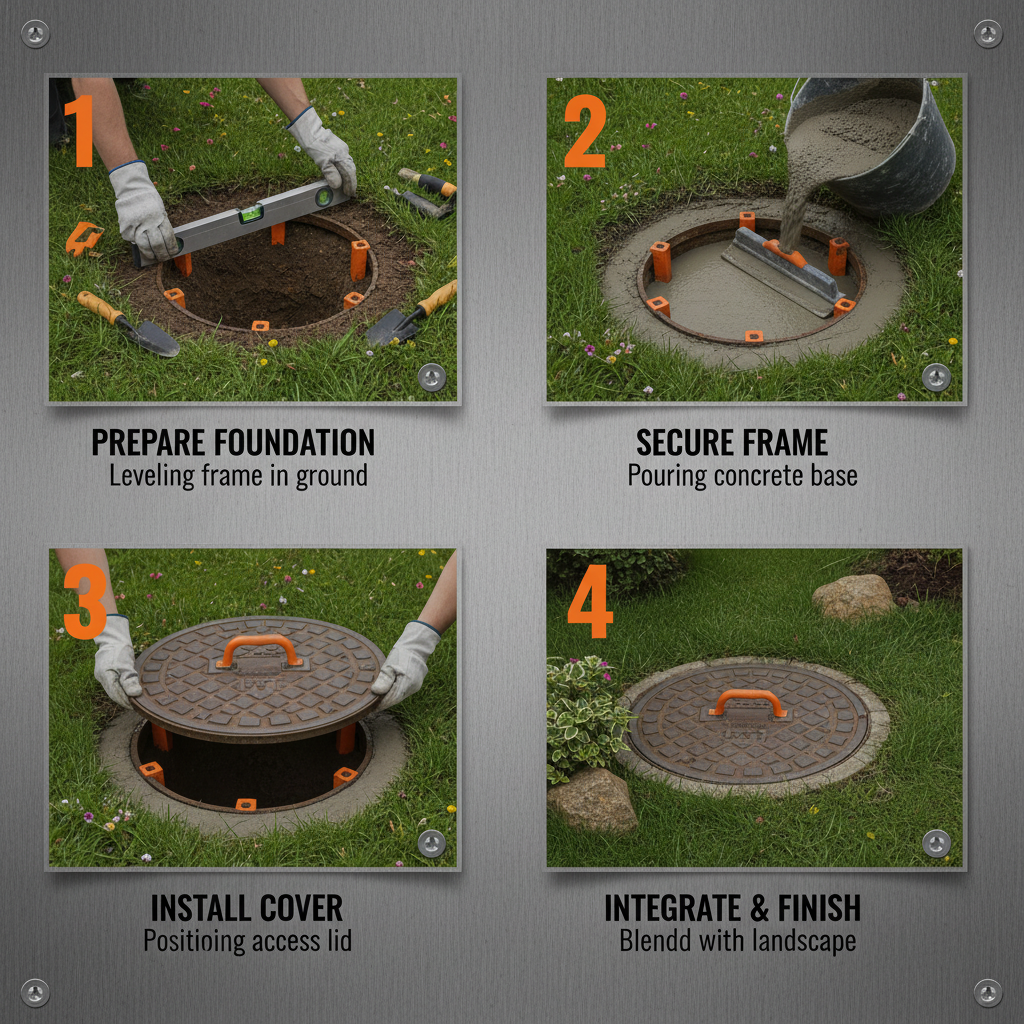
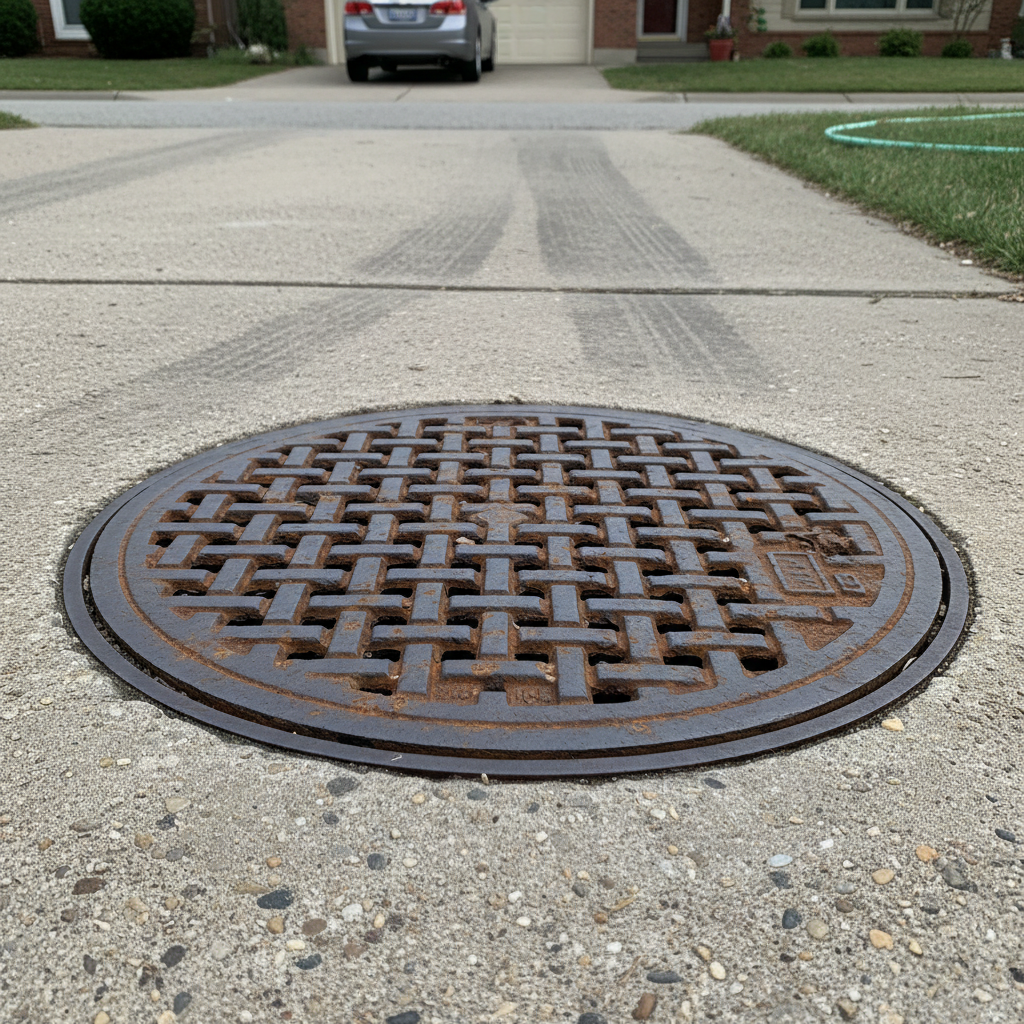
The b125 manhole cover, a seemingly simple infrastructural component, plays a critical role in maintaining the safety and functionality of urban and rural environments worldwide. These covers protect access points to underground utilities – sewers, telecommunications, electricity, and more – safeguarding both the public and essential services. Understanding their design, materials, and standards is vital for ensuring robust infrastructure and preventing costly and potentially dangerous failures. A well-maintained b125 manhole cover contributes significantly to public health, environmental protection, and economic stability.
Globally, the demand for durable and secure manhole covers is consistently high, driven by urbanization, infrastructure development, and the need for reliable utility access. From rapidly growing megacities in Asia to aging infrastructure in Europe and North America, the challenge of replacing and maintaining these vital components is universal. Effective solutions must balance cost, longevity, safety, and resistance to theft and environmental degradation. The b125 designation itself indicates a specific load-bearing capacity, crucial for withstanding vehicular traffic and other stresses.
The increasing focus on sustainable infrastructure and smart city initiatives further emphasizes the importance of innovative manhole cover solutions. Materials science advancements, coupled with intelligent monitoring technologies, are driving a shift towards more resilient, efficient, and environmentally friendly options. The b125 manhole cover is therefore not just a physical object, but a crucial element within a larger, interconnected network of essential urban services.
The Significance of b125 Manhole Covers
The b125 manhole cover's importance stems from its fundamental role in protecting vital underground infrastructure. Damage or failure of these covers can lead to serious safety hazards, including falls and exposure to hazardous materials. Furthermore, compromised covers can allow unauthorized access, potentially disrupting essential services and leading to theft. Properly specified and maintained b125 covers contribute directly to public safety and the reliable operation of critical utilities.
Beyond safety, the longevity and durability of a b125 manhole cover directly impact infrastructure lifecycle costs. Frequent replacements represent a significant financial burden for municipalities and utility companies. Investing in high-quality materials and robust designs minimizes these costs over the long term, offering a substantial return on investment. A focus on lifecycle cost analysis is crucial when selecting appropriate manhole cover solutions.
Global Context and Industry Relevance
The demand for b125 manhole covers, and manhole covers in general, is intrinsically linked to global urbanization. As more people move to cities, the strain on underground infrastructure increases exponentially, requiring constant maintenance and expansion. The United Nations projects that by 2050, 68% of the world's population will live in urban areas, amplifying the need for robust and reliable infrastructure components like the b125 cover.
Industries such as water management, telecommunications, and energy distribution rely heavily on accessible and secure underground networks. The b125 manhole cover forms an integral part of these networks, ensuring the safe and efficient operation of critical services. International standards, such as those set by ISO and EN, govern the design, testing, and performance of these covers, ensuring consistent quality and safety across different regions.
Furthermore, the World Bank actively supports infrastructure development projects in developing countries, often including provisions for upgrading and maintaining underground utility networks, which directly translates into demand for high-quality b125 manhole covers. The selection process considers factors such as local climate, traffic loads, and the risk of theft and vandalism.
Defining the b125 Manhole Cover
A b125 manhole cover is a removable lid designed to cover an opening to an underground utility chamber. The “b125” designation specifically refers to its load-bearing capacity, indicating that it is designed to withstand a load of 125 kN (kilonewtons) – approximately 12,750 kilograms or 28,100 pounds. This rating makes it suitable for areas subjected to moderate to heavy vehicular traffic.
The connection to modern industry and humanitarian needs is profound. Modern cities simply cannot function without reliable access to underground utilities. In emergency situations, such as natural disasters or infrastructure failures, accessible manholes are crucial for rapid repair and restoration of essential services. The b125 manhole cover plays a crucial role in maintaining public safety and well-being.
Beyond its functional purpose, the b125 manhole cover is often a critical component in the broader context of urban design. Materials, shapes, and even surface patterns can be chosen to blend with the surrounding environment and enhance the aesthetic appeal of public spaces. Considerations around accessibility for maintenance personnel are also fundamental to the design.
Key Characteristics and Core Components
Durability is paramount. B125 manhole covers are typically manufactured from materials like ductile iron, which offers exceptional strength and resistance to corrosion and impact. The design must withstand repeated stress from traffic loads and environmental factors.
Load Capacity, as highlighted by the 'b125' designation, dictates the application suitability. Choosing the correct load rating is crucial for safety and preventing premature failure. Exceeding the rated load can lead to cracking, deformation, and potential hazards.
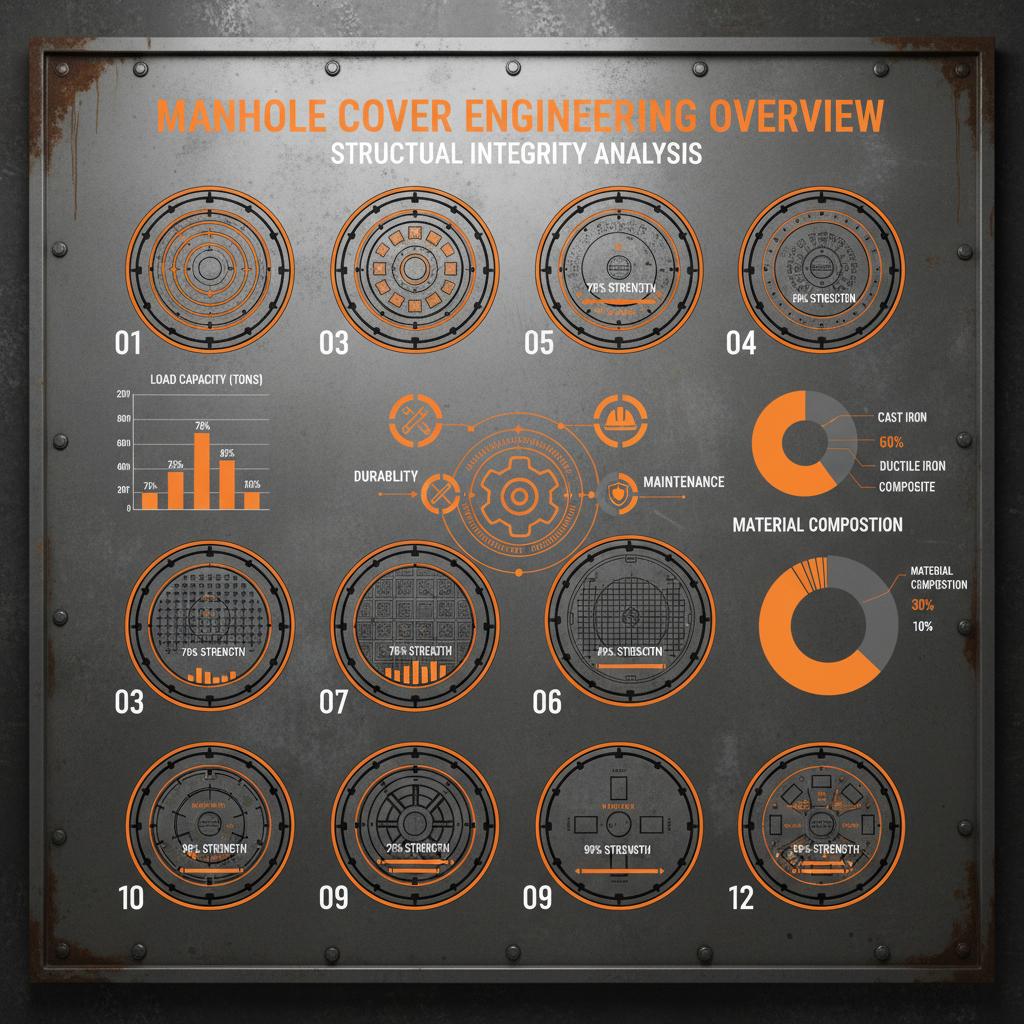
B125 Manhole Cover Performance Metrics
Worldwide Applications and Real-World Use Cases
B125 manhole covers are ubiquitous in urban environments globally, found in city streets, industrial zones, and residential areas. They provide access to sewer systems, stormwater drains, telecommunications cabling, and electrical networks. Their robust design makes them suitable for a wide range of climates and traffic conditions.
In post-disaster relief operations, maintaining access to underground utilities is critical for restoring essential services. B125 manhole covers, due to their durability, often remain intact even after significant structural damage, allowing for rapid assessment and repair. They are vital in ensuring the continued operation of vital infrastructure.
Advantages and Long-Term Value Proposition
The primary advantage of the b125 manhole cover lies in its enhanced safety and reliability compared to lighter-duty alternatives. The high load-bearing capacity minimizes the risk of cover failure, protecting both the public and infrastructure. This also translates into reduced maintenance and replacement costs over the lifecycle of the cover.
From a sustainability perspective, using durable materials like ductile iron reduces the need for frequent replacements, lowering the environmental impact associated with manufacturing and transportation. The long-term value proposition is significant, contributing to more resilient and sustainable infrastructure networks.
Future Trends and Innovations in Manhole Cover Technology
Smart manhole covers, equipped with sensors, are an emerging trend. These sensors can monitor water levels, gas concentrations, and even detect unauthorized access, providing real-time data for proactive maintenance and security. Digital technologies are transforming the way infrastructure is managed.
Material science advancements are also driving innovation. New composite materials are being developed that offer comparable strength to ductile iron, but with reduced weight and increased corrosion resistance. These materials can also be more cost-effective to produce.
The integration of IoT (Internet of Things) technologies into b125 manhole covers will enable remote monitoring and predictive maintenance, optimizing infrastructure performance and reducing downtime. This aligns with the broader trend towards smart city initiatives.
Summary of Factors Influencing B125 Manhole Cover Selection
| Traffic Load |
Material Composition |
Corrosion Environment |
Theft Risk |
| Light pedestrian traffic (1-5) |
Ductile Iron (8/10) |
Mildly corrosive (6/10) |
Low (2/10) |
| Moderate vehicle traffic (6-8) |
Composite Materials (7/10) |
Moderately corrosive (7/10) |
Medium (5/10) |
| Heavy truck traffic (9-10) |
High-grade ductile iron (9/10) |
Highly corrosive (9/10) |
High (8/10) |
| Occasional heavy vehicles (5-7) |
Polymer concrete (6/10) |
Low corrosive (5/10) |
Low (3/10) |
| Residential Streets (2-4) |
Fiberglass Reinforced Polymer (7/10) |
Mildly corrosive (6/10) |
Medium (4/10) |
| Industrial Areas (7-9) |
Steel reinforced concrete (8/10) |
Highly corrosive (8/10) |
High (7/10) |
FAQS
The lifespan of a b125 manhole cover varies depending on the material, environmental conditions, and traffic load. However, a ductile iron b125 cover, properly installed and maintained, can easily last 50-75 years or even longer. Composite materials generally have a similar or slightly shorter lifespan, but offer advantages in terms of weight and corrosion resistance. Regular inspections and timely repairs are crucial for maximizing the longevity of any manhole cover.
The appropriate load rating depends on the expected traffic volume and weight. A b125 cover is suitable for areas with moderate to heavy vehicular traffic. If the area is subject to extremely heavy loads, such as frequent heavy truck traffic, a higher-rated cover may be necessary. It’s crucial to consult local regulations and engineering standards to ensure compliance and safety. Ignoring this step can lead to premature failure and potential hazards.
Ductile iron is the most common material for b125 manhole covers due to its strength, durability, and corrosion resistance. Composite materials, such as fiber-reinforced polymers, are gaining popularity as lighter-weight and corrosion-resistant alternatives. Concrete manhole covers are also used, particularly in areas with lower traffic loads. Each material has its own advantages and disadvantages regarding cost, weight, and performance.
Manhole cover theft is a significant problem in some areas. Solutions include using locking mechanisms, embedding tracking devices within the covers, and increasing patrols in high-risk areas. Using composite materials can also deter theft, as they have a lower scrap value compared to ductile iron. Collaborating with local law enforcement is also vital in addressing this issue.
Regular inspections are crucial to identify signs of damage, corrosion, or wear. Cracks or deformations should be repaired promptly to prevent further deterioration. Ensure the cover sits securely on the frame and that all locking mechanisms are functioning properly. Cleaning the cover and frame regularly can also help to prevent corrosion and extend its lifespan.
Yes, several international standards govern the design, testing, and performance of manhole covers, including those set by ISO (International Organization for Standardization) and EN (European Standards). These standards ensure that covers meet minimum safety and quality requirements. Look for certifications from reputable testing organizations to verify compliance with relevant standards.
Conclusion
The b125 manhole cover, despite its often-overlooked role, is a vital component of modern infrastructure. Its durability, load-bearing capacity, and contribution to public safety make it indispensable for maintaining reliable access to underground utilities. From reducing lifecycle costs to supporting sustainable infrastructure initiatives, the benefits of investing in high-quality b125 covers are substantial.
Looking ahead, the integration of smart technologies and the development of innovative materials promise to further enhance the performance and efficiency of manhole cover systems. Prioritizing proactive maintenance, adhering to industry standards, and embracing technological advancements will be crucial for ensuring the long-term resilience of our underground infrastructure. To explore a wide range of durable and reliable b125 manhole covers, visit our website: www.hbyqmetal.com.