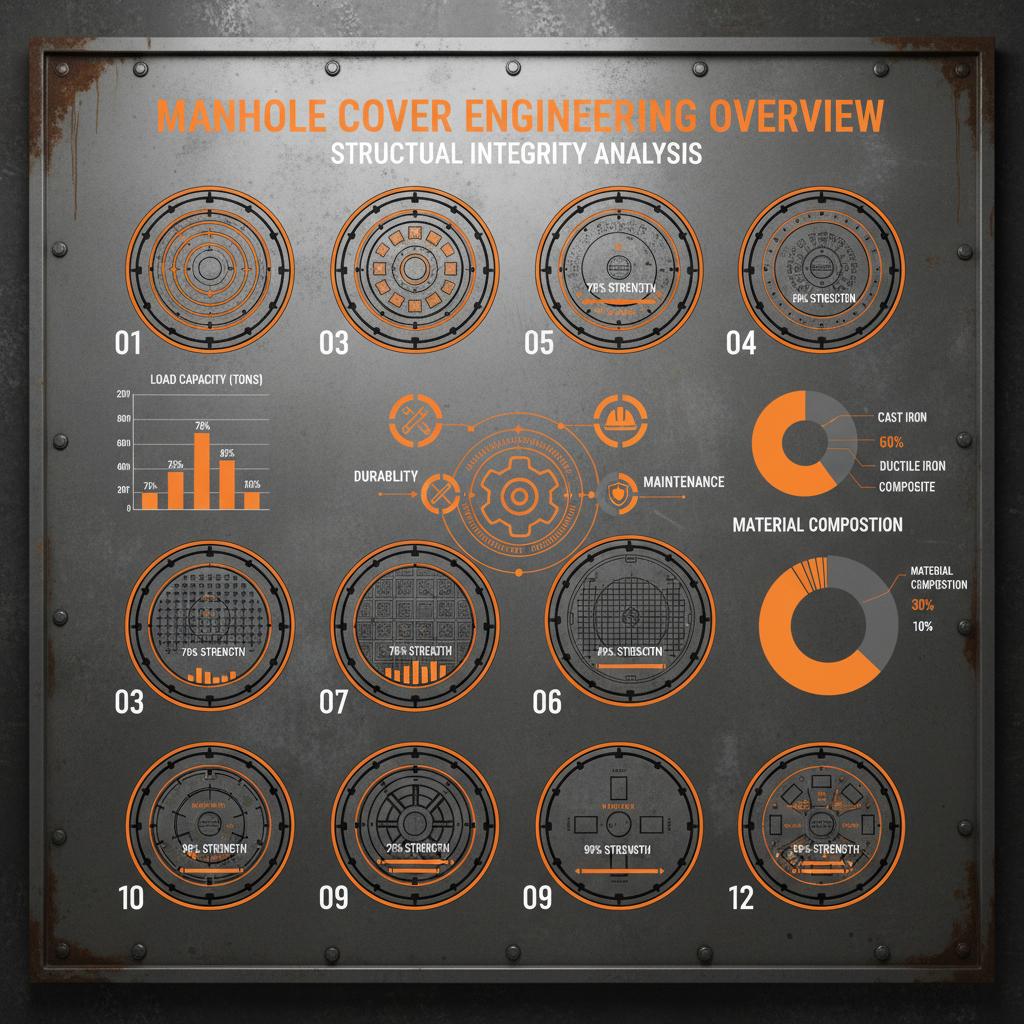
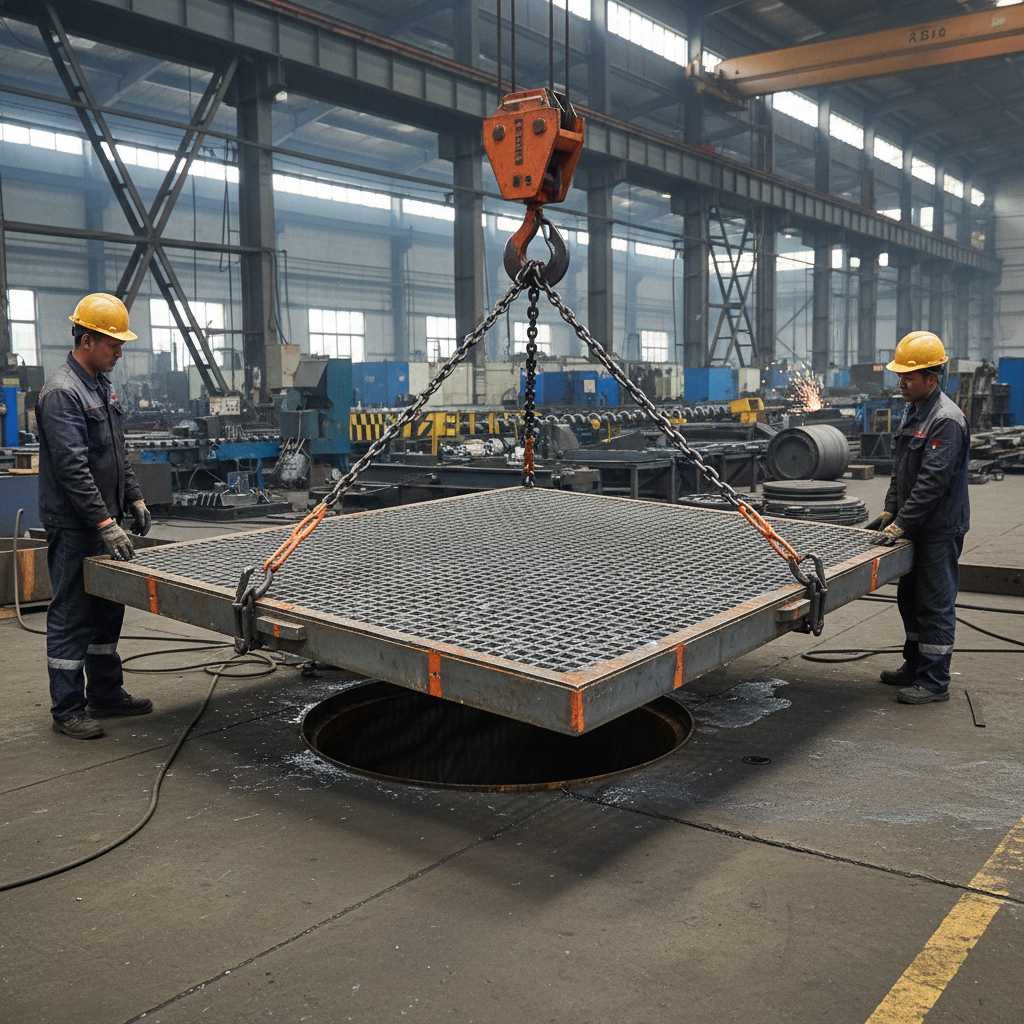
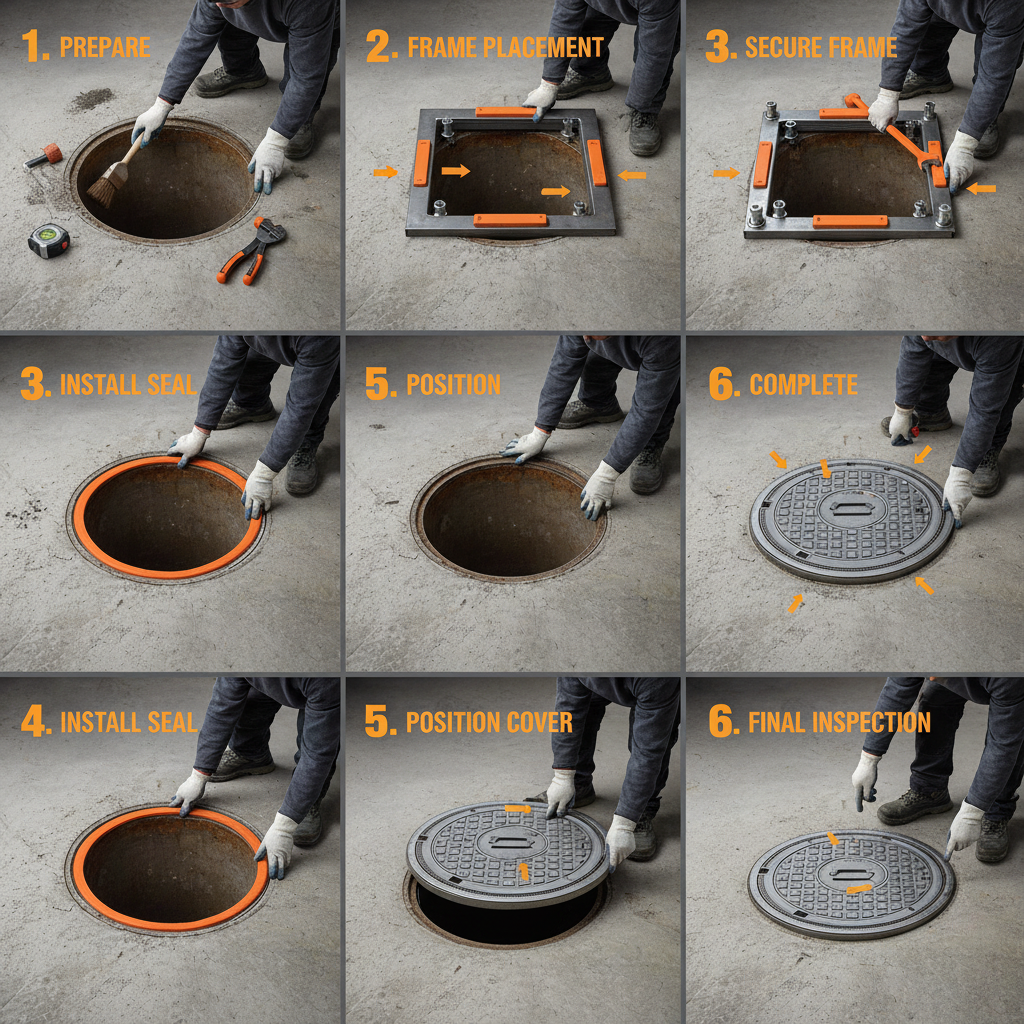
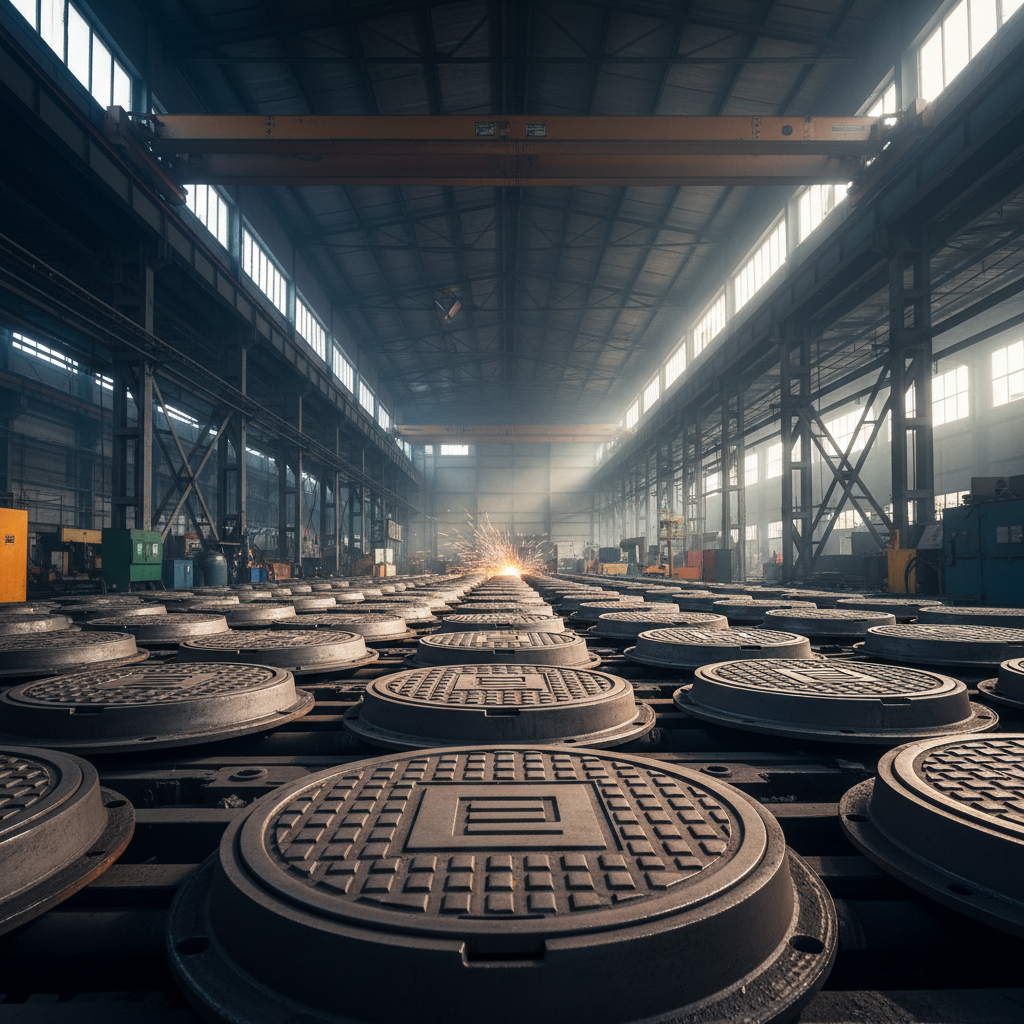
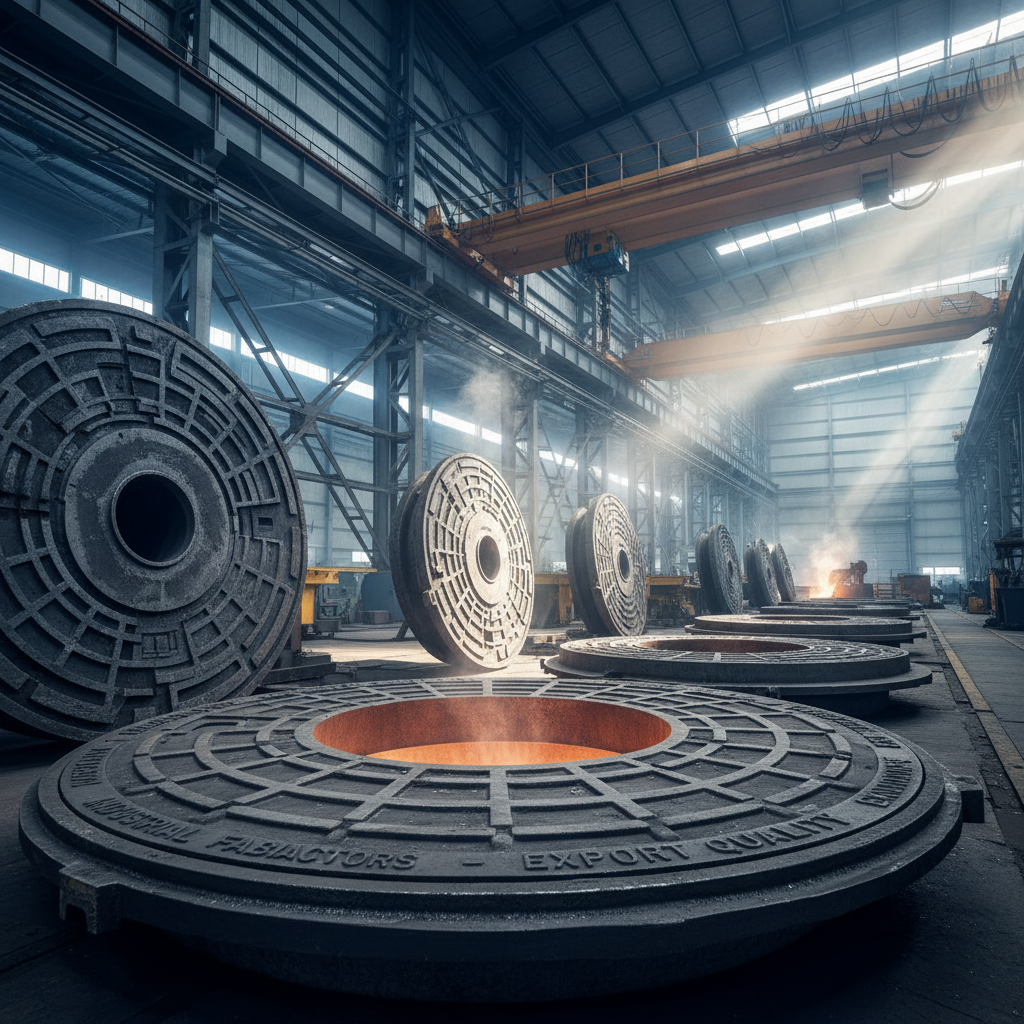
12 manhole cover are essential components of modern infrastructure, silently facilitating access to underground utilities while safeguarding public safety and environmental integrity. From bustling city streets to remote rural areas, these robust covers are integral to the functioning of wastewater systems, telecommunications networks, and energy distribution grids. Understanding their design, materials, and ongoing innovations is critical for engineers, urban planners, and anyone involved in maintaining the essential services that underpin our daily lives.
The global demand for durable and reliable 12 manhole cover is consistently high, driven by population growth, urbanization, and the continuous expansion of underground infrastructure. Factors like corrosion resistance, load-bearing capacity, and theft prevention are paramount considerations in selecting the appropriate cover for a given application. The longevity and safety they provide represent a significant investment in public works and environmental protection.
This detailed exploration of 12 manhole cover will delve into their core properties, diverse applications, emerging trends, and potential challenges. By providing a comprehensive overview, we aim to foster a deeper appreciation for these often-overlooked but vitally important infrastructure elements and their role in supporting a sustainable and well-functioning society.
Introduction to 12 Manhole Cover
12 manhole cover, while seemingly simple, represent a crucial intersection of engineering, material science, and public safety. These covers are designed to withstand immense pressure from traffic, resist environmental degradation, and provide secure access to vital underground infrastructure. Their effective design directly impacts the efficiency and reliability of the systems they protect.
The selection of an appropriate 12 manhole cover isn't merely a matter of choosing the cheapest option; it’s a long-term investment in public infrastructure. Factors such as material composition, locking mechanisms, and weight-bearing capacity all contribute to the overall lifecycle cost and the level of security provided. Proper installation and regular maintenance are also essential to ensuring optimal performance and longevity.
Global Relevance and Industry Context
Globally, the demand for robust infrastructure, including reliable 12 manhole cover, is continually increasing, particularly in rapidly urbanizing regions. According to the UN, over half the world’s population now lives in urban areas, placing significant strain on existing infrastructure systems. This growth necessitates ongoing investment in maintenance, repair, and replacement of underground utilities, directly impacting the demand for high-quality manhole covers.
The industry is heavily influenced by international standards, such as those established by ISO and ASTM, which dictate material specifications, load testing procedures, and safety requirements. These standards are critical for ensuring interoperability and minimizing risks associated with infrastructure failures. The World Bank also plays a role by funding infrastructure projects in developing countries, often specifying the use of durable and secure 12 manhole cover.
A significant challenge confronting the industry is the prevalence of manhole cover theft, particularly in regions with high scrap metal prices. This theft leads to costly replacements, disrupts essential services, and creates safety hazards for pedestrians and vehicles. Addressing this issue requires innovative solutions, such as incorporating advanced locking mechanisms and utilizing non-metallic materials that are less attractive to thieves.
Defining 12 Manhole Cover
A 12 manhole cover is a removable plate designed to provide access to underground infrastructure, typically for inspection, maintenance, or repair. The ‘12’ typically refers to the approximate diameter in inches. These covers are generally circular or rectangular and are made from a variety of materials, including cast iron, ductile iron, composite materials, and polymers.
Their fundamental purpose extends beyond simple access. They are engineered to withstand substantial vertical loads from traffic, resist corrosion from soil and environmental factors, and prevent unauthorized access to the underground systems. Modern 12 manhole cover often incorporate features to enhance safety, such as non-slip surfaces and secure locking mechanisms.
In the context of modern industry, 12 manhole cover play a vital role in ensuring the reliable operation of essential services, contributing to public health, economic stability, and societal well-being. They represent a crucial link between the hidden world of underground utilities and the visible infrastructure that supports our daily lives.
Key Factors in 12 Manhole Cover Design
Durability is paramount in 12 manhole cover design. They must withstand years of exposure to harsh environmental conditions, including temperature fluctuations, moisture, and corrosive elements. Materials like ductile iron and high-density polyethylene (HDPE) are favored for their resistance to corrosion and their ability to maintain structural integrity over time.
Load-bearing capacity is another critical factor. 12 manhole cover must be capable of supporting the weight of vehicles and pedestrians without cracking or deforming. Industry standards specify minimum load ratings that covers must meet, depending on the anticipated traffic volume and vehicle types. Proper design and material selection are essential to ensure that covers can safely handle these loads.
Comparative Analysis of 12 Manhole Cover Materials
Global Applications and Use Cases
12 manhole cover are ubiquitous in urban environments, providing access to sewer systems, storm drains, and telecommunications infrastructure. They are essential components of wastewater treatment plants, allowing technicians to inspect and maintain critical equipment. Cities around the world, from New York to Tokyo, rely on millions of these covers to support their infrastructure.
In post-disaster relief operations, rapid access to underground utilities is crucial for restoring essential services. Lightweight and easily deployable 12 manhole cover, often made from composite materials, can be quickly installed to provide safe access for repair crews. In remote industrial zones, where access may be limited, durable and secure covers are essential for protecting valuable infrastructure assets.
Advantages and Long-Term Value
Investing in high-quality 12 manhole cover translates to significant long-term cost savings. Durable materials reduce the frequency of replacements, minimizing maintenance expenses and disruption to services. The enhanced security offered by robust locking mechanisms prevents theft and unauthorized access, further reducing costs and risks.
Beyond cost considerations, the use of sustainable materials, such as recycled plastics and composite materials, contributes to environmental responsibility. Reliable and secure infrastructure promotes public safety and enhances the quality of life for communities. Trust in the integrity of these essential components fosters confidence in the stability and resilience of the broader infrastructure network.
Future Trends and Innovations
The integration of smart technologies into 12 manhole cover is a growing trend. Sensors can be embedded within the covers to monitor water levels, detect gas leaks, and provide real-time data on infrastructure conditions. This data can be used to optimize maintenance schedules, prevent failures, and improve overall system efficiency.
The development of new composite materials with enhanced strength and corrosion resistance is another area of innovation. These materials offer a lightweight alternative to traditional cast iron and ductile iron, making installation easier and reducing transportation costs. Advances in digital modeling and 3D printing are also enabling the creation of customized covers tailored to specific applications.
The focus on sustainability is driving demand for covers made from recycled materials and designed for recyclability. As cities strive to reduce their carbon footprint, the use of environmentally friendly materials and manufacturing processes will become increasingly important. The adoption of standardized designs and modular components will also facilitate easier repairs and replacements, extending the lifecycle of infrastructure assets.
Summary of Factors Influencing 12 Manhole Cover Selection
| Material Composition |
Load Capacity (tons) |
Security Features |
Lifecycle Cost |
| Cast Iron |
10-15 |
Basic Locking |
Moderate |
| Ductile Iron |
15-25 |
Enhanced Locking |
Low |
| Composite Material |
8-12 |
Tamper-Proof Design |
Moderate |
| HDPE |
5-10 |
Lightweight & Secure |
Low |
| Fiberglass |
6-12 |
Corrosion Resistant |
Moderate |
| Smart Composite |
12-20 |
Integrated Sensors & Alerts |
High (initial), Low (long-term) |
FAQS
The most common materials for 12 manhole cover are cast iron, ductile iron, composite materials (fiberglass reinforced polymers), and high-density polyethylene (HDPE). Cast iron is traditional but prone to corrosion. Ductile iron offers greater strength and corrosion resistance. Composites are lightweight and non-metallic, reducing theft risk, while HDPE is a cost-effective plastic option. Material selection depends on the specific application requirements and budget.
The correct load rating depends on the anticipated traffic volume and vehicle types. Industry standards, such as those set by ASTM and EN 124, specify different load classes (A15, B125, C250, D400, E600, and F900). You’ll need to assess whether the cover will be subjected to pedestrian traffic only or heavy vehicular traffic, including trucks and buses. Consulting with a civil engineer is recommended to ensure proper selection.
Composite 12 manhole cover offer several advantages: they are significantly lighter, making installation easier and reducing worker strain. They are non-metallic, eliminating the risk of corrosion and reducing susceptibility to theft. Composites also offer excellent dielectric properties, making them safe for use near electrical infrastructure. While the initial cost may be higher, the long-term benefits often outweigh the expense.
Several security features can deter theft. These include tamper-proof locking mechanisms, recessed or concealed locking points, and the use of non-metallic materials that have lower scrap value. Some manufacturers offer covers with embedded tracking devices, allowing for remote monitoring and recovery. Increasing community awareness and reporting of suspicious activity can also help reduce theft.
Regular inspection is key. Check for cracks, corrosion, and proper sealing. Ensure locking mechanisms are functioning correctly. Clean debris from the cover surface to prevent buildup and potential hazards. For cast iron covers, periodic painting or coating can help prevent corrosion. Promptly address any damage or wear to maintain safety and functionality.
Climate significantly impacts lifespan. Regions with harsh winters experience freeze-thaw cycles that can cause cracking in brittle materials. Coastal environments expose covers to saltwater corrosion. Hot climates can accelerate material degradation. Choosing materials resistant to the local climate is critical. For example, composite covers perform well in corrosive environments, while ductile iron offers good freeze-thaw resistance.
Conclusion
In conclusion, the 12 manhole cover, though often unseen, represents a critical component of modern infrastructure, safeguarding public safety and ensuring the efficient operation of essential services. Understanding their design principles, material options, and emerging technologies is vital for engineers, urban planners, and anyone involved in maintaining our built environment. The continuous pursuit of improved durability, security, and sustainability will drive innovation in this field for years to come.
Looking ahead, the integration of smart technologies and the adoption of environmentally friendly materials will reshape the future of 12 manhole cover. Investing in high-quality, reliable covers is not merely a cost; it's a commitment to public well-being and a sustainable future. For further information and to explore our range of solutions, visit our website: www.hbyqmetal.com.