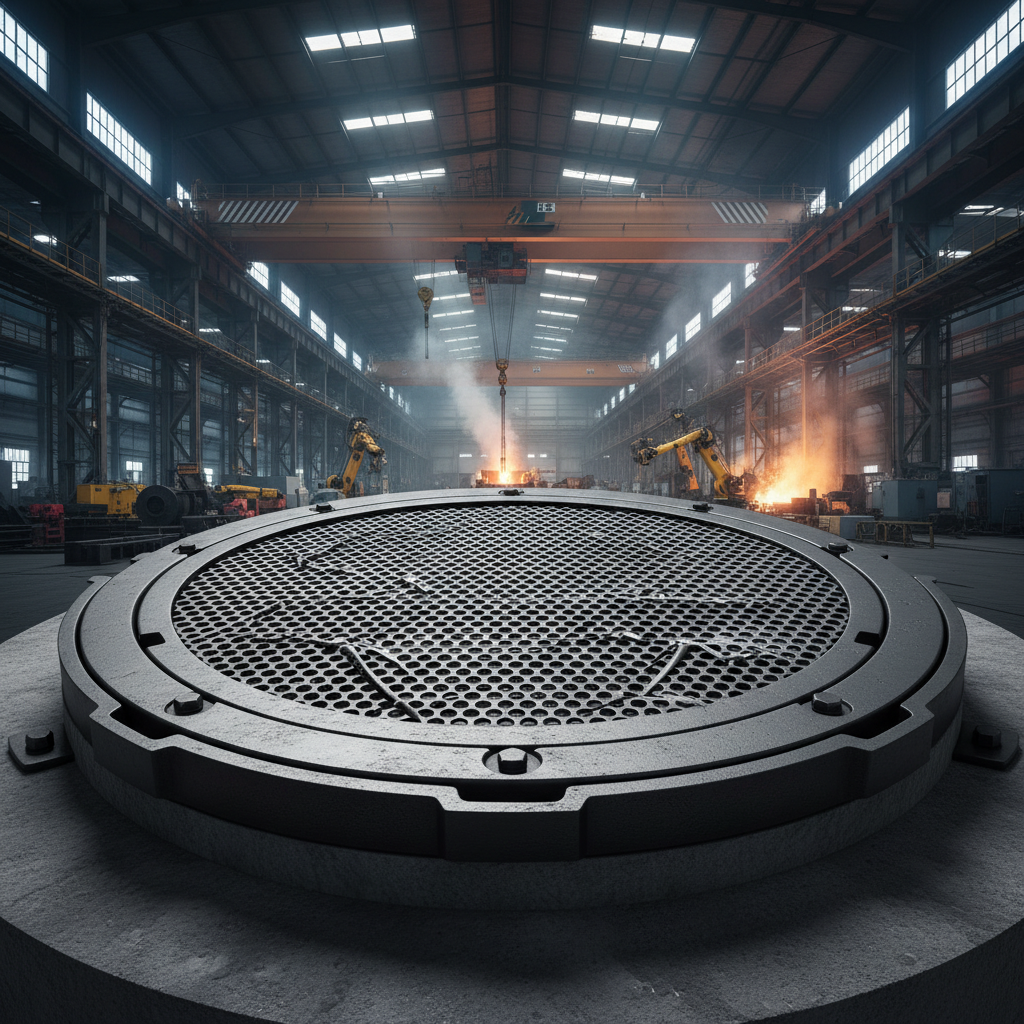
Driveway manhole covers are critical components of modern infrastructure, silently serving essential functions beneath our feet. They provide safe access to underground utilities like sewers, telecommunications, and electrical systems. Their importance extends far beyond simple convenience; they’re integral to public health, safety, and the efficient operation of essential services. Choosing the right driveway manhole cover is vital for both residential and commercial properties.
Globally, the demand for robust and reliable manhole covers is steadily increasing, driven by urbanization, infrastructure development, and aging utility networks. The World Bank estimates that trillions of dollars in infrastructure investment will be needed over the next decade, much of which will involve the maintenance and upgrade of underground systems. Ensuring access and safety during these operations requires high-quality components, including durable driveway manhole covers.
A driveway manhole cover isn't merely a lid; it's a vital safety feature and a long-term investment in property value. Understanding the various materials, standards, and applications of these covers is essential for property owners, construction professionals, and municipal authorities alike. Proper selection avoids costly repairs, ensures public safety, and supports the overall longevity of the underlying infrastructure.
Defining Driveway Manhole Covers and Their Significance
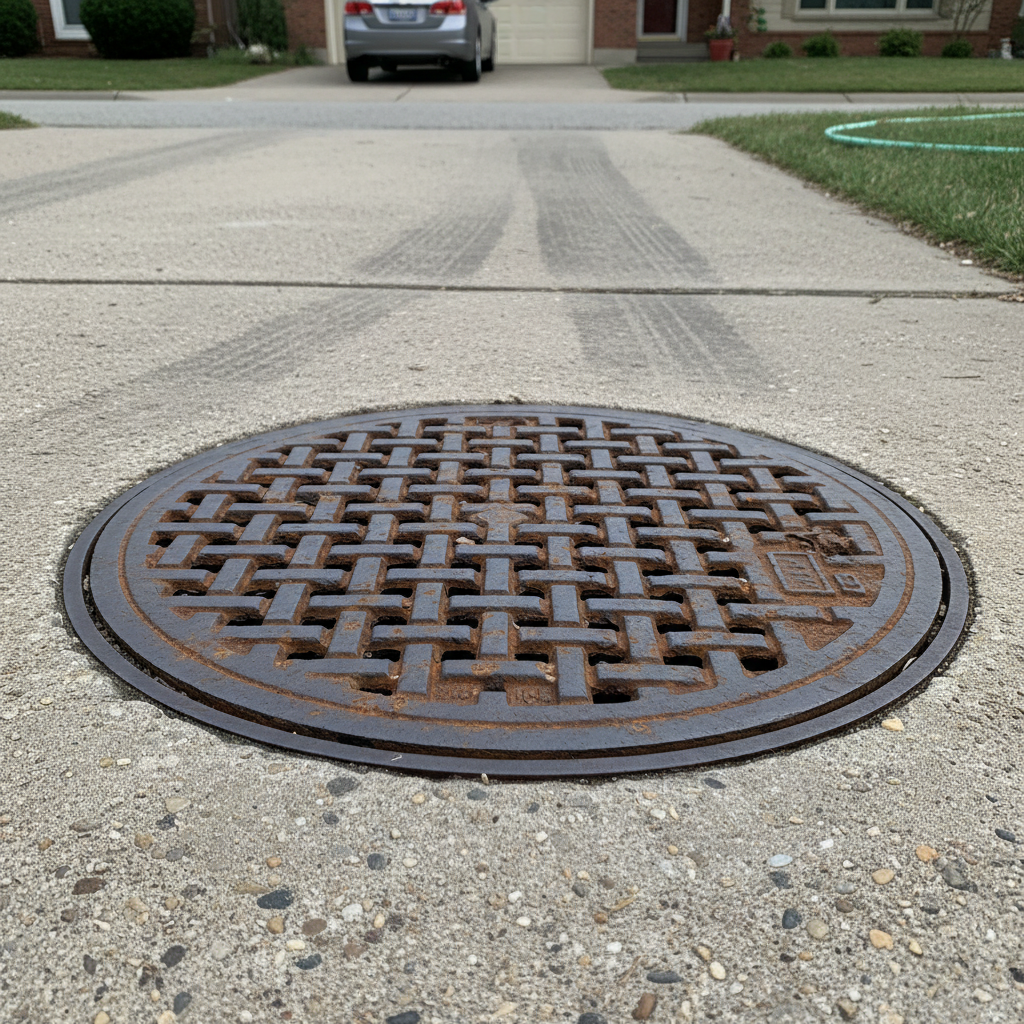
A driveway manhole cover, at its simplest, is a removable plate used to cover an opening to an underground chamber, typically for accessing utilities. However, modern driveway manhole covers are engineered components designed to withstand substantial loads – from vehicle traffic to pedestrian use – while providing secure and safe access for maintenance and inspection. Choosing a quality driveway manhole cover is therefore paramount.
These covers are essential for safeguarding underground infrastructure and preventing accidental falls or damage. They're widely used in residential driveways, parking lots, industrial sites, and public roadways. Their presence ensures the continued functionality and safety of critical infrastructure components beneath the surface.
Global Relevance and Industry Context
The need for effective access to underground utilities is a global concern. From the sprawling metropolises of Asia to the aging infrastructure of Europe and North America, maintaining and upgrading subsurface networks is a constant requirement. The ISO standards (specifically, standards related to ductile iron castings) heavily influence the design and production of manhole covers worldwide, ensuring a baseline level of quality and safety.
A significant challenge lies in preventing theft and vandalism. Manhole covers, particularly those made from valuable materials like cast iron, are often targeted by thieves for their scrap metal value. This not only creates immediate safety hazards but also disrupts utility services and incurs substantial replacement costs. Innovative locking mechanisms and alternative materials are increasingly being adopted to mitigate this problem.
The global manhole cover market is expected to continue growing, driven by infrastructure projects, urbanization trends, and a greater emphasis on safety and sustainability. Emerging economies, in particular, are investing heavily in upgrading their infrastructure, creating significant demand for robust and reliable solutions like durable driveway manhole covers.
Understanding the Core Components of a Driveway Manhole Cover
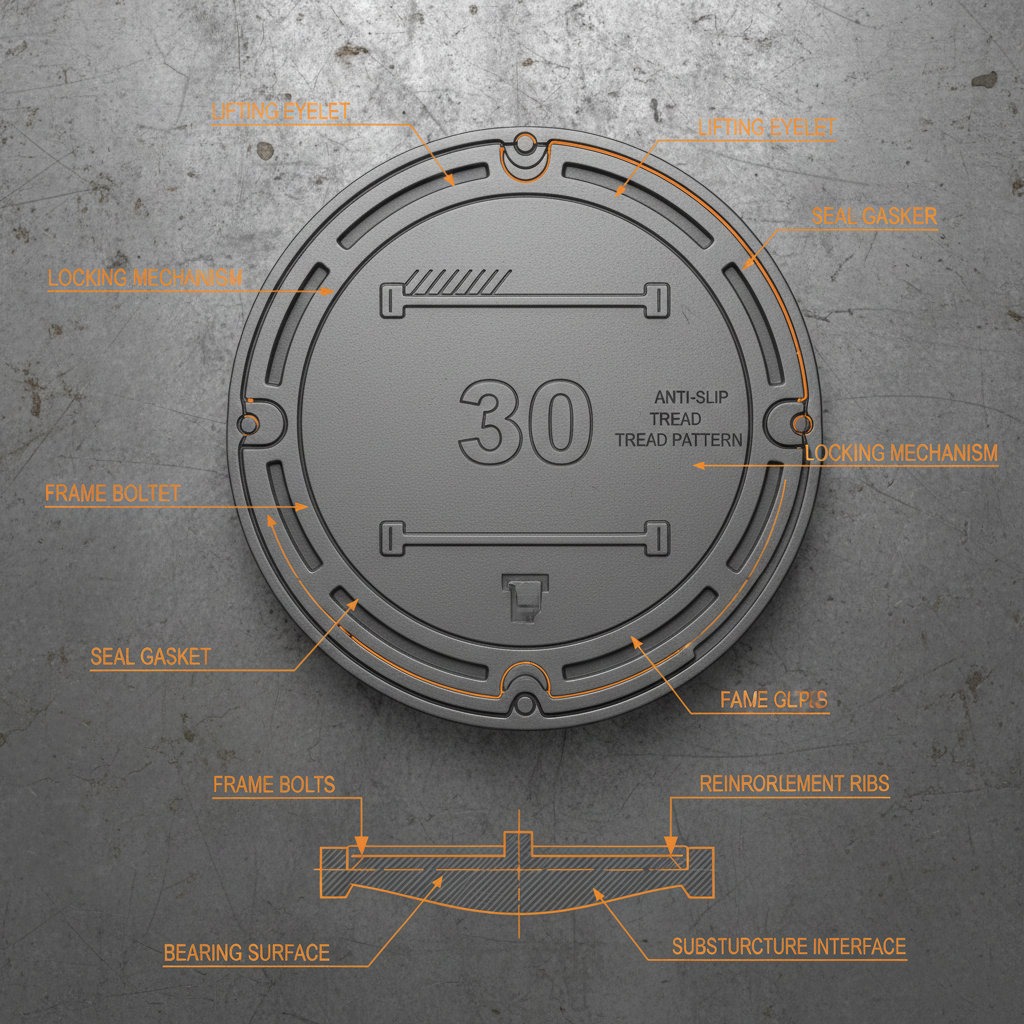
A typical driveway manhole cover consists of several key components. The cover itself, often made of ductile iron, concrete, or composite materials, is the visible part designed to withstand load. Beneath the cover lies the frame, which is embedded in the surrounding pavement and provides a secure seating for the cover. The frame’s integrity is crucial for preventing movement and ensuring a watertight seal.
Furthermore, many driveway manhole covers incorporate locking mechanisms to deter theft and unauthorized access. These can range from simple bolt-down systems to more sophisticated, key-operated or specialized tool-required locks. The quality of the locking system is a key consideration, particularly in areas prone to theft. Consider a driveway manhole cover with a robust locking mechanism for added security.
Finally, the design often includes features for lifting and maneuvering the cover, such as handles or keyholes for specialized lifting tools. These features are vital for maintenance personnel who need to safely and efficiently access the underground chamber. Properly designed lifting points distribute weight evenly, reducing the risk of injury.
Key Factors Influencing Driveway Manhole Cover Performance
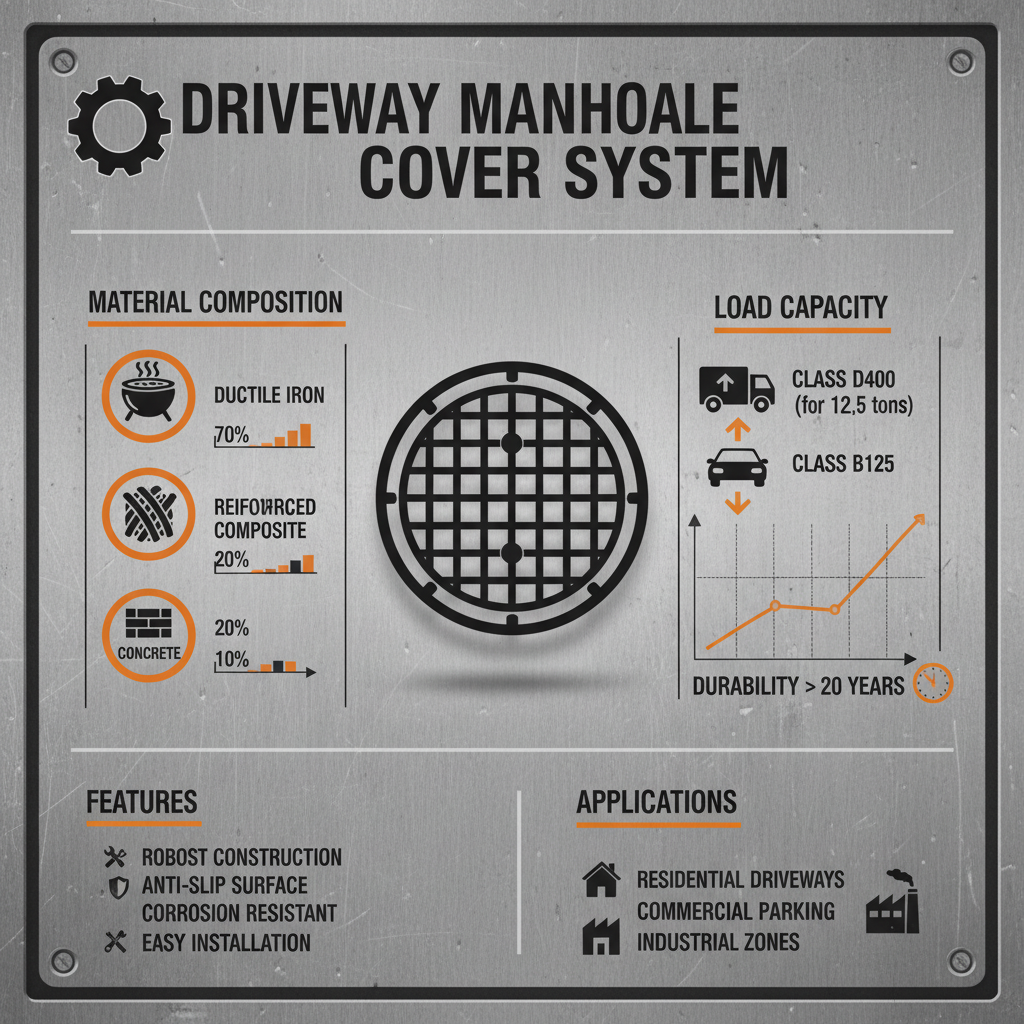
Several factors determine the performance and longevity of a driveway manhole cover. Durability, measured by its ability to withstand repeated loading and environmental exposure, is paramount. The material’s resistance to corrosion, cracking, and deformation is critical, particularly in harsh climates or areas with high traffic volume.
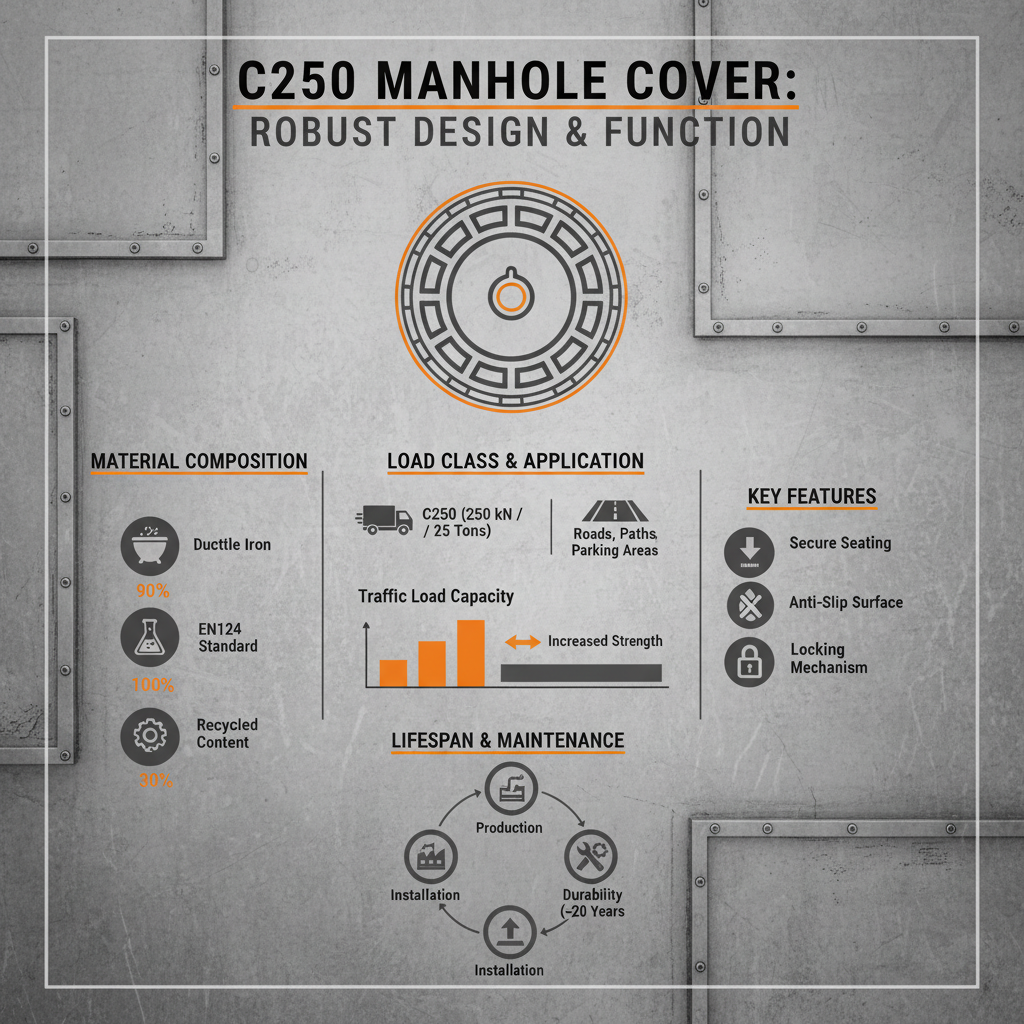
Load capacity is another vital consideration. Driveway manhole covers must be able to safely support the weight of vehicles, pedestrians, and any superimposed loads without failing. This is typically specified in accordance with industry standards such as EN 124 or ASTM standards.
Driveway Manhole Cover Performance Metrics
Applications and Use Cases Across the Globe
Driveway manhole covers are ubiquitous in residential areas, providing access to sewer lines and underground utilities. They are essential for maintaining plumbing systems and allowing for repairs without disrupting the entire driveway. In post-disaster relief operations, quick access to underground infrastructure is crucial for restoring essential services.
In remote industrial zones, manhole covers are vital for accessing and maintaining telecommunications cables, electrical conduits, and other critical infrastructure. Their robust construction and secure locking mechanisms are particularly important in these environments. Selecting the right driveway manhole cover depends on the specific industrial environment.
Advantages and Long-Term Value Proposition
Investing in high-quality driveway manhole covers yields substantial long-term benefits. Reduced maintenance costs are a significant advantage; durable materials and robust construction minimize the need for frequent replacements. Improved safety is another key benefit, preventing accidental falls and protecting underground infrastructure from damage.
From an environmental perspective, choosing durable and long-lasting covers reduces waste and conserves resources. Furthermore, enhanced security features – such as robust locking mechanisms – deter theft and vandalism, protecting valuable assets and avoiding service disruptions. These benefits translate into increased peace of mind and a lower total cost of ownership.
The reliability of a driveway manhole cover isn’t simply about functionality; it’s about preserving the integrity of the systems it protects and maintaining public trust. A well-maintained and secure infrastructure contributes to a safer and more resilient community.
Future Trends and Innovations in Driveway Manhole Cover Technology
The future of driveway manhole cover technology is focused on enhanced security, smart monitoring, and sustainable materials. Composite materials, offering a balance of strength, lightweight properties, and corrosion resistance, are gaining popularity as alternatives to traditional cast iron.
Smart manhole covers equipped with sensors can remotely monitor conditions such as gas levels, water levels, and even structural integrity. This data can be used to proactively identify potential problems and schedule maintenance, reducing the risk of failures and improving overall efficiency. Digital transformation will play a key role here.
Furthermore, advancements in locking mechanisms, including biometric access control and GPS tracking, are enhancing security and deterring theft. The integration of these technologies promises to make driveway manhole covers an even more integral and intelligent component of modern infrastructure.
FAQS
Driveway manhole covers are commonly manufactured from ductile iron, concrete, or composite materials. Ductile iron offers excellent strength and durability, making it ideal for high-traffic areas. Concrete is a cost-effective option for lighter loads, while composites provide a lightweight and corrosion-resistant alternative. Choosing the right material depends on the specific application and load requirements.
The load rating is critically important, as it dictates the maximum weight the cover can safely support. Selecting a cover with an inadequate load rating can lead to failure, posing a significant safety hazard. Load ratings are typically specified in accordance with industry standards like EN 124, and should be carefully matched to the expected traffic and loads.
Manhole covers, especially those made of cast iron, are often stolen for their scrap metal value. This is a significant issue in areas with a thriving scrap metal market. Thieves often target covers in remote locations or areas with limited security. Implementing robust locking mechanisms and using alternative materials can help deter theft.
Corrosion is a major concern for cast iron manhole covers. Applying a protective coating, such as epoxy or bituminous paint, can significantly extend the cover’s lifespan. Regular inspection and maintenance, including re-coating as needed, are essential for preventing corrosion. Consider investing in covers with a factory-applied corrosion-resistant coating.
Yes, composite manhole covers are a viable and increasingly popular alternative to cast iron. They offer several advantages, including lighter weight, corrosion resistance, and non-metallic construction (making them less attractive to thieves). While they may have a slightly higher upfront cost, their long-term durability and reduced maintenance needs can make them a cost-effective choice.
Several standards regulate the manufacture of driveway manhole covers. EN 124 is a widely used European standard specifying performance requirements and testing methods. ASTM standards are prevalent in North America. Compliance with these standards ensures that the cover meets specific safety and quality criteria.
Conclusion
Driveway manhole covers are far more than simple covers; they are essential components of safe, reliable, and resilient infrastructure. From their role in providing access to vital underground utilities to their contribution to public safety and environmental sustainability, the benefits are substantial and far-reaching. Understanding the core components, performance factors, and emerging trends in this field is critical for ensuring the longevity and efficiency of our infrastructure systems.
As urbanization continues and infrastructure ages, the demand for high-quality, innovative driveway manhole cover solutions will only increase. By embracing advancements in materials, smart technology, and sustainable practices, we can ensure that these vital components continue to serve our communities effectively for generations to come. For dependable and high-quality driveway manhole covers, visit our website: www.hbyqmetal.com