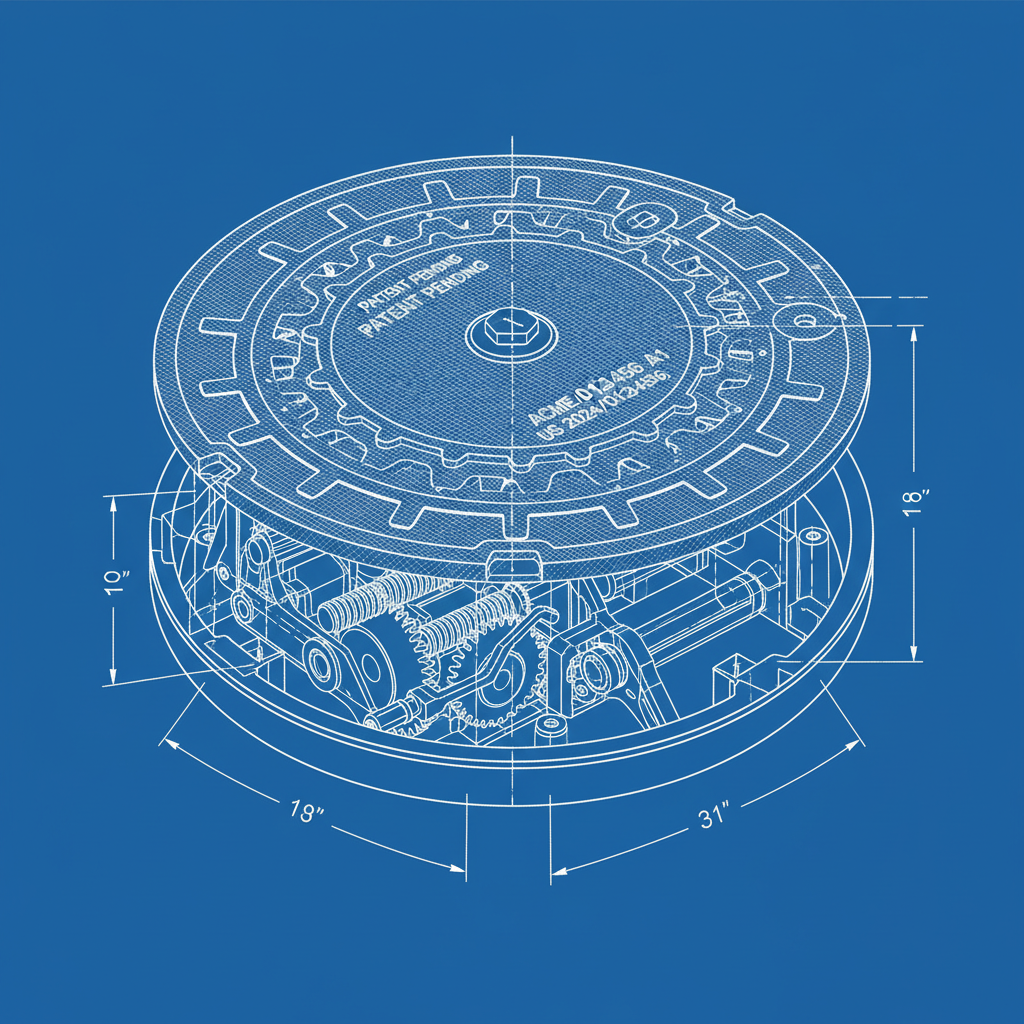
30 manhole cover are crucial components of modern infrastructure, silently serving communities worldwide by providing safe access to underground utilities. Their robust design and reliable performance are essential for maintaining public safety and enabling efficient maintenance of vital services. Understanding the nuances of their construction, materials, and standards is paramount for engineers, city planners, and anyone involved in infrastructure management. This knowledge ensures longevity, reduces risks, and ultimately, contributes to the well-being of urban and rural populations.
Globally, the demand for durable and secure manhole covers is consistently high, driven by expanding urbanization and aging infrastructure. The sheer scale of replacement and new installations necessitates advancements in materials and manufacturing processes. Furthermore, the increasing focus on safety standards and theft prevention has spurred innovation in locking mechanisms and composite materials. 30 manhole cover manufacturers are constantly adapting to meet these evolving needs.
The prevalence of 30 manhole cover is a direct response to the complex network of underground infrastructure supporting our daily lives. From sewer systems and telecommunications cables to electricity and water pipelines, these covers provide essential access points for inspection, repair, and maintenance. Their significance extends beyond mere functionality; they are a testament to effective urban planning and a vital component in ensuring the smooth operation of essential public services.
Introduction: Global Context of 30 Manhole Cover
The deployment of 30 manhole cover is a global necessity, underpinning the functionality of countless cities and infrastructure networks. According to the World Bank, investment in water and sanitation infrastructure is critical for sustainable development, and manhole covers represent a fundamental component of these systems. Properly maintained and secure access points are vital for ensuring the reliable delivery of essential services and preventing public health risks.
The sheer volume of manhole covers required globally is staggering, with millions replaced or installed annually. ISO standards for manhole cover construction are continuously updated to reflect advancements in materials science and safety protocols. This demonstrates the ongoing commitment to improving the longevity, security, and operational efficiency of these crucial infrastructure elements. 30 manhole cover producers are key stakeholders in this global effort.
Defining 30 Manhole Cover
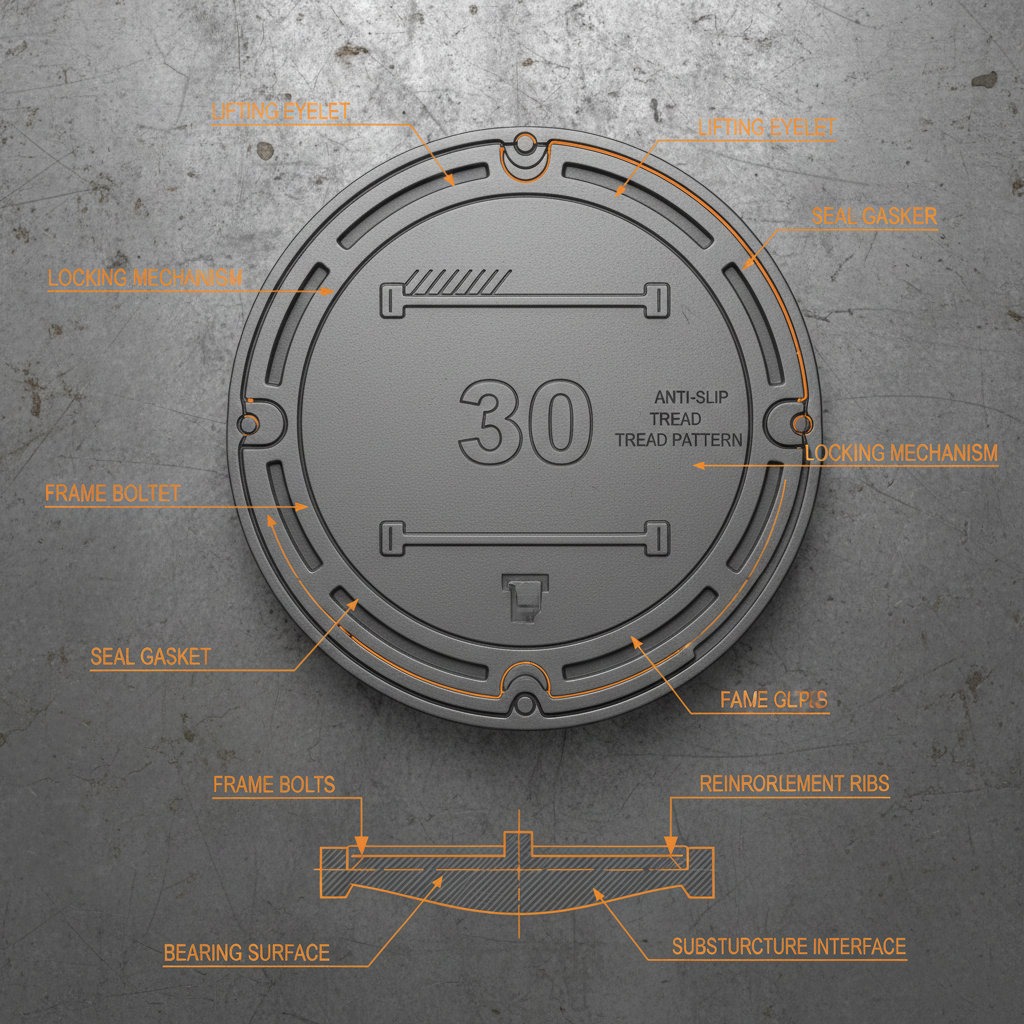
A 30 manhole cover is a removable plate designed to provide safe access to underground infrastructure, typically weighing around 30kg. These covers protect workers and the public from falling into open excavations while allowing for routine inspection, maintenance, and repair of buried utilities like sewers, water mains, and communication cables. They are designed to withstand significant loads from traffic and environmental factors.
The connection between 30 manhole cover and modern industry stems from the necessity for reliable and secure access to critical subterranean systems. The precise dimensions, materials, and locking mechanisms of a 30 manhole cover are carefully engineered to meet specific application requirements and industry standards. This is crucial for efficient operation and long-term durability.
The significance of a properly designed 30 manhole cover extends beyond simply covering an opening. It’s about safeguarding public health, ensuring the continuity of essential services, and providing a secure working environment for maintenance personnel. Their presence represents a commitment to responsible infrastructure management.
Key Factors in 30 Manhole Cover Design
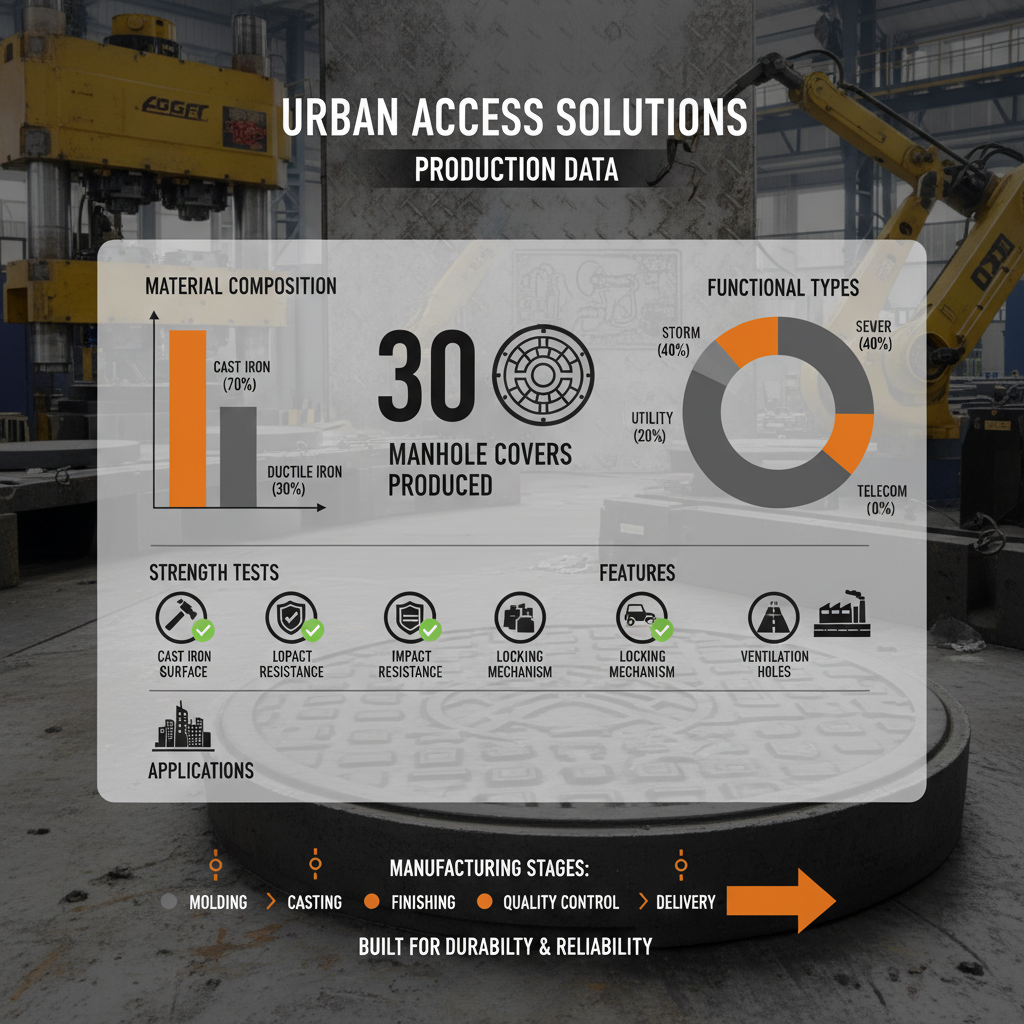
Durability: 30 manhole cover are subjected to constant stress from traffic, weather, and potential impacts. High-quality materials like ductile iron or composite polymers are essential to resist corrosion, cracking, and deformation, ensuring a long service life and minimizing the need for frequent replacements.
Load Capacity: The capacity to withstand varying load types – pedestrian, vehicular, and even accidental impacts – is paramount. Standards such as EN 124 (European Standard) and AASHTO (American Association of State Highway and Transportation Officials) specify rigorous testing criteria to guarantee structural integrity and public safety.
Security: Theft of manhole covers can cause significant disruption and safety hazards. Features like locking mechanisms, recessed designs, and material traceability are employed to deter theft and ensure the integrity of the infrastructure. 30 manhole cover security solutions are becoming increasingly sophisticated.
Global Applications of 30 Manhole Cover
30 manhole cover are deployed ubiquitously across diverse geographical regions and industries. In North America, they are essential for maintaining sewer systems and underground utility networks in densely populated urban centers. In Europe, stringent safety regulations drive the demand for high-performance, load-tested covers, conforming to EN 124 standards.
Across Asia, particularly in rapidly developing countries, the need for robust and cost-effective 30 manhole cover is substantial. In post-disaster relief operations, quick access to underground utilities is vital for restoring essential services, and these covers play a crucial role. In remote industrial zones, they provide secure access for maintaining vital infrastructure supporting mining and energy operations.
In South America, municipalities often face challenges related to theft, leading to increased adoption of locking mechanisms and composite materials. Australia’s coastal environments demand corrosion-resistant manhole covers, driving innovation in material science and coating technologies.
30 Manhole Cover Performance Metrics
Advantages & Long-Term Value
The long-term benefits of investing in high-quality 30 manhole cover extend far beyond initial cost considerations. Reduced maintenance and replacement costs, coupled with enhanced safety and security, contribute to significant savings over the lifecycle of the infrastructure. Furthermore, the use of durable materials minimizes environmental impact.
From a sustainability perspective, selecting materials with high recycled content and employing responsible manufacturing processes aligns with environmentally conscious practices. The enhanced safety features of modern 30 manhole cover inspire trust and confidence among workers and the public alike. These factors enhance the overall value proposition.
Future Trends and Innovations
The future of 30 manhole cover is poised for innovation, driven by the integration of smart technologies and sustainable materials. The development of remote monitoring systems, utilizing sensors and IoT connectivity, will enable proactive maintenance and prevent costly failures. These systems can detect subtle changes in stress or corrosion, alerting authorities to potential issues before they escalate.
Research into advanced composite materials and bio-based polymers offers the potential to create lighter, stronger, and more environmentally friendly manhole covers. The incorporation of digital twins and predictive analytics will further optimize performance and extend service life. 30 manhole cover manufacturers are at the forefront of these advancements.
Challenges and Solutions
Despite advancements, challenges remain in optimizing 30 manhole cover performance. Theft and vandalism continue to pose significant problems, particularly in urban areas. Corrosion, especially in harsh environments, remains a persistent concern.
Innovative solutions include the development of tamper-proof locking mechanisms, incorporating GPS tracking technology, and utilizing corrosion-resistant coatings. Implementing robust supply chain management systems to ensure material traceability and quality control is also crucial. Collaboration between manufacturers, municipalities, and security experts is essential to address these ongoing challenges.
Investing in preventative maintenance programs, including regular inspections and timely repairs, can significantly extend the lifespan of 30 manhole cover and minimize the risk of failures. Embracing technological advancements and fostering a culture of proactive infrastructure management are key to ensuring long-term reliability and safety.
Overview of Solutions to Common 30 Manhole Cover Challenges
| Challenge |
Material Solution |
Technological Solution |
Preventative Measure |
| Theft & Vandalism |
Ductile Iron with Tamper-Resistant Fasteners |
GPS Tracking, Alarm Systems |
Regular Security Checks, Community Awareness |
| Corrosion |
Composite Materials, Epoxy Coatings |
Corrosion Sensors, Predictive Maintenance |
Protective Coatings, Cathodic Protection |
| Load Failure |
High-Strength Ductile Iron |
Structural Health Monitoring |
Regular Load Capacity Assessments |
| Water Infiltration |
Sealing Compounds, Polymer Seals |
Leak Detection Systems |
Regular Seal Inspections, Gasket Replacement |
| Misalignment/Damage |
Reinforced Frames, Precise Casting |
Remote Monitoring of Frame Stability |
Proper Installation, Regular Visual Inspections |
| Wear and Tear |
Hardened Materials, Abrasion-Resistant Coatings |
Wear Sensors, Lifecycle Tracking |
Scheduled Replacement Programs |
FAQS
The lifespan of a 30 manhole cover depends heavily on the material used and the environmental conditions. Ductile iron covers, with proper maintenance, can last 50-70 years or more. Composite materials typically have a lifespan of 30-50 years. Factors like traffic load, corrosion exposure, and maintenance frequency all contribute to the overall longevity. Regular inspections and preventative measures can significantly extend the service life.
Several international standards govern the safety of 30 manhole cover. EN 124 (European Standard) defines load classes and testing procedures for manhole covers. AASHTO (American Association of State Highway and Transportation Officials) provides similar standards in North America. These standards specify requirements for load-bearing capacity, impact resistance, and overall structural integrity to protect workers and the public. Adherence to these standards is crucial for ensuring safety.
Preventing theft requires a multi-faceted approach. Employing locking mechanisms specifically designed for manhole covers is a primary deterrent. Utilizing covers made from less-valuable materials or incorporating GPS tracking technology can also be effective. Increasing community awareness and reporting suspected theft can aid in recovery. Regular security checks and collaborative efforts with local law enforcement are also recommended.
Composite manhole covers offer several advantages. They are significantly lighter than ductile iron covers, making them easier to handle and reducing installation costs. They are also non-conductive, which enhances electrical safety. Composite materials are corrosion-resistant, extending their lifespan in harsh environments. They often have a lower scrap value, making them less attractive to thieves.
Regular maintenance is critically important for extending the lifespan and ensuring the safety of 30 manhole cover. Inspections should include checking for corrosion, cracks, damaged seals, and proper alignment. Promptly addressing any issues prevents minor problems from escalating into costly repairs or hazardous conditions. Scheduled maintenance programs contribute significantly to long-term cost savings and improved infrastructure reliability.
The environmental impact varies depending on the material. Ductile iron production has a higher carbon footprint than composite materials. However, ductile iron is readily recyclable, reducing its overall environmental burden. Increasingly, manufacturers are exploring the use of recycled materials and more sustainable production processes to minimize the environmental impact of 30 manhole cover.
Conclusion
In conclusion, 30 manhole cover are foundational components of modern infrastructure, vital for maintaining safe and efficient underground utility systems. Their durability, load capacity, and security features are critical for protecting public safety and ensuring reliable service delivery. The continuous evolution of materials, design, and monitoring technologies is driving innovation in this field, offering improved performance and sustainability.
Looking ahead, a proactive approach to infrastructure management, incorporating regular inspections, preventative maintenance, and the adoption of smart technologies, will be crucial for optimizing the lifecycle of 30 manhole cover. Further research into sustainable materials and innovative designs will continue to enhance their environmental performance. To explore a wide range of high-quality 30 manhole cover solutions, visit our website: www.hbyqmetal.com.