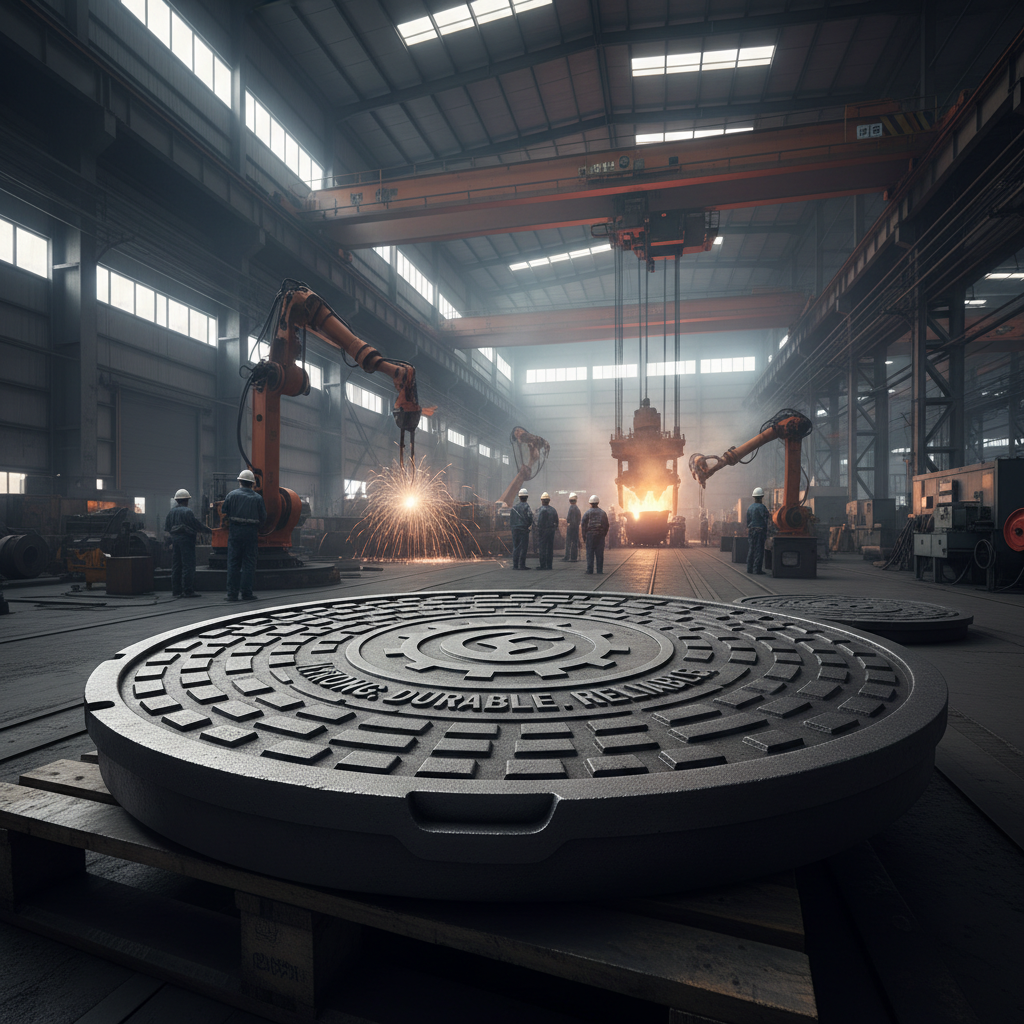
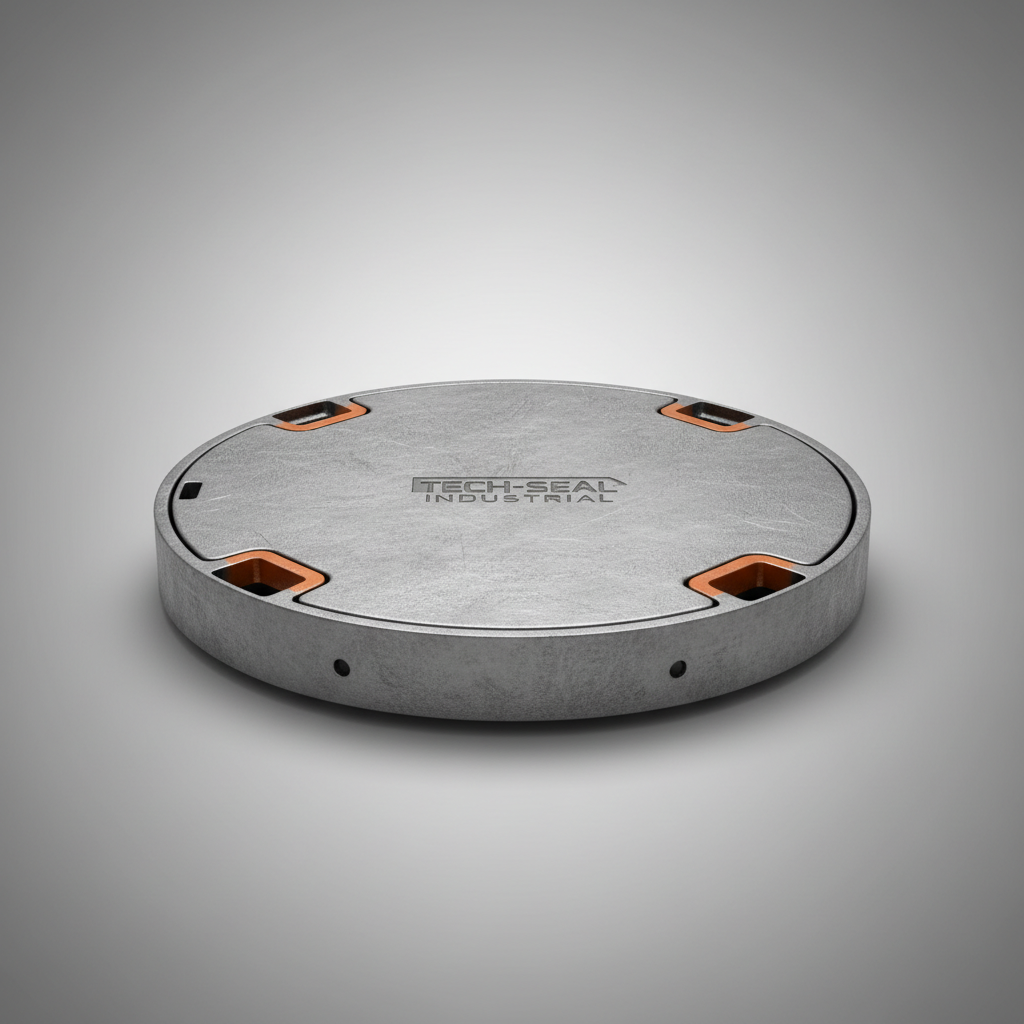
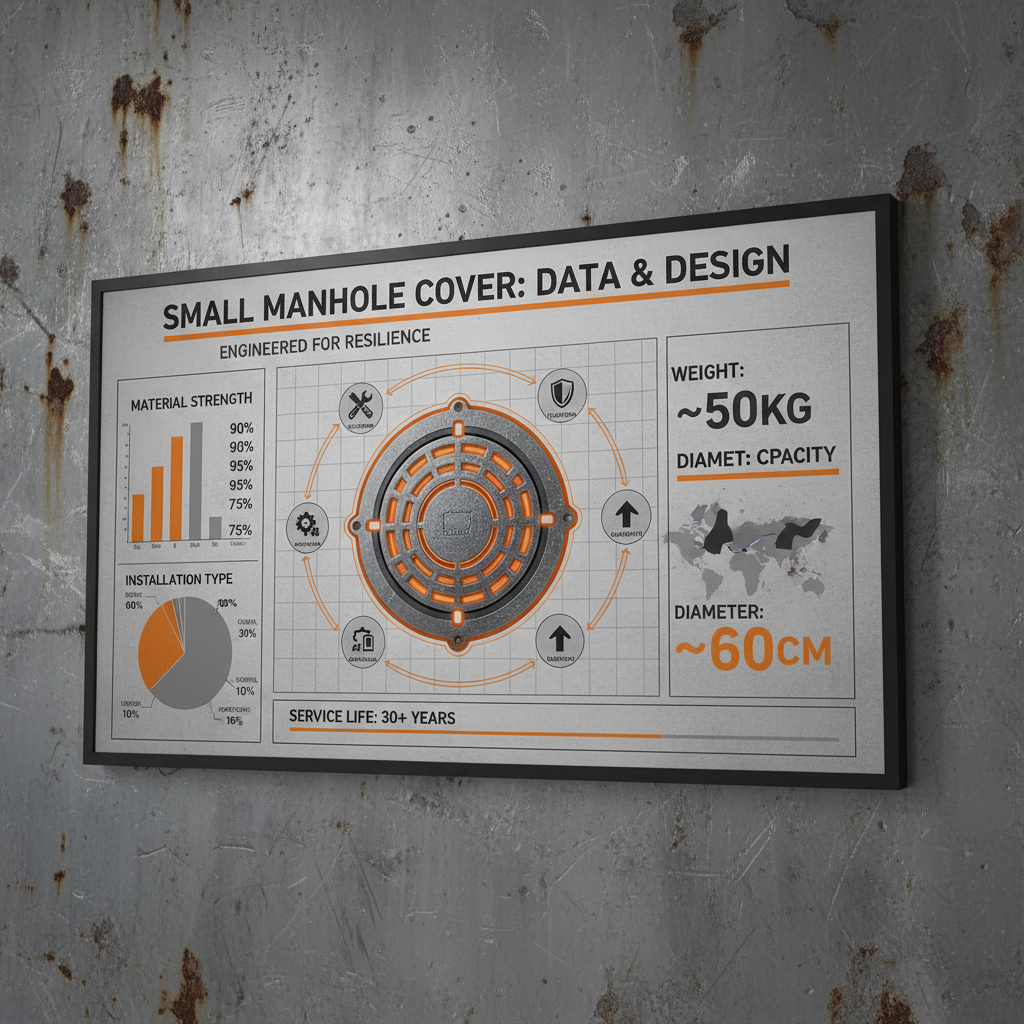
Ductile iron manhole covers are a critical component of modern infrastructure, ensuring safe and reliable access to underground utilities. Globally, these covers are essential for wastewater management, telecommunications, and storm drainage systems, supporting public health and efficient urban function. The increasing demand for robust, secure, and long-lasting infrastructure solutions has driven the widespread adoption of ductile iron manhole covers, surpassing traditional materials like concrete and cast iron in many applications.
The global market for manhole covers is substantial, with a projected value reaching billions of dollars annually (source: Market Research Future, 2023). This growth is fueled by rapid urbanization, particularly in developing nations, and the need to replace aging infrastructure in developed countries. However, challenges such as theft and material degradation necessitate ongoing innovation and the development of advanced security features in ductile iron manhole cover designs.
Understanding the properties, applications, and evolving standards surrounding ductile iron manhole covers is crucial for engineers, urban planners, and infrastructure investors. Choosing the right cover isn't merely a cost decision; it directly impacts public safety, environmental protection, and the long-term sustainability of vital utility networks.
Introduction to ductile iron manhole cover
Ductile iron manhole covers are essential access points to underground infrastructure, providing secure and durable protection for vital utilities. Their robust construction and resistance to corrosion make them a preferred choice over other materials in numerous applications. ductile iron manhole covers are not just protective barriers; they are crucial elements in ensuring the efficient operation and maintenance of complex underground networks.
The development of ductile iron as a material revolutionized manhole cover technology. Traditional cast iron, while strong, lacked the ductility needed to withstand impacts and stresses without fracturing. Ductile iron, through the addition of magnesium during the casting process, gains significant toughness and flexibility, offering superior performance and longevity.
Global Relevance and Industry Context
The need for reliable and secure access to underground utilities is universal, making ductile iron manhole covers globally relevant. From densely populated urban centers in Asia to expanding infrastructure projects in Africa and South America, these covers are fundamental to modern sanitation, communication, and energy distribution. The United Nations Sustainable Development Goals (SDGs), particularly SDG 6 (Clean Water and Sanitation) and SDG 9 (Industry, Innovation and Infrastructure), directly benefit from the reliable operation of underground infrastructure protected by high-quality manhole covers.
Globally, a significant challenge is the increasing incidence of manhole cover theft. This not only poses a safety hazard to the public but also disrupts vital services and incurs substantial replacement costs for municipalities. The World Bank estimates that infrastructure theft costs developing countries billions of dollars annually, highlighting the need for secure and traceable manhole cover solutions.
The ISO 2531 standard governs the specifications for ductile iron pipes and fittings, indirectly influencing the quality and performance expectations for associated components like manhole covers. Adherence to these standards, coupled with rigorous testing protocols, ensures that ductile iron manhole covers meet the demands of diverse and challenging environments.
Defining ductile iron manhole cover
A ductile iron manhole cover is a removable lid designed to seal and protect access points to underground infrastructure, typically manholes. These manholes provide access for maintenance, inspection, and repair of underground utilities such as sewers, telecommunications cables, and electrical conduits. The key defining characteristic is the material – ductile iron – which distinguishes it from older materials like gray cast iron and more recent alternatives like polymer composites.
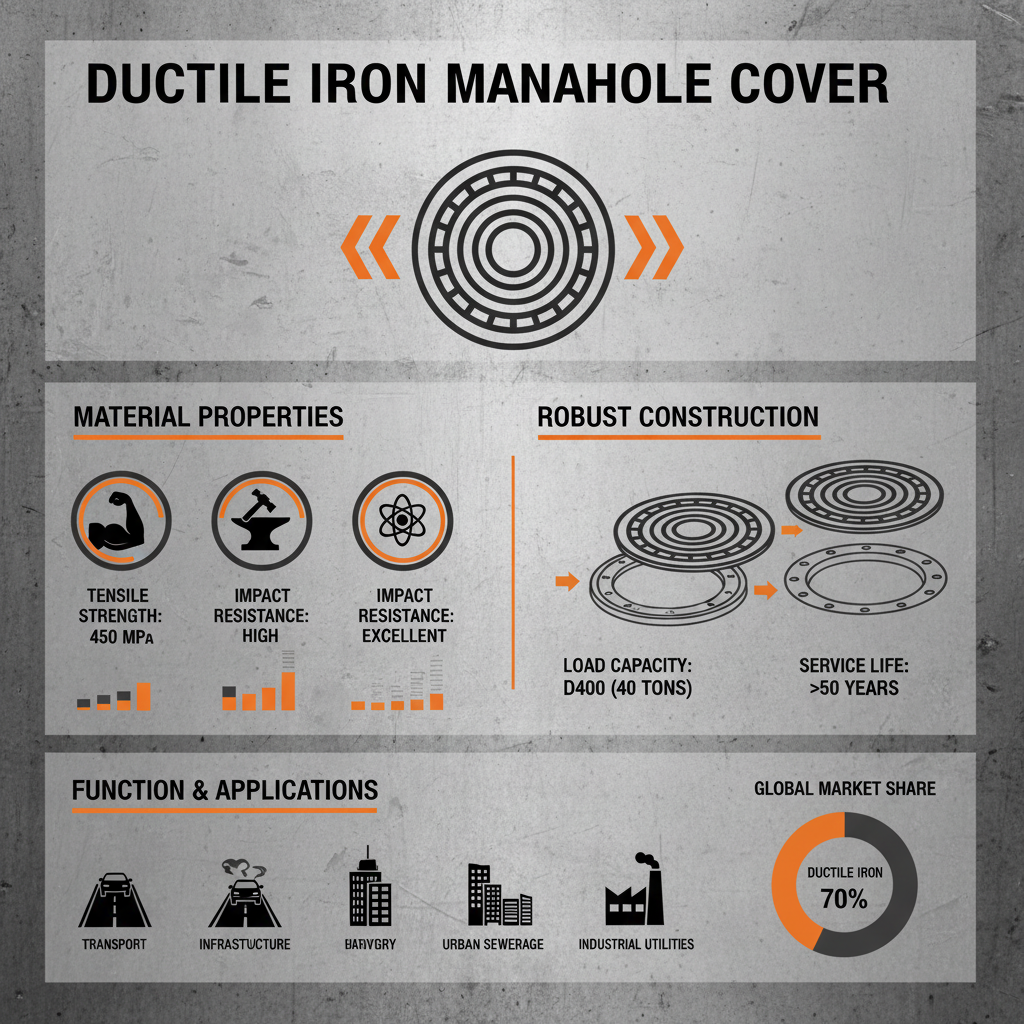
Ductile iron is an iron alloy containing a small percentage of magnesium, which modifies the graphite structure within the iron. This modification transforms brittle cast iron into a material with significantly improved ductility, tensile strength, and impact resistance. This makes it ideally suited for applications requiring both strength and the ability to withstand stress and shock. ductile iron manhole covers exemplify this material's superior performance.
In the context of modern industry and humanitarian needs, ductile iron manhole covers play a crucial role in building resilient and sustainable infrastructure. Reliable sanitation and communication networks are fundamental to public health, economic development, and disaster preparedness. Ductile iron provides a durable and cost-effective solution for ensuring the longevity and functionality of these vital systems.
Key Characteristics of ductile iron manhole cover
One of the most important characteristics of ductile iron manhole covers is their durability. Ductile iron is significantly stronger and more resistant to cracking and breaking than traditional materials. This extends the lifespan of the cover, reducing the need for frequent replacements and lowering lifecycle costs.
Corrosion resistance is another crucial factor. Ductile iron naturally forms a protective oxide layer that inhibits rust and corrosion, even in harsh environmental conditions. Furthermore, coatings can be applied to enhance this resistance, providing long-term protection against chemical attack and weathering.
ductile iron manhole cover Performance Metrics
Applications Across Industries and Regions
Ductile iron manhole covers are extensively used in wastewater management, providing safe access to sewer systems for maintenance and repair. Municipalities worldwide rely on these covers to ensure the efficient collection and treatment of wastewater, protecting public health and the environment.
In the telecommunications industry, ductile iron manhole covers protect sensitive cabling and equipment housed in underground vaults. Their robust construction prevents damage from traffic and accidental impacts, ensuring uninterrupted communication services. This is particularly vital in densely populated urban areas and critical infrastructure networks.
Advantages and Long-Term Value Proposition
The advantages of ductile iron manhole covers extend beyond their technical specifications. Their cost-effectiveness over the lifecycle is a significant benefit. While the initial cost may be slightly higher than some alternatives, the reduced need for replacements and the minimized risk of failure result in substantial long-term savings. ductile iron manhole cover offers excellent return on investment.
From a sustainability perspective, ductile iron is a highly recyclable material. This reduces the environmental impact associated with manufacturing and disposal. Furthermore, the durability of ductile iron manhole covers minimizes resource consumption over time, contributing to a more sustainable infrastructure system.
Future Trends and Innovations in ductile iron manhole cover
One emerging trend is the integration of smart technologies into ductile iron manhole covers. This includes incorporating sensors to monitor water levels, detect gas leaks, and provide real-time data on the condition of underground infrastructure. These smart covers enable proactive maintenance and prevent costly failures.
Further advancements in coating technologies are enhancing the corrosion resistance of ductile iron manhole covers, extending their lifespan in even the most aggressive environments. New coating formulations are being developed to withstand exposure to harsh chemicals and saltwater, improving performance in coastal regions and industrial areas.
The adoption of digital modeling and simulation in the design process is optimizing the structural integrity and load-bearing capacity of ductile iron manhole covers. This ensures that covers meet the specific requirements of each application, maximizing safety and reliability.
Summary of Key Considerations for Ductile Iron Manhole Cover Selection
| Load Rating (Tons) |
Corrosion Protection Level |
Security Feature Integration |
Cost per Unit (USD) |
| 15 |
Standard Epoxy Coating |
Locking Mechanism (Basic) |
150 |
| 25 |
Two-Part Epoxy Coating |
Locking Mechanism (Advanced) |
220 |
| 35 |
Polyurethane Coating |
RFID Tracking |
280 |
| 10 |
Zinc Coating |
None |
120 |
| 20 |
Thermal Spray Coating |
Tamper-Proof Bolts |
200 |
| 40 |
Ceramic Coating |
Smart Sensor Integration |
350 |
FAQS
The lifespan of a ductile iron manhole cover varies depending on environmental conditions and usage, but generally ranges from 50 to 100+ years. The inherent corrosion resistance of ductile iron, combined with protective coatings, contributes to this longevity. Proper installation and maintenance further extend its service life, making it a highly durable and cost-effective solution for underground infrastructure.
Ductile iron is significantly stronger than concrete for the same weight. A ductile iron cover can withstand considerably higher loads and impacts without cracking or breaking. While concrete covers are heavier, their lower strength makes them more susceptible to damage. This difference in strength-to-weight ratio makes ductile iron a safer and more reliable choice, especially in high-traffic areas.
Several measures can mitigate theft, including the use of locking mechanisms, tamper-proof bolts, and embedding RFID tags for tracking. More advanced solutions involve integrating smart sensors that trigger alerts when a cover is removed without authorization. Additionally, community awareness programs and collaboration with scrap metal recyclers can help deter theft.
Yes, ductile iron is a highly recyclable material, making ductile iron manhole covers a sustainable infrastructure component. Recycling ductile iron reduces the need for virgin materials, conserving natural resources and lowering energy consumption. Furthermore, the longevity of ductile iron covers minimizes the frequency of replacements, reducing waste over the long term.
Common coatings include epoxy, polyurethane, zinc, and thermal spray coatings. These coatings enhance corrosion resistance, providing protection against harsh chemicals, saltwater, and weathering. The choice of coating depends on the specific environmental conditions and the desired level of protection. Ceramic coatings are emerging as a high-performance option for extreme environments.
Several standards are relevant, including ASTM A536 (ductile iron castings), EN 1090 (structural steel and aluminium work) and local municipal regulations. These standards specify requirements for material composition, mechanical properties, dimensional accuracy, and load-bearing capacity. Testing procedures ensure that covers meet the specified performance criteria before being installed.
Conclusion
Ductile iron manhole covers represent a cornerstone of modern infrastructure, offering an unparalleled combination of durability, reliability, and cost-effectiveness. From safeguarding essential utilities to promoting sustainability through recyclability and longevity, these covers play a critical role in supporting urban development and public health. Their adaptability to smart technology integration further solidifies their importance in creating resilient and efficient infrastructure systems.
Looking ahead, continued innovation in materials science, coating technologies, and sensor integration will enhance the performance and security of ductile iron manhole covers. Investing in high-quality ductile iron covers is not merely a short-term expense; it’s a long-term investment in the sustainability and safety of our communities. For dependable and high-performing ductile iron manhole covers, visit our website: www.hbyqmetal.com