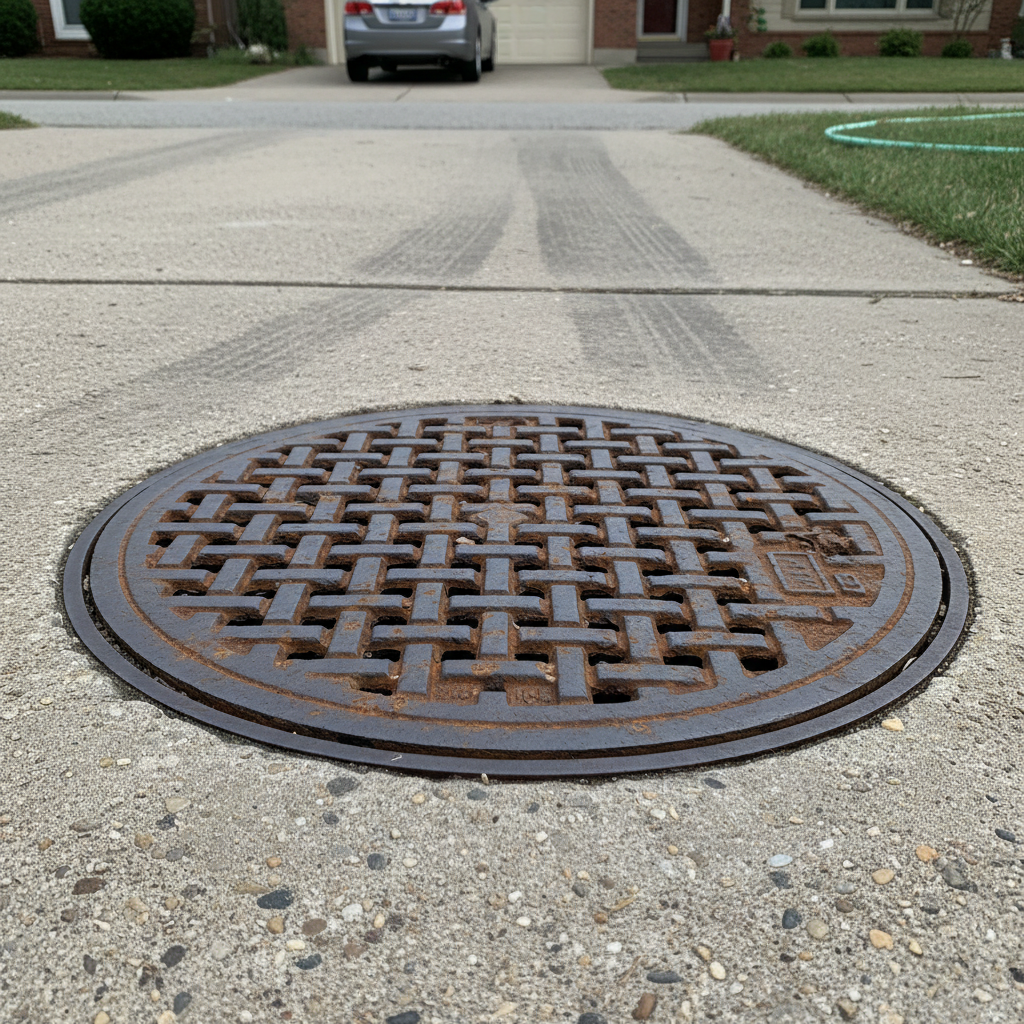
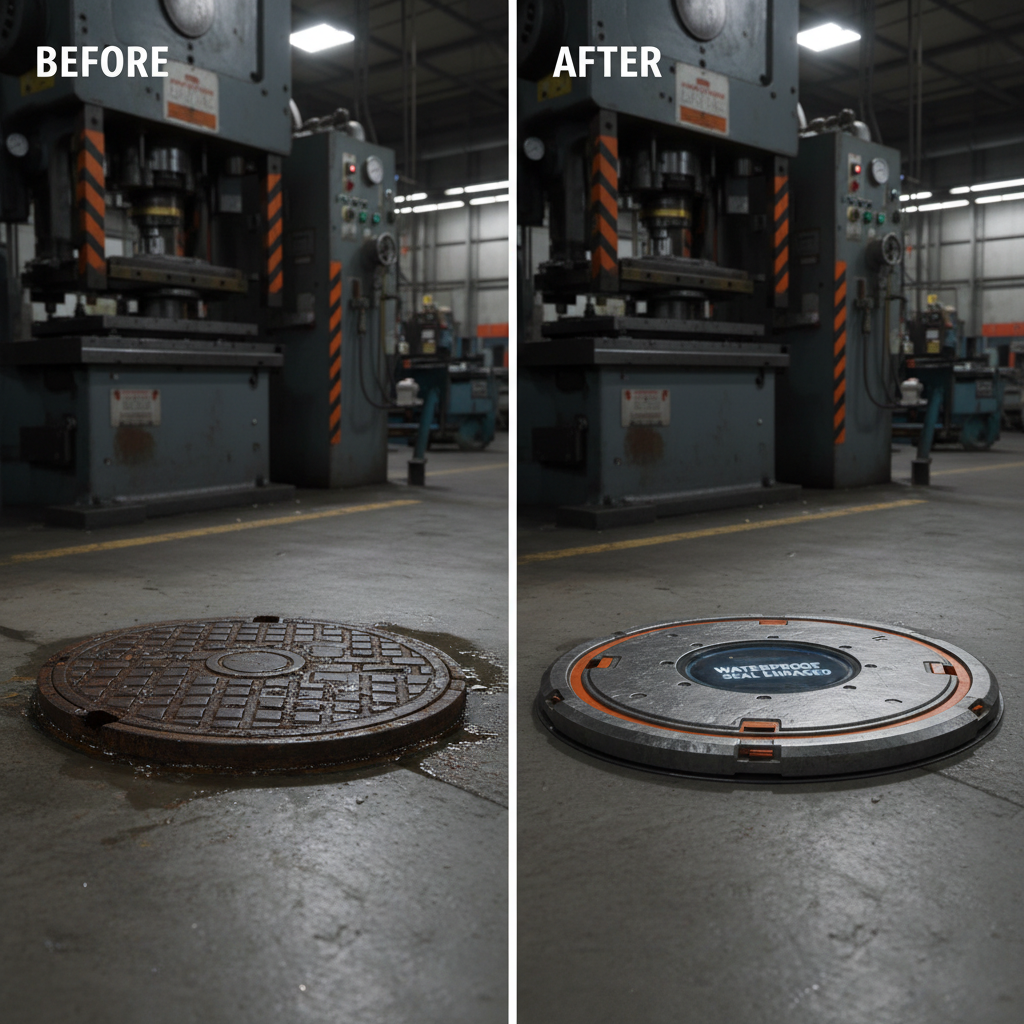
Inset manhole covers represent a critical component of modern infrastructure, ensuring safe and efficient access to underground utilities. Their importance extends globally, underpinning essential services like wastewater management, telecommunications, and energy distribution. Understanding the intricacies of inset manhole cover design, materials, and installation is vital for municipalities, construction companies, and utility providers alike, directly impacting public safety and operational efficiency.
The demand for robust and reliable inset manhole covers is constantly increasing, driven by factors such as population growth, urbanization, and aging infrastructure. Across the globe, aging systems require upgrades, and new developments necessitate dependable access points. The challenges associated with corrosion, theft, and structural integrity demand innovative solutions in the inset manhole cover sector.
This understanding directly translates into reduced maintenance costs, improved safety records, and enhanced sustainability in urban and rural environments. Properly specified and maintained inset manhole covers are not merely functional components but essential contributors to the overall health and resilience of our infrastructure networks.
The Core Principles of inset manhole cover
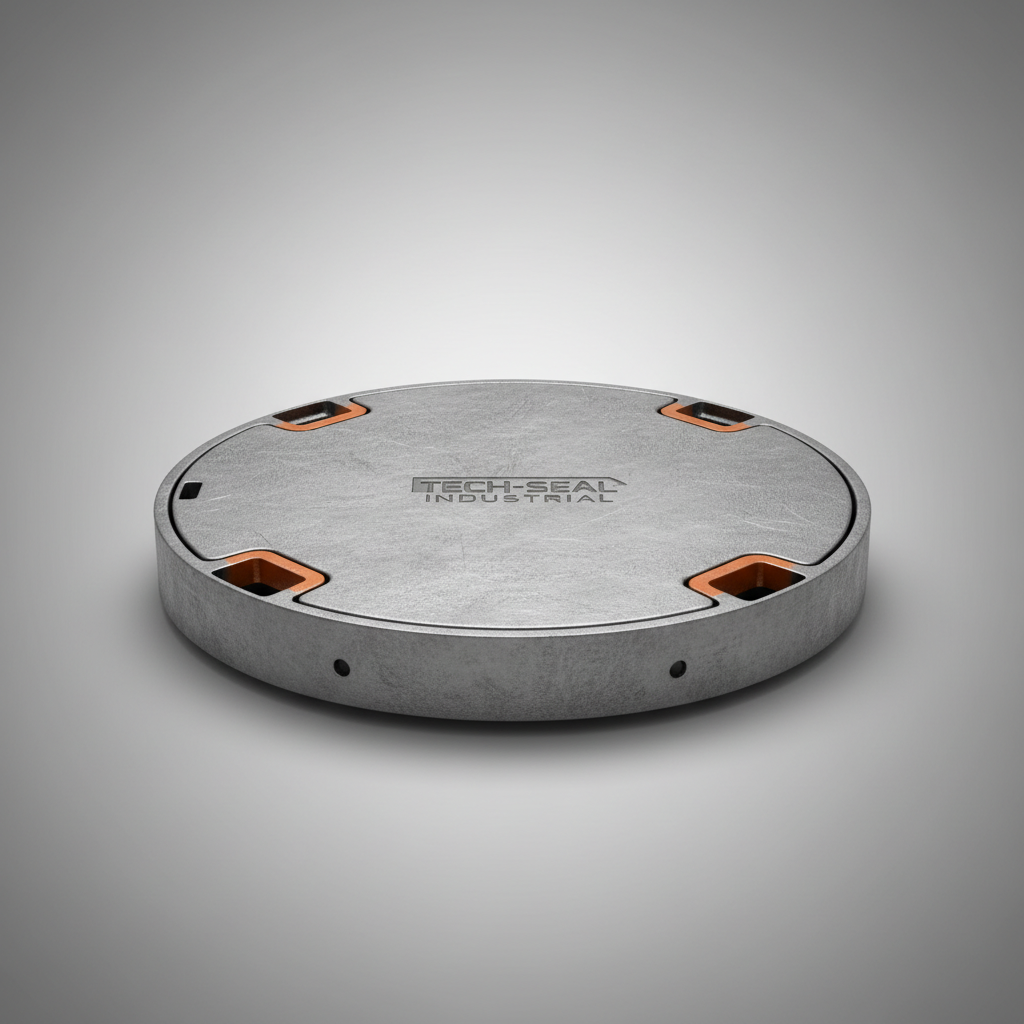
The fundamental principle behind inset manhole covers lies in their design – a recessed fit within a surrounding frame. This contrasts with traditional manhole covers that sit atop the structure. This inset configuration offers significant advantages in terms of load distribution and security, minimizing the risk of displacement due to traffic or accidental impact. It also contributes to a smoother surface transition, reducing potential hazards for pedestrians and vehicles.
Furthermore, the inset design allows for a tighter seal, preventing the ingress of water, debris, and gases. This is particularly important in wastewater management and utility applications where maintaining a sealed system is critical for environmental protection and operational efficiency. Materials science plays a vital role, with varying compositions tailored to specific load demands and environmental conditions.
Global Significance and Industry Standards
The use of inset manhole covers is widespread globally, dictated by infrastructure requirements and adherence to standardized safety regulations. Organizations like the ISO (International Organization for Standardization) and national standards bodies (e.g., ASTM in the US, EN in Europe) establish benchmarks for material specifications, load-bearing capacities, and testing protocols. These standards ensure consistent quality and performance across different regions and applications.
According to data from the World Bank, investment in water and sanitation infrastructure is crucial for sustainable development, and a significant portion of this investment relies on reliable access points provided by robust manhole covers. The UN Sustainable Development Goals (SDGs), particularly Goal 6 (Clean Water and Sanitation), underscore the importance of robust infrastructure, directly relating to the effective implementation of inset manhole cover systems.
Addressing the global challenge of aging infrastructure requires a proactive approach to replacement and maintenance. Implementing standardized inset manhole cover systems contributes to longevity, reduces repair costs, and enhances the overall resilience of critical utility networks. This is especially important in rapidly urbanizing areas and in regions prone to extreme weather events.
Defining Characteristics of inset manhole cover
An inset manhole cover is fundamentally defined by its recessed placement within a surrounding frame or bedding. Unlike conventional covers that rest on top of the manhole structure, the inset design integrates the cover into the surrounding surface. This method offers superior stability and reduces the potential for movement under load. The cover and frame are engineered to work in unison, distributing weight evenly and enhancing durability.
Material selection is paramount. Common materials include ductile iron, steel, and composite materials, each offering varying degrees of strength, corrosion resistance, and cost-effectiveness. Ductile iron is favored for its exceptional strength-to-weight ratio and resistance to cracking. Composites are gaining traction due to their lightweight nature and resistance to corrosion, making them ideal for harsh environments.
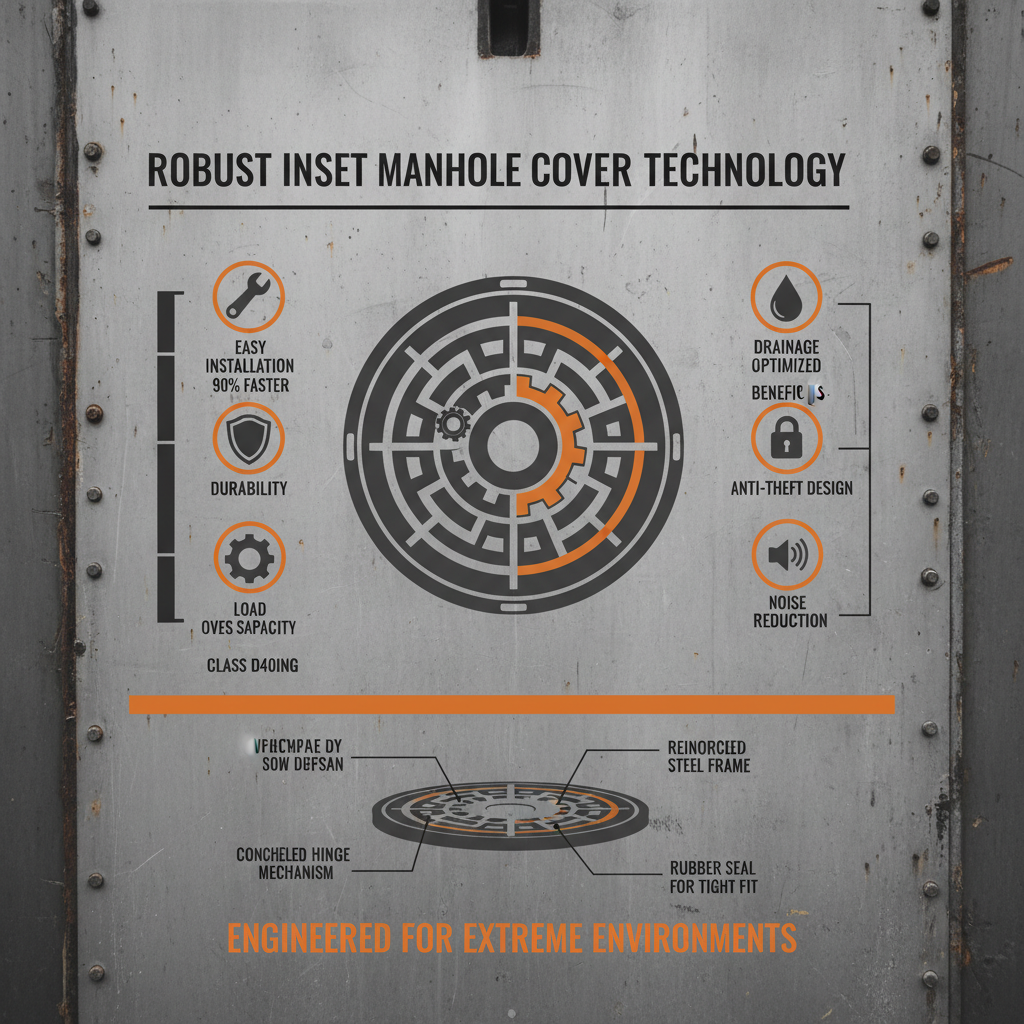
The locking mechanism is another key characteristic. A secure locking system prevents unauthorized access and minimizes the risk of theft or accidental displacement. Options range from simple bolt-down systems to more complex, tamper-proof mechanisms designed to withstand significant force. Properly functioning locks are essential for maintaining public safety and safeguarding underground infrastructure.
Key Factors Influencing inset manhole cover Performance
Durability is perhaps the most crucial factor influencing the performance of inset manhole covers. They must withstand significant loads from traffic, pedestrian activity, and environmental stressors. Material composition, manufacturing processes, and coating systems all contribute to long-term durability.
Corrosion resistance is equally important, especially in areas with harsh climates or exposure to corrosive substances. Choosing materials resistant to oxidation, chemical attack, and galvanic corrosion is vital for extending the lifespan of the cover and preventing costly replacements.
Load Capacity of Different inset manhole cover Materials
Real-World Applications of inset manhole cover
Inset manhole covers are indispensable in municipal water and wastewater systems, providing secure access for maintenance and inspection. They are frequently used in sewage treatment plants, pumping stations, and stormwater drainage networks.
Within the telecommunications industry, inset manhole covers grant access to underground cable conduits and fiber optic networks. Their robust construction protects sensitive infrastructure from damage and unauthorized access. They are also widely deployed in power distribution networks, safeguarding access to underground electrical cabling and transformers.
Long-Term Benefits and Value Proposition
The long-term benefits of utilizing inset manhole covers are substantial. Reduced maintenance costs result from their superior durability and resistance to corrosion. Minimized risk of damage and theft translates into lower replacement expenses and improved operational efficiency. The inherent safety features of the inset design contribute to a reduced risk of accidents and injuries, both for utility workers and the general public.
Furthermore, the sustainability aspect is becoming increasingly important. Selecting durable, long-lasting materials minimizes the need for frequent replacements, reducing the environmental impact associated with manufacturing and disposal. The inherent security of inset manhole covers protects vital infrastructure, contributing to the stability and reliability of essential services.
Future Trends and Technological Advancements
Innovation in inset manhole cover technology is focused on incorporating smart features and advanced materials. The development of composite materials with enhanced strength and corrosion resistance is ongoing. Smart covers equipped with sensors can monitor conditions within the manhole – detecting gas leaks, flooding, or unauthorized access – and transmit data wirelessly for proactive maintenance.
Digital twin technology allows for virtual modeling and simulation of manhole cover performance, enabling optimized design and predictive maintenance. Automation in manufacturing processes is driving down costs and improving quality control. The integration of these technologies will revolutionize the way we manage and maintain our underground infrastructure.
The increasing focus on circular economy principles is also driving demand for recyclable and sustainable materials in inset manhole cover production. Developing closed-loop systems for material recovery and reuse will minimize waste and reduce the environmental footprint of this critical infrastructure component.
Core Considerations for inset manhole cover Implementation
| Material Composition |
Load Rating (kN) |
Corrosion Resistance (1-10) |
Installation Complexity (1-5) |
| Ductile Iron |
150 |
8 |
3 |
| Steel (Epoxy Coated) |
120 |
7 |
2 |
| Composite A (Fiberglass) |
90 |
9 |
4 |
| Composite B (Polymer Concrete) |
110 |
10 |
3 |
| High Strength Alloy |
130 |
7 |
5 |
| Stainless Steel |
140 |
10 |
4 |
FAQS
Inset manhole covers offer several advantages, including increased safety due to their flush mounting, which reduces tripping hazards. They also provide enhanced security against theft and vandalism. The recessed design distributes load more effectively, improving durability and reducing the risk of cracking or displacement. Additionally, inset covers often feature a tighter seal, preventing the ingress of water and debris, crucial for maintaining system integrity.
Common materials include ductile iron, steel, and composite materials. Ductile iron offers a great balance of strength, durability, and cost-effectiveness. Steel is strong but prone to corrosion unless properly coated. Composite materials, like fiberglass or polymer concrete, are lightweight and highly corrosion-resistant but can be more expensive and may have lower load-bearing capacities compared to ductile iron. Choosing the right material depends on the specific application and environmental conditions.
The load rating should be determined based on the anticipated traffic and environmental factors. Consider the expected weight of vehicles, pedestrian traffic, and potential snow or ice loads. Consult relevant standards, such as those established by ASTM or EN, and factor in a safety margin. It's crucial to select a cover that exceeds the expected load to ensure long-term reliability and safety.
Regular inspection is crucial. Check for signs of corrosion, cracks, or damage to the locking mechanism. Clean the cover and surrounding frame to remove debris and prevent buildup. Lubricate the locking system as needed. If damage is detected, replace the cover promptly to avoid compromising safety or system integrity. Periodic resealing may also be necessary.
Yes, installation must comply with local building codes and industry standards. These regulations often specify requirements for bedding materials, frame alignment, and locking mechanism installation. Proper installation is critical for ensuring the cover's performance and preventing premature failure. Consult with qualified professionals and adhere to manufacturer's instructions.
Composite manhole covers offer significant advantages in terms of weight, corrosion resistance, and lifecycle cost. They are significantly lighter than ductile iron or steel, making them easier to handle and install. Their excellent corrosion resistance eliminates the need for frequent painting or coating, reducing maintenance costs. Composites are also non-conductive, offering an added safety benefit in certain applications.
Conclusion
Inset manhole covers are foundational to the reliable operation of critical underground infrastructure. Their inherent design advantages, coupled with advancements in materials science and smart technologies, provide long-term benefits in terms of safety, durability, and sustainability. Understanding the key factors influencing their performance and adhering to industry standards are essential for maximizing their value.
As urban populations continue to grow and infrastructure ages, the demand for robust and dependable access points will only increase. Investing in high-quality inset manhole cover systems is a proactive step towards ensuring the resilience and efficiency of our communities. For more information on selecting the right inset manhole cover for your specific needs, visit our website: www.hbyqmetal.com