Ensuring the integrity of urban underground infrastructure is a critical challenge for modern civil engineering, particularly in flood-prone metropolitan areas. A high-quality waterproof manhole cover serves as the first line of defense, preventing surface runoff, wastewater, and hazardous contaminants from infiltrating sensitive utility networks. By sealing the entry points of sewage and electrical systems, these specialized covers protect the longevity of the infrastructure and ensure the safety of the surrounding environment.
Globally, the shift toward "Sponge Cities" and sustainable urban drainage systems (SuDS) has highlighted the necessity of precision-engineered sealing solutions. Traditional covers often allow seepage during heavy rainfall, leading to system overflows or the contamination of groundwater. Implementing a certified waterproof manhole cover not only mitigates these risks but also reduces the long-term maintenance costs associated with water-induced erosion and corrosion within the manhole shafts.
Understanding the technical nuances of sealing mechanisms, material composition, and load-bearing capacities is essential for procurement officers and urban planners. Whether deployed in industrial chemical plants or residential streetscapes, the right sealing technology prevents the "chimney effect" of sewer gases and stops external water ingress. This comprehensive guide explores the engineering standards, practical applications, and future innovations that make the modern waterproof manhole cover an indispensable asset in global infrastructure.
Global Relevance and Industry Context of Waterproofing
The global demand for specialized waterproof manhole cover solutions has surged as cities face more frequent and severe flooding events. According to ISO standards for urban drainage, the failure of manhole seals is a leading cause of "Inflow and Infiltration" (I&I), which puts unnecessary pressure on wastewater treatment plants. When stormwater enters the sanitary sewer through leaky covers, it increases operational costs and can lead to catastrophic sanitary sewer overflows (SSOs) in densely populated regions.
From the coastal cities of Southeast Asia to the aging infrastructure of North American hubs, the transition to high-performance sealing is no longer optional. The integration of ductile iron and advanced elastomers in the design of a waterproof manhole cover ensures that even under extreme hydrostatic pressure, the system remains airtight and watertight. This industrial shift reflects a broader movement toward resilient urbanism, where infrastructure is designed to withstand the volatility of a changing climate.
Defining the Engineering of Waterproof Manhole Covers
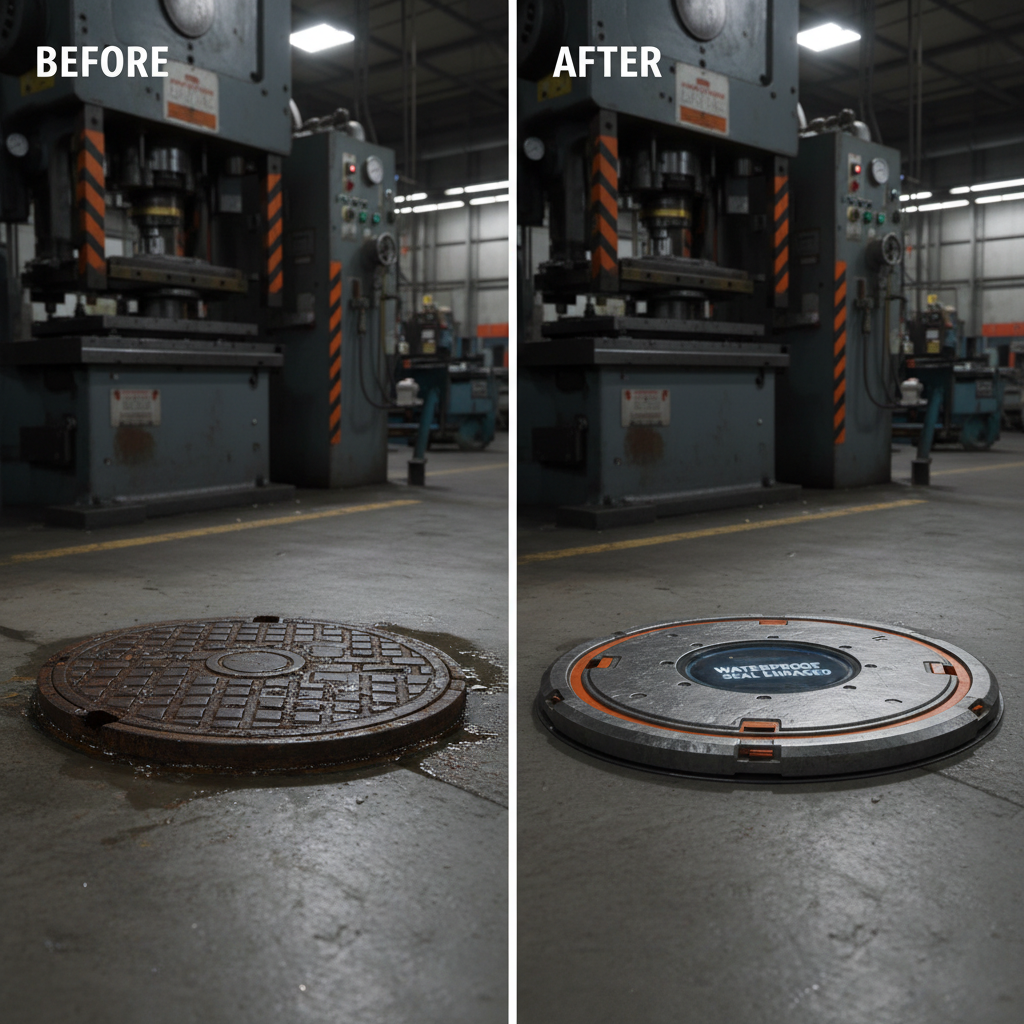
At its core, a waterproof manhole cover is a precision-engineered access hatch designed to create a hermetic seal between the cover and the frame. Unlike standard covers that rely on a simple gravity fit, waterproof versions utilize compression gaskets—usually made of EPDM or nitrile rubber—that are squeezed between the mating surfaces. This prevents the ingress of water, dust, and gases, effectively isolating the subterranean environment from the surface.
The engineering of these systems must balance two opposing forces: the need for an airtight seal and the requirement for easy accessibility during maintenance. A well-designed waterproof manhole cover employs a locking mechanism that applies uniform pressure across the gasket, ensuring that no "weak spots" exist where water could seep through under the weight of passing vehicles or floodwaters.
Furthermore, the materials used are selected based on the chemical environment. In industrial zones where corrosive chemicals are present, a waterproof manhole cover may be coated with epoxy or manufactured from composite materials to prevent degradation. This intersection of material science and mechanical engineering ensures that the cover remains functional for decades, despite constant exposure to moisture and traffic loads.
Core Components for Maximum Sealing Efficiency
The effectiveness of a waterproof manhole cover depends heavily on the quality of the seating ring. The ring must be perfectly planar to ensure that the gasket makes full contact with the cover's underside. Any deviation in the casting process can create gaps, compromising the waterproof integrity of the entire assembly.
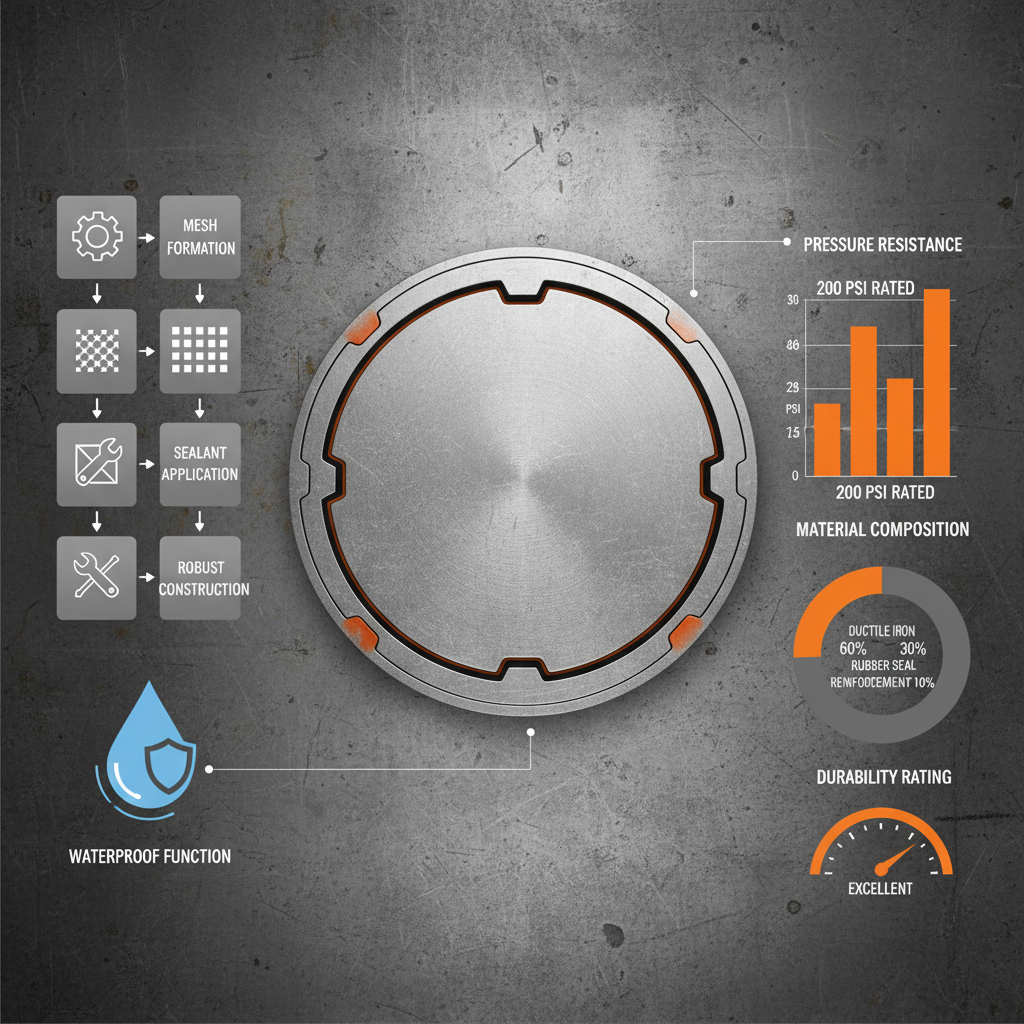
The elastomeric gasket is the most critical component of a waterproof manhole cover. High-grade EPDM (Ethylene Propylene Diene Monomer) is typically preferred due to its excellent resistance to UV radiation, ozone, and temperature fluctuations, ensuring the seal does not crack or shrink over time.
Finally, the fastening system—whether it involves bolt-down clamps or heavy-duty locking lugs—determines the compression force applied to the waterproof manhole cover. Proper torqueing of these fasteners ensures that the seal remains intact even during the "heave" associated with freeze-thaw cycles in colder climates.
Comparative Performance of Sealing Methods
Different environments require different sealing strategies for a waterproof manhole cover. While a standard compression gasket works for most urban roads, high-pressure areas—such as those subject to tidal surges—require "double-seal" configurations. These systems utilize a primary seal for daily moisture protection and a secondary, high-pressure seal for extreme events.
When comparing the efficacy of these methods, we look at the "leakage rate per square meter" under simulated hydrostatic pressure. Mechanical seals generally outperform chemical sealants, which tend to degrade and peel over time. The goal is to achieve a balance between durability, ease of replacement, and absolute watertightness.
Performance Ratings of Waterproof Manhole Cover Sealing Types
Global Applications and Industrial Use Cases
The application of a waterproof manhole cover spans multiple critical sectors. In the pharmaceutical and food processing industries, these covers are essential for maintaining "clean room" standards, preventing contaminants from the sewer system from entering the production facility through the floor drains and manholes.
In coastal regions like the Netherlands or Singapore, waterproof covers are integrated into flood-defense strategies. During a storm surge, these covers prevent seawater from rushing into the city's internal drainage network, which would otherwise cause massive backups and flooding in residential basements. This strategic deployment turns a simple piece of metal into a critical component of urban survival.
Long-term Economic and Environmental Value
Investing in a premium waterproof manhole cover offers significant long-term ROI. By reducing the amount of groundwater entering the sewer system, municipalities can lower the energy consumption of pumping stations and decrease the volume of water that must be treated at the plant. This leads to a direct reduction in carbon emissions and operational expenditures.
Beyond the numbers, there is a profound social impact. Water-tight seals prevent the escape of toxic sewer gases (such as hydrogen sulfide), which can be hazardous to pedestrians and maintenance workers. This enhancement in public health and safety fosters a sense of trust in urban infrastructure, demonstrating a commitment to innovation and human well-being.
Furthermore, the durability of a high-quality waterproof manhole cover reduces the frequency of replacements. While the initial cost may be higher than a standard cover, the lifespan extension—often by 15 to 20 years—means fewer road closures and less construction waste, contributing to a more sustainable urban lifecycle.
Future Trends in Smart Waterproofing Technology
The future of the waterproof manhole cover lies in the integration of IoT (Internet of Things) sensors. Imagine a cover that can detect a breach in its seal in real-time and send an alert to the municipal dashboard. This transition from reactive to predictive maintenance will allow cities to fix leaks before they cause system failures.
Moreover, we are seeing the rise of "bio-mimetic" sealing materials—polymers that can self-heal small punctures or tears in the gasket. These advanced materials will ensure that a waterproof manhole cover remains effective even after years of heavy traffic and mechanical wear, further reducing the need for human intervention.
Sustainability is also driving the use of recycled ductile iron and low-carbon casting processes. The next generation of waterproof manhole cover systems will not only protect the city from water but will be produced with a minimal environmental footprint, aligning with global Net-Zero targets.
Comparative Analysis of Waterproof Manhole Cover Specifications
|
Cover Grade
|
Seal Material
|
Pressure Rating
|
Recommended Use
|
| Light Duty (A15) |
Standard EPDM |
Low (0.5 Bar) |
Pedestrian Walkways |
| Medium Duty (B125) |
Reinforced Nitrile |
Medium (2.0 Bar) |
Residential Driveways |
| Heavy Duty (C250) |
High-Density EPDM |
High (5.0 Bar) |
Industrial Parking Lots |
| Extra Heavy (D400) |
Double-Lip Seal |
Extreme (10.0 Bar) |
Main Urban Roads |
| Chemical Grade |
Viton / Fluoromer |
High (5.0 Bar) |
Chemical Plants |
| Flood-Proof Grade |
Compressed Silicone |
Critical (15.0 Bar) |
Coastal Defense Zones |
FAQS
The primary difference is the presence of a compression sealing system. While standard covers rely on a metal-to-metal fit (which always allows some seepage), a waterproof manhole cover utilizes an elastomeric gasket (like EPDM) that is compressed when the cover is locked. This creates a watertight barrier that prevents liquid and gas exchange between the surface and the shaft.
Depending on the material and environment, a high-quality EPDM gasket in a waterproof manhole cover can last between 10 to 20 years. However, seals in chemical-heavy industrial zones or areas with extreme temperature swings may require inspection every 5 years to ensure the elastomer hasn't lost its elasticity or developed cracks.
Yes, retrofitting is common. It typically involves replacing the existing frame with a specialized sealing frame that accommodates the gasket. Once the new frame is cast into the concrete or asphalt, a compatible waterproof manhole cover is installed and locked into place to achieve the desired sealing rating.
It depends on the grade. While standard waterproof covers handle rain and minor puddles, "Flood-Proof" or "D400" rated waterproof manhole covers are specifically designed for hydrostatic pressure. These use reinforced gaskets and heavy-duty locking bolts to prevent the cover from lifting or leaking under the weight of standing floodwater.
Absolutely. Because water and gas follow the same paths of least resistance, a seal that is watertight is also virtually airtight. A waterproof manhole cover effectively blocks the "chimney effect," preventing hydrogen sulfide and other foul odors from leaking into the street or nearby buildings.
Ductile iron is superior for high-load areas (roads/highways) due to its immense strength and stability, which keeps the seal compressed. Composites are excellent for corrosive environments or areas where weight is a concern, as they don't rust, though they may require different gasket designs to achieve the same sealing pressure.
Conclusion
The implementation of a high-performance waterproof manhole cover is a fundamental requirement for any resilient urban infrastructure project. By combining advanced material science with precision mechanical engineering, these systems solve the critical issues of Inflow and Infiltration, protecting both the efficiency of wastewater treatment and the safety of the public. From reducing operational costs to preventing environmental contamination, the value of a proper seal far outweighs the initial investment.
As we move toward a future of smarter, greener cities, the evolution of sealing technology will continue to play a pivotal role. We recommend that urban planners and industrial engineers prioritize certified, load-rated waterproof solutions to future-proof their assets against climate volatility. To ensure your infrastructure meets the highest global standards for durability and watertightness, visit our website: www.hbyqmetal.com.