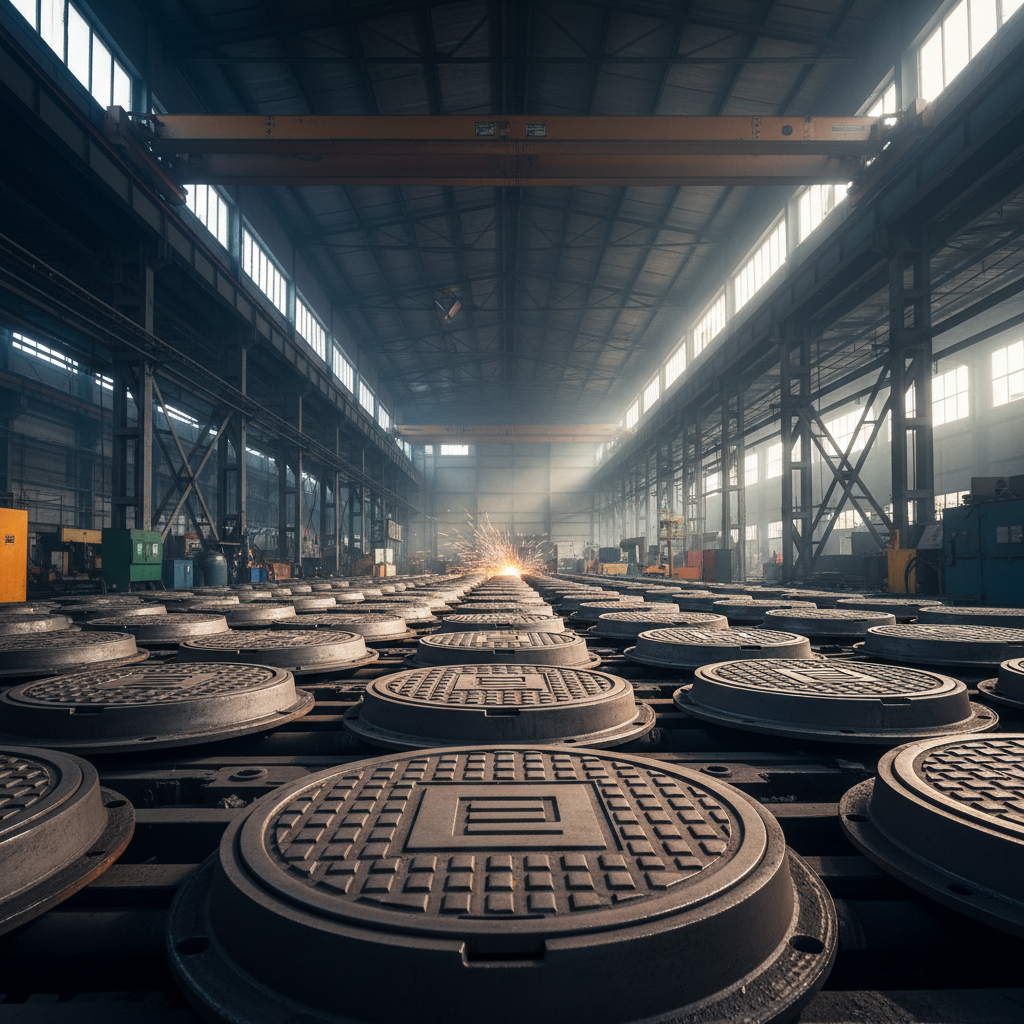
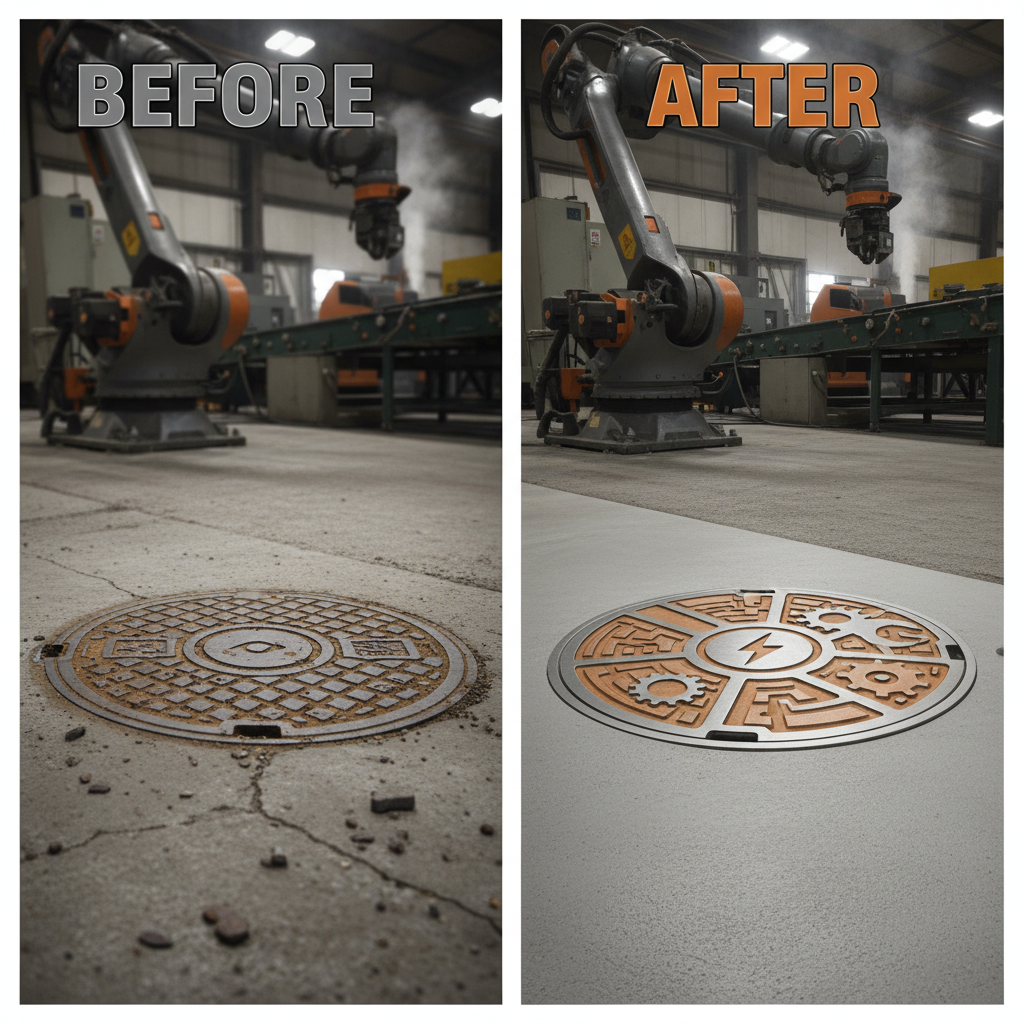
The humble iron manhole cover is a ubiquitous yet often overlooked component of modern infrastructure. These robust access points to underground utilities – water, sewer, telecommunications, and electricity – are crucial for maintaining the functionality of our cities and towns. Globally, the demand for durable and reliable manhole covers continues to rise alongside urbanization and infrastructure development. Understanding their construction, materials, and applications is essential for engineers, urban planners, and anyone involved in maintaining the essential services that underpin modern life. The longevity and safety these covers provide are paramount to public health and convenience.
The global market for manhole covers is substantial and growing, driven by ongoing investment in infrastructure, particularly in developing nations. According to reports, the market is projected to reach significant values in the coming years, reflecting the continuous need for replacement and new installations. However, challenges exist, including theft, corrosion, and the need for lighter, more sustainable materials. Effective solutions to these problems require innovation in material science and manufacturing techniques, ensuring the continued reliable operation of essential underground networks.
Iron manhole covers provide a crucial safeguard for underground infrastructure, preventing unauthorized access and protecting vital utilities from damage and contamination. Their durable construction ensures long-term performance, minimizing maintenance costs and maximizing the lifespan of underground assets. Choosing the right iron manhole cover – considering load capacity, corrosion resistance, and safety features – is vital for protecting public safety and ensuring the efficient operation of urban environments.
The Importance of iron manhole cover
Iron manhole covers represent a fundamental element of urban infrastructure, playing a critical role in ensuring safe and efficient access to essential underground utilities. Their widespread use stems from their durability, reliability, and ability to withstand the stresses of daily traffic and environmental exposure. They safeguard public health by preventing contamination of water and sewer systems and protecting the integrity of vital communication and power networks.
The significance of high-quality iron manhole covers extends beyond mere functionality. They contribute to the overall safety and sustainability of urban environments, reducing the risk of accidents and minimizing the need for frequent replacements. Investing in durable, well-maintained manhole covers is a proactive approach to infrastructure management, ultimately lowering long-term costs and enhancing the quality of life for residents.
Defining the iron manhole cover
An iron manhole cover is a removable lid used to seal off an opening to an underground chamber, such as a manhole, providing access for maintenance and inspection of utilities. Typically constructed from cast iron due to its strength and corrosion resistance, these covers are designed to withstand significant loads from vehicular traffic and pedestrian use. They come in various shapes and sizes, depending on the diameter of the manhole and the specific application.
The core function of an iron manhole cover is to ensure safe access to underground infrastructure without disrupting surface traffic or compromising the integrity of the utility network. Properly designed and installed manhole covers prevent the ingress of debris, rainwater, and unauthorized personnel, protecting vital systems from damage and contamination. This is central to modern infrastructure management.
Beyond their practical function, iron manhole covers are a visible element of the urban landscape, often bearing markings indicating the type of utility they protect. They are a silent but essential component of the complex systems that deliver water, sanitation, and communication services to communities worldwide.
Core Characteristics of iron manhole cover
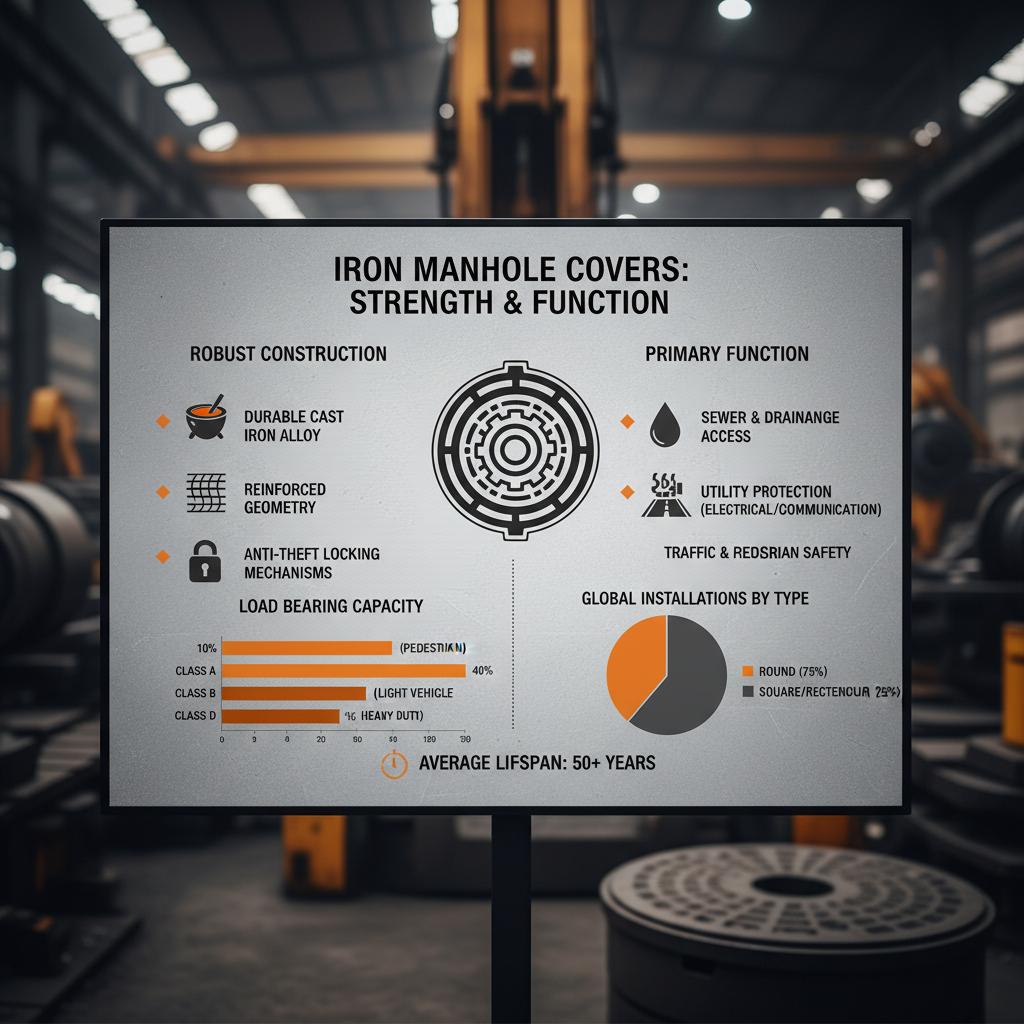
The defining characteristic of effective iron manhole covers is their durability. Cast iron provides exceptional resistance to wear and tear, able to withstand heavy loads and harsh environmental conditions for decades. Different grades of cast iron offer varying levels of strength and corrosion resistance, allowing for selection based on specific environmental factors and traffic demands.
Corrosion resistance is another crucial attribute. While cast iron is inherently resistant to corrosion, coatings and alloys are often used to enhance protection against rust and other forms of degradation, especially in aggressive environments like saltwater coastal regions or areas with high levels of industrial pollution. Proper surface treatment significantly extends the lifespan of the cover.
Safety is paramount. Iron manhole covers are designed with features to minimize the risk of accidental falls or injuries. These features often include textured surfaces for improved grip, secure locking mechanisms to prevent unauthorized removal, and standardized shapes and sizes to ensure compatibility with manhole frames.
Practical Applications of iron manhole cover
Iron manhole covers find widespread application in municipal water and sewer systems, providing access points for inspection, maintenance, and repair of underground pipelines and infrastructure. They are essential for maintaining the integrity of these systems, preventing leaks, and ensuring the reliable delivery of clean water and the efficient removal of wastewater.
Telecommunications companies rely heavily on iron manhole covers to protect underground cabling and equipment. These covers provide secure access for technicians to install, maintain, and repair fiber optic cables, coaxial cables, and other critical components of communication networks. Their robustness protects sensitive equipment from damage and unauthorized access.
iron manhole cover Application by Utility Type
Global Usage of iron manhole cover
The demand for iron manhole covers is globally distributed, with significant concentrations in regions undergoing rapid urbanization and infrastructure development. Asia-Pacific, particularly China and India, represents the largest market, driven by extensive investments in water, sanitation, and communication networks.
North America and Europe maintain a steady demand for replacement and upgrade projects, with a growing focus on sustainable materials and innovative designs. Developing nations in Africa and Latin America are also experiencing increased demand as they strive to improve their infrastructure and provide essential services to their populations.
The Enduring Value of iron manhole cover
The long-term benefits of utilizing iron manhole covers extend far beyond their initial cost. Their exceptional durability translates to reduced maintenance requirements and a longer service life, resulting in significant cost savings over time. This makes them a cost-effective solution for municipalities and utility companies seeking to minimize life-cycle expenses.
Iron manhole covers contribute to enhanced public safety by preventing accidents and protecting vital underground infrastructure. Their reliability ensures the uninterrupted delivery of essential services, safeguarding public health and supporting economic activity. Investing in quality iron manhole covers is an investment in a resilient and sustainable future.
Furthermore, the inherent recyclability of cast iron aligns with sustainability goals. At the end of their service life, iron manhole covers can be recycled and reused, minimizing environmental impact and conserving valuable resources.
Future Trends in iron manhole cover
Innovation in materials is driving the development of composite manhole covers that offer lighter weight and enhanced corrosion resistance compared to traditional cast iron. These composite materials, often incorporating polymers and fibers, provide comparable strength while reducing installation costs and minimizing the risk of theft.
Smart manhole covers, equipped with sensors and communication technology, are emerging as a promising trend. These intelligent covers can monitor parameters such as water levels, gas concentrations, and temperature, providing real-time data for proactive maintenance and early detection of potential problems. This leads to more efficient infrastructure management and reduced downtime.
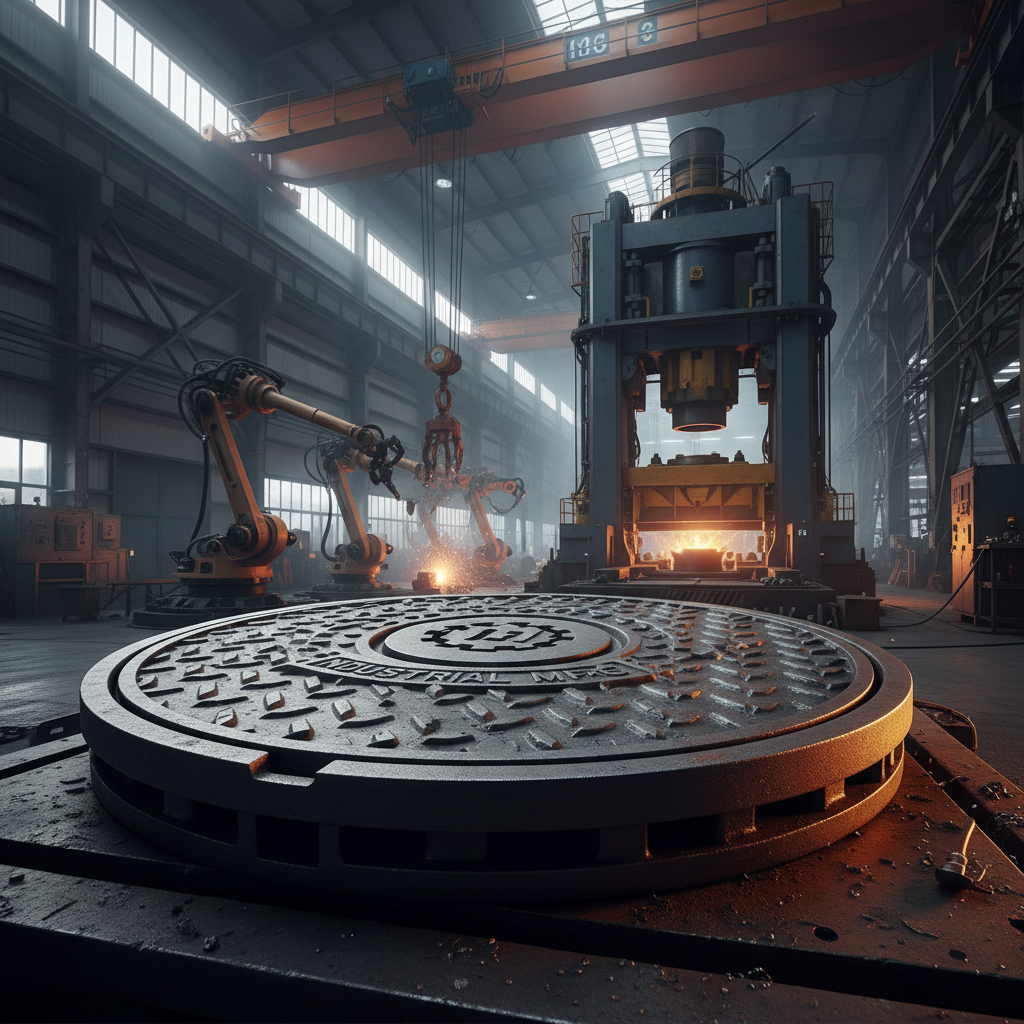
Digitalization and automation are also playing a role, with the use of 3D printing and robotic manufacturing processes to create customized manhole covers with improved precision and efficiency. These advancements are driving down production costs and enabling the development of innovative designs tailored to specific applications.
Summary of Future Trends and Challenges in iron manhole cover Technology
| Trend/Challenge |
Impact on iron manhole cover |
Likelihood (1-10) |
Potential Solution |
| Material Innovation (Composites) |
Reduced weight, increased corrosion resistance. |
8 |
Further R&D into durable, cost-effective composites. |
| Smart Cover Technology |
Real-time monitoring of underground conditions. |
6 |
Standardized sensor integration and data analytics platforms. |
| Theft & Vandalism |
Increased costs, service disruptions. |
9 |
Enhanced security features, tracking systems. |
| Corrosion in Harsh Environments |
Reduced lifespan, increased maintenance. |
7 |
Advanced coatings and corrosion-resistant alloys. |
| Manufacturing Costs |
Impacts overall project budgets. |
5 |
Automation and 3D printing for efficient production. |
| Sustainability & Recycling |
Environmental impact of material production and disposal. |
7 |
Increased use of recycled materials and closed-loop manufacturing processes. |
FAQS
The lifespan of an iron manhole cover can vary significantly depending on factors such as the quality of the cast iron, the environmental conditions, and the level of traffic it’s exposed to. However, a well-maintained iron manhole cover can typically last for 50 to 100 years, making them a remarkably durable investment for infrastructure projects. Regular inspection and maintenance, including protective coatings, can extend their service life even further.
Theft of iron manhole covers is a significant concern. Several preventative measures can be taken, including utilizing locking mechanisms, embedding GPS tracking devices within the covers, and employing composite materials that have lower scrap value. Increased community awareness and reporting of suspicious activity can also help deter theft. Municipalities are also exploring alternative cover designs that are less attractive to thieves.
The required load rating for a manhole cover depends on the anticipated traffic. Manhole covers are typically rated according to standards like EN 124, which defines different load classes based on the expected vehicular load. For pedestrian-only areas, a lower load rating may suffice, while covers in roadways require a much higher rating to withstand the weight of trucks and buses. Consulting with a qualified engineer is recommended to determine the appropriate load rating for your specific application.
Composite manhole covers offer several advantages, including lighter weight, which simplifies installation and reduces lifting hazards. They are also non-conductive, making them safer to use near electrical infrastructure. Additionally, composite materials are highly corrosion-resistant, potentially extending their lifespan in harsh environments. However, composite covers may have a lower scrap value, which can deter theft.
Proper installation is critical for the long-term performance and safety of a manhole cover. The cover must be securely seated on the manhole frame to prevent movement, rattling, and potential displacement. Incorrect installation can lead to water ingress, damage to the cover or frame, and a safety hazard for pedestrians and vehicles. Following manufacturer's instructions and utilizing qualified personnel for installation are essential.
Regular maintenance is key to maximizing the lifespan of iron manhole covers. This includes periodic inspections for signs of corrosion, damage, or loosening. Applying protective coatings can help prevent rust and extend the cover's service life. Cleaning debris and ensuring proper drainage around the manhole frame can also prevent corrosion and maintain functionality. Addressing any issues promptly can prevent costly repairs or replacements.
Conclusion
In conclusion, the iron manhole cover, though often unseen, is an indispensable component of modern infrastructure. Its durability, reliability, and safety features are critical for maintaining the functionality of essential underground utilities and protecting public health. Understanding the characteristics, applications, and future trends surrounding iron manhole covers is vital for engineers, urban planners, and anyone involved in infrastructure management.
Looking ahead, innovation in materials, smart technologies, and manufacturing processes will continue to drive improvements in manhole cover design and performance. By embracing these advancements and prioritizing proactive maintenance, we can ensure the long-term resilience and sustainability of our urban environments. For high-quality iron manhole covers and expert solutions, visit our website: www.hbyqmetal.com.