Manhole cover recessed technology represents a critical, yet often overlooked, element of modern infrastructure. Globally, efficient and safe access to underground utilities is paramount for maintaining essential services like water, sanitation, telecommunications, and energy. The increasing urbanization and aging infrastructure in many countries necessitate reliable and cost-effective solutions for manhole access. Understanding the nuances of manhole cover recessed – from material science to installation techniques – is vital for ensuring public safety, minimizing maintenance costs, and extending the lifespan of vital underground networks.
The demand for advanced manhole cover recessed systems is driven by a confluence of factors. Rapid population growth, particularly in developing nations, puts immense strain on existing infrastructure. Simultaneously, heightened safety standards and environmental concerns demand more secure and eco-friendly solutions. Traditional manhole covers often pose risks of theft, create noise pollution, and can be difficult to maneuver, particularly for utility workers. Innovations in recessed systems address these challenges by offering increased security, reduced noise, and improved ergonomics.
The core benefit of a well-designed manhole cover recessed system extends beyond mere accessibility. It contributes directly to public health by preventing contamination of water sources and facilitating efficient wastewater management. It safeguards utility workers by providing a safer working environment, and it reduces the economic burden associated with frequent repairs and replacements. Therefore, investing in superior manhole cover recessed technology is an investment in the long-term resilience and sustainability of urban environments.
The Significance of Manhole Cover Recessed
Manhole cover recessed is more than just a functional component of infrastructure; it’s a critical safety feature and a contributor to efficient urban operation. The recessed design allows for flush installation with surrounding surfaces, eliminating tripping hazards and enabling smooth traffic flow. This is especially crucial in pedestrian areas and roadways. The proper integration of recessed covers also simplifies maintenance access for utility workers, reducing downtime and operational costs.
The increased emphasis on accessibility and inclusivity further elevates the importance of manhole cover recessed. Well-designed systems ensure easier access for individuals with disabilities, complying with accessibility standards and promoting equitable access to public spaces. Furthermore, the ability to customize recessed covers with different materials and designs allows for seamless integration with surrounding landscapes, enhancing the aesthetic appeal of urban environments.
Global Context and Industry Relevance
The global market for manhole cover recessed is experiencing steady growth, driven by infrastructure development projects in emerging economies and the need for rehabilitation in developed nations. According to a report by the World Bank, investment in infrastructure across developing countries is expected to reach trillions of dollars in the coming decades, creating a significant demand for durable and reliable access solutions. The ISO standards related to utility access cover material specifications, load-bearing capacity, and safety features, influencing the design and manufacturing of manhole cover recessed.
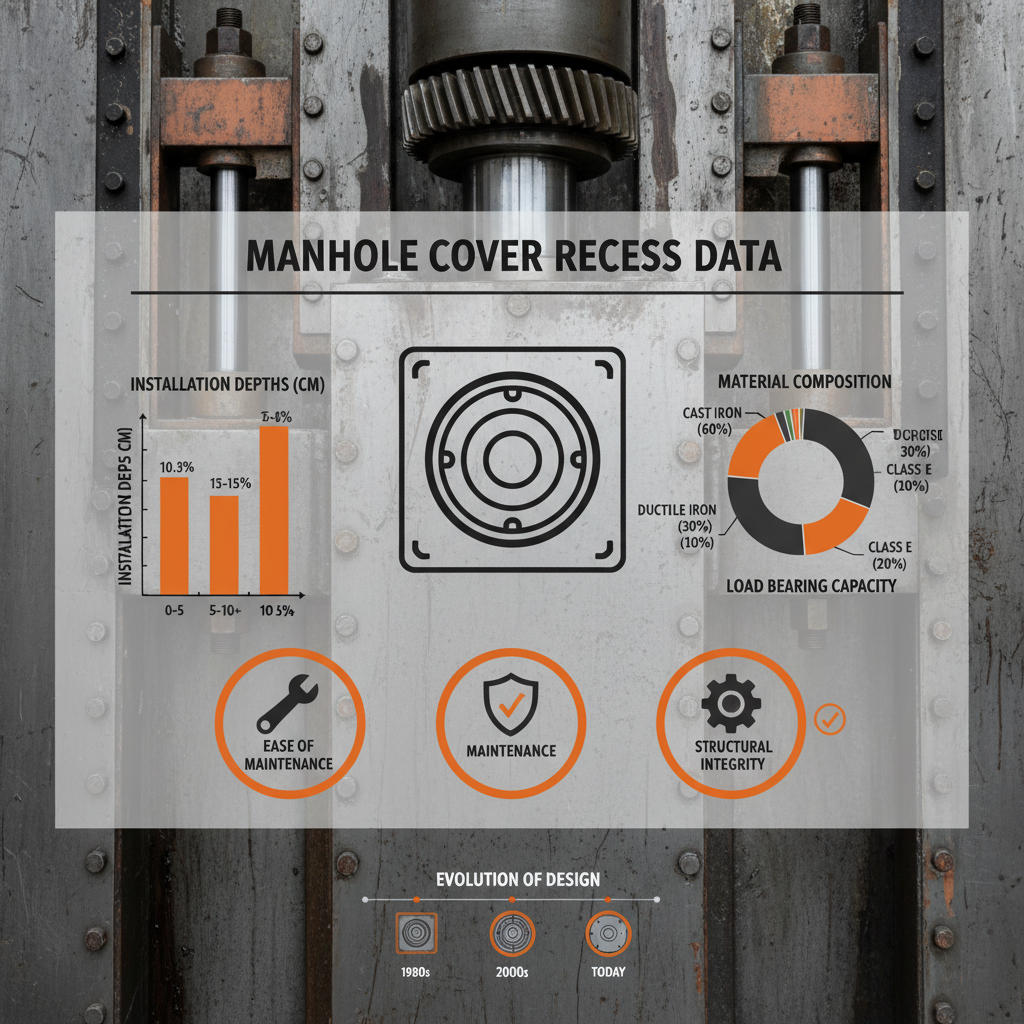
The industry faces challenges related to material selection, corrosion resistance, and theft prevention. Traditional materials like cast iron are susceptible to corrosion and are often targeted by thieves. This has led to the adoption of alternative materials like polymer composites and ductile iron, offering improved durability and security. The demand for lightweight materials is also increasing, as they reduce installation costs and minimize the physical strain on utility workers.
The increasing adoption of smart city technologies is also impacting the industry. Integration of sensors and monitoring systems within manhole cover recessed allows for real-time data collection on infrastructure health, enabling proactive maintenance and preventing costly failures. These innovations are transforming manhole cover recessed from a passive component to an active element within a connected urban ecosystem.
Defining Manhole Cover Recessed
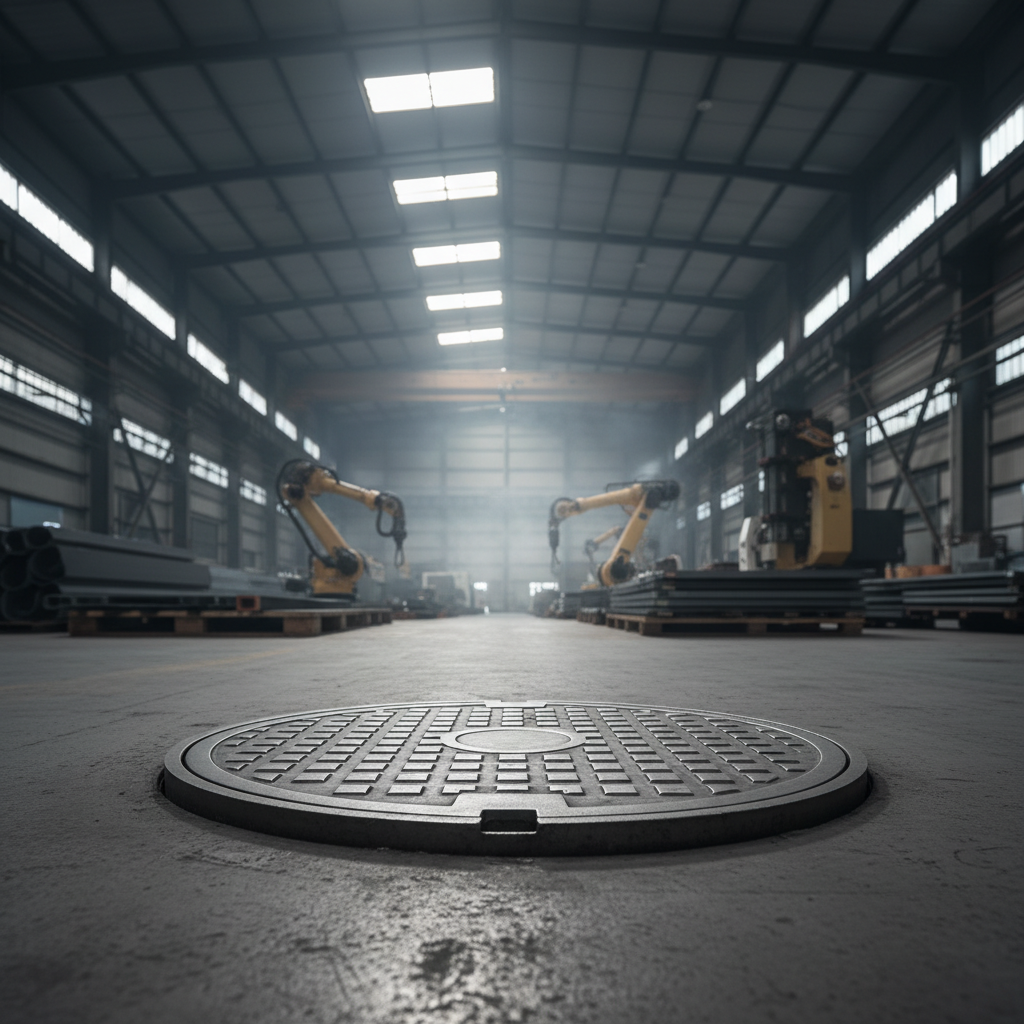
A manhole cover recessed is an access point to underground infrastructure, uniquely designed to be flush or nearly flush with the surrounding ground surface. Unlike traditional manhole covers that sit on the surface, a recessed cover is integrated into it. This integration involves creating an opening in the road or pavement and installing a frame and cover system that’s level with the surrounding terrain. This design eliminates protruding edges, reducing trip hazards and allowing for smoother traffic flow.
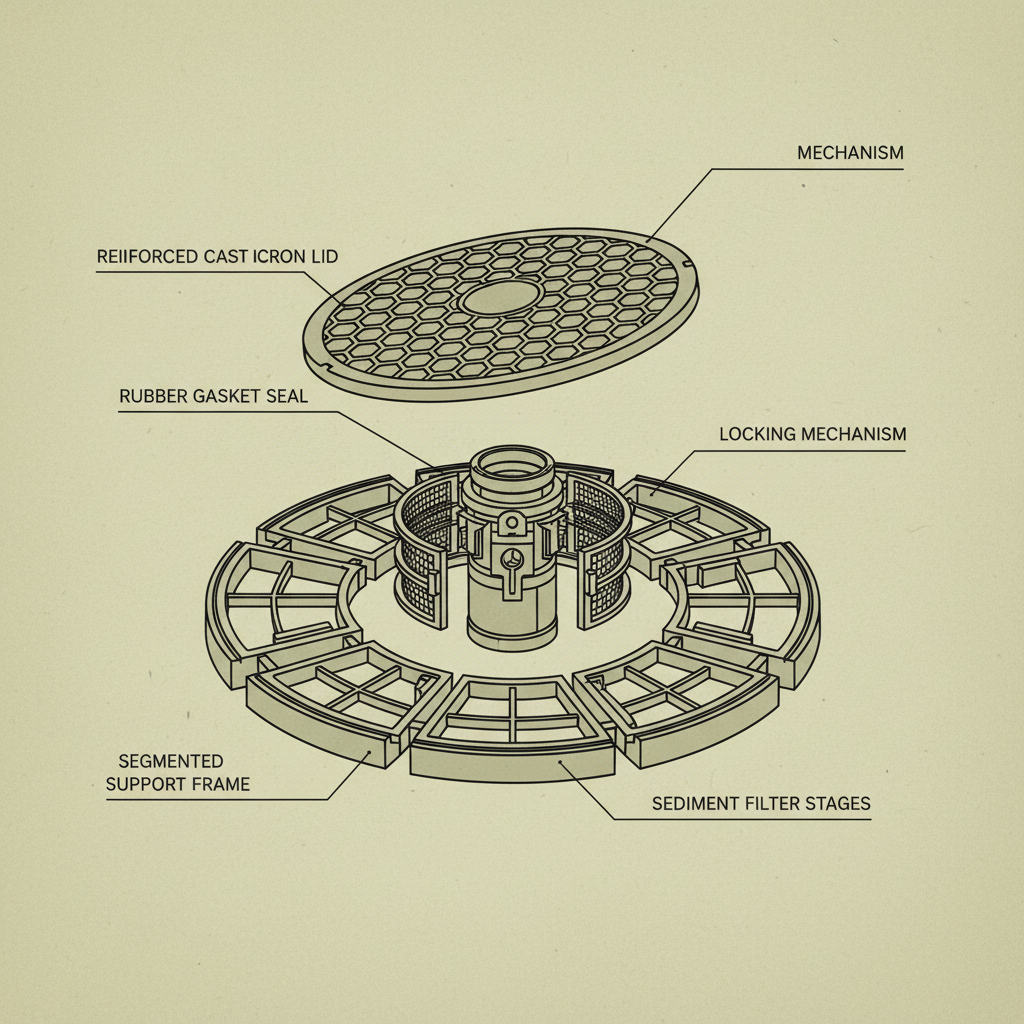
The system typically consists of a robust frame, securely embedded in the surrounding pavement, and a cover that fits precisely within the frame. The cover can be removable for maintenance access, often using specialized lifting keys or mechanisms. Crucially, the recessed design must maintain structural integrity under heavy loads, such as vehicular traffic, while providing safe and reliable access to underground utilities. The materials used are selected to withstand environmental conditions and resist corrosion.
The development of manhole cover recessed is directly linked to the modernization of urban infrastructure and the growing need for efficient utility maintenance. As cities expanded and underground networks became more complex, the demand for safe, accessible, and unobtrusive access points increased. This led to the evolution of recessed systems, offering a practical and aesthetically pleasing solution for managing vital underground assets.
Key Factors Influencing Manhole Cover Recessed Performance
Several key factors determine the performance and longevity of manhole cover recessed systems. Durability is paramount, dictating the material selection and construction methods. The cover must withstand heavy loads, resist corrosion, and withstand the stresses of frequent opening and closing. Load Capacity is directly related to durability and is specified by industry standards, taking into account the expected traffic volume and type.
Security is another critical factor, with theft prevention being a major concern. Recessed covers are less susceptible to theft than traditional covers, but additional security features, such as locking mechanisms and tamper-proof designs, can further enhance protection. Water Tightness is crucial to prevent infiltration of rainwater or groundwater into the underground utility network. Effective sealing mechanisms ensure the integrity of the system and protect sensitive equipment.
Comparison of Manhole Cover Recessed Materials
Applications Across Diverse Sectors
Manhole cover recessed systems find widespread application across various sectors. In municipal infrastructure, they are essential for accessing sewer systems, water pipelines, and drainage networks. In telecommunications, they provide access points for fiber optic cables and underground conduit systems. Their use is also prevalent in power distribution, granting access to underground electrical vaults and cable connections.
Within industrial facilities, recessed covers are used to access underground piping for process fluids, cooling systems, and waste management. In remote industrial zones or mining operations, durable recessed covers are vital for maintaining reliable access to critical infrastructure in harsh environments. Even in post-disaster relief operations, rapid deployment of recessed access points can facilitate the restoration of essential services.
Advantages and Long-Term Value Proposition
The advantages of manhole cover recessed extend beyond immediate functionality, offering significant long-term value. The reduced risk of tripping hazards enhances public safety and minimizes liability concerns. The increased security deters theft, preventing costly replacements and service disruptions. The lower noise levels associated with recessed covers improve the quality of life for nearby residents.
From a sustainability perspective, durable recessed covers reduce the need for frequent replacements, conserving resources and minimizing waste. The ease of maintenance reduces downtime and improves operational efficiency. Investing in high-quality manhole cover recessed systems is a proactive step toward building resilient, safe, and sustainable urban infrastructure. This ultimately fosters public trust and demonstrates a commitment to responsible urban planning.
Future Trends and Innovations in Manhole Cover Recessed
The future of manhole cover recessed is poised for significant advancements driven by emerging technologies and sustainability concerns. The integration of smart sensors and IoT connectivity will enable real-time monitoring of cover condition, load levels, and potential security breaches. The development of self-healing materials could extend the lifespan of recessed covers and reduce maintenance needs.
Furthermore, research into bio-based and recycled materials offers a pathway towards more environmentally friendly solutions. The adoption of additive manufacturing (3D printing) could enable customized recessed cover designs tailored to specific site conditions and utility requirements. These innovations align with the broader goals of smart city initiatives and sustainable infrastructure development.
The trend toward digitalization will also drive the development of digital twins – virtual replicas of physical infrastructure assets – allowing for remote monitoring, predictive maintenance, and optimized asset management. This comprehensive approach will enhance the efficiency, reliability, and sustainability of manhole cover recessed systems for years to come.
FAQS
Recessed manhole covers offer numerous advantages, including enhanced safety due to their flush profile which minimizes tripping hazards. They also provide increased security against theft and vandalism, and reduce noise pollution from traffic traveling over them. Furthermore, they typically offer improved aesthetics and allow for smoother traffic flow, contributing to a more user-friendly urban environment.
Common materials include ductile iron, polymer composites, and steel. Ductile iron offers excellent strength and durability but can be heavy. Polymer composites are lightweight, corrosion-resistant, and often more cost-effective, but may have lower load-bearing capacity. Steel provides a balance of strength and cost but requires protective coatings to prevent corrosion. The best material depends on the specific application and load requirements.
Installing recessed manhole covers requires more precise excavation and frame embedding than traditional covers. The surrounding pavement must be carefully prepared to ensure a flush fit. Proper drainage and sealing are crucial to prevent water infiltration. The installation often requires specialized equipment and skilled labor to ensure structural integrity and a long-lasting, secure installation.
Regular inspection is key to identifying potential issues like corrosion, damage to the frame, or compromised seals. Cleaning debris from the cover and frame is important to ensure proper function. Periodically check the locking mechanisms (if any) and lubricate moving parts. Addressing minor issues promptly can prevent more significant problems and extend the lifespan of the system.
Yes, several industry standards and regulations apply, including those set by ISO, ASTM, and local municipal authorities. These standards address material specifications, load-bearing capacity, safety features, and installation procedures. Compliance with these standards ensures that the recessed covers meet the required performance and safety criteria.
The lifespan of a recessed manhole cover system varies depending on the material, environmental conditions, and maintenance practices. Ductile iron covers can last for several decades with proper maintenance. Polymer composite covers typically have a lifespan of 20-30 years. Regular inspection and proactive maintenance can significantly extend the lifespan of any system.
Conclusion
In conclusion, manhole cover recessed represents a vital component of modern, resilient infrastructure. Its benefits extend beyond simple accessibility, encompassing enhanced safety, improved security, reduced noise, and long-term cost savings. From municipal utilities to industrial facilities, recessed covers play a critical role in maintaining essential services and safeguarding public wellbeing. Understanding the key factors influencing performance – durability, load capacity, and material selection – is essential for making informed investment decisions.
Looking ahead, the integration of smart technologies and sustainable materials will further enhance the value and functionality of manhole cover recessed. By embracing innovation and prioritizing proactive maintenance, we can ensure that these essential infrastructure elements continue to serve our communities effectively for generations to come. For superior quality and reliable manhole cover recessed solutions, visit our website today.