The 24 inch manhole cover is a critical component of modern infrastructure, playing a vital role in ensuring safe and efficient access to underground utilities. These covers are ubiquitous in urban and suburban environments, protecting workers and the public from hazards while allowing for maintenance and inspection of essential services like sewage, telecommunications, and water systems. Understanding the specifications, materials, and applications of a 24 inch manhole cover is paramount for civil engineers, construction professionals, and municipal authorities alike.
Globally, the demand for durable and reliable manhole covers is consistently high, driven by ongoing urbanization and infrastructure development, particularly in rapidly growing economies. The importance of these covers extends beyond mere accessibility; they are integral to public health and safety. A compromised or improperly installed manhole cover can pose a significant risk, leading to accidents and disruptions in vital services.
The selection and implementation of appropriate 24 inch manhole covers, constructed to relevant standards like EN 124 – 1994, directly contribute to the longevity and functionality of essential underground infrastructure. Investing in quality manhole covers reduces long-term maintenance costs and enhances the resilience of urban environments.
The Importance of 24 inch manhole cover
A 24 inch manhole cover is more than just a lid; it's a crucial safety feature and an essential element of underground infrastructure management. Properly designed and installed covers prevent accidental falls, protect against debris and contaminants entering the system, and facilitate efficient access for maintenance and repairs. The 24-inch diameter is a common size, offering adequate access for personnel and equipment while maintaining a reasonable level of security.
Selecting the appropriate material and design for a 24 inch manhole cover is influenced by factors such as load-bearing capacity, corrosion resistance, and the specific environmental conditions. The ongoing upkeep of these covers, including regular inspection and replacement when necessary, directly impacts the reliability of the entire underground network.
Global Context and Applications
The need for robust and reliable manhole covers is a global issue, impacting both developed and developing nations. Rapid urbanization, particularly in Asia and Africa, is driving increased demand for infrastructure upgrades, and with that, a greater need for high-quality 24 inch manhole cover solutions. Organizations like the World Bank and the United Nations actively promote investments in essential infrastructure, recognizing its critical role in sustainable development.
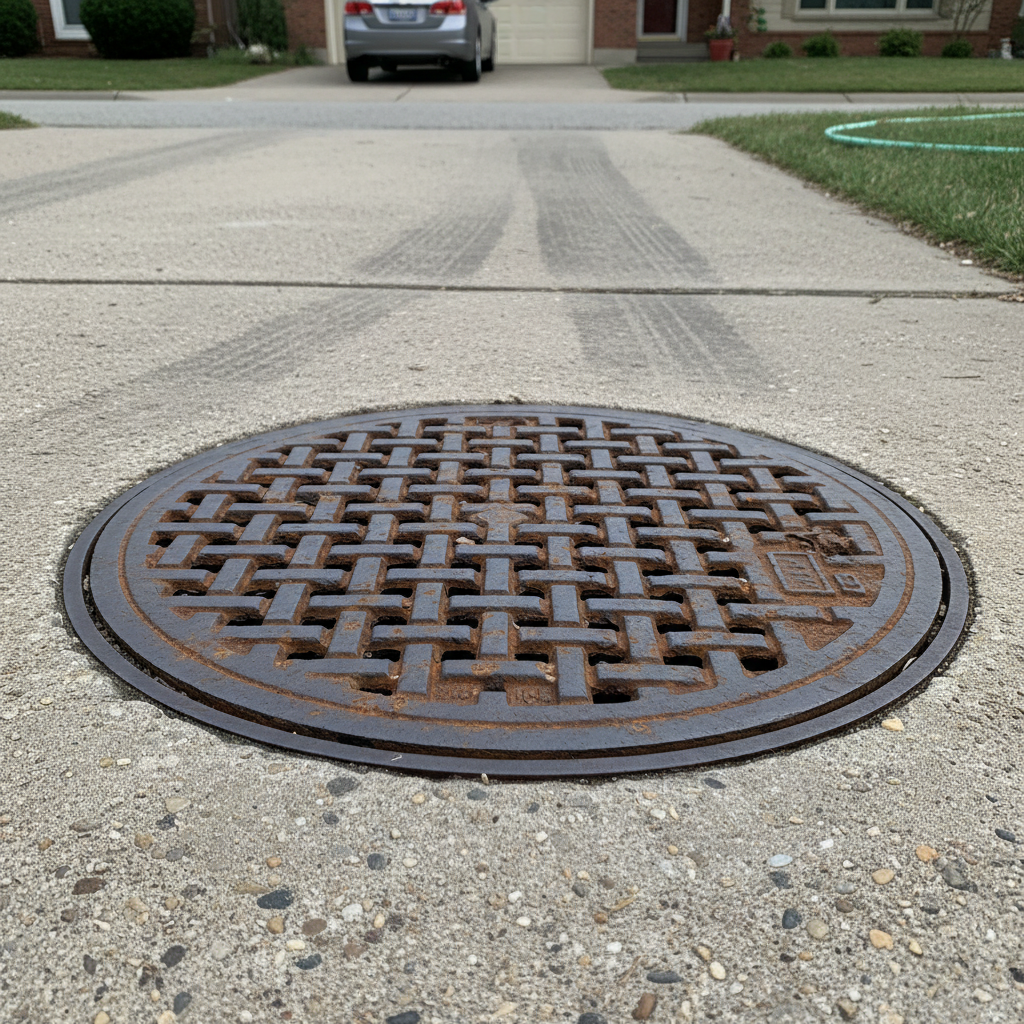
From bustling metropolitan areas to remote industrial sites, 24 inch manhole covers are found in a wide array of applications. They are essential for wastewater management systems, providing access to sewer lines for cleaning and repair. They also safeguard access points for telecommunication cables, gas lines, and electrical conduits.
The prevalence of substandard or missing manhole covers, unfortunately, presents a significant safety hazard in many parts of the world. Addressing this issue requires a combination of investment in durable materials, effective maintenance programs, and community awareness initiatives. A 24 inch manhole cover properly implemented and maintained is an integral part of this overall strategy.
Defining a 24 inch manhole cover
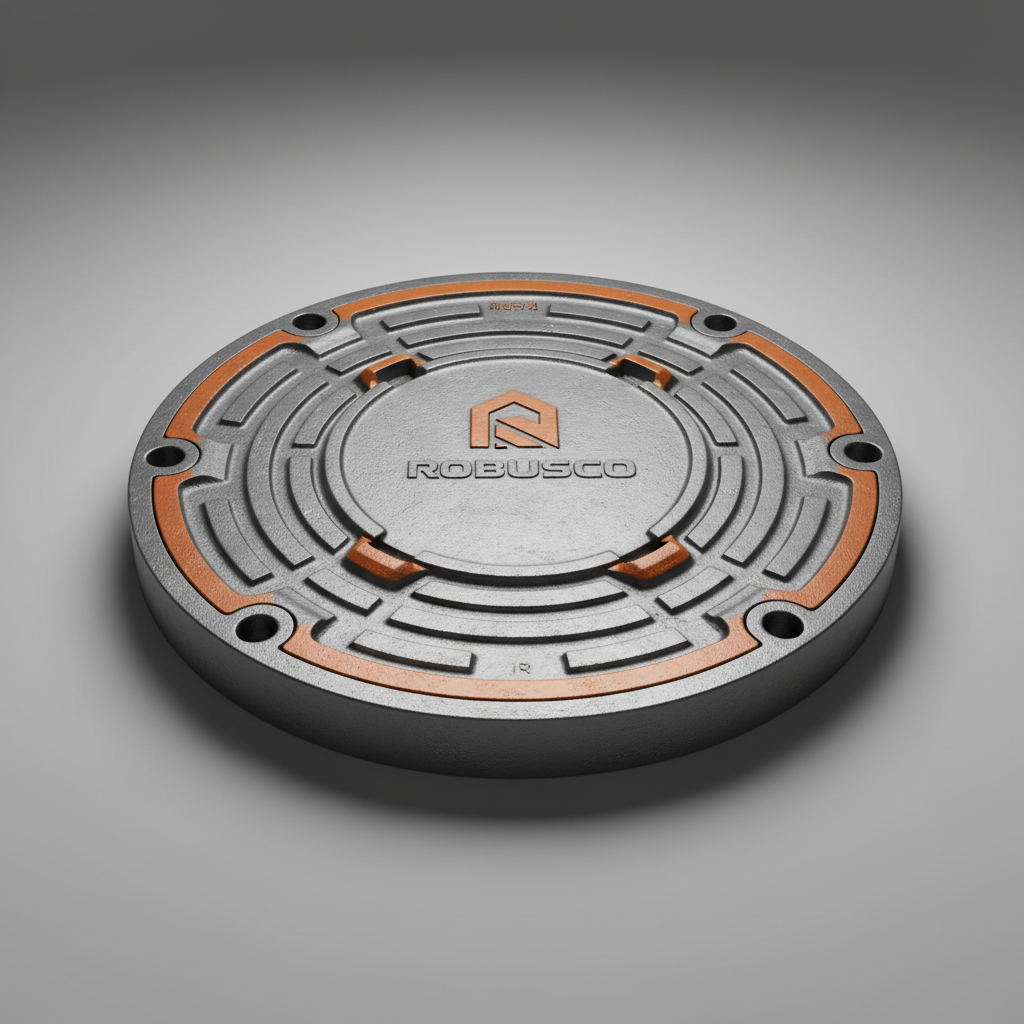
A 24 inch manhole cover is a removable lid designed to provide safe access to underground infrastructure. Specifically, it's a circular or rectangular cover with an approximate 24-inch internal diameter, used to seal openings in manholes – vertical shafts that allow access to underground utilities. These covers are engineered to withstand substantial loads from traffic and pedestrians while preventing unauthorized access.
The design of a 24 inch manhole cover often incorporates features such as a recessed edge to allow for lifting tools, a locking mechanism to prevent theft, and a textured surface to enhance grip. Materials commonly used in their construction include ductile iron, composite materials, and, less frequently, concrete. The choice of material depends on the specific application and desired level of durability and corrosion resistance.
Modern 24 inch manhole covers frequently adhere to strict industry standards, ensuring consistent quality and performance. Compliance with standards such as EN 124 and ASTM A536 guarantees that the covers meet specific load-bearing requirements and safety criteria, providing peace of mind for engineers and municipalities.
Key Characteristics of 24 inch manhole cover
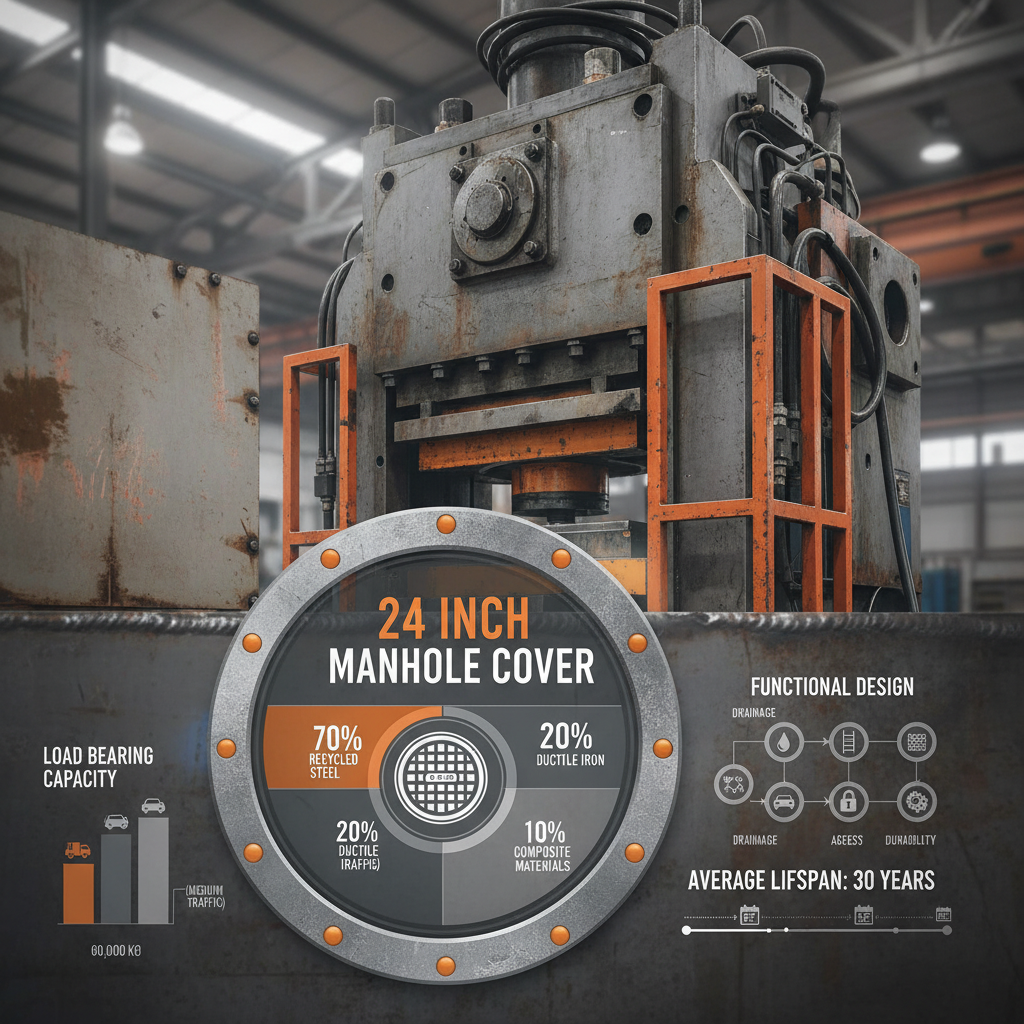
Several key characteristics define a high-quality 24 inch manhole cover. First and foremost is Durability: a cover must withstand significant weight, impact, and environmental factors without cracking or deforming. Secondly, Load-Bearing Capacity is crucial, with covers rated to support specific traffic loads based on the intended location.
Another important factor is Corrosion Resistance, especially in harsh environments. Materials like ductile iron and composite materials are chosen for their ability to resist rust and degradation. Security also plays a role, with many covers featuring locking mechanisms to prevent theft and unauthorized access. Finally, Ease of Access is essential, ensuring that maintenance personnel can safely and efficiently remove and replace the cover.
24 inch manhole cover Material Performance
Real-World Applications
The versatility of a 24 inch manhole cover is evident in its widespread use across various sectors. In municipal water and sewer systems, they provide essential access points for inspection, cleaning, and repair of underground pipelines. They're routinely found in telecommunications networks, protecting sensitive cabling and equipment.
In industrial settings, 24 inch manhole covers safeguard access to underground storage tanks, utilities, and process lines. Ports and transportation hubs utilize them to provide access to underground infrastructure supporting logistics and operations. Even in rural areas, these covers are vital for maintaining access to water wells and septic systems.
Long-Term Benefits and Value
Investing in quality 24 inch manhole covers delivers significant long-term benefits. Reduced maintenance costs are a primary advantage; durable materials minimize the need for frequent replacements. Improved safety is paramount, protecting workers and the public from potential hazards. Enhanced reliability of underground infrastructure contributes to uninterrupted service delivery.
Beyond the practical benefits, there's a significant element of trust and security. Knowing that your underground infrastructure is protected by reliable 24 inch manhole covers provides peace of mind and reduces the risk of costly disruptions. Sustainable material choices contribute to environmental responsibility and long-term asset management.
Future Trends and Innovations
The future of 24 inch manhole cover technology is focused on smart infrastructure and sustainable materials. We're seeing the integration of sensors into covers to monitor conditions like water levels, gas pressure, and structural integrity. This data allows for proactive maintenance and reduces the risk of failures.
Composite materials are gaining popularity due to their lightweight nature, high strength, and corrosion resistance. Automation is also playing a role, with robotic systems being developed for inspection and repair of underground infrastructure, making access through 24 inch manhole covers safer and more efficient.
Furthermore, increased focus on circular economy principles drives innovations in recycling and repurposing of materials used in manhole cover manufacturing. This ensures greater sustainability and reduces environmental impact. These developments will redefine the role of the 24 inch manhole cover in the years to come.
Summary of 24 inch manhole cover Material Comparison
| Material Type |
Initial Cost |
Lifespan (Years) |
Maintenance Frequency |
| Ductile Iron |
High |
75-100 |
Low |
| Composite |
Medium |
50-75 |
Medium |
| Concrete |
Low |
25-50 |
High |
| Steel |
Medium |
30-50 |
Very High |
| Fiberglass |
Medium |
40-60 |
Medium |
| Polymer Concrete |
High |
60-80 |
Low |
FAQS
The lifespan of a 24 inch manhole cover varies significantly based on the material used. Ductile iron covers can last 75-100 years with minimal maintenance, while concrete covers may only last 25-50 years. Composite materials typically offer a lifespan of 50-75 years. Proper installation and environmental conditions also play a crucial role in determining longevity. Regularly inspecting your 24 inch manhole covers can help to extend their life and prevent costly repairs.
The required load rating for a 24 inch manhole cover depends on the anticipated traffic. Covers are typically rated for various load classes (e.g., H-20, H-25), corresponding to the weight they can safely support. H-20 is a common standard for general traffic, while H-25 is recommended for heavier vehicles. Always consult local regulations and engineering specifications to determine the appropriate load rating for your application.
Composite 24 inch manhole covers offer several advantages over ductile iron, including lighter weight, improved corrosion resistance, and reduced risk of theft. However, they may have a slightly lower load-bearing capacity in some cases. The suitability of composite covers depends on the specific application and budget. They are an excellent option where corrosion is a significant concern or weight is a limiting factor.
Manhole cover theft is a serious problem. Options for preventing theft include using locking mechanisms, choosing covers made from less valuable materials (like composites), and implementing surveillance systems. Some covers are designed with embedded tracking devices, allowing for recovery if stolen. Regular inspections and reporting any suspicious activity to local authorities can also help deter theft.
The most common materials for 24 inch manhole covers are ductile iron, composite materials (often polymer concrete), and concrete. Steel is sometimes used, but it’s less common due to its susceptibility to corrosion. Ductile iron offers high strength and durability, composites provide excellent corrosion resistance and lighter weight, and concrete is a cost-effective option for less demanding applications. The choice depends on the specific needs of the project.
Proper installation is critical for ensuring the longevity and safety of a 24 inch manhole cover. Incorrect installation can lead to instability, cracking, and even complete failure of the cover. It's essential to follow manufacturer's instructions and local regulations, ensuring the cover is properly seated on the frame and secured with appropriate fasteners. Engaging a qualified professional for installation is highly recommended.
Conclusion
In conclusion, the 24 inch manhole cover is a foundational component of modern infrastructure, crucial for ensuring safe access to vital underground utilities. Understanding its characteristics, applications, and the benefits of selecting quality materials is essential for civil engineers, municipalities, and maintenance professionals. Investing in durable and well-maintained 24 inch manhole covers translates to reduced costs, enhanced safety, and a more resilient urban environment.
Looking ahead, innovation in materials, sensor integration, and smart infrastructure solutions will continue to evolve the role of the 24 inch manhole cover. Prioritizing sustainable practices, regular maintenance, and adherence to industry standards will ensure the long-term reliability and efficiency of these critical infrastructure elements. For high-quality 24 inch manhole cover solutions and expert advice, visit our website: https://www.hbyqmetal.com.