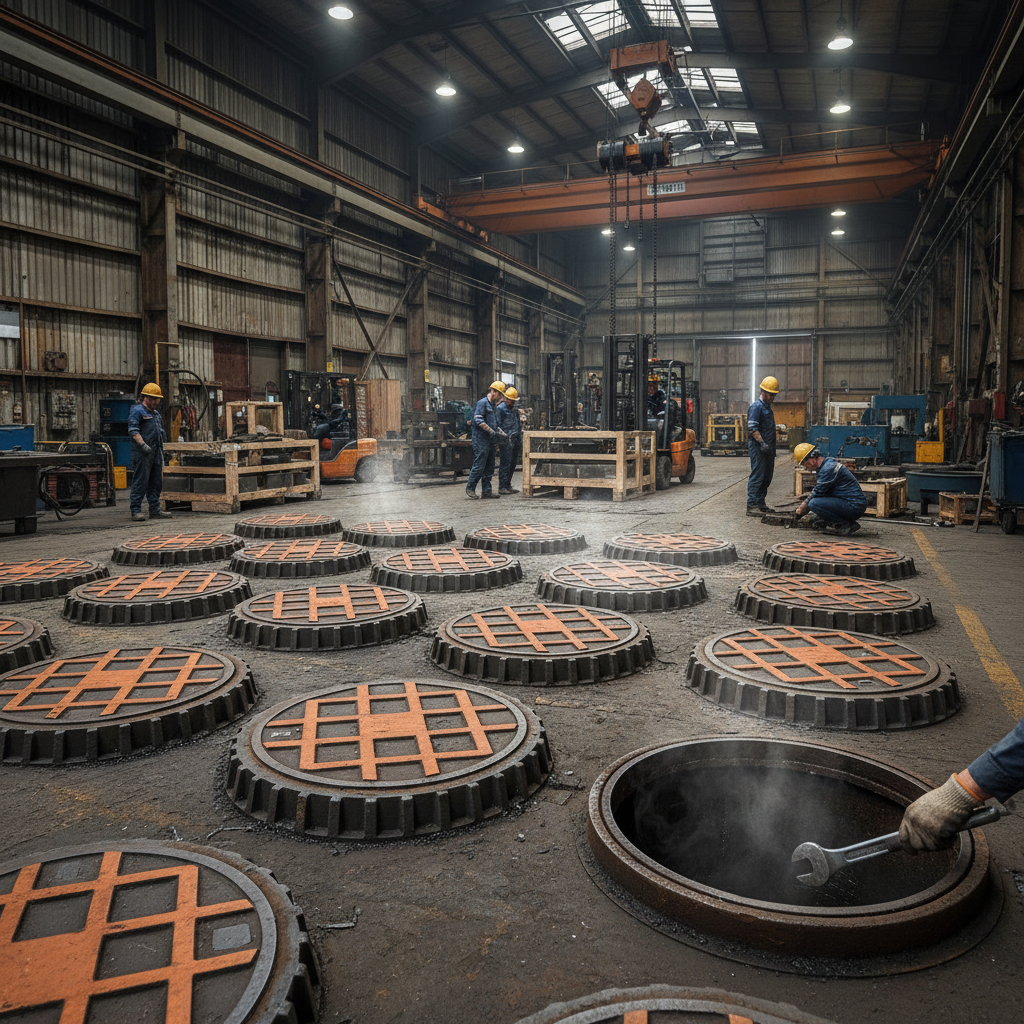
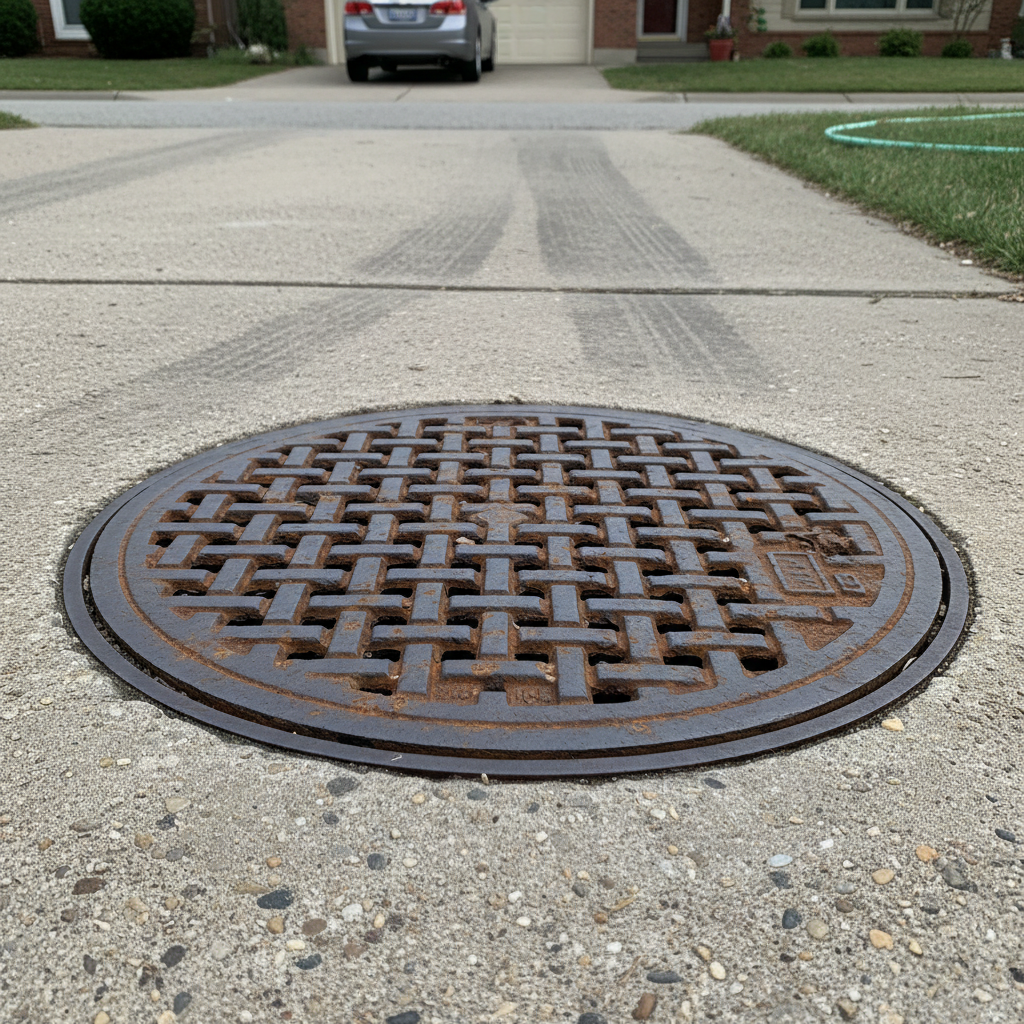
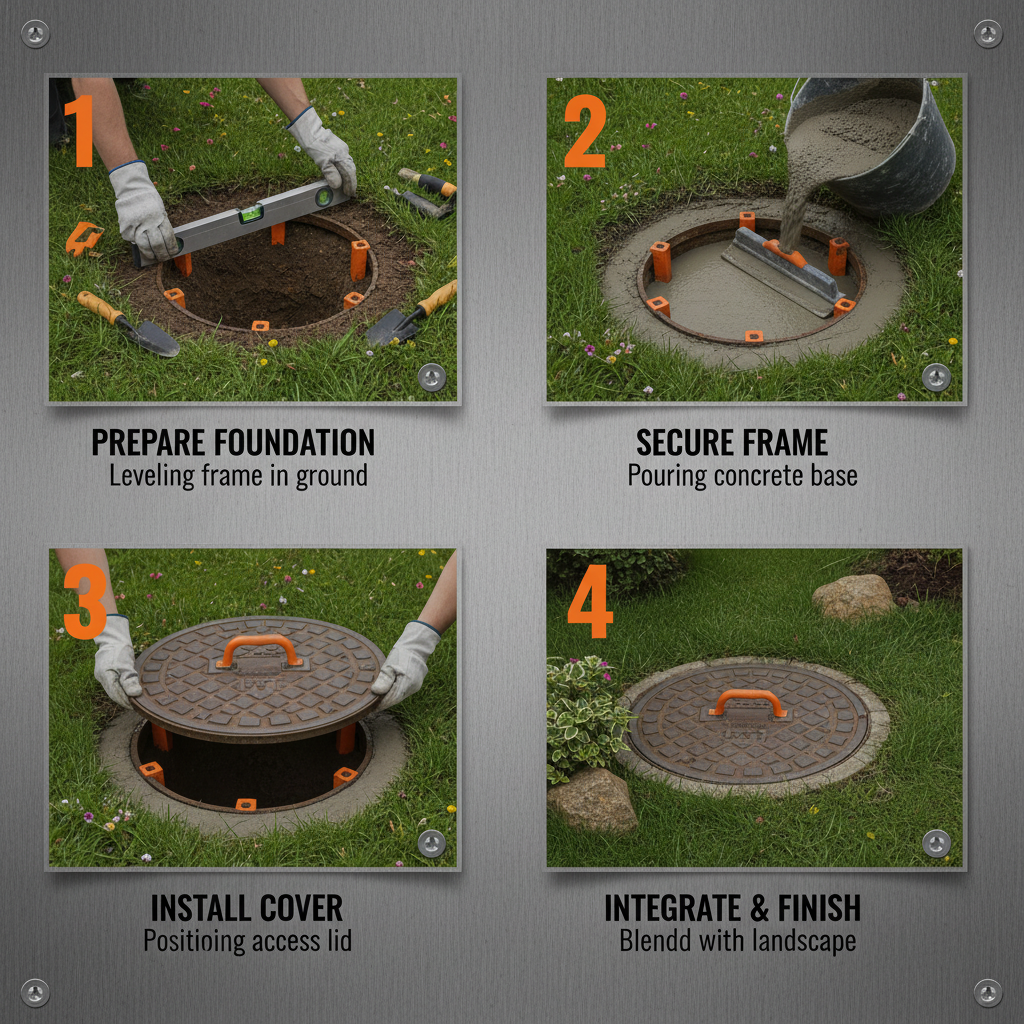
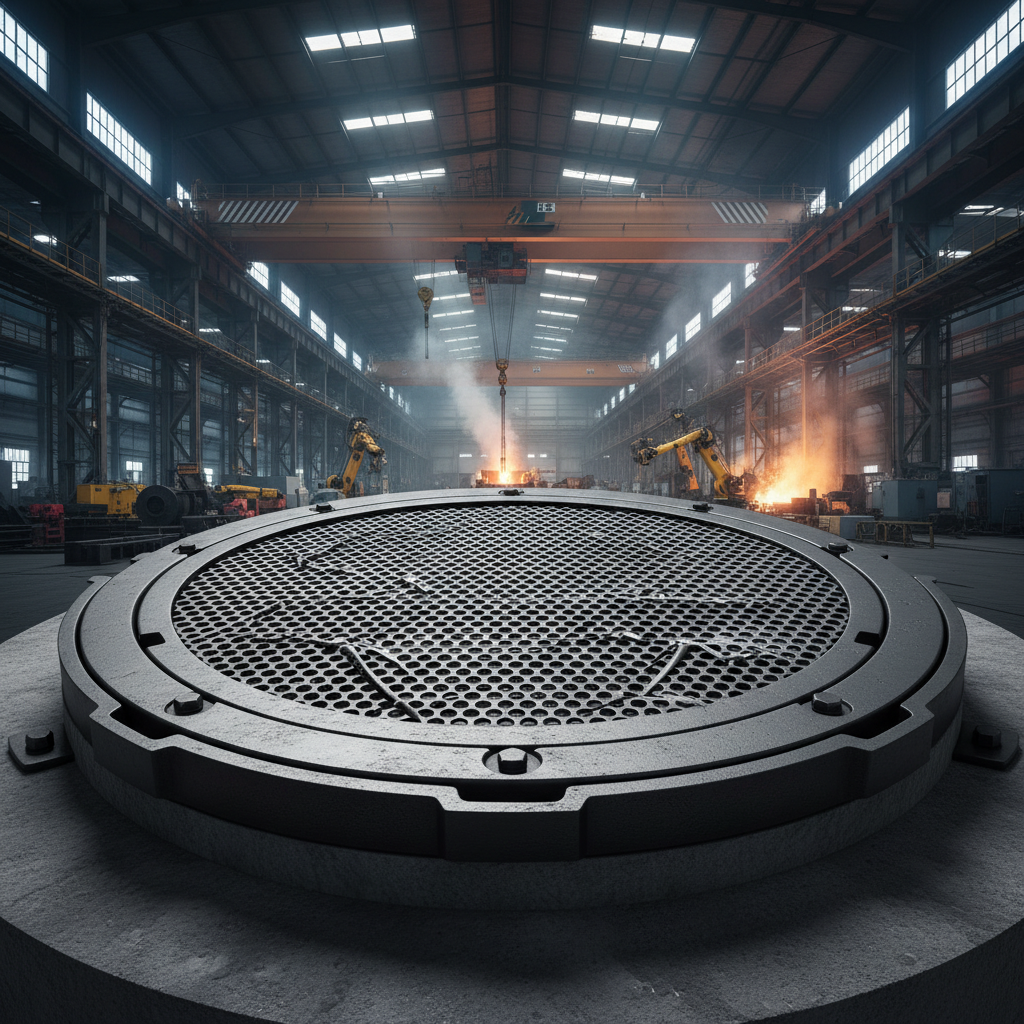
The robust and reliable 18 manhole cover is a critical component of modern infrastructure, ensuring safe access to underground utilities. Globally, these covers protect essential services like sewage, telecommunications, and water distribution, preventing hazards and maintaining public health. Understanding the materials, design, and standards surrounding 18 manhole cover is paramount for urban planners, engineers, and public works departments, impacting everything from long-term maintenance costs to public safety regulations.
The demand for durable and secure manhole covers is directly correlated with global urbanization and infrastructure development. The United Nations projects continued population growth in urban areas, necessitating expanded and maintained underground utility networks. Furthermore, international standards like those set by ISO and ASTM define quality and safety benchmarks for 18 manhole cover, impacting manufacturing and procurement processes worldwide.
Investing in high-quality 18 manhole cover reduces the risk of costly repairs, environmental contamination, and potential injuries. By understanding the various types available – from ductile iron to composite materials – stakeholders can make informed decisions that optimize performance and longevity, contributing to sustainable infrastructure development.
The Importance of 18 Manhole Cover
The 18 manhole cover isn’t simply a cover; it's a vital safety component and an indicator of a well-maintained infrastructure system. Proper selection and installation prevent accidental falls into potentially hazardous environments and protect sensitive underground assets from damage or theft. Regular inspections and timely replacements of 18 manhole cover are crucial for ensuring the longevity and reliability of critical infrastructure.
Effective manhole cover systems contribute to public safety, reduce maintenance costs, and minimize disruptions to essential services. A robust 18 manhole cover can withstand heavy traffic loads, extreme weather conditions, and potential acts of vandalism, ensuring continuous operation of underlying infrastructure. 18 manhole cover providers play a vital role in offering solutions that meet these demanding requirements.
Defining 18 Manhole Cover
An 18 manhole cover is a removable plate designed to provide safe access to underground infrastructure, typically utilities like sewers, water pipes, and telecommunication cables. The designation “18” often refers to a specific diameter or load-bearing capacity, though standards can vary. These covers are engineered to withstand substantial weight and resist corrosion, ensuring long-term durability and worker safety.
The evolution of 18 manhole cover has been driven by the need for improved safety, security, and longevity. Early covers were often constructed from cast iron, but modern designs utilize materials like ductile iron, fiber-reinforced polymers (FRP), and composite materials to enhance performance and reduce weight. These advancements have directly impacted the ease of installation, maintenance, and overall lifecycle cost.
In the context of modern industry and humanitarian needs, reliable access to underground infrastructure is fundamental. For example, in post-disaster scenarios, intact and accessible manholes are essential for restoring essential services, while in developing countries, robust 18 manhole cover are key to building sustainable sanitation systems.
Key Factors Influencing 18 Manhole Cover Selection
Selecting the appropriate 18 manhole cover requires careful consideration of several key factors. Durability is paramount; the cover must withstand heavy loads from traffic and resist corrosion from environmental elements. Material composition plays a crucial role, with ductile iron offering superior strength and FRP providing lightweight, corrosion-resistant options.
Load-bearing capacity is another critical aspect, determined by the expected traffic volume and vehicle weight. Standards like EN 124 – which specifies load classes – provide guidance for selecting covers capable of withstanding specific loads. Security features, such as locking mechanisms, are also essential to prevent theft and unauthorized access.
Cost-effectiveness, while important, shouldn’t compromise safety or durability. A higher initial investment in a high-quality 18 manhole cover can result in long-term savings through reduced maintenance and replacement costs. Finally, compliance with local regulations and industry standards is non-negotiable, ensuring that the selected cover meets all applicable requirements.
Practical Applications of 18 Manhole Cover
18 Manhole covers are ubiquitous in urban environments, serving a multitude of critical functions. They provide access to sewer systems for maintenance and cleaning, ensuring proper waste management and public health. They also protect water and gas pipelines, safeguarding essential utility services.
Beyond urban areas, 18 manhole covers are employed in industrial facilities, wastewater treatment plants, and even remote locations where underground infrastructure is present. In post-disaster relief operations, ensuring access to underground utilities is vital for restoring essential services, and durable 18 manhole cover can play a crucial role.
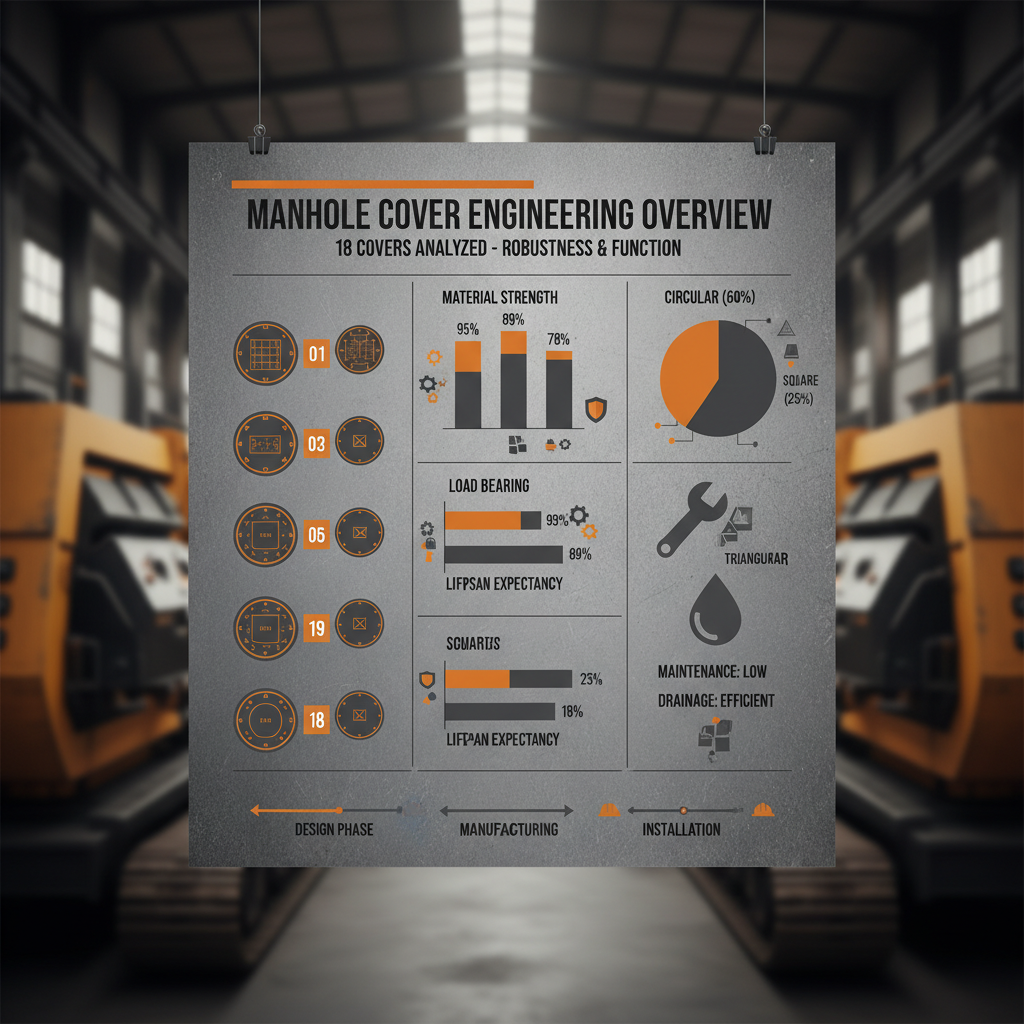
18 Manhole Cover Performance Metrics
Global Deployment & Industry Standards
The deployment of 18 manhole cover is governed by a complex web of international and regional standards. EN 124 is widely adopted in Europe, specifying load classes and material requirements. In North America, ASTM standards – such as ASTM A536 for ductile iron – are commonly used. These standards ensure consistent quality and safety across different geographic regions.
Leading manufacturers of 18 manhole cover operate globally, supplying products to infrastructure projects around the world. These companies often invest heavily in research and development to improve material science, manufacturing processes, and safety features. 18 manhole cover suppliers frequently work with engineers and municipalities to customize solutions that meet specific project requirements.
Advantages and Long-Term Value
Investing in high-quality 18 manhole cover delivers significant long-term value. Reduced maintenance costs are a primary benefit, as durable materials require fewer repairs and replacements. Enhanced safety minimizes the risk of accidents and liabilities, protecting workers and the public.
Sustainable materials, such as recycled ductile iron, contribute to environmental responsibility. Reliable infrastructure supports economic growth and improves the quality of life for communities. The peace of mind knowing that critical utilities are safely protected adds immeasurable value to any infrastructure investment.
Future Trends and Innovations
The future of 18 manhole cover is being shaped by advancements in materials science and smart technology. Composite materials, offering lightweight and corrosion-resistant alternatives to traditional metals, are gaining traction. Smart manhole covers, equipped with sensors to monitor water levels, gas concentrations, and structural integrity, are emerging as a valuable tool for predictive maintenance.
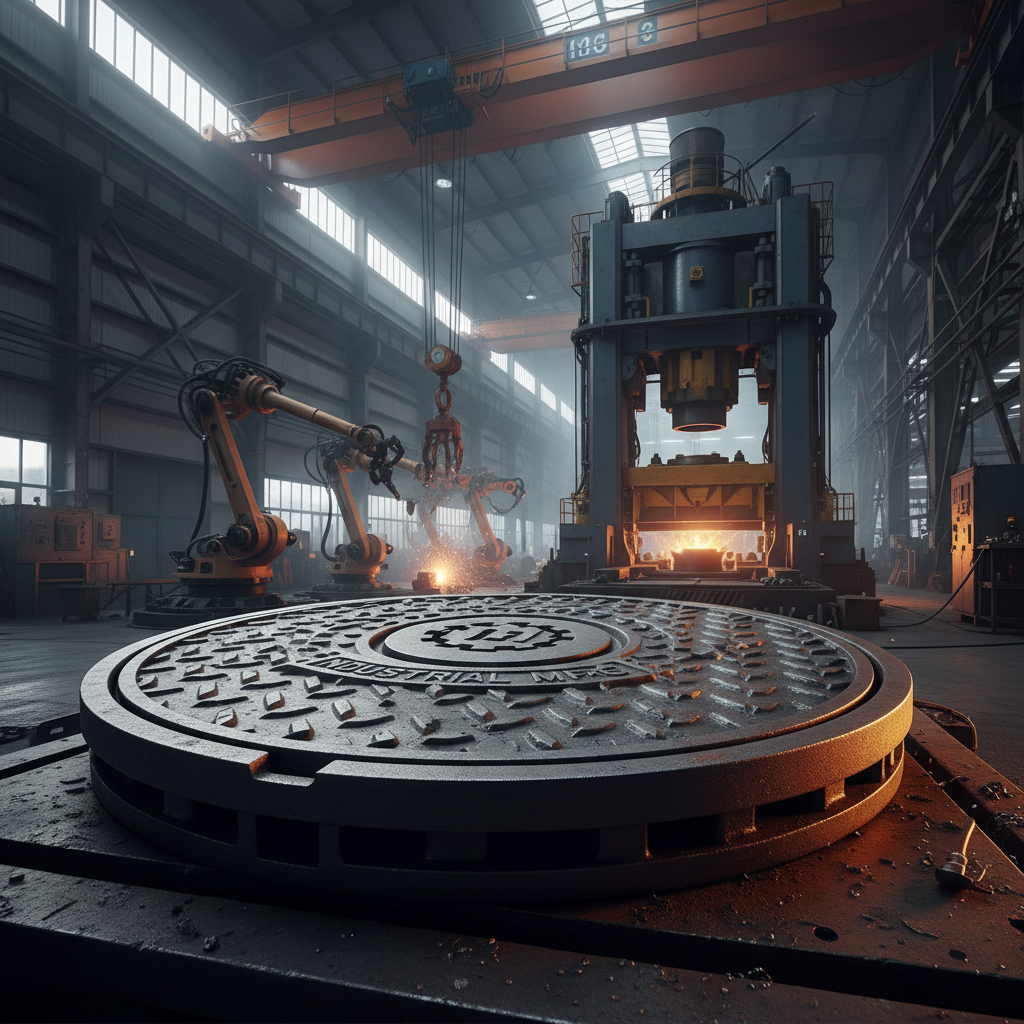
Digitalization and automation are also influencing the industry, with manufacturers leveraging data analytics and robotic processes to improve efficiency and quality control. The integration of Internet of Things (IoT) technology promises to enable remote monitoring and proactive management of underground infrastructure, reducing downtime and optimizing performance.
A growing emphasis on sustainability is driving the development of eco-friendly materials and manufacturing processes. The industry is actively exploring options for reducing carbon emissions and minimizing the environmental impact of 18 manhole cover production and disposal.
FAQS
The most common materials are ductile iron, which offers high strength and durability, and fiber-reinforced polymer (FRP), which is lightweight and corrosion-resistant. Concrete is also used, but is less durable than ductile iron. The best material depends on the specific application and budget. Considerations like load bearing, exposure to corrosive elements, and theft risks should influence material selection.
The load rating is determined by the anticipated traffic volume and vehicle weights in the area. Standards like EN 124 define different load classes, from A15 (pedestrian and bicycle traffic) to D400 (heavy goods vehicles). Consult local regulations and a qualified engineer to determine the appropriate load rating for your specific application.
Composite covers are significantly lighter than ductile iron, making them easier to handle and install, reducing labor costs. They are also corrosion-resistant, eliminating the need for painting and reducing long-term maintenance. While generally more expensive upfront, their durability and reduced maintenance costs can result in long-term savings.
Security features like locking mechanisms and tamper-proof designs can deter theft. Choosing covers made from less-valuable materials or incorporating RFID tracking tags can also help. Regular inspections and prompt reporting of missing covers are crucial. Collaborating with local law enforcement can also help to address theft issues.
Regular inspections are crucial to identify cracks, corrosion, or damage. Cleaning the cover and frame to remove debris and dirt helps prevent corrosion. For ductile iron covers, periodic painting may be necessary to prevent rust. Replace any damaged or deteriorated covers immediately to ensure safety and prevent further damage.
Yes, selecting covers made from recycled materials, such as recycled ductile iron, reduces environmental impact. Composite materials often have a lower carbon footprint than traditional metals. Consider the lifecycle cost and durability of the cover, as longer-lasting covers reduce the need for frequent replacements.
Conclusion
The 18 manhole cover is a seemingly simple component that plays a vital role in maintaining the safety, reliability, and sustainability of our infrastructure. From its foundational role in protecting essential utilities to its increasing integration with smart technologies, the manhole cover continues to evolve to meet the demands of a rapidly changing world. Understanding the material options, load-bearing capacities, and industry standards surrounding 18 manhole cover is critical for making informed decisions that optimize performance and longevity.
Looking ahead, continued innovation in materials science and sensor technology will drive further improvements in the design and functionality of 18 manhole cover. Embracing sustainable manufacturing practices and promoting proactive maintenance strategies will be essential for ensuring the long-term resilience of our infrastructure. Visit our website at www.hbyqmetal.com to learn more about our comprehensive range of 18 manhole cover solutions.