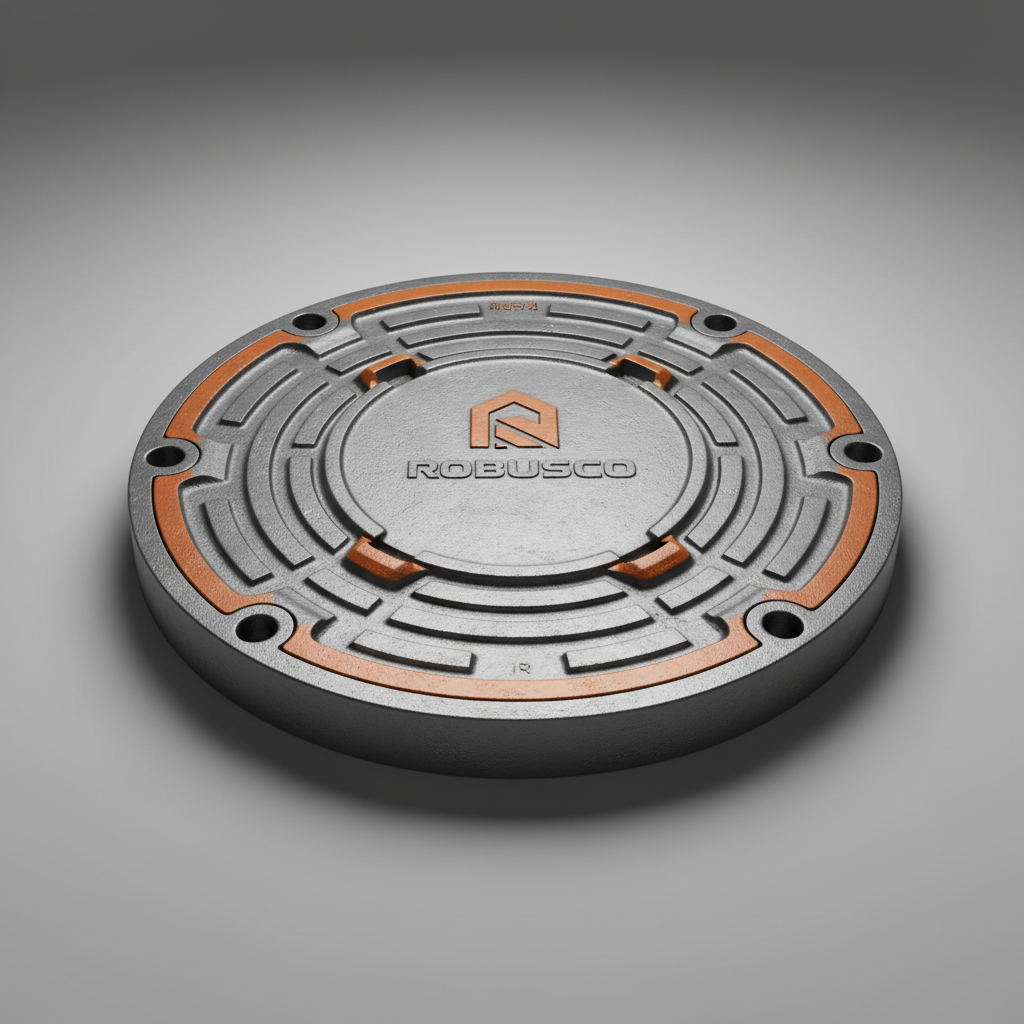
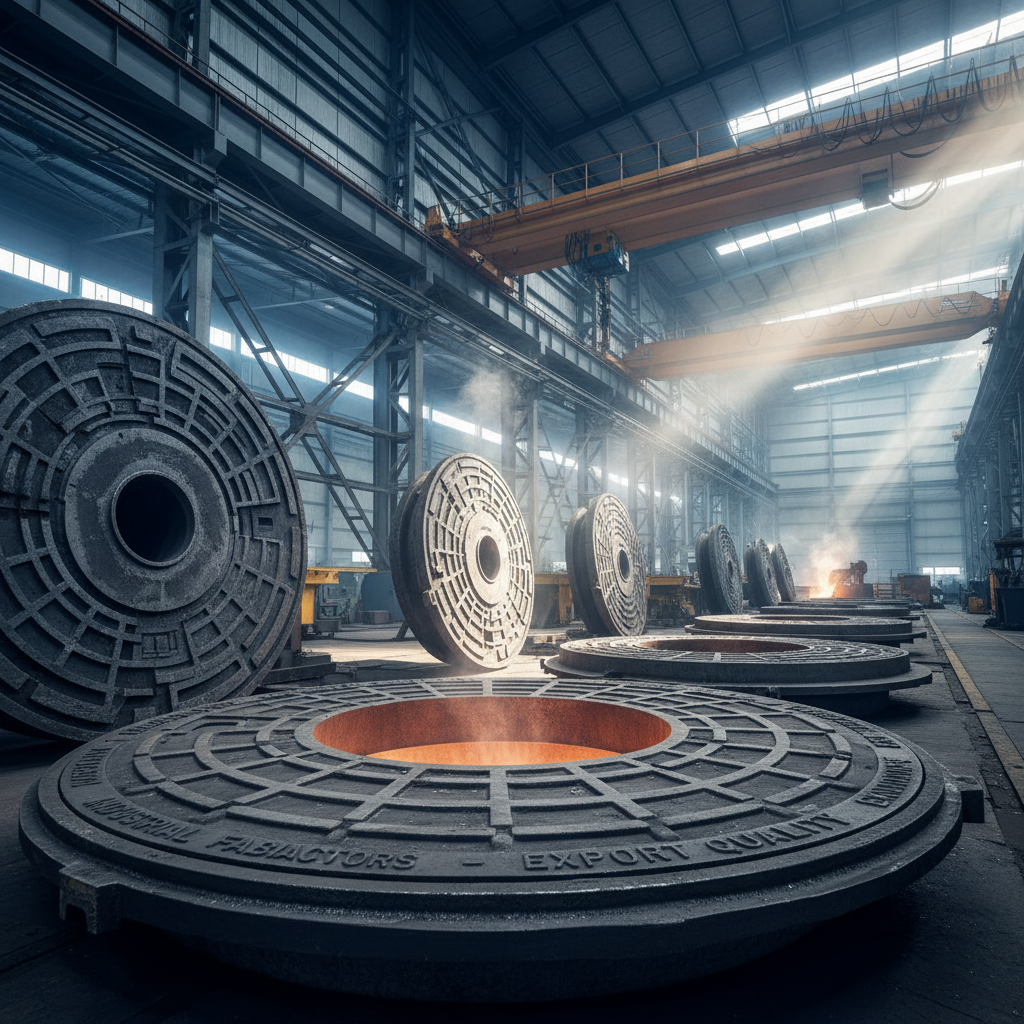
Decorative manhole covers, traditionally utilitarian elements of urban infrastructure, have undergone a significant transformation. Today, they represent a blend of functionality and aesthetics, adding visual appeal to streets, parks, and public spaces globally. The increasing demand for these specialized covers stems from a growing awareness of urban beautification, historical preservation, and the desire to reflect local culture. This evolution presents unique opportunities for manufacturers and city planners alike.
The global market for decorative manhole covers is experiencing steady growth, fueled by infrastructural investments in developing nations and renovation projects in established urban centers. Organizations like the UN-Habitat and the World Bank emphasize sustainable urban development, which includes enhancing the aesthetic quality of public spaces – a key driver for the adoption of decorative covers. This demand extends beyond mere visual appeal; they often incorporate anti-theft features and improved safety standards.
Understanding the nuances of decorative manhole cover design, materials, and installation is crucial for ensuring longevity, safety, and cost-effectiveness. Properly implemented, these covers can contribute to a more vibrant and pedestrian-friendly urban environment, fostering a sense of community pride and enhancing the overall quality of life. Explore how decorative manhole cover solutions can revitalize your city.
Introduction to Decorative Manhole Covers
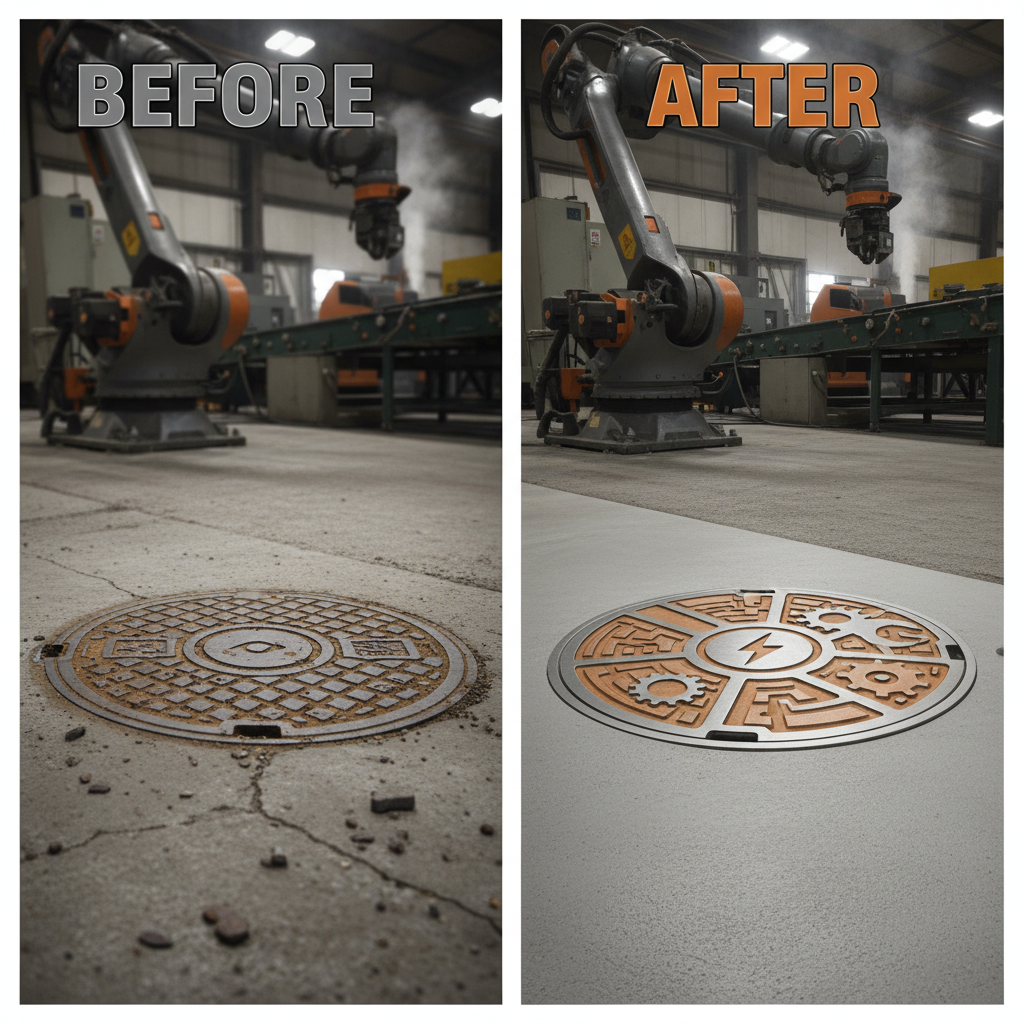
Decorative manhole covers are no longer simply functional components of infrastructure; they’ve become artistic expressions embedded within urban landscapes. From intricate floral designs to historical emblems, these covers enhance the aesthetic appeal of streets, plazas, and parks. A growing number of municipalities are prioritizing visual enhancement alongside practical utility, leading to a surge in demand for customized and artistically designed solutions.
The integration of decorative manhole cover into urban planning is indicative of a broader trend towards human-centric design. Beyond aesthetics, these covers can contribute to a sense of place, reflecting the unique character and heritage of a community. Furthermore, modern manufacturing techniques enable the creation of highly durable and secure covers, addressing concerns about vandalism and unauthorized access.
Global Relevance and Industry Context
The demand for decorative manhole covers is intrinsically linked to global urbanization trends. As populations concentrate in cities, there's an increasing need for aesthetically pleasing and functional infrastructure. Developing nations, undergoing rapid urbanization, are often investing heavily in public space improvements, including the installation of decorative covers. Data from the United Nations suggests that over 55% of the world's population currently lives in urban areas, a figure projected to rise to 68% by 2050, highlighting the continued relevance of urban infrastructure solutions.
The industry is evolving beyond traditional cast iron designs. Modern materials, such as ductile iron, fiber-reinforced polymers, and composites, offer enhanced durability, reduced weight, and increased design flexibility. International standards, such as those set by ISO 9001, ensure consistent quality control and manufacturing processes. The rise of ‘smart cities’ is also driving innovation, with the integration of sensors and connectivity into manhole covers for monitoring infrastructure health and detecting anomalies.
A key challenge facing the industry is balancing aesthetic appeal with safety and functionality. Covers must withstand heavy loads, resist corrosion, and provide secure access to underground utilities. Addressing these concerns requires collaboration between designers, engineers, and manufacturers to develop innovative solutions that meet both aesthetic and performance requirements. decorative manhole cover manufacturers are leading the way in addressing this challenge.
Defining Decorative Manhole Covers
A decorative manhole cover is essentially an access point to underground infrastructure—sewers, telecommunications, electrical systems, and more—distinguished by its aesthetic design. Unlike standard, purely functional manhole covers, these incorporate artistic elements, patterns, or symbols into their surface. These designs can range from simple geometric shapes to elaborate depictions of local history, flora, or fauna.
The connection to modern industry lies in the increasing demand for urban beautification and the recognition that even seemingly mundane infrastructure components can contribute to a city's overall appeal. This demand extends to humanitarian needs in disaster relief, where restoring essential services often involves replacing damaged infrastructure with visually appealing and community-appropriate covers. The concept extends beyond purely aesthetic concerns, frequently incorporating anti-theft features and improved safety mechanisms.
Ultimately, the definition of a decorative manhole cover encompasses a deliberate fusion of utility and artistry. They are a visible signal of a community’s investment in its public spaces, demonstrating a commitment to both functionality and quality of life. They serve as subtle yet impactful elements contributing to a more positive urban experience.
Key Factors in Decorative Manhole Cover Design
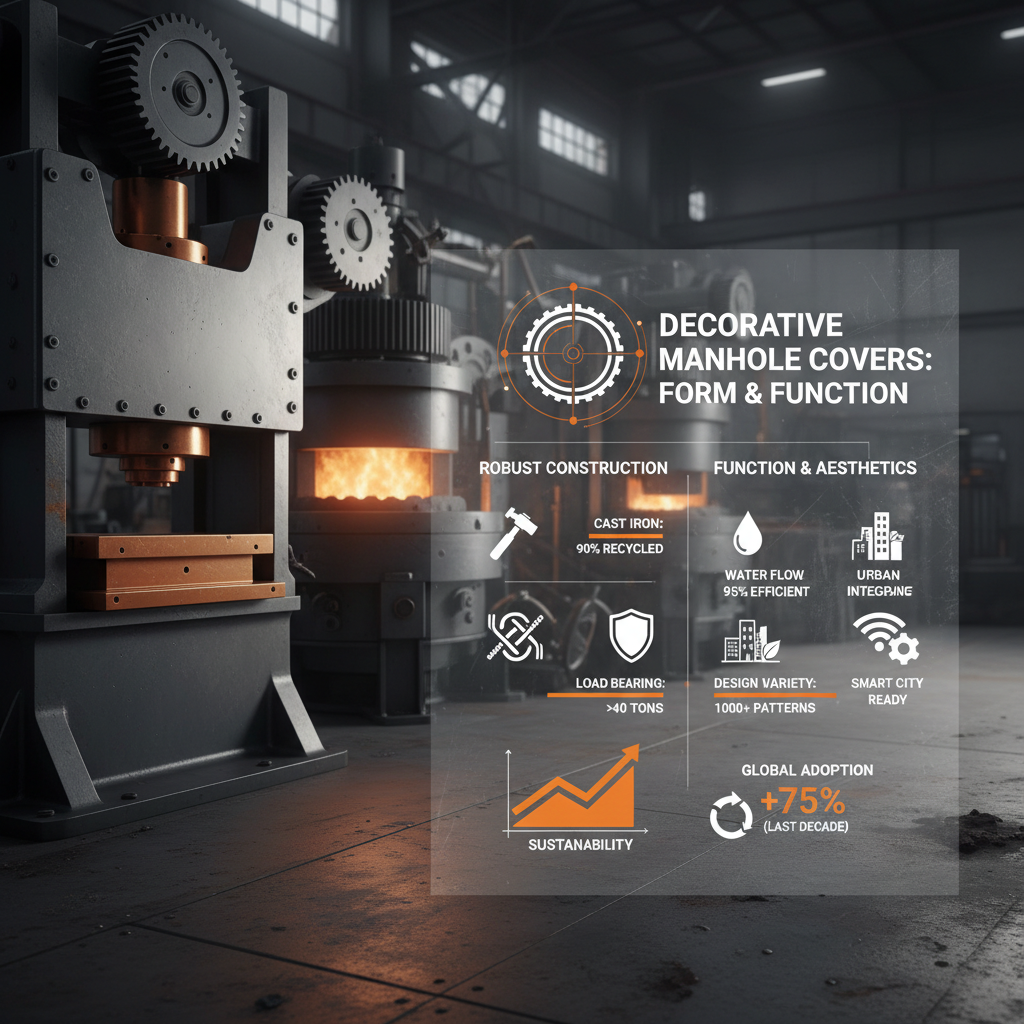
Several core aspects are fundamental to successful decorative manhole cover design. Durability is paramount, as covers must withstand significant loads from vehicular traffic and environmental stressors. This necessitates the use of high-quality materials like ductile iron and robust manufacturing processes. Load Capacity is directly related to durability, adhering to international standards such as EN 124, which specifies load ratings for different applications.
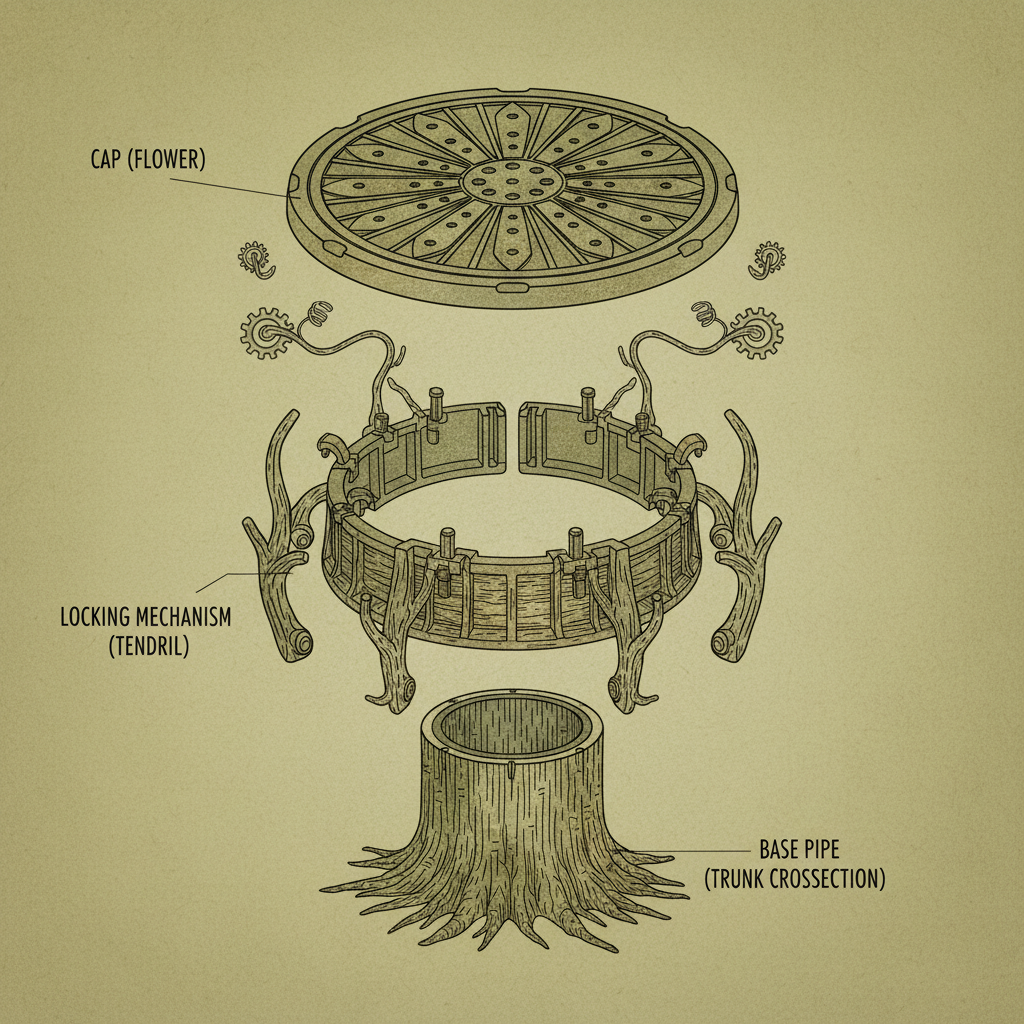
Corrosion Resistance is another critical factor, especially in coastal or industrial environments. Protective coatings, like epoxy or specialized paints, are essential to prevent rust and degradation. Aesthetic Appeal is obviously vital, requiring careful consideration of design elements, patterns, and color palettes that complement the surrounding environment. Finally, Safety Features – non-slip surfaces, secure locking mechanisms, and clear identification markings – are crucial to prevent accidents and unauthorized access.
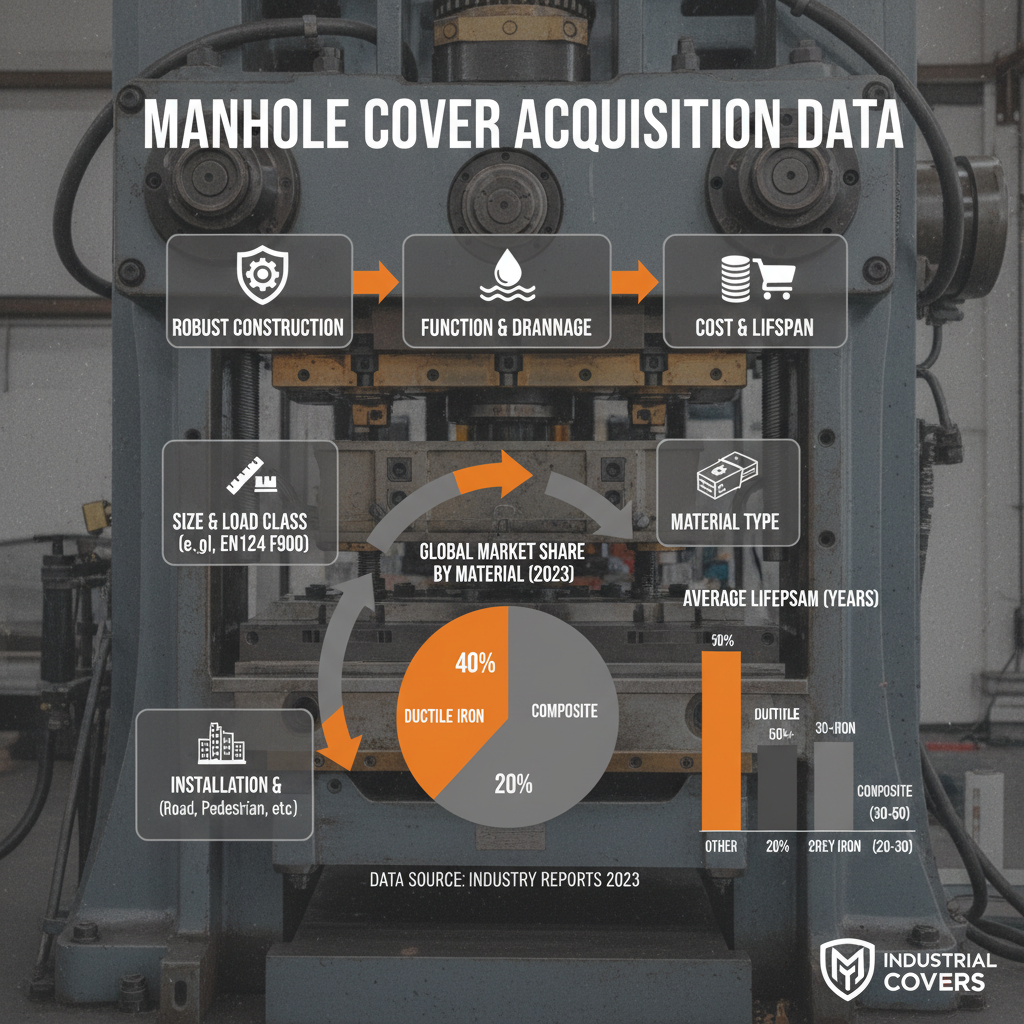
Decorative Manhole Cover Performance Metrics
Global Applications and Use Cases
Decorative manhole covers find applications across diverse settings. In historical city centers, they are used to replicate original designs, preserving the character of the area. For example, in Prague, many manhole covers feature intricate patterns reflecting the city's architectural heritage. In post-disaster relief operations, decorative manhole cover can be quickly deployed to restore access to essential utilities while simultaneously enhancing the rebuilt environment.
They are also widely employed in new urban developments and pedestrian zones to improve aesthetics and create more welcoming public spaces. Theme parks and tourist attractions frequently utilize customized covers as part of their immersive design. Furthermore, industrial zones benefit from covers that incorporate company logos or safety warnings, improving both branding and operational safety.
Advantages and Long-Term Value
The advantages of using decorative manhole covers extend beyond purely aesthetic considerations. Cost-effectively enhancing public spaces is a significant benefit, potentially increasing property values and attracting tourism. Sustainability is also a key factor; using durable materials like ductile iron minimizes the need for frequent replacements, reducing waste and lifecycle costs. From a social impact perspective, these covers contribute to a sense of community pride and improve the overall quality of life for residents.
The long-term value lies in the increased safety, improved infrastructure resilience, and positive perception of a well-maintained urban environment. Investing in high-quality decorative covers fosters trust between citizens and local authorities, demonstrating a commitment to both functionality and aesthetic appeal. Ultimately, these covers represent a strategic investment in the long-term health and vitality of a city.
Future Trends and Innovations
The future of decorative manhole cover technology is poised for innovation. Integration with ‘smart city’ infrastructure is a significant trend, with covers incorporating sensors for monitoring underground conditions like gas leaks or water levels. The development of new, lightweight composite materials promises increased durability and reduced installation costs. 3D printing technology offers the potential for highly customized designs and on-demand manufacturing.
Sustainable manufacturing practices, including the use of recycled materials and energy-efficient production processes, will become increasingly important. Policy changes promoting urban beautification and incentivizing the use of aesthetically pleasing infrastructure components are also anticipated. Furthermore, advancements in anti-theft technology, such as GPS tracking and tamper-proof locking mechanisms, will enhance security and reduce maintenance costs.
The ongoing shift toward green energy and digital transformation will also influence the design and functionality of decorative manhole covers, potentially integrating features for renewable energy monitoring or data transmission. decorative manhole cover companies are at the forefront of these innovations.
FAQS
Decorative manhole covers are most commonly crafted from ductile iron due to its exceptional strength, durability, and corrosion resistance. However, other materials like fiber-reinforced polymers and specialized concrete composites are also used, offering advantages such as lighter weight and increased design flexibility. The material choice often depends on the specific application and load-bearing requirements.
With proper installation and maintenance, decorative manhole covers can last for decades, often exceeding 30-50 years. The longevity depends on the material used, environmental conditions, and the level of traffic exposure. Regular inspections, cleaning, and protective coatings can significantly extend their lifespan. High-quality ductile iron covers are particularly known for their exceptional durability.
Generally, decorative manhole covers are more expensive than standard, purely functional covers. This is due to the added costs associated with design, customization, and potentially more complex manufacturing processes. However, the aesthetic benefits and potential for increased property values can often offset the initial investment. Furthermore, durable materials can reduce long-term replacement costs.
Absolutely! Customization is a key feature of decorative manhole covers. Manufacturers can incorporate logos, patterns, images, or text into the design, allowing cities and organizations to reflect their unique identity. Modern techniques, such as 3D printing, offer even greater design freedom and precision.
Decorative manhole covers must adhere to stringent safety standards to ensure they can withstand heavy loads and prevent accidents. Common standards include EN 124 in Europe and ASTM standards in North America. These standards specify load ratings, material properties, and testing requirements. Non-slip surfaces and secure locking mechanisms are also essential safety features.
Theft is a concern, but several measures can be taken to mitigate it. Using recessed covers, employing tamper-proof locking mechanisms, and incorporating GPS tracking technology are effective deterrents. Additionally, choosing covers made from less scrap-valuable materials can reduce their attractiveness to thieves. Regular inspections and community awareness programs also play a role in preventing theft.
Conclusion
In conclusion, decorative manhole covers represent a significant evolution in urban infrastructure. They transcend mere functionality, embodying a commitment to aesthetics, sustainability, and community identity. The benefits are multifaceted, encompassing enhanced public spaces, increased property values, and improved quality of life. The integration of advanced materials, smart technologies, and innovative design principles promises even greater potential for these often-overlooked elements of our cities.
Looking ahead, the continued adoption of decorative manhole covers will require collaborative efforts between urban planners, engineers, manufacturers, and communities. By prioritizing both form and function, we can create more vibrant, resilient, and aesthetically pleasing urban environments for generations to come. To learn more about how we can help revitalize your city, visit our website: www.hbyqmetal.com.