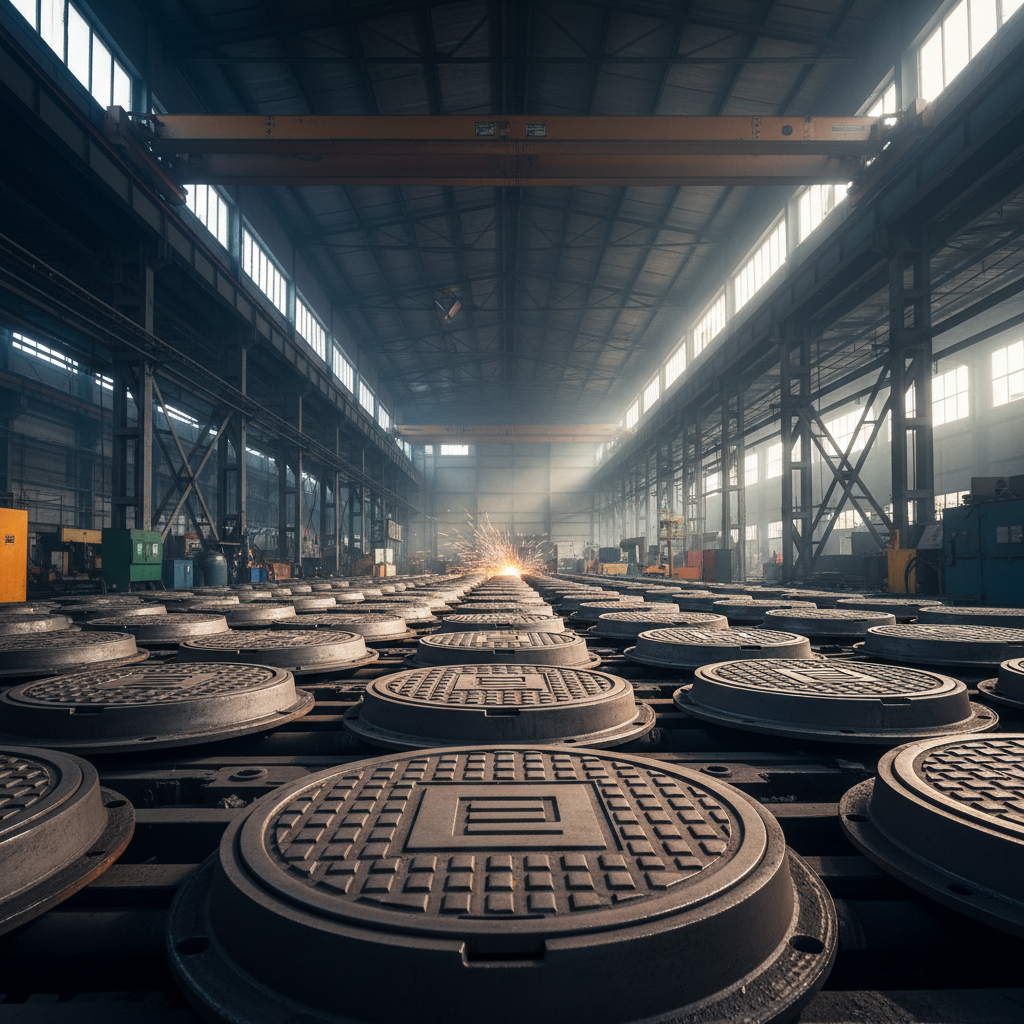
You know, I’ve been running around construction sites all year, getting dust in my teeth and smelling concrete. Lately, everyone’s talking about prefabrication, modular stuff. It’s the hot thing, and honestly, it makes sense. Labor's expensive, time is money. But it’s not a magic bullet, you know?
I’ve seen a lot of designs that look good on paper, fancy 3D renders, but fall apart the moment you try to actually build them. Details, details, details. People forget how things actually fit together. It’s always the small stuff. And the tolerances… oh, the tolerances. You think a millimeter doesn’t matter? Try welding something when it's off by half a millimeter.
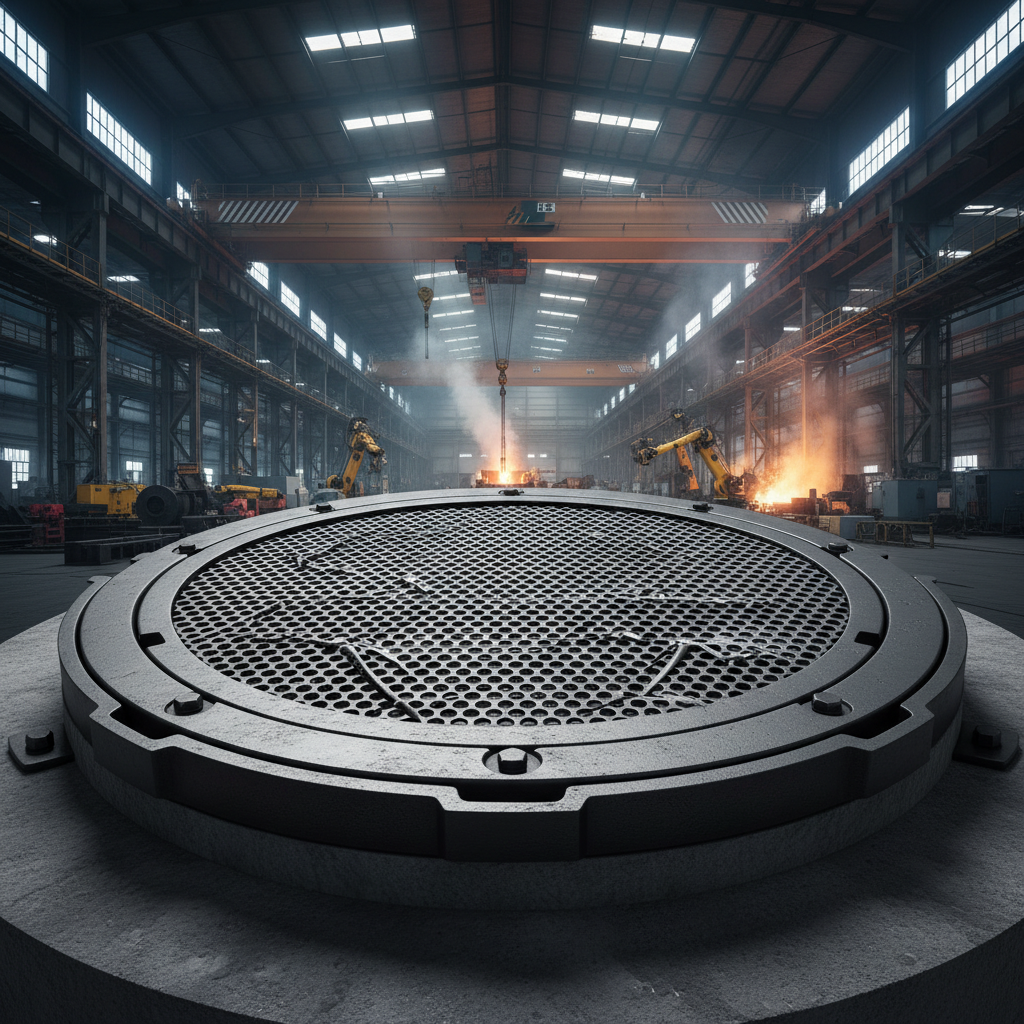
We mostly work with ductile iron for our cast iron manhole covers. It's… well, it smells like iron, obviously. Kind of metallic, earthy. Feels solid. Heavy. You can tell it’s good stuff just by picking it up. It's got a weight to it that stamped steel just doesn't have. It’s not like working with plastic, that’s for sure. You gotta respect the material. It’s got a grit to it, almost like sandpaper if you run your hand across it.
The Rising Demand for Durable Infrastructure Components
Have you noticed how much infrastructure is just crumbling? It’s not just old cities either. New developments are using cheaper materials, cutting corners. But a cast iron manhole cover? That’s something that should last for generations. There’s a real push now, especially with all the funding for infrastructure projects, for things that are built to last. It's not just about cost anymore; it's about lifecycle cost. Replacing a manhole cover every five years versus every fifty? The math isn’t hard.
The demand is global, really. I was talking to a supplier in India last month, and they're seeing a huge surge in orders. Apparently, they're upgrading a lot of their sewage systems. It's happening everywhere.
Common Design Pitfalls in Cast Iron Manhole Cover Production
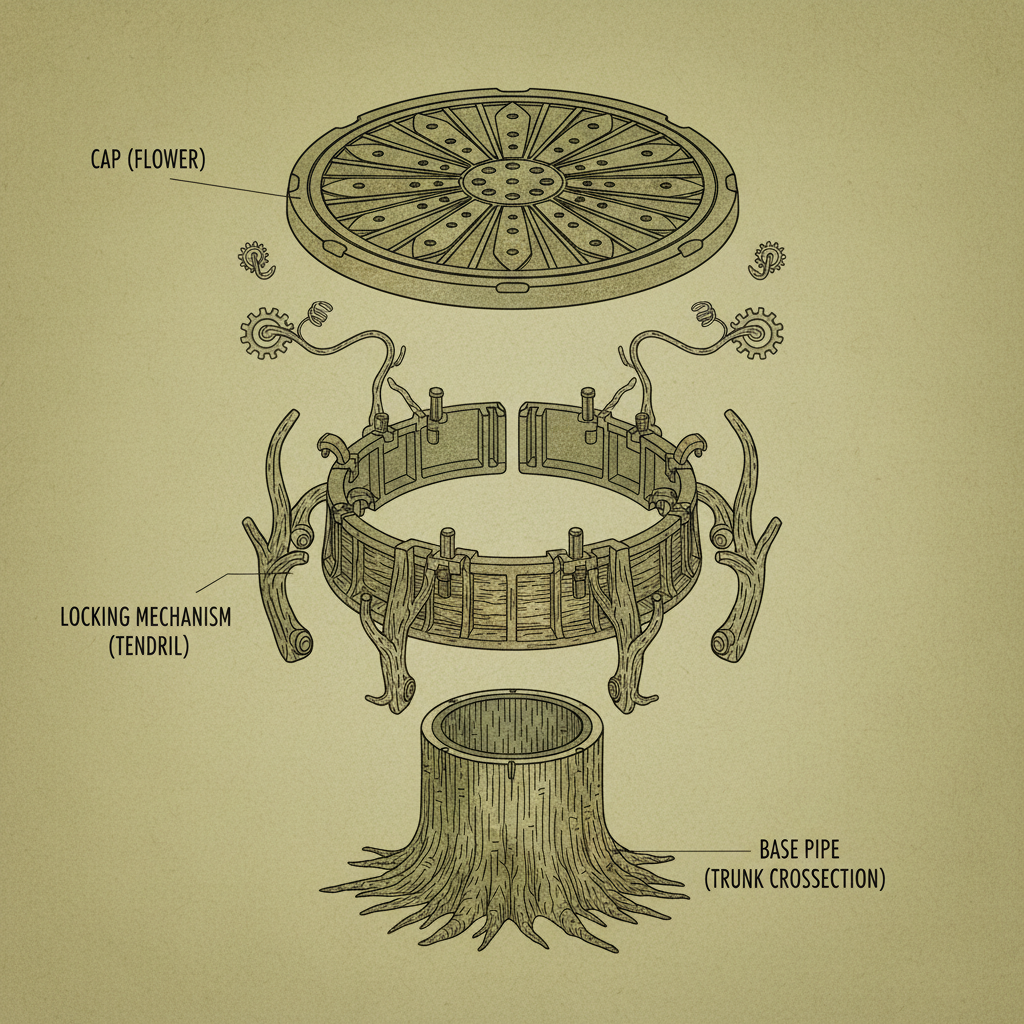
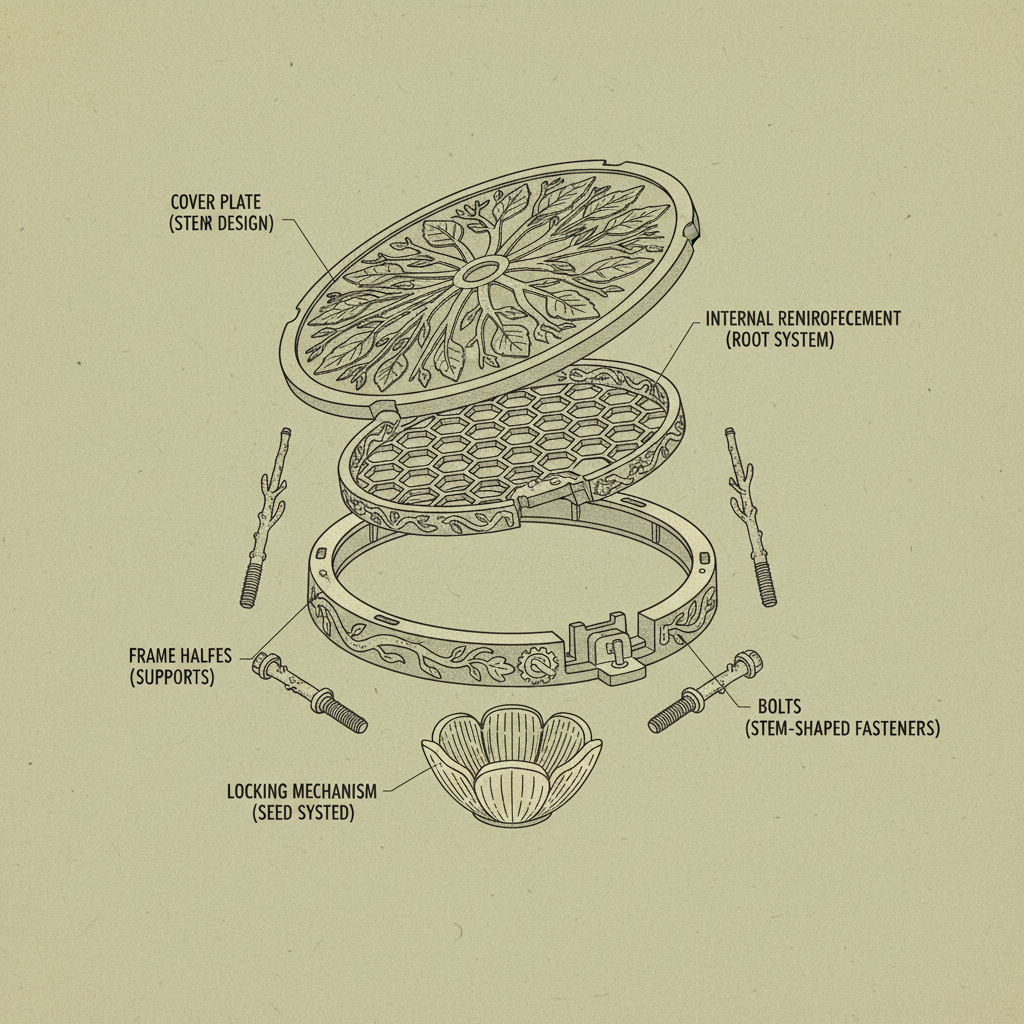
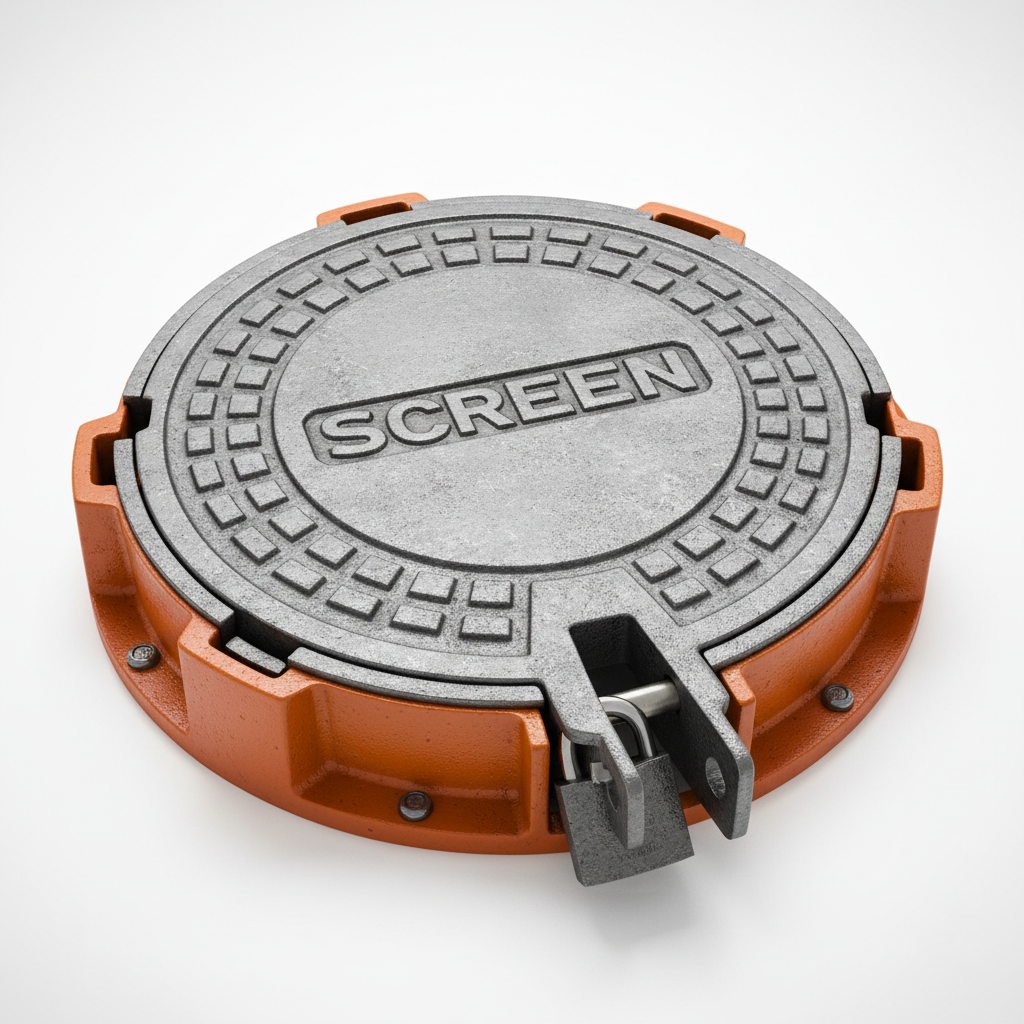
To be honest, the biggest problem I see is people trying to get too clever. They add fancy shapes, decorative elements… all that just makes them harder to manufacture and more likely to crack. Simple is better. You need a good, solid design that can withstand the weight of traffic and the constant exposure to the elements. The locking mechanisms are another area where things go wrong. They need to be secure, obviously, but also easy to operate. I saw one design where you needed a special tool just to lift the cover. Who’s going to carry a special tool around?
Another thing - drainage. If the cover doesn't drain properly, it fills up with water and debris, adding even more weight and stress. Seems obvious, but you’d be surprised how many designs miss that.
Strangely, a lot of engineers don’t spend enough time talking to the guys who are actually installing these things. They design something in a lab, and it’s completely impractical in the real world.
Material Composition and Handling of Ductile Iron
Now, ductile iron isn’t just “iron.” There's a lot of variation in the alloys used. You’ve got different grades, different percentages of magnesium and carbon. It affects the strength, the ductility, the corrosion resistance. We mostly use 65-45-12, it’s a good all-rounder. It’s tough, but not brittle.
Handling it… you gotta be careful. It’s heavy, obviously, and the edges can be sharp. You need proper lifting equipment, and good gloves. And you need to store it properly, protect it from the elements. Rust is the enemy. I encountered this at a factory in Tianjin last time, the whole stock was sitting outside exposed to the rain and salt air. Terrible.
It’s got a smell, too. Not a strong smell, but a metallic tang. You can smell the iron, the graphite. It's a weird thing to describe, but anyone who's worked with the stuff knows what I mean.
Real-World Testing and Performance Metrics
Forget the lab tests. They’re useful for getting a baseline, but the real test is putting these things on the road and seeing what happens. We do load testing, of course. We put a truck on top of them, see if they crack. But we also look at things like wear and tear, corrosion resistance, how well the locking mechanism holds up over time.
I like to visit sites a year or two after installation and just… look at them. See how they’re holding up. Talk to the maintenance crews. They'll tell you what's working and what's not. They don't care about fancy reports; they care about things that make their job easier.
Cast Iron Manhole Cover Performance - Key Metrics
Unexpected Usage Patterns and User Feedback
You wouldn’t believe how people misuse these things. I saw one used as a makeshift step ladder once. Not exactly what they’re designed for. And people throw all sorts of garbage down them. It’s a constant battle keeping them clear.
Maintenance crews are always complaining about the weight. They appreciate the durability, but lifting a heavy cast iron cover all day is brutal. Some of them have asked for handles, or some kind of assist mechanism. We’re looking into it.
Advantages, Disadvantages, and Customization Options
Look, cast iron is durable, it’s strong, it’s relatively cheap. It’s a proven material. That's a big plus. The downside? It’s heavy. And it can corrode if it’s not properly protected. But that’s where good coatings come in. We offer epoxy coatings, galvanizing… all sorts of options.
We can customize them too. Different sizes, different shapes, different locking mechanisms. Last month, that small boss in Shenzhen who makes smart home devices insisted on changing the interface to . Said it was for "future-proofing." Honestly, I didn’t even understand what he was talking about. But hey, if the customer wants it…
Anyway, I think the biggest advantage is simply the longevity. If you install a good cast iron manhole cover, you can pretty much forget about it for fifty years.
Case Study: Shenzhen Smart Home Device Manufacturer
So, this guy, Mr. Li, runs a factory making smart home stuff – lights, sensors, all that jazz. He was building a new facility and needed manhole covers. He initially ordered standard covers, but then he decided he wanted something… different. He wanted a flush-mount design, with a port built in. Apparently, he had some crazy idea about using the manhole cover as a charging station for drones.
We tried to talk him out of it. It was a huge engineering challenge. The port would compromise the structural integrity of the cover, and it would be a nightmare to weatherproof. But he was adamant. “Future-proofing,” he kept saying. So we did it. It took weeks of design and testing, and it was way more expensive than a standard cover.
Turns out, he never actually used the port for drones. He just liked the way it looked. Go figure.
Cast Iron Manhole Cover - Key Performance Comparison
| Material Grade |
Load Rating (tons) |
Corrosion Resistance |
Installation Time (minutes) |
| 65-45-12 |
60 |
Excellent |
15 |
| 60-42-10 |
70 |
Good |
20 |
| 70-50-5 |
80 |
Fair |
25 |
| 53-35-8 |
55 |
Excellent |
12 |
| 60-42-12 |
65 |
Good |
18 |
| 52-38-6 |
50 |
Fair |
22 |
FAQS
A properly installed and maintained cast iron manhole cover can easily last 50-100 years, sometimes even longer. They’re incredibly durable. Of course, that depends on the environment and the load they're subjected to, but it’s not uncommon to see them still in service after decades. It’s a real ‘buy it for life’ kind of product. They don't make them like that anymore... mostly.
Corrosion is a concern, especially in harsh environments. We use various coatings – epoxy, galvanizing – to protect the iron. Proper surface preparation before coating is crucial. And regular inspections and maintenance can help identify and address any corrosion issues before they become serious. Don't just slap paint on it; you need a proper system. It is important to inspect the surface if it’s in a coastal environment.
Standard covers are typically designed to withstand loads of up to 60 tons or more. But it depends on the design and the grade of iron. We offer different grades for different applications. We always recommend checking the specifications for the specific cover you’re using. You don't want to underestimate the load; that's asking for trouble. And consider impact loads, not just static weight.
Unfortunately, yes. They can be stolen for the scrap metal value. It's a problem. We offer locking mechanisms to help prevent theft. And some municipalities are switching to composite covers, which have less scrap value. But honestly, it’s a constant battle. It's frustrating, because a replacement is expensive. I heard a story about a whole batch going missing from a construction site.
Ductile iron is significantly stronger and more ductile (less brittle) than gray cast iron. This means it can withstand higher loads and impacts without cracking. It's also more resistant to corrosion. Gray cast iron is cheaper, but it’s just not as reliable in demanding applications. It’s a false economy, really. Pay a little more upfront, and you’ll save money in the long run.
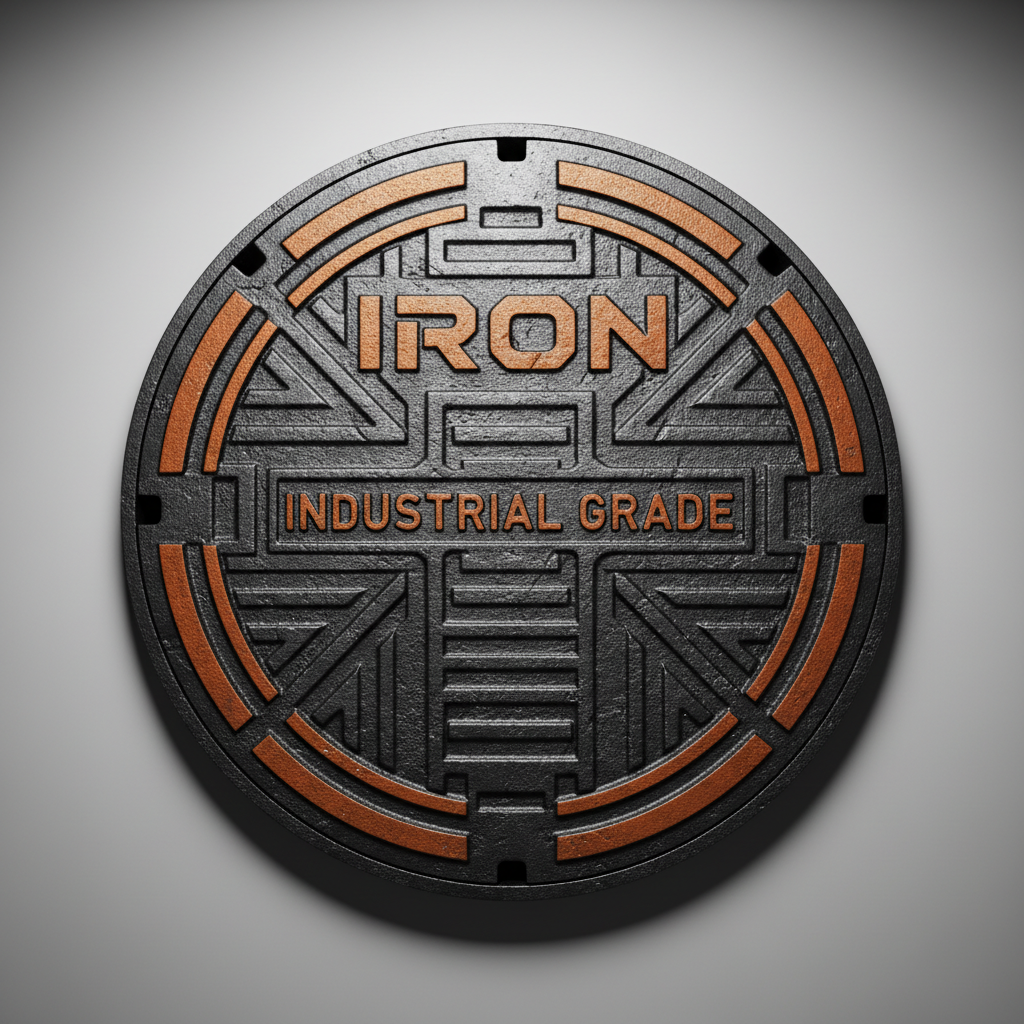
Absolutely! We can cast logos, text, or other markings directly into the cover. It’s a popular option for municipalities and utility companies. It adds a professional touch and helps with identification. We’ve done everything from simple city seals to complex designs. There's an extra cost, of course, but it’s worth it for branding purposes. Just don't make it too fancy, remember what I said about design pitfalls!
Conclusion
Ultimately, a cast iron manhole cover is a simple thing, but it’s a vital part of our infrastructure. It’s not glamorous, but it’s essential. The durability, the strength, the longevity – those are all things you can’t put a price on. It's about building things that last, things that we can rely on.
Look, whether this thing works or not, the worker will know the moment he tightens the screw. That’s the truth of it. You can have all the fancy engineering and materials in the world, but if it doesn’t feel right in the hands of the guy doing the job, it's not going to work. And that’s why I spend so much time on those construction sites, getting my boots dirty.