In the demanding world of urban infrastructure and industrial waste management, the integrity of access points is paramount. An airtight manhole cover serves as a critical barrier, designed specifically to prevent the escape of hazardous gases, odors, and liquids while blocking the ingress of external contaminants. By ensuring a hermetic seal, these components protect both the workforce and the surrounding environment from the volatile conditions often found within sewage and chemical processing systems.
Globally, the shift toward "Smart Cities" and stringent environmental regulations has placed a spotlight on the efficiency of subterranean access. Traditional covers often fail to contain methane or hydrogen sulfide, leading to atmospheric pollution and potential safety risks. The implementation of a high-quality airtight manhole cover is no longer just a technical preference but a regulatory necessity in many developed regions to comply with ISO and health and safety standards.
Understanding the nuances of airtight sealing technology—from the materials used in the gaskets to the precision of the casting—allows engineers and city planners to reduce long-term maintenance costs. When selected correctly, these covers eliminate the need for frequent odor-neutralizing treatments and reduce the risk of groundwater contamination, making them a cornerstone of sustainable urban water and waste management.
Global Relevance of Airtight Manhole Cover Systems
The global demand for advanced airtight manhole cover solutions has surged as municipalities grapple with aging infrastructure and increasing population densities. In densely populated urban centers, the leak of sewer gases is not merely a nuisance but a public health hazard. According to international environmental guidelines, minimizing volatile organic compound (VOC) emissions from subterranean networks is essential for achieving air quality targets.
Furthermore, in regions prone to flooding, such as Southeast Asia or the coastal cities of North America, an airtight seal prevents floodwaters from surging into the sewage system, which would otherwise lead to catastrophic overflows. This global shift toward resilience-based engineering emphasizes the role of the airtight manhole cover as a primary defense mechanism against environmental volatility.
Defining the Airtight Manhole Cover Architecture
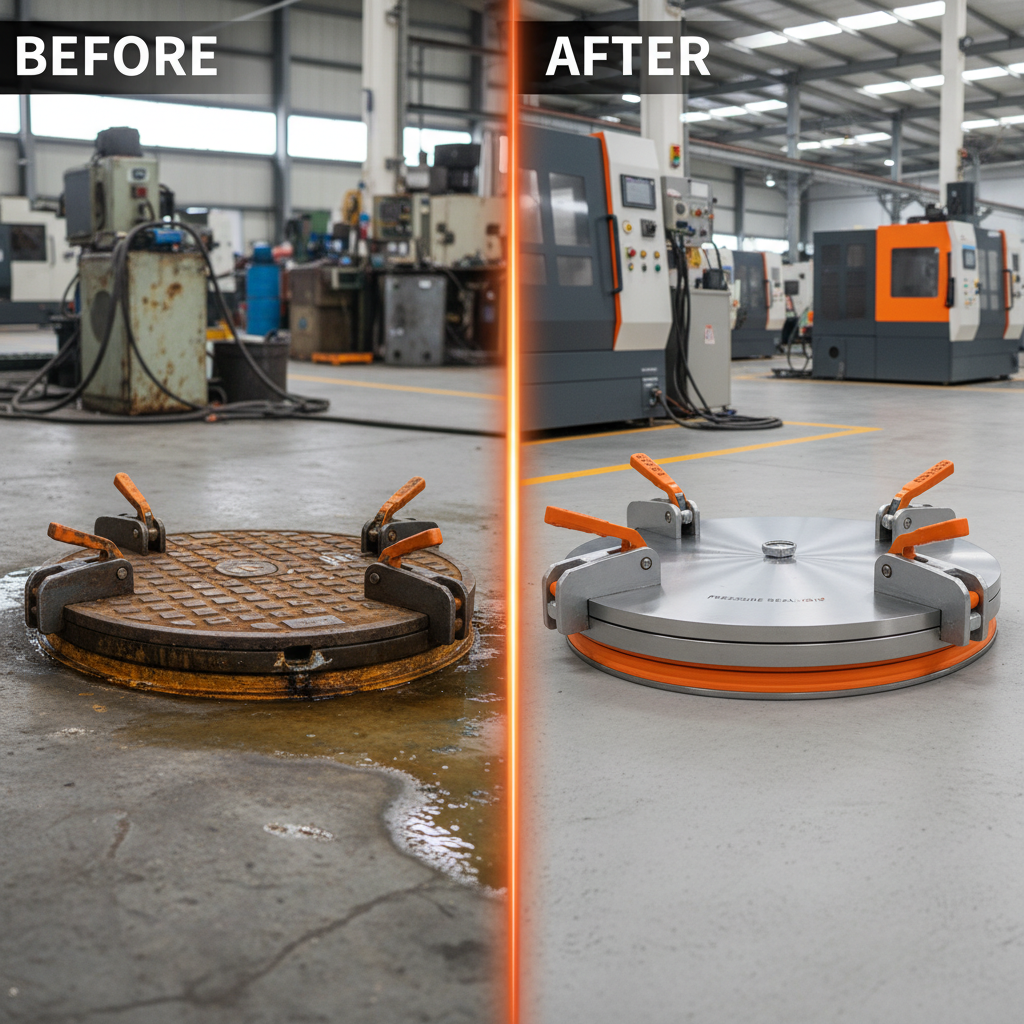
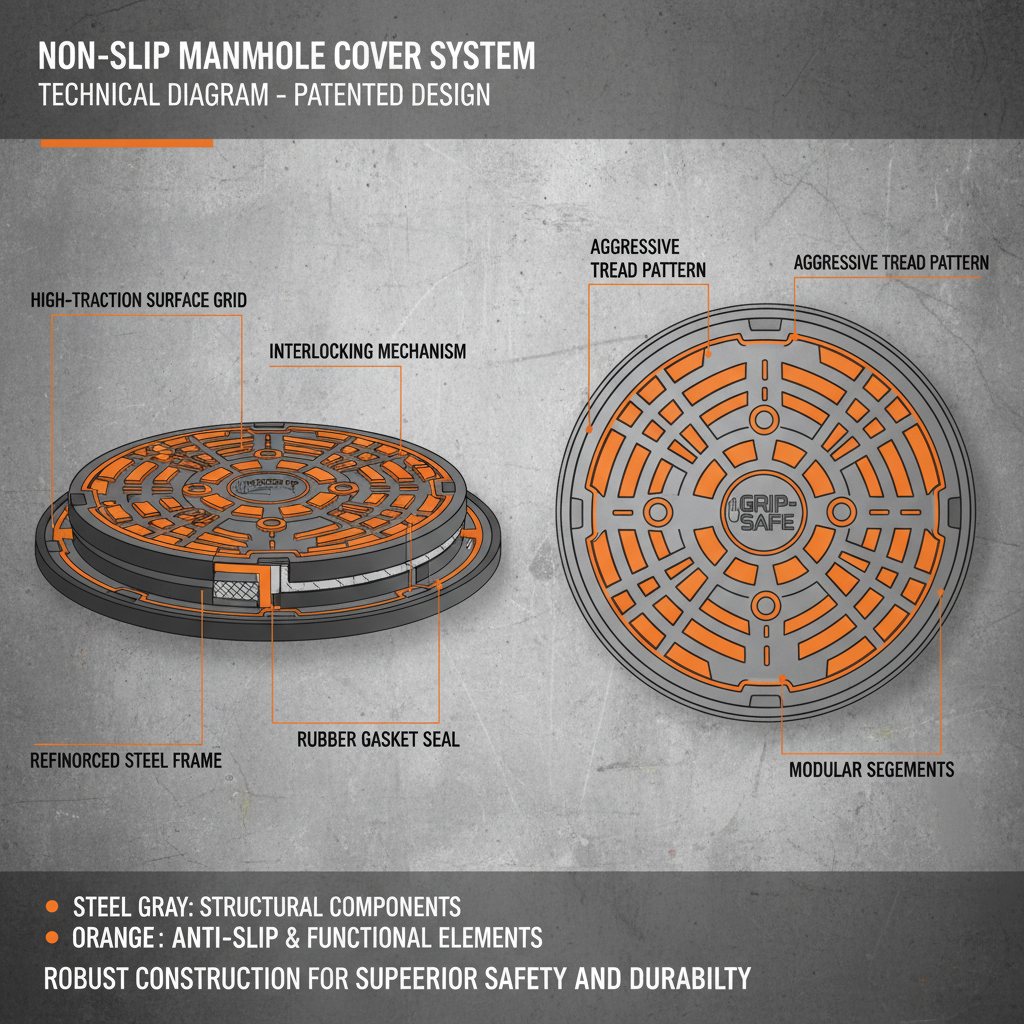
At its core, an airtight manhole cover is a precision-engineered access hatch designed to create a gas-tight and water-tight seal between the cover and the frame. Unlike standard manhole covers that rely on simple gravity and a loose fit, airtight versions utilize compressed gaskets and locking mechanisms to ensure that no air or liquid can pass through the interface, regardless of the internal pressure within the manhole.
This architecture is intrinsically linked to modern humanitarian and industrial needs. In chemical plants or pharmaceutical facilities, where the air beneath the surface may contain corrosive or toxic vapors, the seal prevents these substances from leaking into the workspace. It transforms a simple entry point into a safety valve, ensuring that the internal environment remains isolated from the external world.
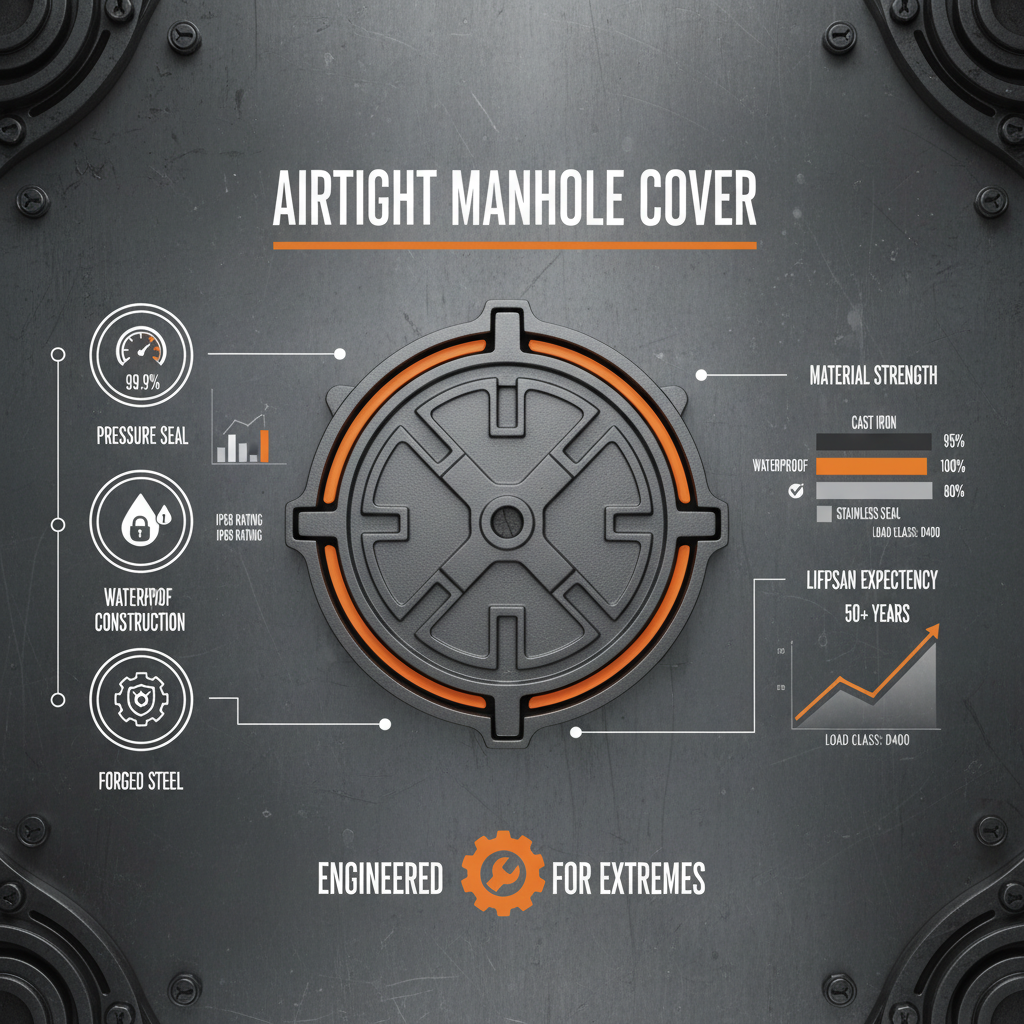
The construction typically involves high-grade ductile iron or reinforced composites, coupled with an EPDM or silicone seal. This combination provides the necessary structural strength to support heavy traffic loads while maintaining the elasticity required to form a perfect airtight seal over years of repeated opening and closing.
Core Components for Maximum Sealing Efficiency
Durability is the first pillar of a successful airtight manhole cover. The use of corrosion-resistant coatings and high-strength alloys ensures that the cover does not warp or degrade when exposed to harsh sulfides and chlorides. A warped cover is a leaking cover; therefore, dimensional stability is critical for maintaining the airtight integrity over the product's lifecycle.
The sealing gasket is the heart of the system. Whether using neoprene or specialized synthetic rubbers, the gasket must be capable of compressing under a specific torque to fill every microscopic gap between the frame and the lid. This component is what differentiates a standard cover from a true airtight manhole cover, providing the actual barrier against gas migration.
Finally, the locking mechanism provides the necessary downward force to maintain the seal. High-torque bolts or heavy-duty clamps ensure that the seal remains airtight even under the vibration of heavy vehicular traffic. This scalability in locking force allows the covers to be adapted for different pressure environments, from low-pressure sewer lines to high-pressure industrial conduits.
Performance Metrics and Load Bearing Analysis
Evaluating the efficiency of an airtight manhole cover requires a balance between sealing pressure and structural load capacity. Engineers must ensure that the cover can withstand the "Wheel Load" (the weight of passing vehicles) without compromising the gasket's compression. If the cover deflects too much, the seal breaks, rendering the airtight feature useless.
To optimize performance, various materials and sealing methods are tested against leakage rates and durability cycles. The following data illustrates how different design approaches impact the overall rating of the system's effectiveness in real-world scenarios.
Comparative Performance of Airtight Manhole Cover Designs
Real-World Applications Across Global Industries
In the industrial sector, the airtight manhole cover is indispensable for wastewater treatment plants. These facilities handle highly concentrated organic matter that produces potent odors and explosive methane. By using airtight covers, plants can channel gases directly into scrubbers or flare systems, ensuring the surrounding community is not affected by unpleasant or dangerous smells.
Beyond waste management, these solutions are critical in remote industrial zones, such as oil and gas refineries. In these high-risk areas, preventing any gas leak from a subterranean valve chamber is a primary safety requirement. Similarly, in post-disaster relief operations, airtight covers are used in temporary sanitation systems to prevent the spread of waterborne diseases and maintain hygiene in crowded refugee camps.
Long-Term Value and Sustainability Benefits
The long-term value of investing in a premium airtight manhole cover extends far beyond the initial purchase price. By eliminating leaks, municipalities significantly reduce the cost of emergency repairs and the liability associated with gas-related accidents. This logical approach to infrastructure spending shifts the focus from "cheap installation" to "total cost of ownership," where durability leads to massive savings over a 20-year cycle.
From a sustainability perspective, these covers contribute to a "Green City" initiative. By preventing the uncontrolled release of methane—a potent greenhouse gas—into the atmosphere, airtight systems play a small but vital role in carbon footprint reduction. The use of recyclable materials like ductile iron further enhances the environmental profile of these components.
Emotionally, the implementation of these systems fosters trust between the government and the citizens. When a city is free from the stench of sewers and the risk of sinkholes caused by undetected leaks, the perceived quality of life improves. Innovation in this "invisible" part of the city provides dignity to the urban environment and ensures safety for every pedestrian.
Future Innovations in Sealing Technology
The future of the airtight manhole cover lies in the integration of "Smart" technology. We are seeing the emergence of sensors embedded directly into the gasket or the frame that can detect a loss of pressure or the presence of a leak in real-time. This digital transformation allows for predictive maintenance, where a technician is alerted to a failing seal before it becomes a public hazard.
Material science is also evolving, with the development of self-healing polymers for gaskets. These materials can automatically fill small cracks or tears caused by debris, extending the life of the airtight seal without requiring manual intervention. Additionally, the move toward carbon-neutral casting processes is reducing the embodied energy of these heavy-duty components.
Automation in installation is another upcoming trend. Precision-guided installation tools ensure that the cover is seated perfectly flush with the frame, removing the human error that often leads to seal failure. As cities become more automated, the manhole cover will evolve from a static piece of metal into an active component of the urban data network.
Analysis of Airtight Manhole Cover Material and Design Specifications
| Material Type |
Sealing Mechanism |
Durability Score (1-10) |
Typical Application |
| Ductile Iron |
EPDM Compressed Gasket |
9 |
Heavy Traffic Roads |
| Stainless Steel |
Silicone O-Ring |
10 |
Chemical Plants |
| Composite Polymer |
Integrated Rubber Lip |
7 |
Pedestrian Walkways |
| Cast Iron (Coated) |
Neoprene Seal |
6 |
Residential Areas |
| Hybrid Alloy |
Dual-Stage Compression |
8 |
Industrial Wastage |
| Reinforced Steel |
Mechanical Clamp Seal |
9 |
Pressure Chambers |
FAQS
The primary difference is the presence of a precision-engineered sealing gasket and a locking mechanism. While standard covers rely on a simple fit to prevent debris from falling in, an airtight manhole cover is designed to create a hermetic seal that prevents gases, odors, and liquids from escaping or entering, which is critical for safety and environmental compliance.
Depending on the material of the gasket (EPDM, Silicone, or Neoprene) and the environmental conditions, a seal can last between 10 to 20 years. However, we recommend periodic inspections every 2-3 years to check for compression set or chemical degradation, especially in high-corrosion industrial environments.
Yes, provided they are rated for the appropriate load class (e.g., D400 for heavy traffic). High-quality airtight manhole covers are designed to distribute the weight of vehicles across the frame without compromising the compressed seal, ensuring that the airtight integrity remains intact even under extreme pressure.
Absolutely. By preventing the leakage of methane and other volatile organic compounds, these covers reduce the risk of gas accumulation in surrounding areas. When paired with proper ventilation systems, they ensure that hazardous gases are contained and routed safely away from potential ignition sources.
While they require a locking mechanism to maintain the seal, they are designed for accessibility. Using standard industrial tools or specialized keys, maintenance crews can easily release the tension and lift the cover. The goal is to provide a secure seal that is still operational for regular service.
Selection depends on your environment. Ductile iron is best for general urban roads due to its strength; stainless steel is ideal for chemical plants where corrosion is a high risk; and composites are excellent for low-load areas where weight reduction and non-conductivity are important.
Conclusion
In summary, the airtight manhole cover is a vital component of modern infrastructure, bridging the gap between basic utility access and advanced environmental safety. By focusing on high-grade materials, precision sealing, and structural durability, these systems effectively mitigate the risks of gas leakage, odor pollution, and groundwater contamination, providing long-term economic and social value to urban and industrial landscapes.
Looking forward, the integration of smart monitoring and self-healing materials will further elevate the reliability of subterranean access points. For engineers and city planners, prioritizing high-performance sealing solutions today is an investment in a safer, cleaner, and more resilient future. To explore our full range of industrial sealing solutions, visit our website: www.hbyqmetal.com