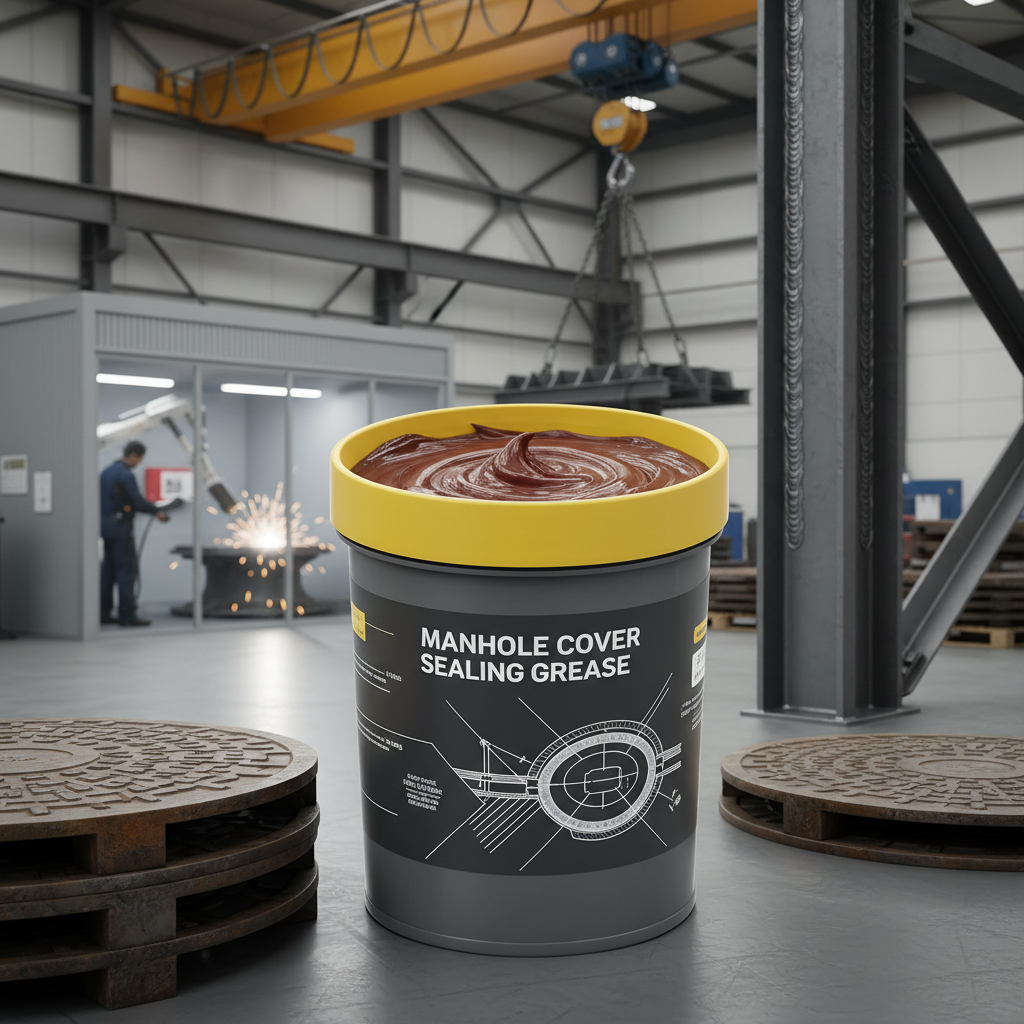
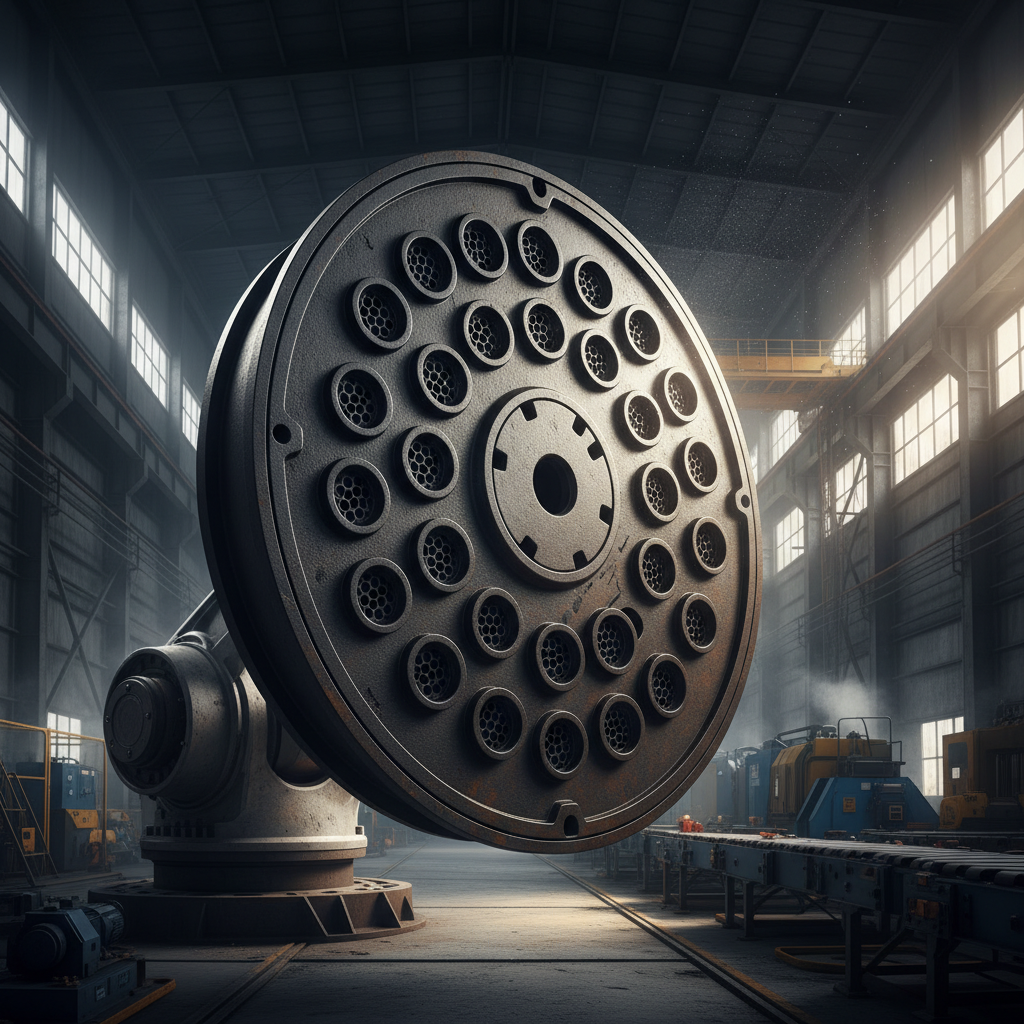
In the complex world of municipal infrastructure and industrial casting, the integrity of access points is paramount. The application of manhole cover sealing grease serves as a critical defense mechanism, ensuring that underground utilities remain protected from surface contaminants, water ingress, and unauthorized access. By creating a robust, airtight, and watertight barrier, this specialized lubricant transforms a simple metal lid into a sophisticated environmental seal.
Globally, the maintenance of urban drainage and utility systems faces increasing pressure from extreme weather events and aging infrastructure. The strategic use of high-performance sealing compounds is no longer just a maintenance preference but a technical necessity. When integrated correctly, these lubricants prevent the leaching of pollutants into groundwater and protect sensitive electrical or telecommunications equipment housed within manholes from corrosive humidity.
Understanding the chemistry and application of manhole cover sealing grease allows engineers and city planners to extend the lifecycle of their assets significantly. By reducing friction during installation and preventing the "seizing" of metal parts due to oxidation, this material ensures that critical infrastructure remains accessible for emergency repairs while maintaining a secure, sealed state during normal operation.
Global Importance of Manhole Cover Sealing Grease
From a global perspective, the management of urban wastewater and utility networks is an immense challenge. According to standards often mirrored by ISO guidelines for infrastructure, the failure to properly seal access points can lead to significant groundwater contamination and "urban flooding" during peak rainfall. The implementation of manhole cover sealing grease provides a scalable solution to these systemic vulnerabilities by ensuring a tight fit between the frame and the cover.
In rapidly growing megacities across Asia and Africa, the sheer volume of manholes requires a maintenance solution that is both fast to apply and long-lasting. By utilizing advanced sealing greases, municipalities can reduce the frequency of costly replacements and prevent the infiltration of hazardous gases from sewers into residential street levels, thereby improving public health and safety on a massive scale.
Technical Definition and Functional Purpose
In technical terms, manhole cover sealing grease is a high-viscosity, chemically stable lubricant designed specifically to create a hermetic or semi-hermetic seal between the contact surfaces of a manhole cover and its supporting frame. Unlike general-purpose lubricants, this compound is engineered to withstand extreme compressive loads and constant exposure to fluctuating temperatures without breaking down or leaching into the surrounding soil.
The primary functional purpose is twofold: exclusion and lubrication. First, it excludes external elements such as rain, debris, and surface runoff from entering the utility shaft, which is vital for preventing the corrosion of internal pipe fittings and valve systems. Second, it provides the necessary lubrication to ensure that the cover can be removed safely by technicians without the need for excessive force or damaging the casting.
Modern industrial needs have pushed the evolution of these greases toward "smart" formulations. These include hydrophobic additives and anti-corrosive agents that react with the metal surface of the manhole cover to create a protective microfilm, effectively preventing the oxidation that typically leads to rusted-shut lids and expensive excavation costs.
Core Components for Maximum Durability
The effectiveness of manhole cover sealing grease depends heavily on its chemical composition. A primary factor is the base oil viscosity; high-viscosity synthetic oils are preferred because they resist being squeezed out from under the heavy weight of cast iron or ductile iron covers, ensuring the seal remains intact over several years of traffic load.
Another critical component is the thickener, often lithium or calcium-based, which gives the grease its structural stability. In high-moisture environments, such as coastal cities or flood-prone zones, these thickeners prevent the grease from emulsifying when it comes into contact with water, ensuring that the manhole cover sealing grease continues to repel moisture even during heavy storms.
Finally, the inclusion of extreme pressure (EP) additives is essential. These additives create a sacrificial layer on the metal-to-metal interface, preventing galling and wear. This is particularly important for heavy-duty manhole covers in industrial zones where constant vibration from heavy machinery and trucks would otherwise degrade the seal and the casting itself.
Practical Performance Metrics in Industrial Use
When evaluating the efficacy of different sealing methods, industrial engineers look at specific metrics such as the "Seal Integrity Score" and the "Ease of Access Index." Standard rubber gaskets may provide a good initial seal, but they often perish over time due to UV exposure and chemical attacks from road salts. In contrast, high-grade manhole cover sealing grease offers a dynamic seal that adapts to the slight irregularities of the cast iron surface.
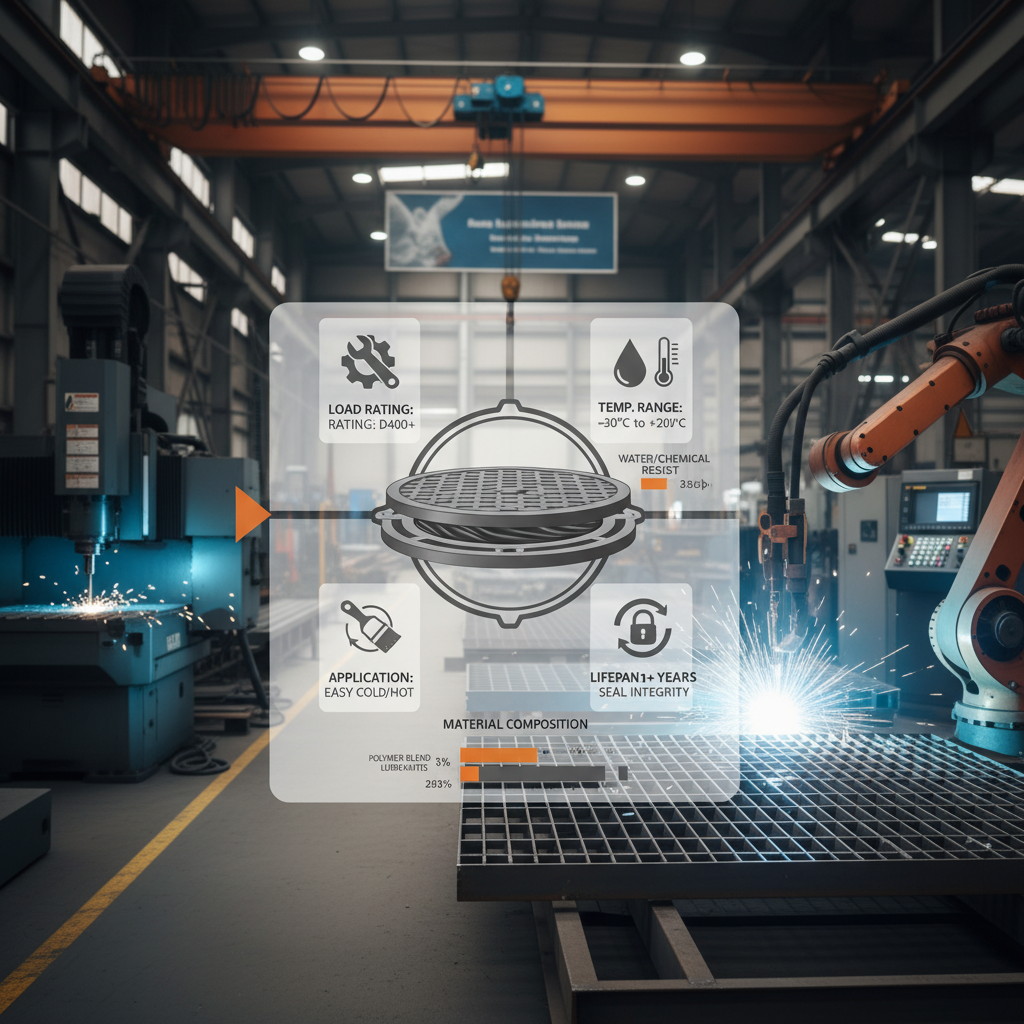
The following data illustrates how various sealing grease formulations perform across different industrial requirements, including resistance to water washout and the ability to maintain a seal under heavy traffic loads.
Sealing Performance Analysis by Grease Formulation
Global Applications and Regional Use Cases
The application of manhole cover sealing grease varies significantly depending on the environmental stressors of the region. In Northern European and North American cities, the primary challenge is the use of road salts during winter, which accelerates the corrosion of metal frames. Here, grease formulations with high salt-spray resistance are utilized to prevent the covers from fusing to the frames.
In contrast, in tropical regions like Southeast Asia, the focus shifts to managing extreme humidity and monsoon-level rainfall. In these contexts, sealing grease is used not only for water exclusion but also to prevent the growth of biological films and algae in the gap between the cover and the frame, which can otherwise cause the seal to fail and allow contaminated water to seep into the sewage network.
Long-Term Value and Sustainability Benefits
The long-term value of employing a professional sealing strategy exceeds the initial cost of the materials. By preventing the ingress of water and debris, manhole cover sealing grease significantly reduces the internal wear and tear on pipes, valves, and repair clamps. This proactive approach shifts the maintenance model from "reactive repair"—which often involves digging up roads—to "preventative maintenance," saving municipalities millions in infrastructure expenditure.
From a sustainability angle, the use of high-quality lubricants reduces the need for frequent replacement of the metal covers themselves. Since the production of cast iron and galvanized steel is energy-intensive, extending the life of a single manhole cover by ten years through proper lubrication directly reduces the carbon footprint of the urban environment.
Furthermore, the social impact is tangible. A properly sealed manhole reduces the risk of "sinkholes" caused by soil erosion around the manhole shaft—a common occurrence when water leaks through unsealed lids. This enhances public safety and ensures that city streets remain stable and reliable for pedestrians and vehicles alike.
Future Innovations in Sealing Technology
The future of manhole cover sealing grease is moving toward "bio-based" and "self-healing" materials. Researchers are currently developing lubricants derived from sustainable plant oils that offer the same viscosity and water-repellency as petroleum-based products but with zero environmental toxicity. This is crucial for manholes located near protected waterways or sensitive agricultural land.
Another exciting trend is the integration of smart sensors with sealing compounds. Imagine a sealing grease infused with conductive micro-particles that can signal a central monitoring system when the seal is breached or when the cover has been illegally moved. This digital transformation of a simple lubricant into a security tool is becoming a reality in "Smart City" initiatives worldwide.
As automation increases, we are also seeing the rise of automated application systems. Instead of manual brushing, robotic drones or specialized vehicles can apply a precise layer of sealing grease across thousands of manholes in a single night, ensuring uniform coverage and reducing the labor risks associated with working in high-traffic areas.
Comparative Analysis of Sealing Grease Performance by Environment
| Environment Type |
Recommended Grease Type |
Key Performance Driver |
Expected Seal Life |
| Coastal/Marine |
Calcium Sulfonate |
Salt-water Resistance |
3-5 Years |
| Arctic/Cold Climate |
Low-Temp Synthetic |
Pour Point Stability |
5-7 Years |
| Heavy Industrial |
Moly-Infused EP |
Vibration Damping |
2-4 Years |
| Residential Urban |
Lithium Complex |
General Versatility |
4-6 Years |
| Chemical Plant |
Fluorinated Grease |
Acid/Base Resistance |
3-5 Years |
| High-Rainfall Zone |
Hydrophobic Polymer |
Washout Resistance |
3-6 Years |
FAQS
The reapplication frequency depends on the traffic volume and environmental conditions. In standard residential areas, a high-quality seal can last 4-6 years. However, in high-traffic industrial zones or areas with extreme salt exposure, we recommend a check-up and potential re-application every 2 years to ensure the seal remains watertight and the cover remains easy to lift.
It is not recommended. Standard automotive greases are designed for rotating parts and often lack the extreme pressure (EP) additives and high-viscosity stability required to withstand the static, heavy load of a cast iron manhole cover. Specialized manhole cover sealing grease is engineered to resist "squeezing out" and to withstand prolonged exposure to groundwater and road chemicals.
Yes, one of the secondary benefits of manhole cover sealing grease is that it fills the microscopic gaps between the cover and the frame. This creates a dampened interface that significantly reduces the noise (rattling) caused by vehicles driving over the cover, which is a major benefit for manholes located near residential bedrooms or quiet zones.
Professional-grade sealing greases are formulated to be stable and non-leaching. However, for applications in ecologically sensitive areas, we recommend using biodegradable or bio-based sealing greases. These provide the same protection for the infrastructure while ensuring that no harmful hydrocarbons migrate into the surrounding soil or water table.
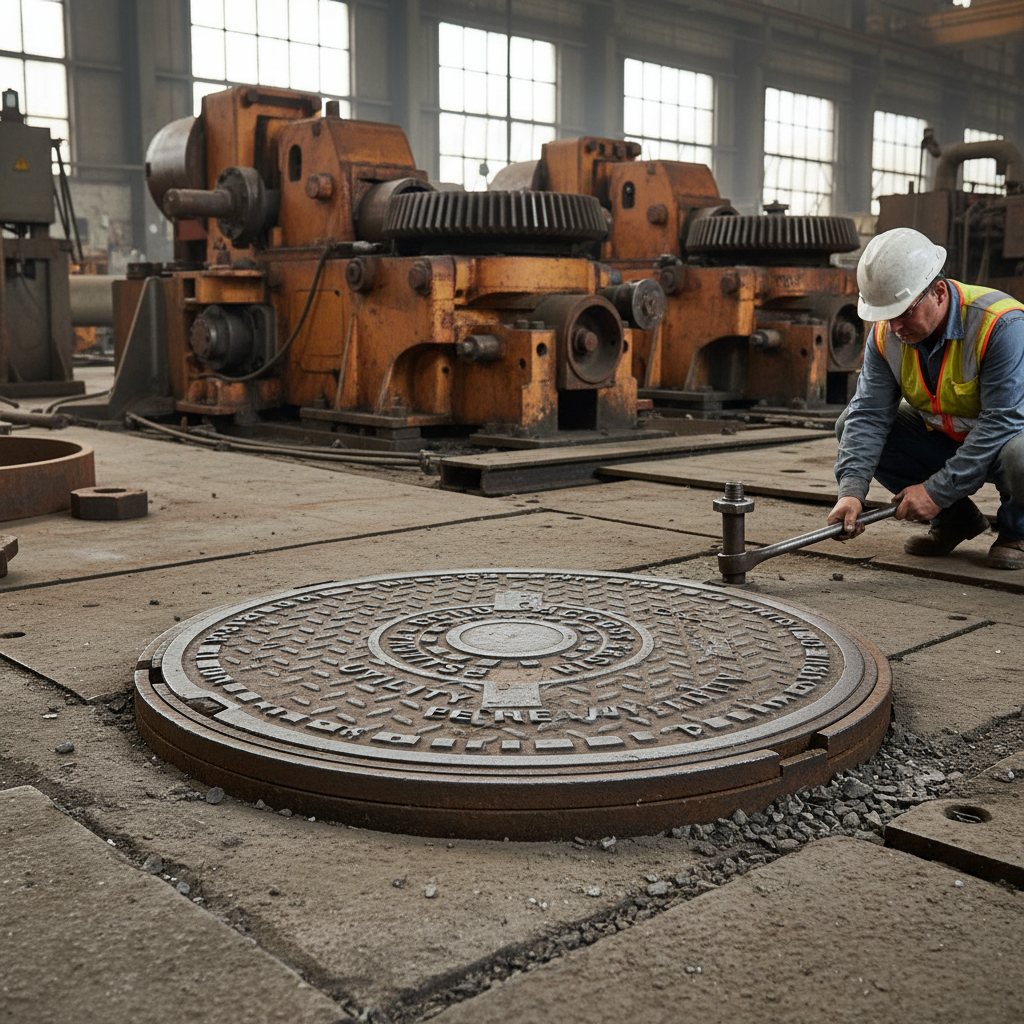
First, clean the contact ledge of the frame and the rim of the cover using a wire brush to remove rust and debris. Apply a generous, uniform bead of manhole cover sealing grease around the entire circumference of the frame. Finally, seat the cover firmly. The pressure of the cover will distribute the grease, creating a continuous, airtight seal.
Actually, it does the opposite. By preventing rust and oxidation (the "welding" effect of corrosion), sealing grease ensures that the cover can be lifted easily when required. While it creates a tight seal against water and gas, it does not "glue" the cover in place; it simply lubricates the interface while filling the void.
Conclusion
In conclusion, the application of manhole cover sealing grease is a small but pivotal detail in the broader strategy of urban infrastructure management. By combining advanced chemistry with practical engineering, these lubricants protect critical assets, enhance public safety by preventing soil erosion, and drastically reduce the operational costs of municipal maintenance. Whether addressing the challenges of salt-corroded streets in the north or monsoon-driven flooding in the tropics, the right sealing solution ensures that our hidden utility networks remain secure and functional.
As we move toward the era of Smart Cities and sustainable development, the transition to eco-friendly and sensor-integrated sealing materials will further optimize how we interact with our underground infrastructure. Investing in high-quality sealing practices today is an investment in the longevity and resilience of tomorrow's cities. For professional-grade casting solutions and maintenance accessories, we invite you to explore our comprehensive range of products. Visit our website: www.hbyqmetal.com