In the complex landscape of urban infrastructure, the ability to access subterranean utility networks safely and efficiently is paramount. manhole cover lifting keys serve as the critical interface between surface-level stability and underground maintenance, ensuring that technicians can access sewage, electrical, and telecommunication lines without risking musculoskeletal injuries or damaging expensive casting equipment.
From a global perspective, the standardization of these tools is not merely a matter of convenience but a necessity for operational safety. As cities expand and infrastructure ages, the demand for specialized manhole cover lifting keys has grown, shifting from primitive pry-bars to engineered ergonomic tools that adhere to strict ISO and safety regulations, reducing workplace accidents in municipal maintenance.
Understanding the technical nuances of these lifting tools allows facility managers and urban planners to optimize their maintenance cycles. By investing in high-quality manhole cover lifting keys, organizations can significantly reduce the downtime of critical utility repairs, ensuring that urban services remain uninterrupted while safeguarding the health of the workforce.
Global Relevance of Manhole Cover Lifting Keys
Across the globe, the maintenance of underground utilities is a multi-billion dollar industry. The reliance on manhole cover lifting keys is a universal constant, whether in the sprawling metros of Asia or the historic districts of Europe. Without the correct tool, the sheer weight of ductile iron or reinforced concrete covers makes manual lifting an impossible and dangerous task, often leading to severe spinal injuries for municipal workers.
Statistically, industrial safety boards have noted that improper lifting techniques are a leading cause of lower-back trauma in the utility sector. The implementation of standardized manhole cover lifting keys ensures that the leverage ratio is optimized, allowing a single operator to lift heavy loads with minimal physical strain, thereby aligning with global occupational health and safety (OHS) standards.
Defining the Mechanics of Lifting Keys
At its simplest level, manhole cover lifting keys are specialized mechanical levers designed to engage with specific notches or lifting points on a manhole cover. They transform the horizontal effort of the worker into a vertical lifting force, utilizing the principles of torque and leverage to overcome the gravitational weight and the vacuum seal often created by debris or moisture around the cover frame.
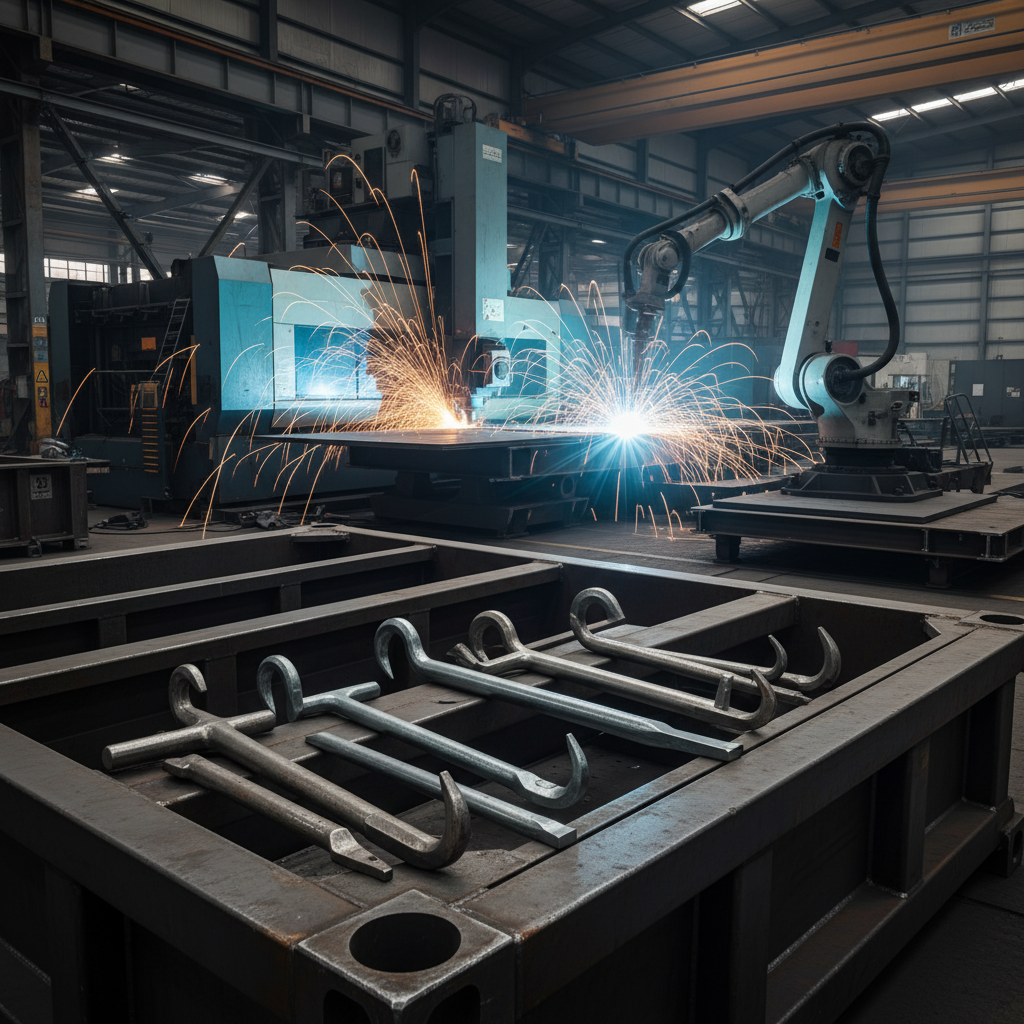
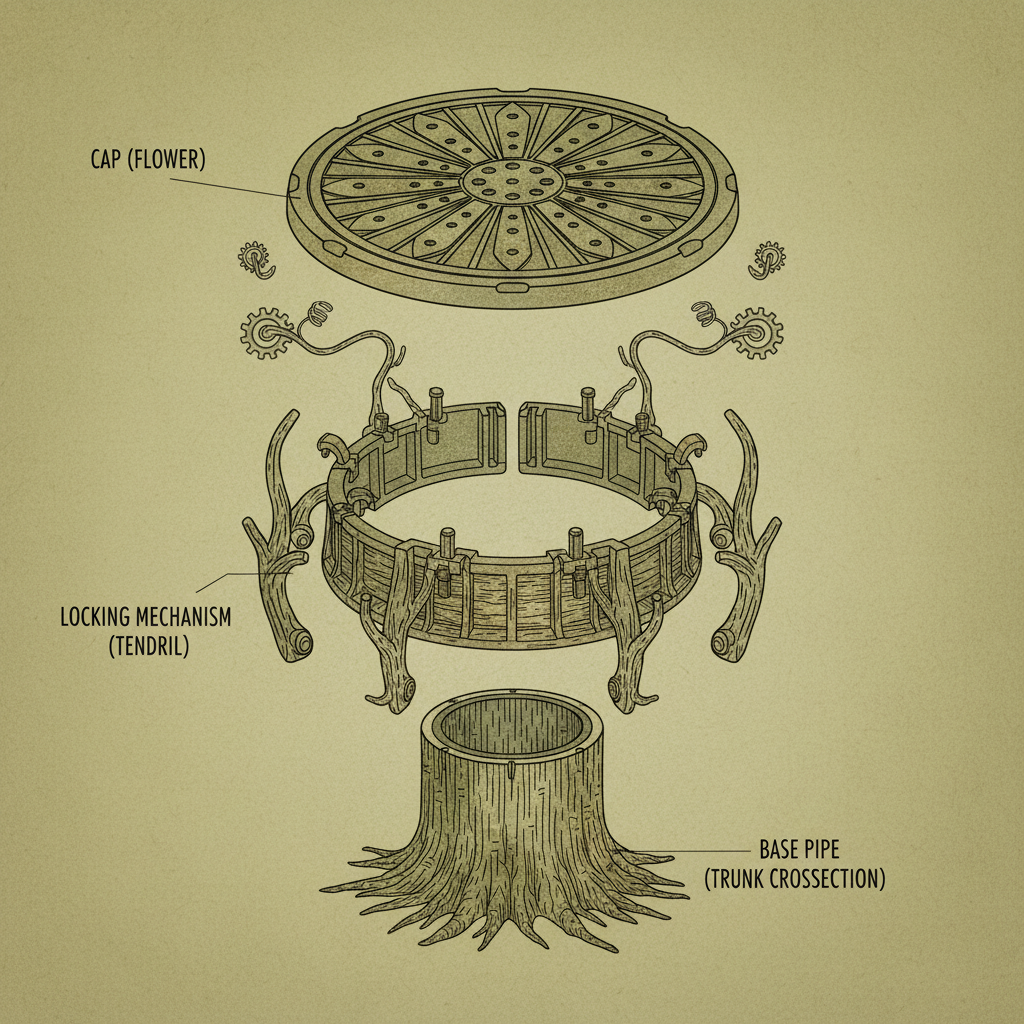
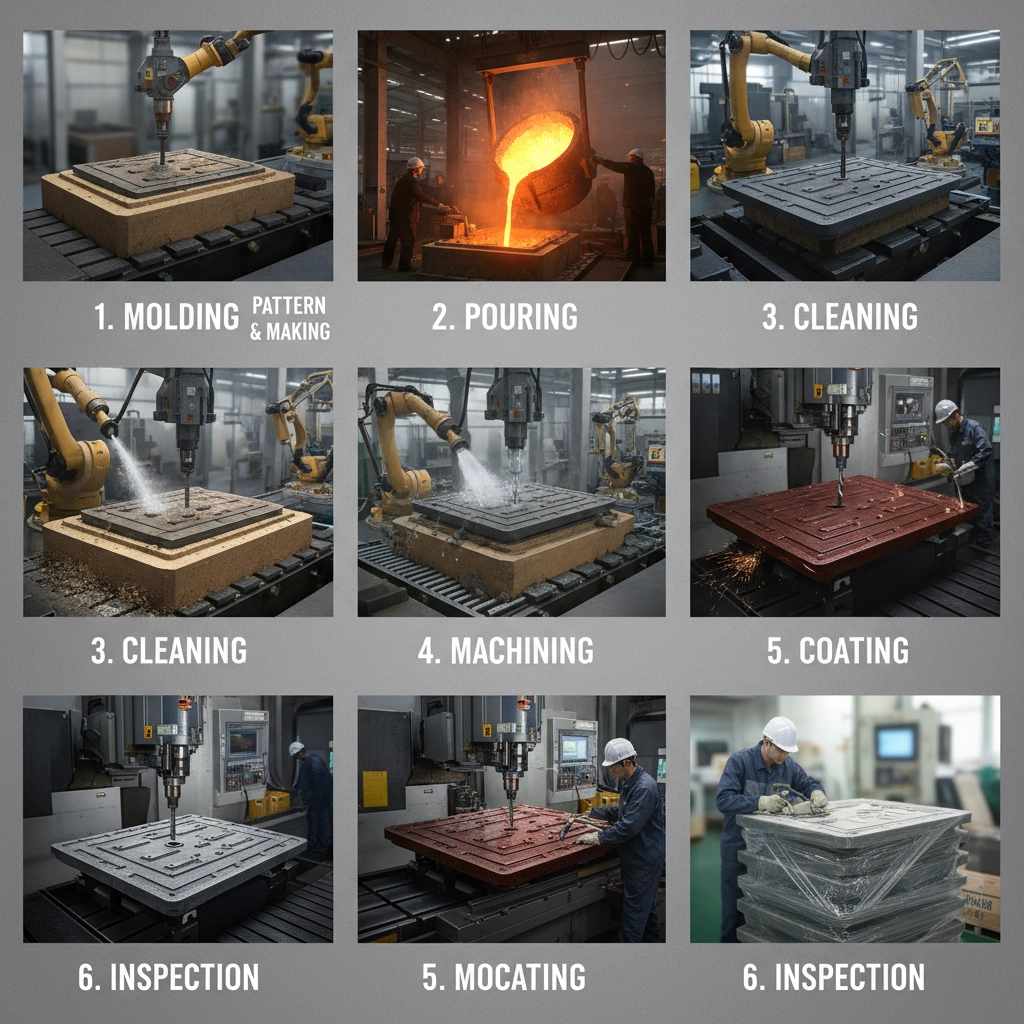
These tools are intrinsically linked to the casting process of the covers themselves. Since different manhole covers (such as Gully Grates or Surface Boxes) have different locking mechanisms, the lifting keys must be precision-engineered to fit the specific geometry of the cover. This synergy between the casting and the key ensures that the tool does not slip, which is the primary cause of accidents during the opening process.
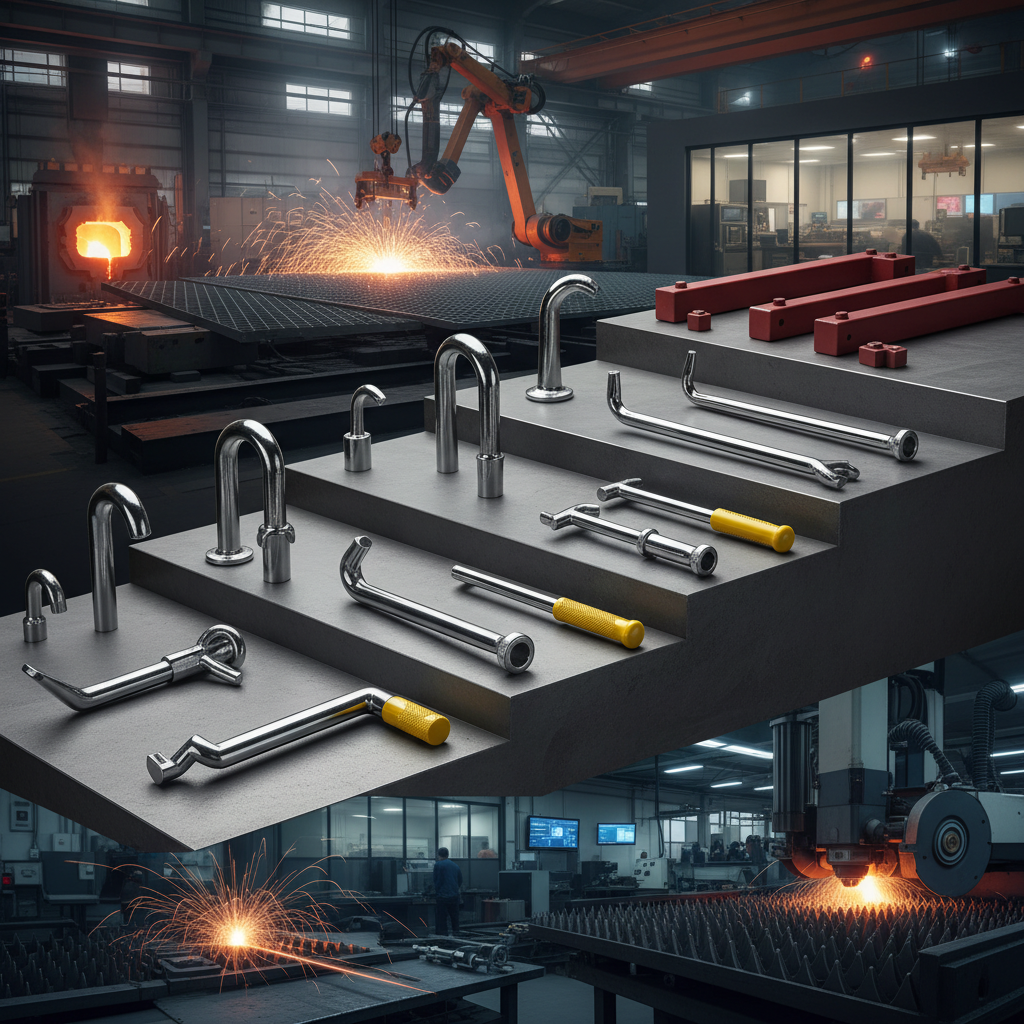
In the modern industrial context, these keys have evolved from simple iron rods to composite-handled, high-tensile steel instruments. This evolution reflects a broader shift toward "human-centric design" in the manufacturing sector, where the goal is to reduce the physical burden on the worker while increasing the speed of access to critical infrastructure.
Core Components of High-Performance Keys
Durability is the cornerstone of professional-grade manhole cover lifting keys. Most high-end tools are forged from chrome-vanadium steel or high-carbon alloys to prevent bending under extreme loads. The surface is typically treated with a galvanized or powder-coated finish to resist the corrosive environments typical of sewage and storm-water systems.
Ergonomics and Grip are equally critical. Modern manhole cover lifting keys often feature non-slip, rubberized handles that reduce vibration and prevent hand fatigue. The length of the handle is mathematically calculated to provide the optimal leverage ratio, ensuring that the user can lift the cover with a natural posture.
Finally, the precision of the engagement head determines the tool's versatility. A well-designed head ensures a tight lock with the manhole's lifting hole, eliminating the "play" that can lead to the tool popping out. This precision is what separates industrial-grade manhole cover lifting keys from generic hardware store alternatives.
Efficiency Metrics in Utility Access
Measuring the effectiveness of utility access requires a look at the time-to-open and the effort-exerted metrics. Using specialized manhole cover lifting keys significantly lowers the time required to open a cover from several minutes of struggling to a matter of seconds, which is vital during emergency pipe bursts or electrical failures.
Furthermore, the cost-efficiency of these tools is realized over their lifecycle. While a premium lifting key has a higher upfront cost, its resistance to wear and tear means it does not need frequent replacement, and it prevents costly worker compensation claims resulting from lifting injuries.
Comparative Performance of Manhole Cover Lifting Keys
Global Applications and Industry Use Cases
In densely populated urban centers like Tokyo or New York, the use of manhole cover lifting keys is integrated into daily city maintenance. Utility companies employ these tools for routine inspections of fiber optic cables and water mains, where speed is essential to avoid traffic congestion caused by open manholes.
Beyond urban centers, these tools are indispensable in remote industrial zones and post-disaster relief operations. For instance, after flooding in coastal regions, sanitation crews use heavy-duty lifting keys to clear debris-blocked manholes, restoring sewage flow and preventing the spread of waterborne diseases in temporary settlements.
Long-Term Value and Safety Advantages
The long-term value of investing in high-quality manhole cover lifting keys extends beyond simple utility. From a logistical standpoint, standardization across a city's fleet of tools means that any crew can open any cover, regardless of the specific installation date, provided they have the correct key set.
From a psychological and emotional perspective, providing workers with the right tools fosters a culture of safety and professional dignity. When a technician is equipped with a tool that works efficiently, it reduces stress and anxiety associated with the high-risk environment of roadside work.
Moreover, the reliability of these keys ensures that critical infrastructure is not damaged during the lifting process. Using improper tools often leads to the chipping of the cover's edges or the warping of the frame, which can compromise the seal and allow surface water to leak into the utility vault.
Future Trends in Lifting Technology
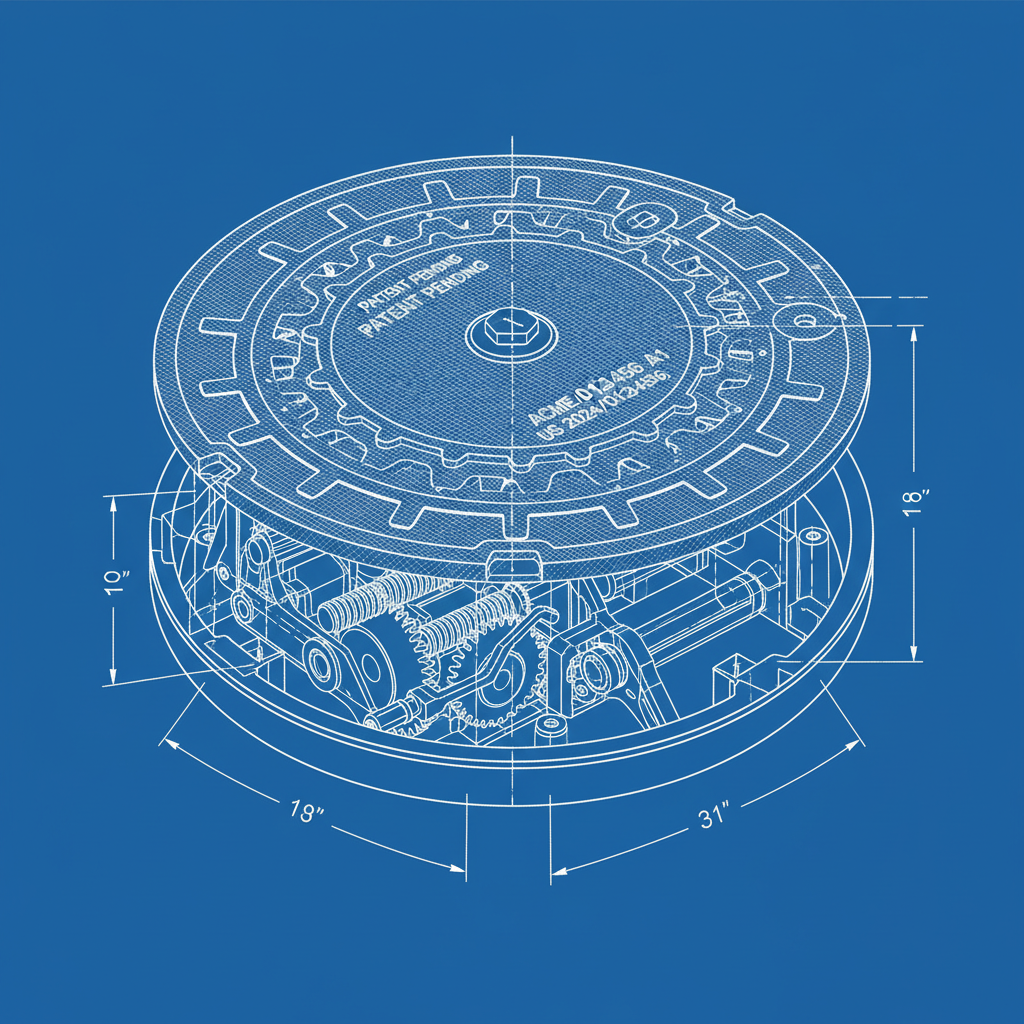
The future of manhole cover lifting keys is moving toward automation and smart materials. We are seeing the emergence of hydraulic-assisted lifting keys that can lift covers weighing several hundred kilograms with a simple button press, virtually eliminating physical strain.
Digital transformation is also playing a role, with the integration of RFID tags in both the cover and the key. This allows city managers to track which covers were opened, by whom, and at what time, providing a digital audit trail for security and maintenance purposes.
Sustainability is another driving force. New keys are being manufactured using recycled high-strength alloys and biodegradable handle materials, ensuring that the tools used to maintain our cities do not contribute to the environmental degradation of the planet.
Analysis of Manhole Cover Lifting Key Specifications and Performance
| Key Material |
Durability Score (1-10) |
Leverage Ratio |
Application Area |
| Chrome-Vanadium Steel |
10 |
High |
Heavy Industrial |
| Galvanized Carbon Steel |
8 |
Medium |
Municipal Sewage |
| Cast Iron Alloy |
7 |
Low |
Residential Areas |
| Stainless Steel 304 |
9 |
Medium |
Chemical Plants |
| Titanium-Reinforced Alloy |
10 |
High |
Specialized Aviation |
| Recycled Composite Steel |
6 |
Medium |
Eco-Urban Zones |
FAQS
Choosing the right size depends on the cover's notch diameter and the weight of the casting. You should verify the specific standard of your manhole covers (e.g., EN 124) and match the key's head geometry to those specifications. For heavier covers, prioritize keys with longer handles to increase leverage and reduce physical strain on the operator.
While some "universal" keys exist, they are often less efficient than purpose-built tools. Because different brands and types of covers (like Gully Grates vs. Valve boxes) have varying locking mechanisms, a dedicated key provides a more secure fit, reducing the risk of slippage and increasing overall safety during the lifting process.
For corrosive environments, such as saltwater coastlines or chemical plants, stainless steel or hot-dip galvanized steel is highly recommended. These materials prevent oxidation and rust, which can otherwise weaken the structural integrity of the tool and cause it to fail under load.
We recommend a quarterly inspection. Check for hairline cracks in the metal, signs of excessive bending, or wear on the engagement head. Any tool showing signs of structural fatigue should be replaced immediately to prevent catastrophic failure during a lift.
Yes, many industrial tools are designed according to ISO ergonomic standards to ensure they minimize musculoskeletal stress. When purchasing, look for tools that specify a "neutral grip" and a leverage ratio that complies with regional health and safety guidelines for manual handling.
Standard lifting keys are designed for unbolted, notched covers. For bolted covers, you will need a specialized socket or wrench set before using the lifting key to remove the cover. Attempting to pry a bolted cover with a lifting key can damage both the tool and the cover frame.
Conclusion
In summary, manhole cover lifting keys are far more than simple pieces of metal; they are essential safety instruments that bridge the gap between urban infrastructure and human capability. By prioritizing materials like chrome-vanadium steel and adhering to ergonomic design principles, these tools ensure that the critical work of maintaining our cities is done safely, efficiently, and sustainably.
Looking forward, the integration of smart technology and hydraulic assistance will further redefine the utility access landscape. For municipal leaders and contractors, the transition to standardized, high-quality lifting solutions is an investment in workforce health and urban resilience. To explore the best professional-grade solutions for your infrastructure, visit our website: www.hbyqmetal.com.