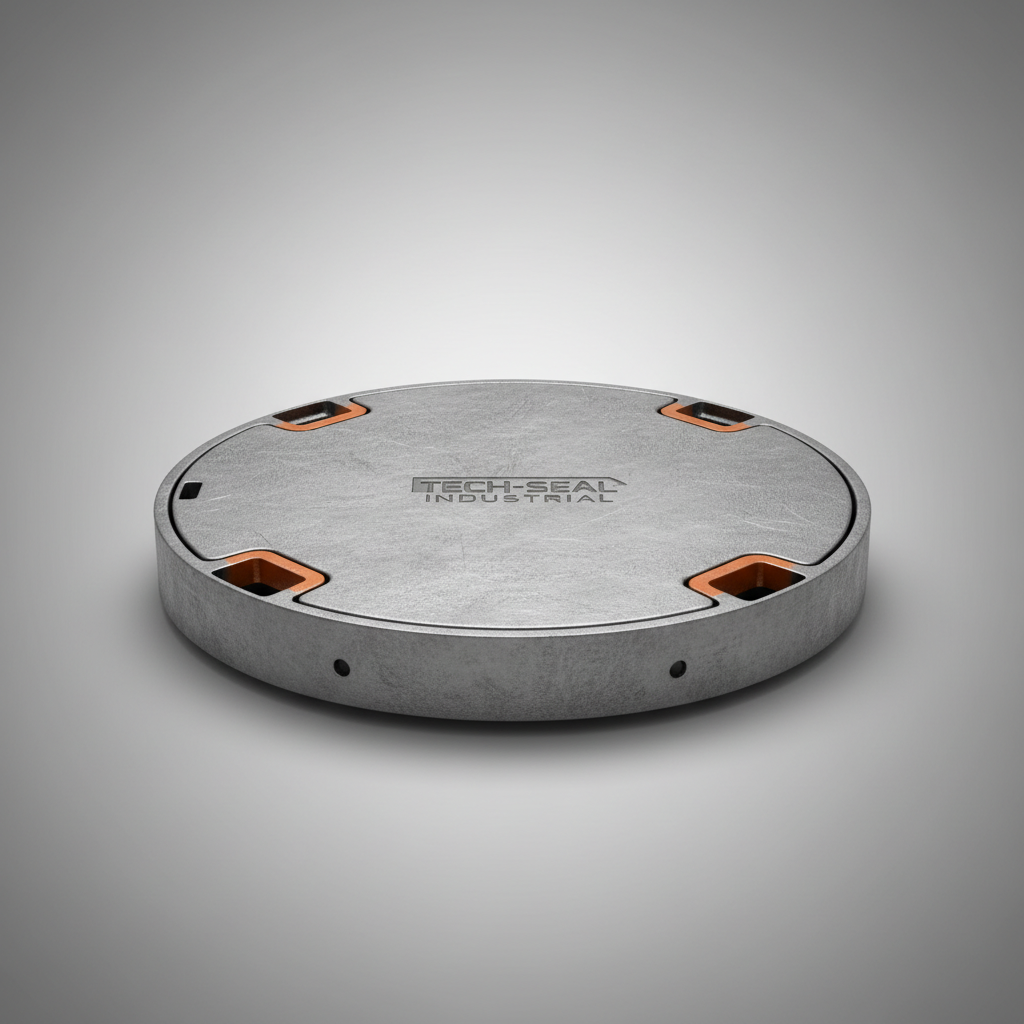
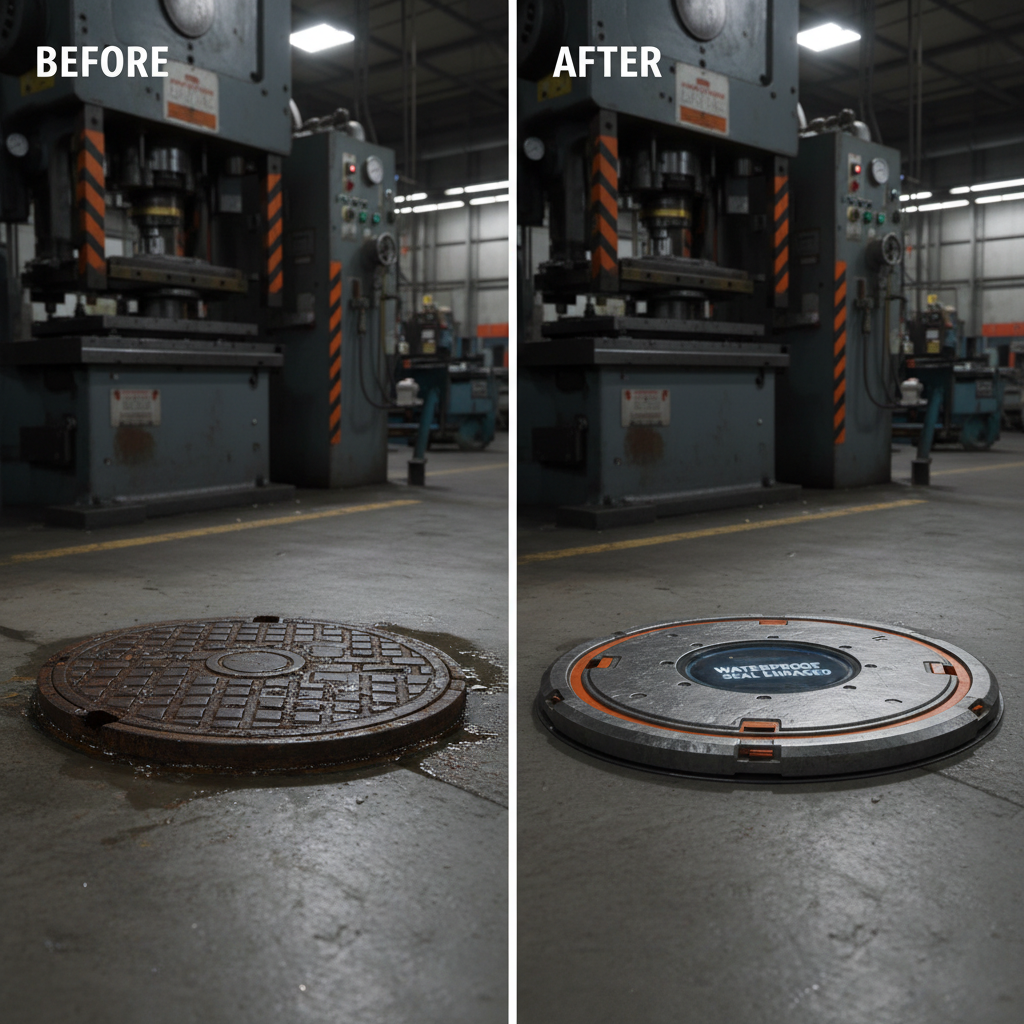
The infrastructure of any modern city relies heavily on the unseen networks beneath our feet, where the 30 inch manhole cover serves as a critical access point for maintenance, inspection, and emergency repairs. These industrial components are not merely lids but engineered safety barriers that protect utility workers and pedestrians alike from hazardous drops while ensuring that vital sewage, electrical, and water systems remain operational.
Globally, the demand for standardized, high-durability access solutions has surged as urban density increases. A 30 inch manhole cover is often the preferred specification for medium-to-heavy traffic areas, providing an optimal balance between accessibility for technicians and the structural integrity required to withstand heavy vehicular loads.
Understanding the technical nuances of these covers—from material composition to load-bearing ratings—is essential for civil engineers and procurement officers. By selecting the right 30 inch manhole cover, municipalities can significantly reduce long-term maintenance costs and enhance the overall safety of public urban spaces.
Global Industry Context of 30 Inch Manhole Covers
The global infrastructure market is currently undergoing a massive transition toward smarter and more resilient urban planning. In this context, the 30 inch manhole cover has become a cornerstone of municipal engineering. According to ISO standards for urban drainage and sewage, the consistency of access diameters is paramount for the interoperability of tools and safety equipment used by maintenance crews worldwide.
The challenge facing modern cities is the aging of underground assets. Many older cities struggle with corroded covers that no longer meet current safety loads. Replacing these with a modern, cast-iron or composite 30 inch manhole cover not only prevents accidents but also integrates better with new smart-city sensors designed to monitor flow and gas levels in real-time.
Defining the 30 Inch Manhole Cover Standard
In simple technical terms, a 30 inch manhole cover refers to the clear opening diameter of the manhole frame, designed to allow a human operator to enter and exit the subterranean utility vault safely. This specific size is widely adopted because it provides sufficient clearance for a technician wearing full protective gear and carrying essential tools, without requiring an excessively large void in the road surface that could compromise the surrounding pavement.
Beyond mere dimensions, these covers are categorized by their load-bearing capacity, often following EN 124 or AASHTO standards. A residential-grade cover differs significantly from a highway-grade 30 inch manhole cover, as the latter must withstand thousands of tons of repetitive pressure from heavy freight vehicles without fracturing or shifting.
From a humanitarian and industrial perspective, the standardization of the 30 inch manhole cover ensures that in the event of a city-wide emergency, emergency responders can utilize universal lifting tools to access critical valves or electrical switches, thereby reducing response times and saving lives.
Core Components of High-Performance Covers
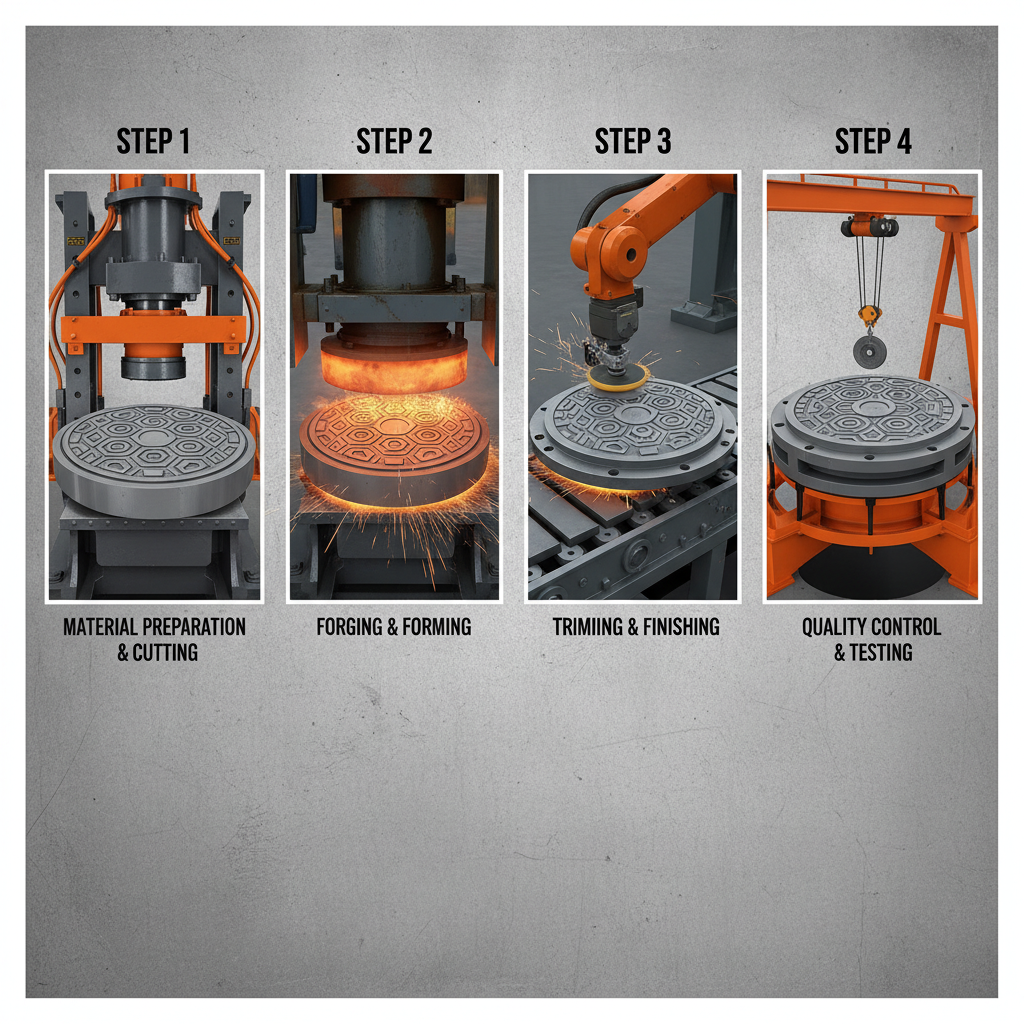
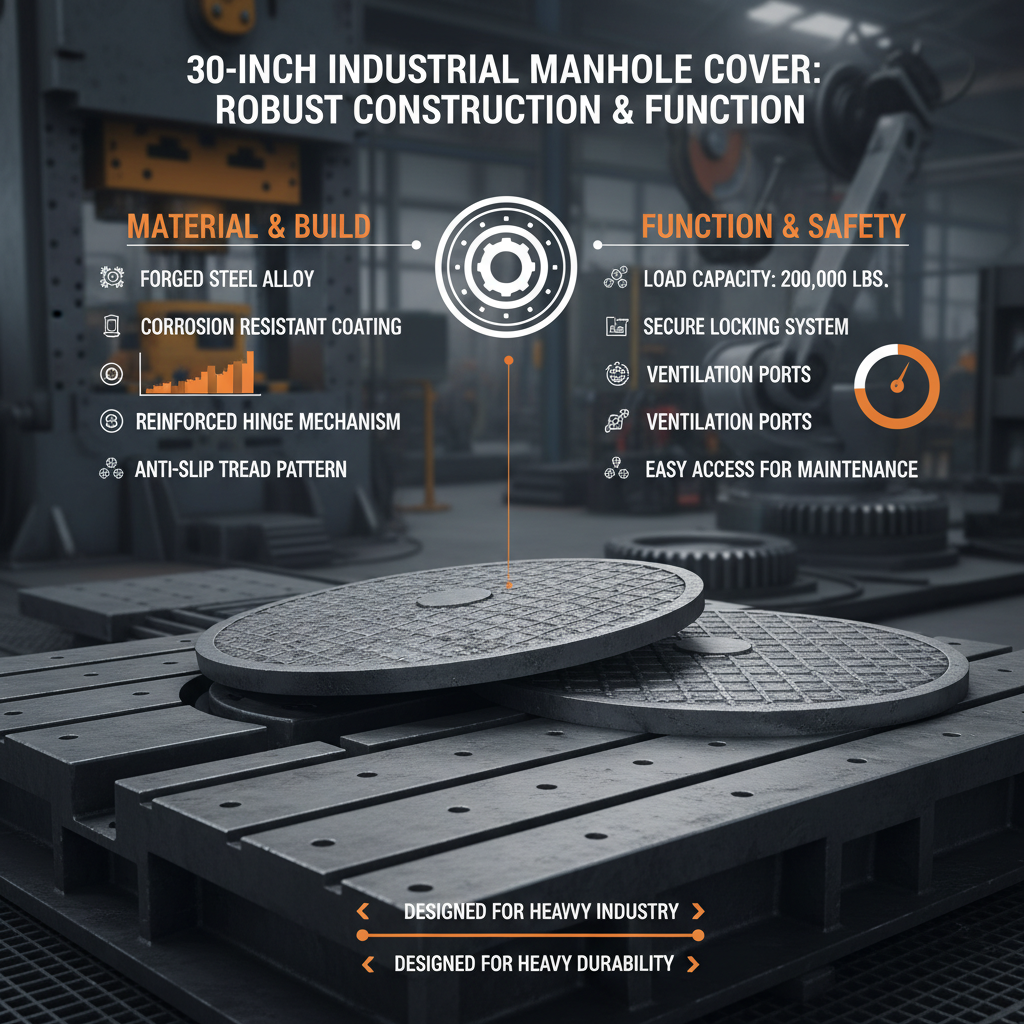
Durability is the primary metric for any 30 inch manhole cover. Most high-end versions are manufactured from ductile iron, which offers superior tensile strength and impact resistance compared to traditional grey iron. This ensures that the cover does not crack under the sudden shock of a heavy vehicle impact.
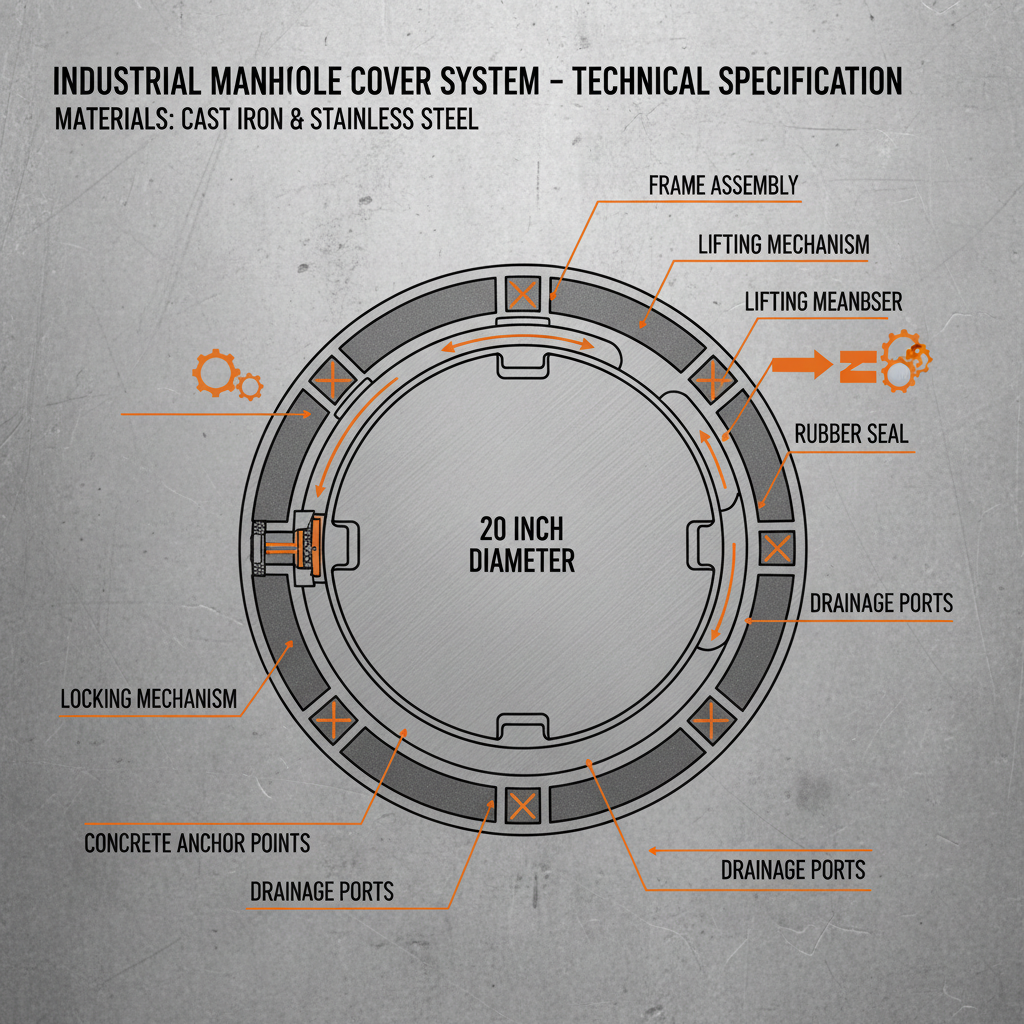
Precision fit and seal integrity are equally critical. A well-engineered 30 inch manhole cover features a machined seating surface that prevents "rocking"—the annoying and dangerous clattering sound caused by loose fits—while often incorporating gaskets to prevent surface water runoff from infiltrating the sewer system.
Cost efficiency is achieved through the balance of material longevity and installation speed. While the initial investment in a premium 30 inch manhole cover may be higher, the extended lifecycle and reduced need for frequent replacements provide a significantly lower total cost of ownership (TCO) for municipal budgets.
Global Applications and Use Cases
The application of the 30 inch manhole cover spans across diverse environments, from the dense urban centers of Tokyo and New York to remote industrial zones in mining regions. In metropolitan areas, they are essential for managing storm-water drainage and accessing fiber-optic telecommunication hubs, ensuring that the digital economy remains connected.
In industrial contexts, such as chemical plants or refineries, specialized corrosion-resistant 30 inch manhole cover units are used to prevent hazardous gases from escaping and to resist the caustic nature of industrial spills, maintaining a safe working environment for onsite personnel.
Performance Comparison of 30 Inch Manhole Cover Materials
Tangible Advantages and Long-Term Value
The primary advantage of deploying a standardized 30 inch manhole cover is the immediate enhancement of public safety. By eliminating gaps and ensuring a flush fit with the asphalt, these covers remove trip hazards for pedestrians and prevent vehicle tires from getting caught, which reduces city liability and insurance costs.
Beyond safety, there is a strong sustainability angle. Modern 30 inch manhole cover options are often made from recycled scrap metals, reducing the environmental footprint of urban expansion. The long-term reliability of these components means fewer replacements, less construction waste, and less disruption to city traffic over a 20-to-50-year period.
Future Trends and Material Innovations
The next generation of the 30 inch manhole cover is moving toward "Smart Covers." By integrating RFID tags and IoT sensors, city managers can now track when a cover has been opened, detect hazardous gas buildup beneath the street, or even monitor traffic flow, all without manually lifting the lid.
Material science is also evolving. We are seeing a rise in high-strength fiber-reinforced polymers (FRP) that provide the same load-bearing capacity as a 30 inch manhole cover made of iron but at a fraction of the weight. This not only makes installation easier but also eliminates the problem of metal theft, as composite materials have no scrap value.
Furthermore, the integration of green energy is appearing in the form of kinetic energy harvesters installed beneath the 30 inch manhole cover, which capture the pressure of passing cars to power low-energy street lighting or subterranean sensors, aligning urban infrastructure with global carbon-neutral goals.
Common Challenges and Engineering Solutions
One of the most persistent challenges is "cover rattle" and noise pollution in residential areas. The solution lies in the precision engineering of the 30 inch manhole cover's contact points. By utilizing stainless steel inserts or elastomeric seals, manufacturers can ensure a tight fit that absorbs vibration and eliminates the loud metallic clanging associated with heavy traffic.
Another significant issue is corrosion, particularly in coastal cities where salt spray accelerates the degradation of metal. To combat this, the 30 inch manhole cover is often treated with hot-dip galvanization or epoxy coatings, providing a sacrificial layer that protects the core metal from oxidation for decades.
Finally, the risk of unauthorized access is a security concern for utility providers. The industry has responded by developing lockable 30 inch manhole cover designs that require specialized keys, preventing vandalism and ensuring that only certified personnel can enter the subterranean network.
Technical Comparison of 30 Inch Manhole Cover Engineering Standards
| Material Grade |
Load Class |
Corrosion Resistance |
Lifespan (Est.) |
| Ductile Iron GJS-500 |
D400 (Heavy Duty) |
High (with coating) |
30-50 Years |
| Grey Cast Iron GG25 |
B125 (Light Duty) |
Moderate |
15-25 Years |
| Composite FRP |
C250 (Medium Duty) |
Very High |
20-40 Years |
| Galvanized Steel |
E600 (Extra Heavy) |
High |
25-35 Years |
| Stainless Steel 304 |
B125 (Specialized) |
Extreme |
50+ Years |
| Polymer Concrete |
A15 (Pedestrian) |
Moderate |
10-20 Years |
FAQS
The 30-inch size is optimized for human ergonomics. It is large enough to allow a technician in full PPE to enter and exit comfortably with equipment, but small enough to maintain the structural integrity of the surrounding road pavement, making it the most efficient balance for urban utilities.
Ductile iron contains magnesium, which creates nodular graphite, giving the material much higher flexibility and strength. Grey iron is more brittle; therefore, a ductile iron 30 inch manhole cover is far less likely to crack under the heavy, sudden loads of truck traffic.
Load classes (like A15, B125, D400) depend on where the cover is installed. For sidewalks, a light-duty class suffices. For main roads or industrial zones where heavy trucks pass, you must specify a D400 or E600 rated 30 inch manhole cover to ensure safety.
Yes, in many applications. Composite 30 inch manhole covers are corrosion-proof, lighter for installation, and theft-resistant. However, for extremely high-load areas like airport runways, high-grade ductile iron or steel remains the preferred choice for sheer strength.
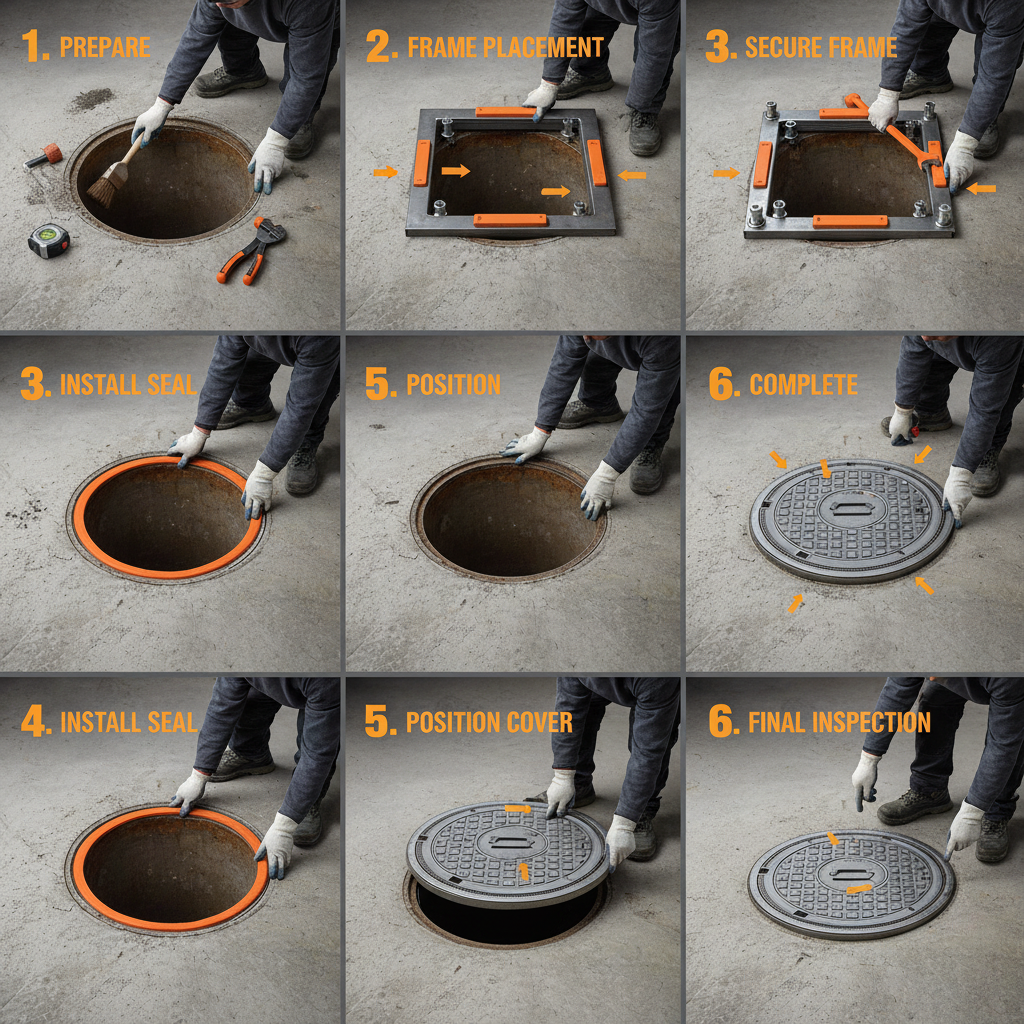
In high-traffic urban areas, a visual inspection every 12-24 months is recommended. Technicians look for "rocking," visible cracks, or excessive corrosion of the 30 inch manhole cover and its frame to prevent sudden failure.
Absolutely. Security-focused 30 inch manhole cover designs include bolted locks or specialized locking pins to prevent unauthorized entry and protect critical utility infrastructure from vandalism.
Conclusion
In summary, the 30 inch manhole cover is an indispensable element of modern urban infrastructure, bridging the gap between surface safety and subterranean utility management. By focusing on high-grade materials like ductile iron and adhering to international load standards, cities can ensure a safer, more durable, and more maintainable environment.
As we look toward the future, the integration of IoT sensors and sustainable composite materials will further transform these simple covers into intelligent nodes of city management. Investing in high-quality, standardized access solutions today is the only way to guarantee the resilience of our cities for the generations to come. Visit our website: www.hbyqmetal.com