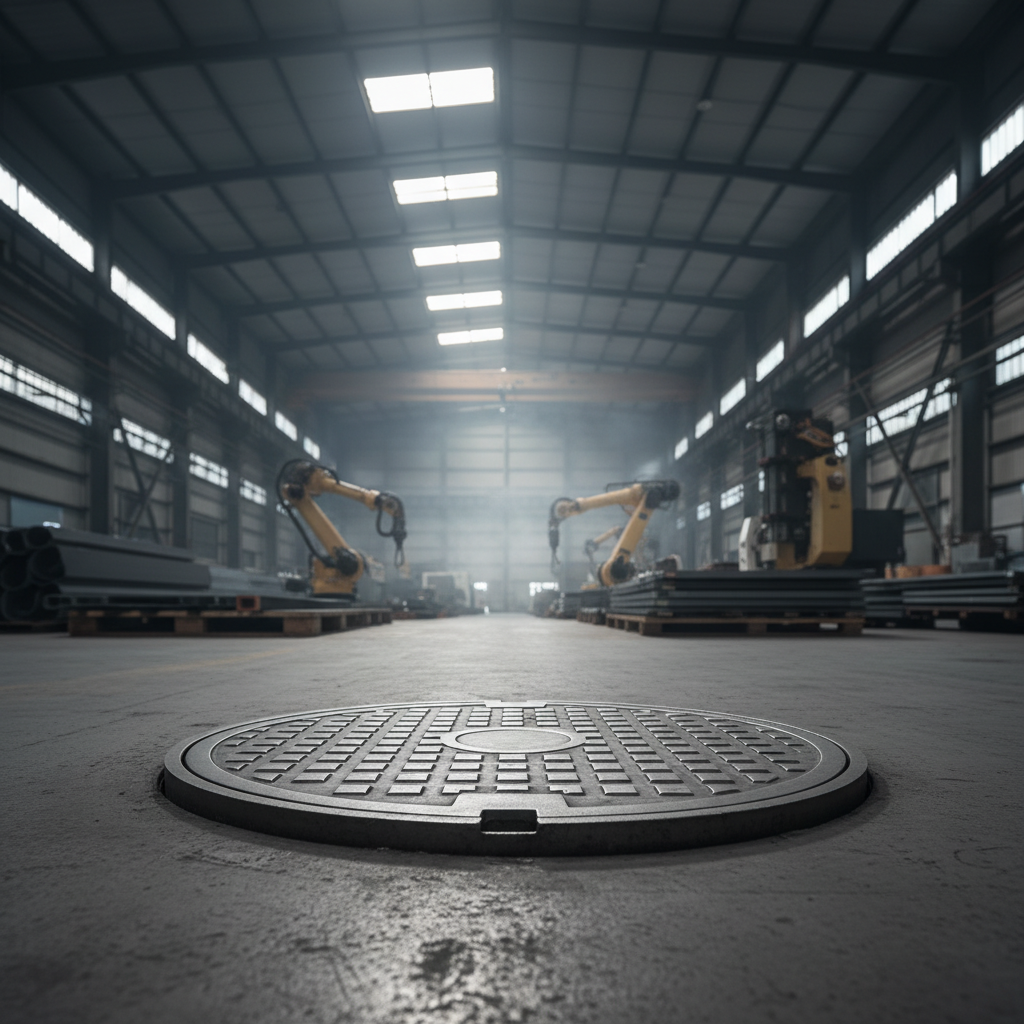
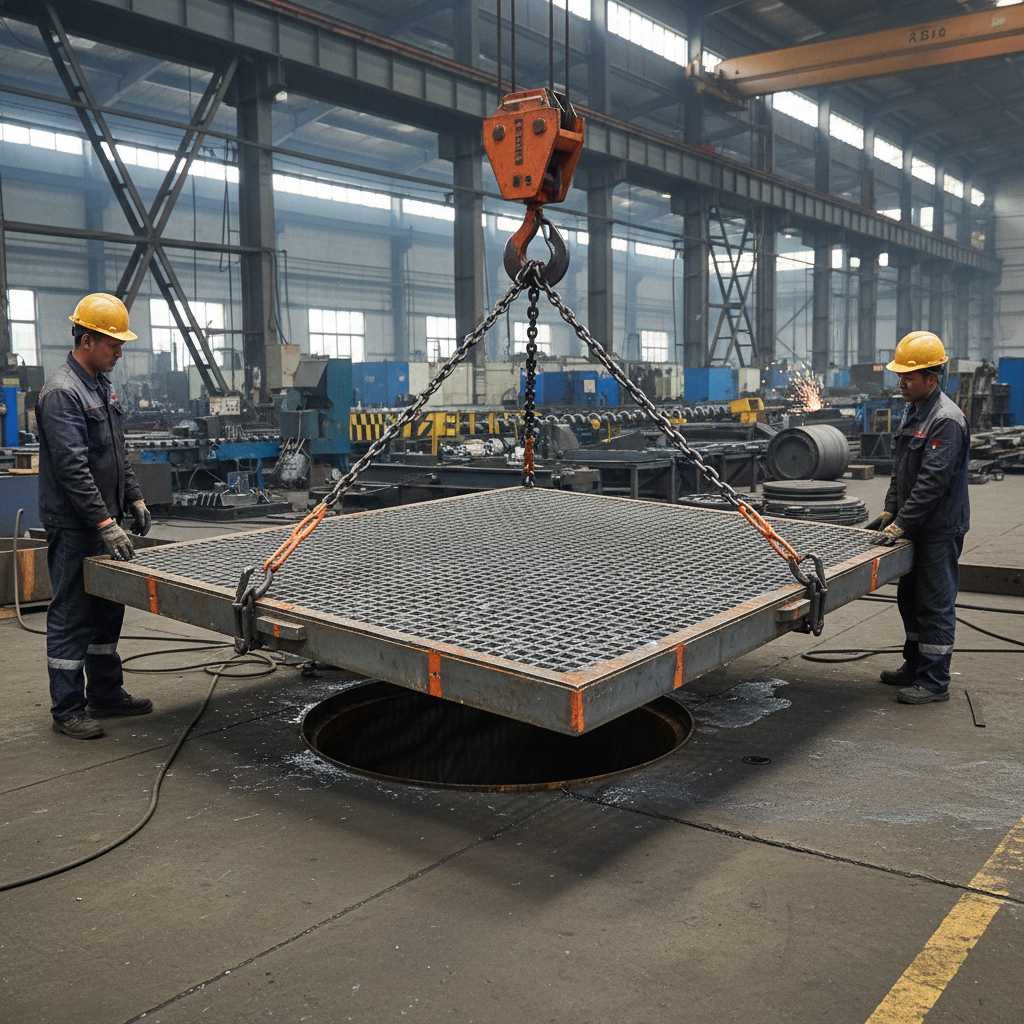
In the modern landscape of urban infrastructure, the integrity of subterranean access points is paramount for maintaining safety and operational efficiency. The double sealed recessed manhole cover represents a significant leap in engineering, blending aesthetic discretion with rigorous industrial protection. By allowing the surrounding pavement to be integrated into the cover, it eliminates visual clutter while providing a high-performance barrier against contaminants.
Globally, the demand for specialized access solutions has surged as cities implement "smart city" initiatives and more stringent environmental regulations. A double sealed recessed manhole cover addresses the critical need for airtight and watertight seals, preventing the infiltration of surface runoff and the escape of hazardous gases. This dual-seal mechanism is essential for protecting sensitive underground utilities, from fiber optic cables to high-voltage power lines.
Understanding the technical nuances of these systems is not merely a matter of procurement but a strategy for long-term asset management. By investing in a double sealed recessed manhole cover, facility managers and urban planners can significantly reduce maintenance costs, enhance pedestrian safety, and ensure that critical infrastructure remains resilient against the elements and heavy traffic loads.
Global Industry Context of Double Sealed Recessed Manhole Covers
The global construction and casting industry has witnessed a paradigm shift toward "invisible" infrastructure. The double sealed recessed manhole cover has emerged as a critical response to the increasing complexity of urban utility networks. According to international standards such as ISO and EN 124, the requirement for load-bearing capacity combined with environmental sealing has never been higher, as urban density increases the risk of groundwater contamination and utility failure.
Industry data suggests that traditional single-seal covers often fail within 5-7 years due to gasket degradation or shifting foundations, leading to costly emergency repairs. By employing a double-seal architecture, the double sealed recessed manhole cover creates a redundant layer of protection. This approach effectively mitigates the challenges posed by extreme weather patterns and the corrosive nature of industrial pollutants found in modern metropolitan runoff.
Defining the Technical Meaning of Double Sealed Recessed Manhole Covers
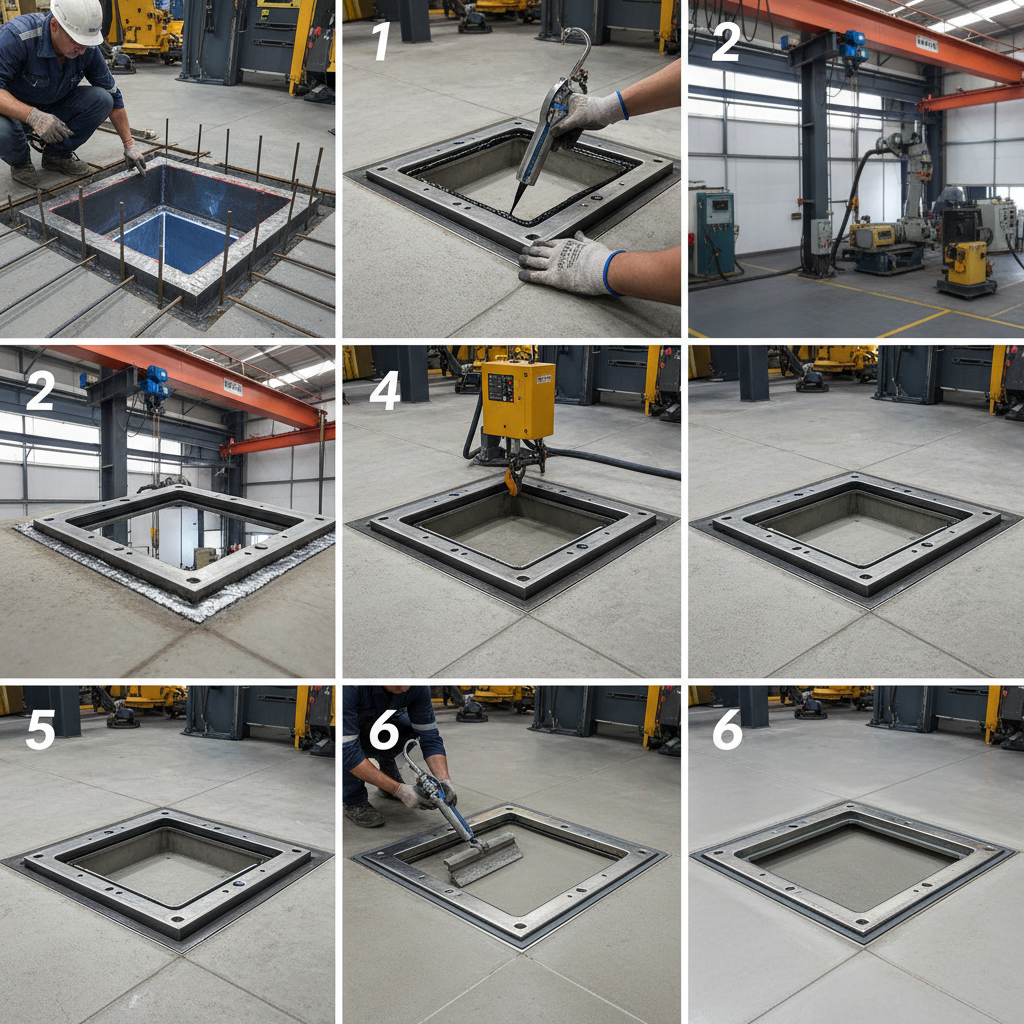
At its core, a double sealed recessed manhole cover is a specialized access hatch designed to be flush with the surrounding ground surface. The "recessed" aspect refers to the tray-like design of the cover, which allows contractors to infill the top with bricks, tiles, or asphalt, making the utility access virtually invisible to the casual observer. This is particularly vital in high-end architectural projects, heritage sites, and pedestrian plazas where aesthetic uniformity is non-negotiable.
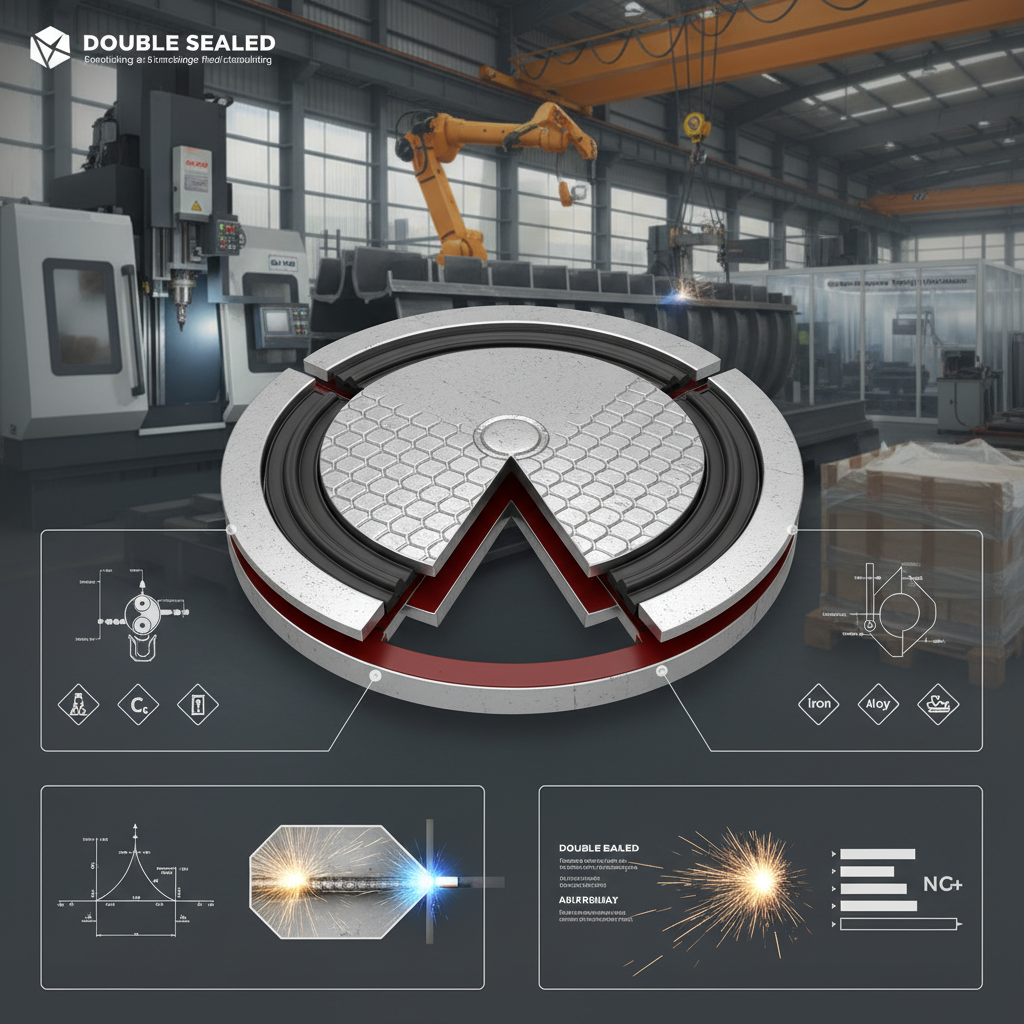
The "double sealed" terminology refers to the integration of two independent sealing interfaces—typically a primary compression gasket and a secondary perimeter seal. This configuration ensures that even if the first seal is compromised by debris or wear, the second layer prevents the ingress of water, silt, and odors. In a world where urban flooding is becoming more frequent, this technical redundancy is a humanitarian necessity to prevent sewer overflows into residential areas.
Connecting this to modern industry, these covers are no longer seen as simple cast-iron lids but as precision-engineered components. They bridge the gap between civil engineering and architectural design, ensuring that the functionality of the double sealed recessed manhole cover does not compromise the visual integrity of the environment, while simultaneously upholding the strictest safety and hygiene standards.
Core Components for Maximum Durability and Performance
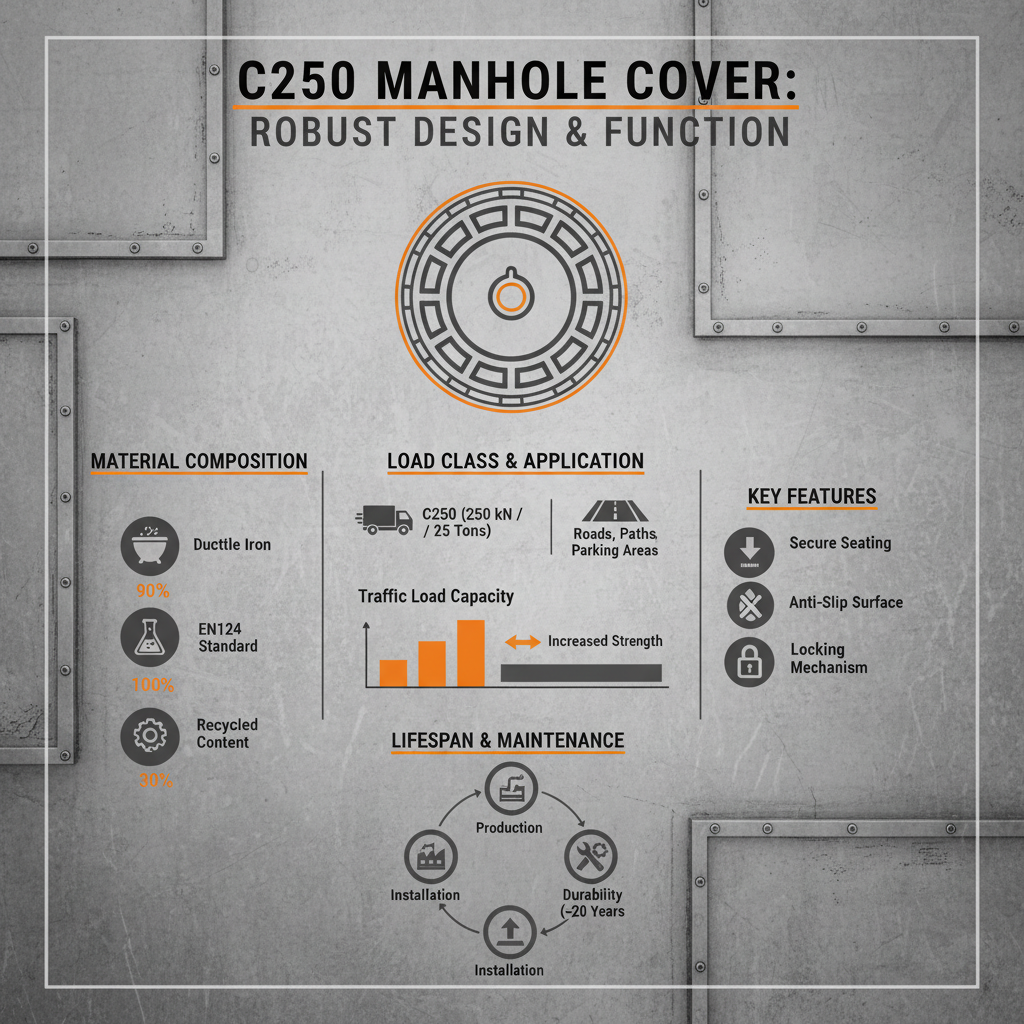
The structural integrity of a double sealed recessed manhole cover depends heavily on the quality of its base materials. High-grade ductile iron or reinforced stainless steel is typically used to provide the necessary tensile strength and load-bearing capacity. This ensures that the cover can withstand heavy vehicular traffic without warping, which would otherwise jeopardize the seal's effectiveness.
Precision-engineered elastomeric gaskets are the heart of the double sealed recessed manhole cover. These seals are often made from EPDM or Nitrile rubber, chosen for their resistance to UV radiation, temperature fluctuations, and chemical erosion. The dual-layer arrangement creates a vacuum-like seal that is essential for preventing the leakage of methane or other volatile organic compounds from the sewer system.
Finally, the recessed tray must be designed with optimal drainage and support ribs to prevent the infill material from cracking under pressure. A well-constructed double sealed recessed manhole cover incorporates a locking mechanism that applies uniform downward pressure across the gaskets, ensuring that the seal remains tight regardless of the load applied to the surface.
Comparative Performance Analysis of Sealing Methods
When evaluating different access solutions, the performance of the sealing mechanism is the primary metric for success. Traditional covers rely on a simple overlap, which offers negligible protection against liquids. In contrast, the double sealed recessed manhole cover utilizes compression technology to create a physical barrier that is nearly impervious to the elements.
Comparing these methods reveals a stark difference in lifespan and risk mitigation. While a standard cover may require frequent cleaning and gasket replacement, the redundant systems in a double-sealed unit distribute the wear more evenly, significantly extending the interval between maintenance cycles. This efficiency makes the double sealed recessed manhole cover the superior choice for critical infrastructure.
Performance Efficiency of Different Manhole Cover Sealing Methods
Global Applications and Real-World Use Cases
The versatility of the double sealed recessed manhole cover makes it an ideal choice across various sectors. In Europe's historic city centers, where cobblestone streets must be preserved, these covers are used to hide utility access without disrupting the ancient aesthetic. Similarly, in the high-tech industrial parks of East Asia, they provide the necessary airtightness for chemical processing plants where volatile gases must be strictly contained.
Beyond urban centers, in remote industrial zones or post-disaster relief operations, the reliability of a double sealed recessed manhole cover ensures that temporary utility networks are not contaminated by floodwaters or debris. This makes them a preferred specification for NGOs and international development agencies when building sustainable water and sanitation (WASH) infrastructure in developing regions.
Long-Term Value and Strategic Advantages
Investing in a double sealed recessed manhole cover offers tangible financial and social benefits. From a logical perspective, the reduction in infiltration and exfiltration rates leads to lower pumping costs in wastewater systems and prevents the erosion of the surrounding roadbed, which typically causes potholes. This extends the lifespan of the entire pavement section, providing a higher return on investment for municipal budgets.
From an emotional and social angle, these covers enhance public safety and dignity. A secure, flush-fitting cover eliminates tripping hazards for pedestrians and prevents the escape of foul odors that can plague urban residential areas. When a city invests in high-quality double sealed recessed manhole cover systems, it signals a commitment to innovation, cleanliness, and the well-being of its citizens.
Furthermore, the sustainability aspect cannot be overlooked. By preventing groundwater contamination and reducing the need for frequent replacements, the double sealed recessed manhole cover contributes to a circular economy. The use of recyclable ductile iron and long-lasting polymers ensures that the environmental footprint of the infrastructure is minimized over its multi-decade lifecycle.
Future Innovations in Manhole Sealing Technology
The evolution of the double sealed recessed manhole cover is now being driven by the digital transformation of cities. We are seeing the integration of IoT sensors within the cover assembly, allowing for real-time monitoring of gas levels or water infiltration. These "smart covers" can alert municipal authorities the moment a seal is compromised, shifting maintenance from a reactive to a predictive model.
Material science is also playing a pivotal role. The next generation of double sealed recessed manhole cover designs are experimenting with composite materials that offer the strength of steel but with significantly lower weight and total corrosion resistance. These materials, combined with self-healing polymers for the seals, promise to virtually eliminate the need for manual seal replacements.
As green energy becomes the standard, these covers are also being adapted for hydrogen infrastructure and electric vehicle (EV) charging grids underground. The requirement for absolute containment of hydrogen gas makes the dual-seal architecture not just an advantage, but a mandatory safety requirement. The future of the double sealed recessed manhole cover is one of total integration, safety, and environmental harmony.
Comparative Analysis of Future-Ready Manhole Cover Specifications
| Technology Tier |
Sealing Efficiency |
Maintenance Cycle |
Cost-to-Value Ratio |
| Standard Cast Iron |
Low (3/10) |
2-3 Years |
Low |
| Single Sealed Recessed |
Medium (6/10) |
5 Years |
Moderate |
| Double Sealed Recessed |
High (9/10) |
10-12 Years |
High |
| Composite Double Sealed |
Very High (9.5/10) |
15+ Years |
Very High |
| IoT Smart Double Sealed |
Maximum (10/10) |
Predictive |
Strategic |
| Self-Healing Sealed |
Maximum (10/10) |
20+ Years |
Premium |
FAQS
The superiority lies in the redundant sealing mechanism and the aesthetic integration. While standard covers only offer a physical lid, the double sealed recessed manhole cover provides two layers of airtight/watertight protection, preventing odors and leaks. Additionally, the recessed design allows for the installation of surface materials, making the cover invisible and reducing tripping hazards.
The first seal acts as the primary barrier, deflecting the majority of water. If water pressure increases or debris creates a small gap, the secondary seal provides a backup fail-safe. This dual-compression system is specifically engineered to maintain a seal even under the hydrostatic pressure common during urban flooding events, ensuring subterranean utilities remain dry.
Yes, provided the correct load class is selected (e.g., D400 or E600). These covers are manufactured from high-strength ductile iron or reinforced steel to handle heavy vehicular loads. The recessed tray is reinforced with internal ribs to ensure that the infill material (like asphalt) does not collapse, while the seals remain compressed and effective under the weight of traffic.
The seals are typically made from high-performance elastomers such as EPDM (Ethylene Propylene Diene Monomer) or Nitrile rubber. These materials are chosen for their exceptional resilience, resistance to extreme temperature fluctuations, and ability to resist chemical degradation from sewage or industrial runoff, ensuring the double sealed recessed manhole cover remains effective for years.
Depending on the environment and traffic load, seals typically last between 10 to 15 years. Because of the double-seal design, the wear is distributed, and the system remains functional even if one seal begins to age. Regular inspections every 3-5 years are recommended to ensure the gaskets are clean and properly compressed.
On the contrary, the recessed design often makes maintenance more streamlined. Once the cover is lifted, the recessed tray prevents debris from falling into the manhole during the opening process. Because the seals are integrated into the frame and cover, cleaning simply involves removing silt from the sealing channels to ensure a tight fit upon closing.
Conclusion
The implementation of the double sealed recessed manhole cover is a strategic investment in urban resilience. By combining superior sealing technology with architectural discretion, these covers solve the dual challenge of infrastructure protection and aesthetic preservation. From reducing maintenance costs to enhancing public safety and preventing environmental contamination, the long-term value of this engineering solution far outweighs the initial procurement cost.
Looking forward, as cities evolve into smarter, greener hubs, the role of precision-engineered access solutions will only grow. We recommend that urban planners and facility managers transition toward double-sealed systems to future-proof their assets against climate change and urban expansion. For those seeking the highest standards in casting and sealing technology, we invite you to explore our professional solutions. Visit our website: www.hbyqmetal.com