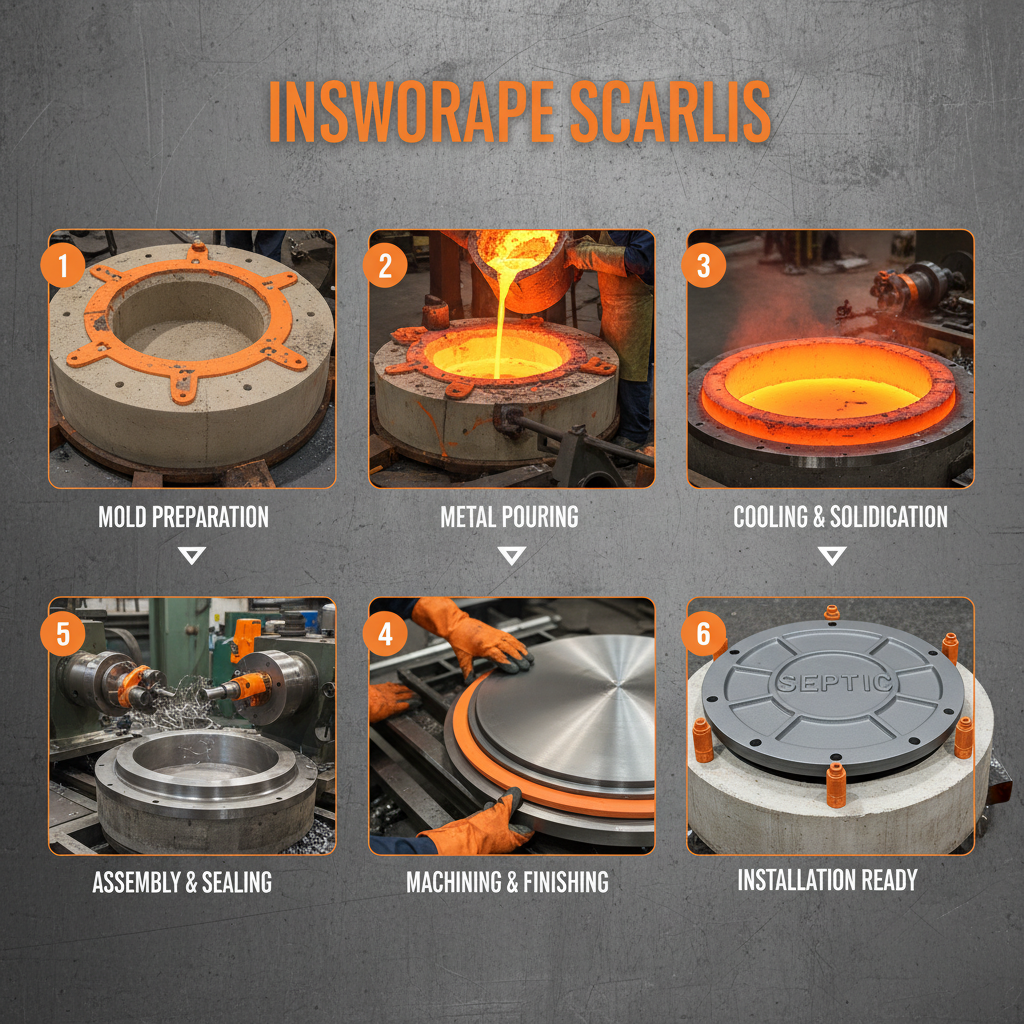
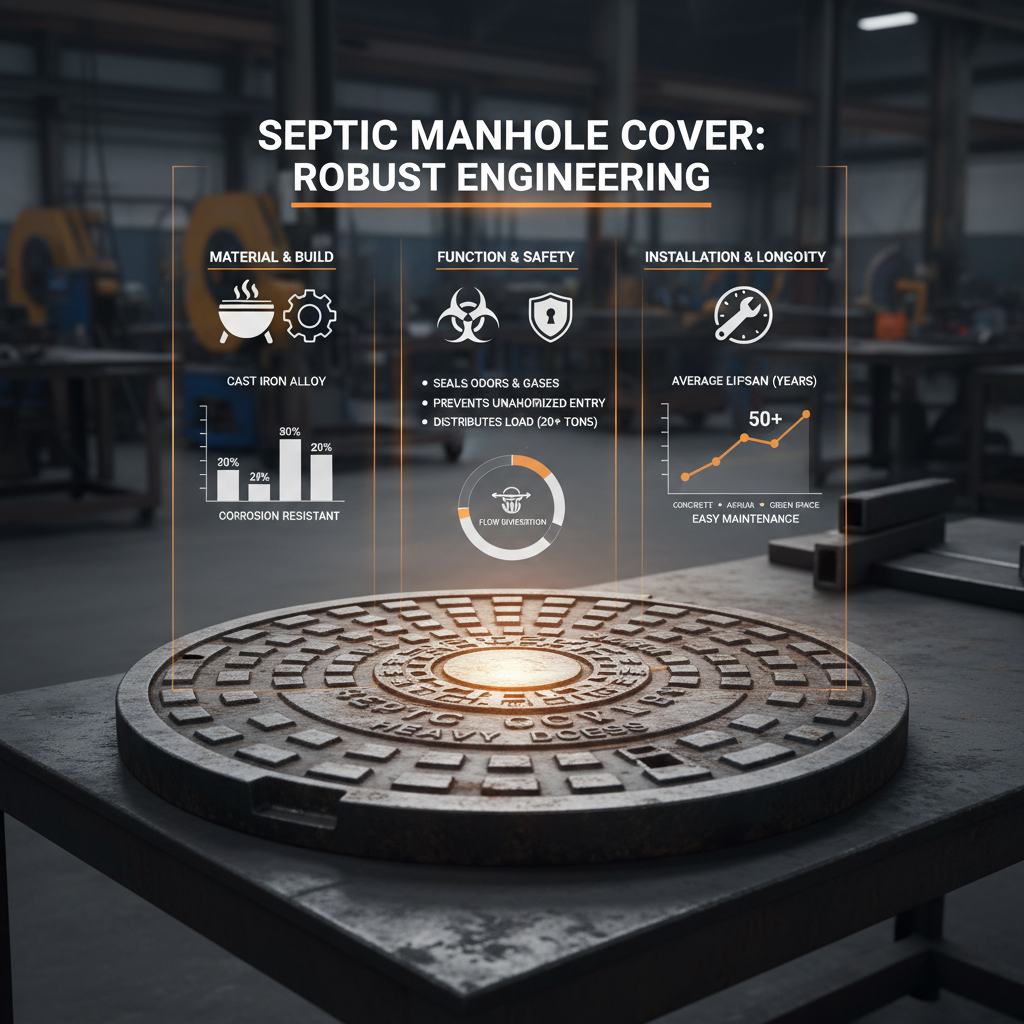
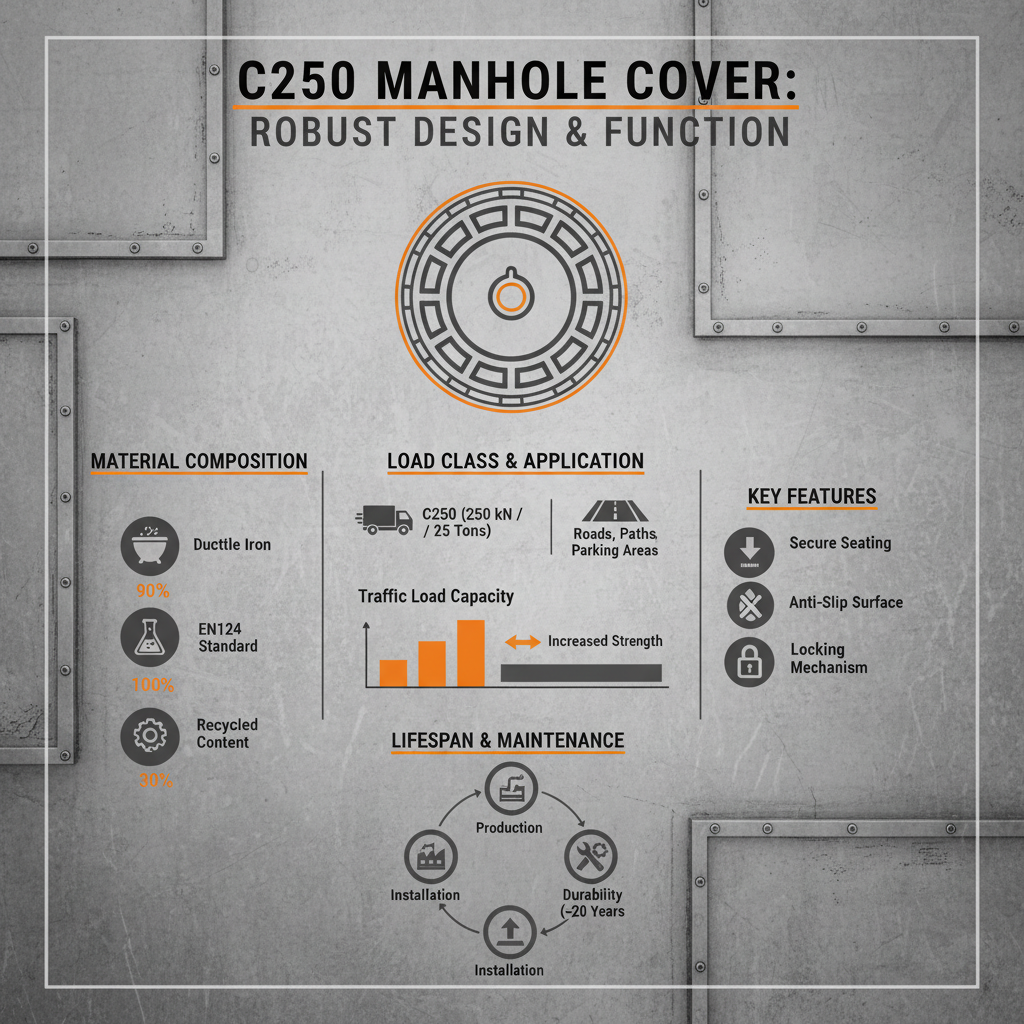
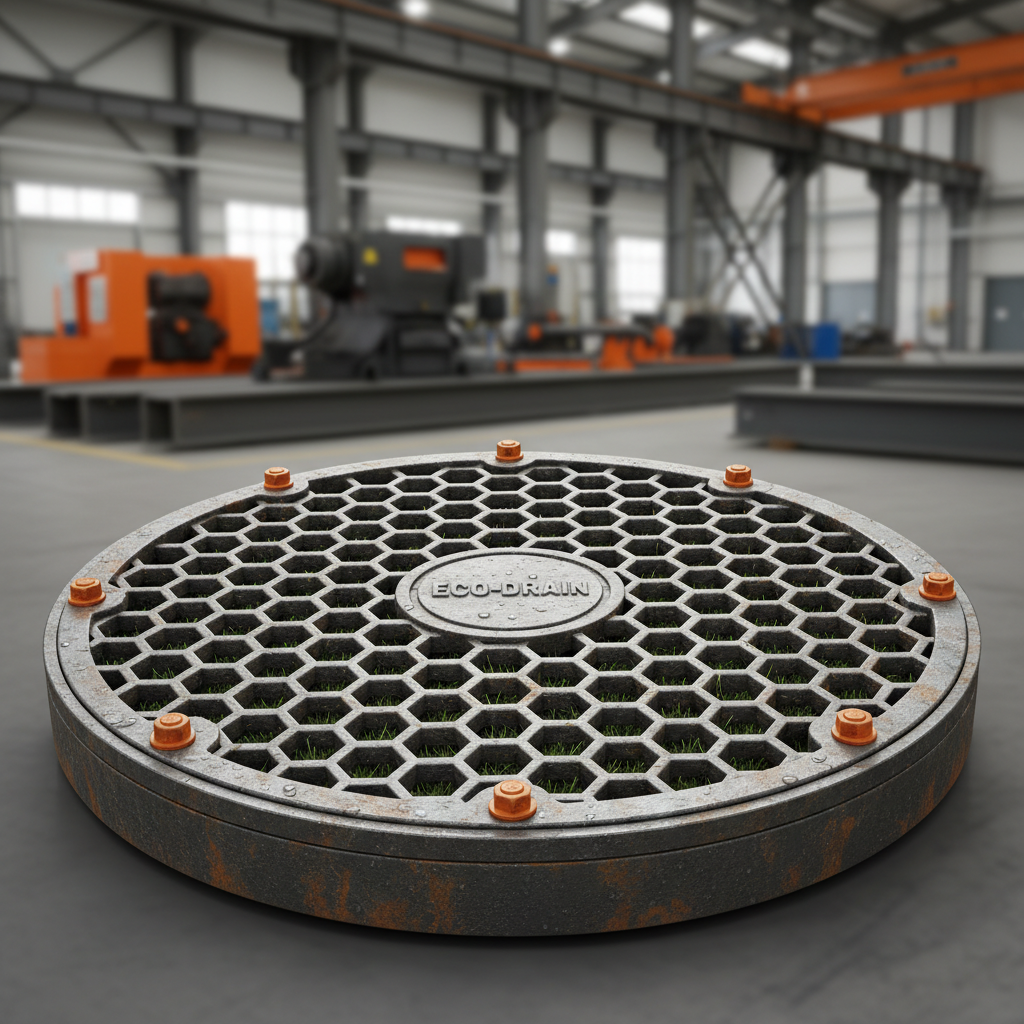
Septic manhole cover systems are crucial components of wastewater management infrastructure, playing a vital role in public health and environmental protection globally. These covers, often overlooked, ensure safe access to underground septic systems for maintenance and inspection while preventing hazards like falls and the release of harmful gases. Their design and material selection are increasingly influenced by durability requirements, safety standards, and evolving environmental concerns, making them a significant focus for municipalities and infrastructure developers worldwide.
The global need for robust and reliable septic systems is escalating due to population growth, urbanization, and the increasing strain on centralized wastewater treatment facilities. This demand directly impacts the septic manhole cover market, driving innovation in materials, designs, and security features. From developing nations grappling with sanitation challenges to established municipalities needing infrastructure upgrades, the need for dependable septic manhole cover solutions is paramount.
Understanding the nuances of septic manhole cover technology – from material science to installation best practices – is essential for anyone involved in infrastructure planning, maintenance, or public works. Investing in high-quality covers reduces long-term maintenance costs, enhances public safety, and contributes to a sustainable wastewater management system.
The Importance of Septic Manhole Cover Systems
Effective septic systems are foundational to public sanitation, and septic manhole covers are the critical interface between maintenance access and environmental protection. Their primary function extends beyond simply covering an opening; they safeguard workers, prevent contamination, and ensure the long-term integrity of the entire wastewater management infrastructure.
Without properly designed and maintained septic manhole covers, systems are vulnerable to unauthorized access, accidental falls, and the release of hazardous gases like methane and hydrogen sulfide. Investing in durable, secure, and appropriately weighted covers is therefore not merely a cost, but a vital investment in public safety and environmental responsibility.
Defining Septic Manhole Cover
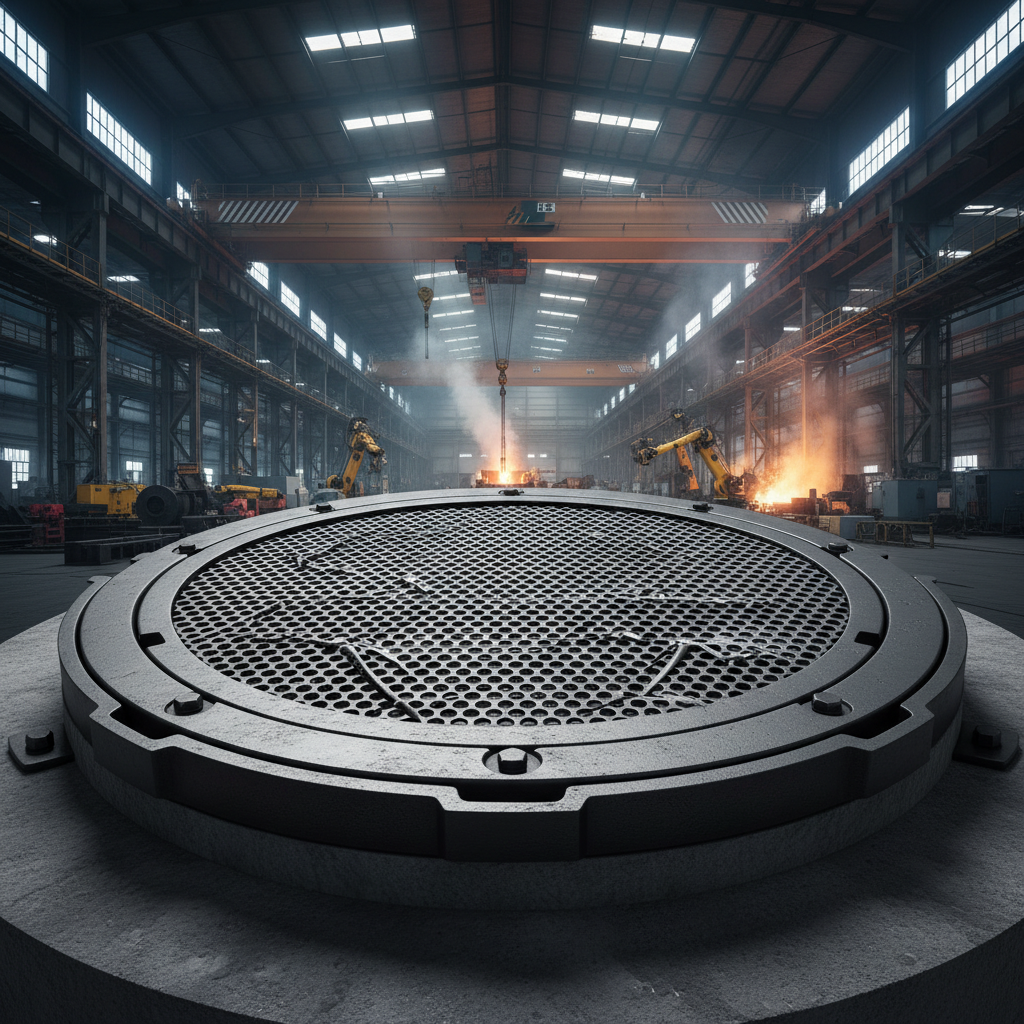
A septic manhole cover is a removable lid designed to seal access points to underground septic tanks or components of a septic system. These covers provide a secure barrier, preventing unauthorized entry, protecting against physical damage, and mitigating the release of odors and potentially harmful gases. They are typically constructed from materials engineered to withstand significant loads, corrosion, and harsh environmental conditions.
In the context of modern wastewater management, the definition extends beyond simple containment. Today’s septic manhole covers often incorporate features like locking mechanisms, reflective surfaces for nighttime visibility, and designs that facilitate efficient lifting and replacement for maintenance personnel.
The role of the septic manhole cover is directly connected to modern humanitarian needs. Access to safe sanitation is a fundamental human right. Reliable septic systems, secured by robust covers, are crucial for preventing the spread of disease and improving public health, especially in underserved communities and developing nations.
Core Components and Material Science
The performance of a septic manhole cover relies heavily on its material composition. Common materials include ductile iron, concrete, and fiber-reinforced polymers (FRP). Ductile iron offers exceptional strength and durability, making it suitable for high-traffic areas. Concrete provides a cost-effective solution, though it may be susceptible to cracking and corrosion over time. FRP composites are lightweight, corrosion-resistant, and offer excellent load-bearing capacity.
Beyond the primary material, key components include the cover itself, a frame that provides structural support and a sealing surface, and often, a locking mechanism. The frame must be precisely fitted to the manhole opening to ensure a watertight seal. Locking mechanisms vary from simple bolt-down systems to sophisticated keyed or tamper-proof designs, depending on the security requirements.
Material science continues to drive innovation. Research into advanced polymers and composite materials is focused on enhancing strength-to-weight ratios, improving corrosion resistance, and reducing the overall lifecycle cost of septic manhole covers. Nanomaterials are also being explored for their potential to enhance the durability and performance of cover materials.
Key Performance Indicators of Septic Manhole Covers
Evaluating the performance of septic manhole covers requires considering several key indicators. Load-bearing capacity is paramount, with covers needing to withstand both static and dynamic loads from vehicular traffic and pedestrian activity. Corrosion resistance is another crucial factor, particularly in environments with high salinity or exposure to corrosive chemicals.
Security, measured by the effectiveness of locking mechanisms and resistance to tampering, is also a critical KPI. Finally, ease of maintenance and replacement plays a role, as covers must be readily accessible for inspection and repairs.
Septic Manhole Cover Performance Comparison
Global Applications and Industry Standards
Septic manhole covers are deployed in a diverse range of applications worldwide. In residential areas, they provide access to individual septic tanks for pumping and maintenance. In commercial and industrial settings, they are used in larger-scale wastewater treatment systems, serving multiple buildings or facilities. In post-disaster relief operations, rapidly deployable septic systems secured with durable covers are crucial for preventing the spread of disease and maintaining sanitation in emergency situations.
Globally, industry standards like those established by ASTM International, EN 124, and ISO 10628 provide guidelines for the design, testing, and performance of septic manhole covers. These standards address issues like load capacity, corrosion resistance, and safety features. Compliance with these standards ensures a consistent level of quality and reliability.
Different regions may have unique requirements based on local environmental conditions and regulatory frameworks. For example, coastal areas may prioritize corrosion-resistant materials due to exposure to saltwater, while colder climates may require covers designed to withstand freeze-thaw cycles.
Advantages and Long-Term Value Proposition
Investing in high-quality septic manhole covers offers numerous advantages. From a cost perspective, durable covers require less frequent replacement, reducing long-term maintenance expenses. Environmentally, secure covers prevent contamination of soil and groundwater, protecting valuable resources. Socially, they enhance public safety by preventing accidents and ensuring the reliable operation of wastewater treatment systems.
The long-term value extends beyond these tangible benefits. Reliable septic systems contribute to a positive community image and enhance property values. They also demonstrate a commitment to environmental stewardship and responsible infrastructure management, fostering trust and confidence among residents and stakeholders.
Future Trends and Innovations in Septic Manhole Cover Technology
The future of septic manhole cover technology is focused on smart solutions and sustainable materials. Integration of sensors and IoT (Internet of Things) devices allows for remote monitoring of cover status, detecting tampering or structural issues. This proactive approach enables preventative maintenance and reduces the risk of system failures.
Research into bio-based and recycled materials is driving the development of more environmentally friendly cover options. Furthermore, advancements in manufacturing processes are leading to lighter, stronger, and more cost-effective designs. Digital twins—virtual representations of physical septic systems including the manhole covers—are also emerging as tools for predictive maintenance and optimized system management.
Policy changes and increased government funding for infrastructure upgrades are also anticipated to accelerate the adoption of innovative septic manhole cover technologies, particularly in developing nations where sanitation infrastructure is often lacking.
FAQS
A properly maintained ductile iron septic manhole cover can have a lifespan exceeding 50 years, even in harsh environments. Its inherent strength and corrosion resistance contribute to its longevity. Regular inspections are essential to identify and address any potential issues, such as localized corrosion or damage from heavy loads. Consistent preventative maintenance will maximize its service life.
Yes, modern FRP septic manhole covers are engineered to withstand significant loads, making them suitable for areas with heavy traffic. High-quality FRP composites offer excellent strength-to-weight ratios and can be designed to meet or exceed industry standards for load capacity. However, it’s crucial to verify the specific load rating of the cover before installation to ensure it aligns with anticipated traffic conditions.
Theft prevention is a critical concern. Installing locking mechanisms is the most effective deterrent. Options range from simple bolt-down systems to keyed locks and tamper-proof designs. Using covers made from materials with scrap value—like ductile iron—can increase the risk of theft, so consider FRP alternatives or adding security features like GPS tracking devices embedded within the cover.
Several factors influence material selection. Load-bearing capacity, corrosion resistance, cost, and weight are all important. Ductile iron is strong and durable, but heavy. Concrete is cost-effective but prone to cracking. FRP is lightweight and corrosion-resistant, but can be more expensive upfront. The specific environment, traffic levels, and budget constraints should all be considered.
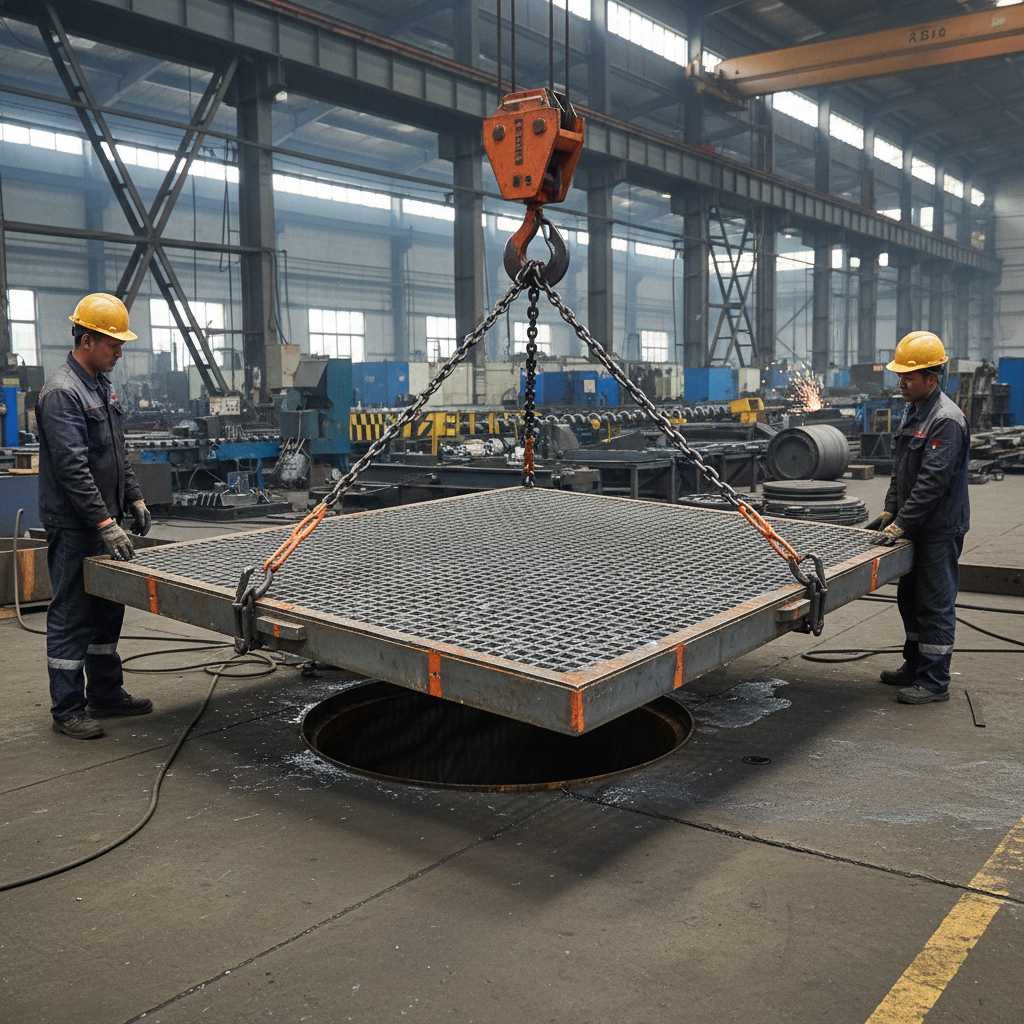
Septic manhole covers can be extremely heavy. Always use proper lifting equipment, such as a hand winch or mechanical lift. Wear appropriate personal protective equipment (PPE), including gloves, safety glasses, and steel-toed boots. Never attempt to lift a cover alone. Ensure the surrounding area is clear of obstacles and personnel before lifting.
Yes, there's a growing trend towards sustainable materials. FRP covers made from recycled plastics or bio-based resins are increasingly available. These alternatives reduce reliance on virgin materials and minimize environmental impact. Choosing covers with extended lifespans and lower maintenance requirements also contributes to sustainability by reducing resource consumption over the long term.
Conclusion
Septic manhole covers are far more than simple access points; they are fundamental components of a resilient and sustainable wastewater management infrastructure. Their design, material selection, and installation directly impact public health, environmental protection, and long-term cost-effectiveness. Understanding the key performance indicators, industry standards, and emerging technologies related to these systems is vital for infrastructure professionals, municipalities, and anyone committed to responsible sanitation practices.
Looking ahead, continued innovation in materials, smart technologies, and policy frameworks will be essential to address the evolving challenges of wastewater management. By embracing these advancements and prioritizing quality and sustainability, we can ensure that septic systems—and the crucial covers that protect them—continue to serve communities effectively for generations to come. Visit our website at septic manhole cover to learn more about our product offerings and expertise.