Introduction
When urban planners and municipal engineers evaluate the durability of public infrastructure, the selection of street furniture manufacturers often becomes a critical pivot point for long-term project viability. The challenge lies not just in the aesthetic appeal of benches or waste bins, but in the metallurgical integrity of the components that must withstand constant environmental exposure and high-frequency public use. For infrastructure focused on longevity, the transition from standard cast iron to high-grade ductile iron has redefined expectations for safety and maintenance intervals in modern cityscapes.
This shift in material science directly impacts the lifecycle costs of public assets. By integrating advanced casting techniques, manufacturers can produce elements that offer a superior strength-to-weight ratio, reducing the risk of structural failure under unexpected loads. Whether it is the installation of park facilities or the implementation of heavy-duty gully grates and manhole covers, the synergy between precise casting and protective coatings determines how well a city's "hidden" and "visible" metalwork resists corrosion and mechanical wear over several decades.
Navigating the complexities of procurement requires a deep understanding of international standards and material specifications. From the load-bearing requirements of EN124 to the corrosion resistance of galvanized steel, the technical nuances can be overwhelming for buyers. This guide analyzes the critical factors in selecting street furniture manufacturers, focusing on the intersection of ductile iron technology and urban utility requirements to ensure a balance of functionality and endurance.

The Metallurgical Basis of Urban Metalwork

At the core of reliable street furniture is the material's ability to withstand tensile and compressive stress. While traditional grey iron was common, modern manufacturers have pivoted toward Ductile Iron (such as GGG500-7), which undergoes a specialized treatment before casting to transform graphite flakes into nodules. This structural change drastically increases impact resistance and prevents the brittle fractures often seen in older urban installations, making it the gold standard for high-traffic zones.
Beyond the raw material, the integration of galvanized steel and specific coatings ensures that components like steel gratings and park facilities remain functional in saline or humid environments. The process involves creating a chemical bond between the metal and its protective layer, effectively sealing the surface against oxidation. This metallurgical approach ensures that the equipment does not just look professional upon installation but maintains its structural integrity for decades without frequent replacement.
Critical Parameters for Infrastructure Durability
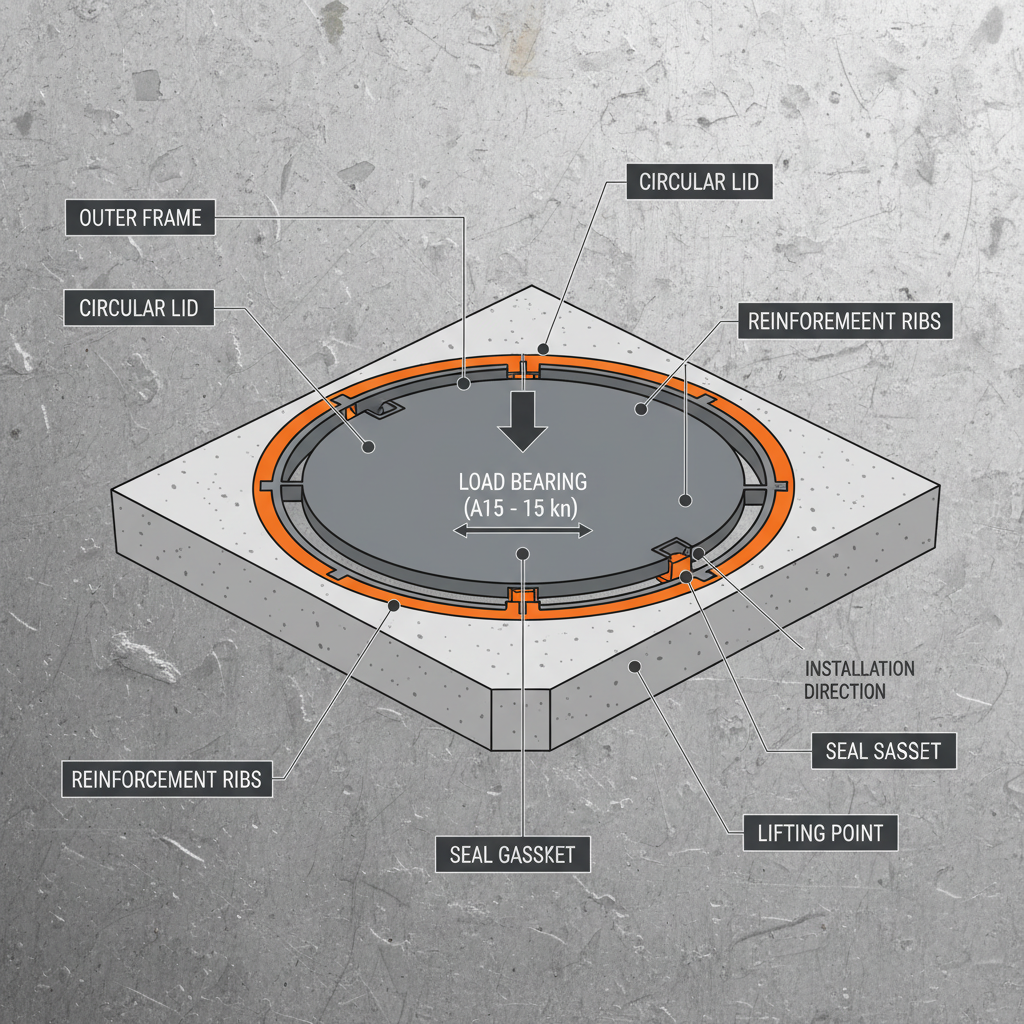
Determining the success of an installation begins with strict adherence to load-bearing specifications. For instance, in areas where fire trucks or heavy lorries operate, utilizing products certified under EN124 Class C250 to F900 is non-negotiable. These classifications define the maximum load a gully grate or manhole cover can sustain without permanent deformation, ensuring that underground utility access remains safe and accessible regardless of surface traffic volume.
The most critical factor in urban metalwork is the synergy between material grade (e.g., Ductile Iron GGG500-7) and loading capacity; choosing a C250 rated cover for a heavy-duty carriageway is a failure of specification that leads to premature structural collapse.
Furthermore, the mechanical design—such as the use of hinge connections for gully grates—adds a layer of operational efficiency. Hinged systems not only simplify the opening process for maintenance crews but also incorporate anti-theft functions that protect municipal assets. When combined with precise external dimensions (e.g., Ø812mm for standard covers), these parameters ensure that the hardware fits perfectly within existing frames, eliminating gaps that could cause vehicle instability or pedestrian accidents.
Quantifying Value Through Material Lifecycle
When evaluating the total cost of ownership, the initial purchase price of street furniture is often misleading. A lower-cost grey iron component may require replacement every 5-10 years due to cracking, whereas a ductile iron alternative, despite a higher upfront cost, can last 25 years or more. This lifecycle value is driven by the material's inherent ductility, which allows it to absorb energy from impacts without fracturing.
The efficiency of the product is also measured by its maintenance requirements. Galvanized steel gratings and ductile iron covers are designed for minimal intervention; they do not require frequent painting or chemical treatments to prevent rust. For municipal budgets, this means a significant reduction in labor costs and a decrease in the frequency of road closures for infrastructure repairs, thereby improving the overall urban workflow.
Relative Lifecycle Durability by Material (Years)
Strategic Application in Public Spaces
The application of cast iron and steel products varies significantly depending on the environment. In pedestrian-heavy park facilities, the focus shifts toward a blend of durability and aesthetics, where benches and fitness stations must resist weathering while remaining safe for all ages. In contrast, industrial settings and carriageways demand maximum load-bearing capacity, prioritizing the technical specifications of gully grates and manhole steps to prevent structural failure under heavy vehicle pressure.
Strategic placement also involves considering drainage efficiency. Ductile iron gutter covers are preferred in high-bearing areas not only for their strength but for their superior drainage effect, which prevents water pooling on roads. By selecting the correct cover diameter and clear opening (such as Ø600mm), engineers can optimize the flow of stormwater into the sewer system, reducing the risk of urban flooding during peak rainfall events.
Technological Shifts in Casting Processes
The evolution of casting technology has allowed manufacturers to achieve tighter tolerances and more complex geometries. Modern state-of-the-art facilities utilize precision machinery to ensure that every manhole cover and valve fitting meets stringent quality criteria. This precision is vital for components like pipe fittings and repair clamps, where a fraction of a millimeter in variance can lead to leaks or system failures under high pressure.
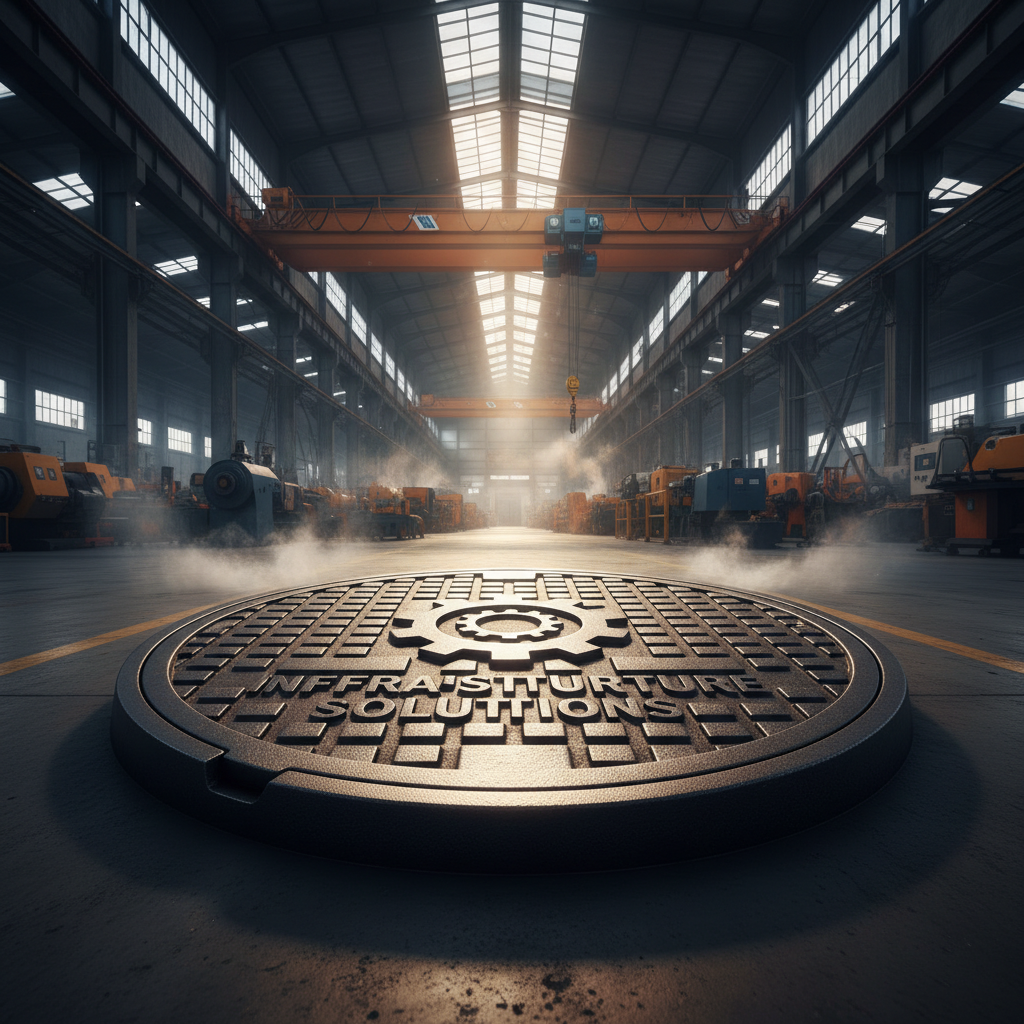
Current trends are moving toward the integration of customized features, such as embossed logos or specialized anti-slip patterns on surface boxes. These enhancements do not compromise the structural integrity but improve the visibility and safety of the infrastructure. The ability to customize these elements allows cities to maintain a consistent brand identity across their public works while ensuring the hardware meets the functional requirements of the local environment.
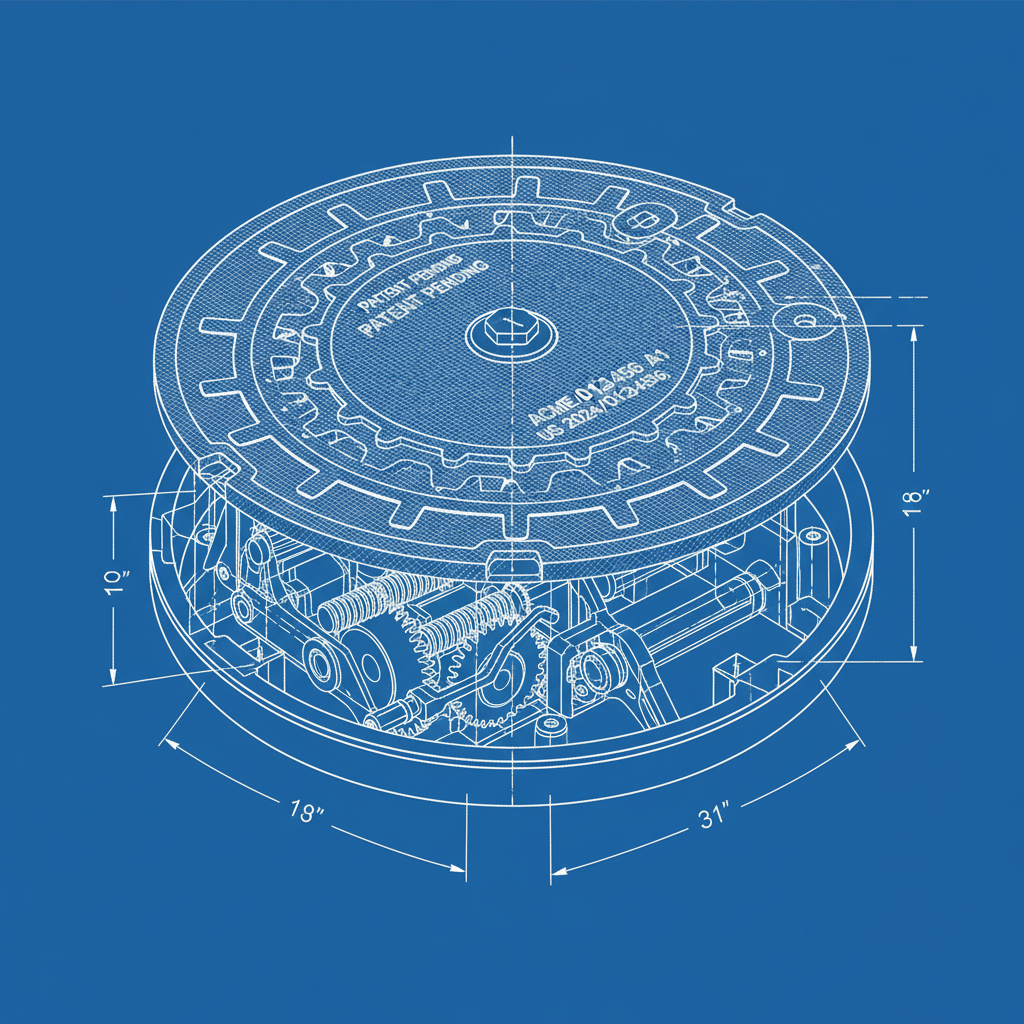
Looking ahead, the industry is likely to see a greater emphasis on the weight-to-strength ratio. By optimizing the internal structure of cast products, manufacturers can reduce the total weight of the unit—making installation easier—without sacrificing the loading capacity. This evolution is particularly beneficial for manhole steps and gully grates, where lighter units reduce the physical strain on installation teams while maintaining EN124 compliance.
Overcoming Procurement and Installation Risks
One of the primary challenges in procuring urban metalwork is the risk of "specification drift," where the delivered product does not match the environmental demands. For example, installing a Class B125 cover in a zone where fire trucks (requiring D400 or higher) frequently pass can lead to catastrophic failure. Buyers must verify that the manufacturer follows European Standards strictly and provides documented proof of loading capacity tests.
Installation risks also include poor seating of the cover within the frame, which causes "rocking" and accelerates the wear of the metal. Professional installation involves ensuring the frame is perfectly leveled and the cover fits snugly. For gully grates, the use of hinge connections helps maintain alignment and prevents the loss of the cover, reducing the risk of pedestrian injury and the cost of replacing stolen or displaced units.
Finally, the choice of supplier must be based on their ability to provide a comprehensive product ecosystem. A manufacturer that can supply everything from manhole covers and valves to park facilities ensures consistency in material quality and streamlines the procurement process. This holistic approach reduces the risk of incompatibility between different components of the urban fluid and surface systems.
Material Selection and Application Guide
| Material Type | Load Capacity | Primary Use Case | Maintenance Need |
|---|---|---|---|
| Grey Cast Iron | Low to Medium | Pedestrian Walkways | High (Brittle) |
| Ductile Iron | High (C250-F900) | Carriageways/Roads | Low (Durable) |
| Galvanized Steel | Medium to High | Industrial Gratings | Medium (Coating) |
| Stainless Steel | Medium | Chemical Environments | Very Low |
| Composite/Polymer | Variable | Light Utility Access | Low |
| Alloy Steel | Extreme | Heavy Industrial | Medium |
Frequently Asked Questions
The primary difference is the graphite structure; ductile iron features graphite nodules rather than flakes, which provides significantly higher tensile strength and impact resistance. While grey iron is prone to brittle fractures under heavy loads, ductile iron can deform slightly without breaking, making it essential for high-traffic urban areas and heavy-duty manhole covers.
The class is determined by the expected traffic load: A15 is for pedestrian areas, B125 for footways and car parks, C250 for gully grates in carriageways, and D400 to F900 for heavy-duty roads and airport aprons. You must assess the heaviest vehicle likely to cross the area—such as a fire truck—and select the class that exceeds that weight requirement.
EN124 is the international benchmark for gully tops and manhole tops, ensuring that products are tested for load-bearing capacity, durability, and safety. Adhering to this standard guarantees that the product will perform predictably under specified stresses, reducing the risk of collapse and ensuring legal compliance for municipal infrastructure projects.
Hot-dip galvanization is the most effective prevention method, as it creates a metallurgical bond between the zinc and the steel. This layer acts as a sacrificial anode, protecting the underlying steel from oxidation even if the surface is scratched. For extreme environments, additional epoxy coatings may be applied to further enhance chemical resistance.
Yes, most professional manufacturers can cast custom logos, patterns, or text directly into the ductile iron. For security, anti-theft locking mechanisms and hinge connections can be integrated into the design, ensuring that only authorized personnel can access underground utilities while preventing the unauthorized removal of the covers.
Key warning signs include visible cracking in the metal, excessive "rocking" or noise when vehicles pass over a cover, and severe oxidation that has compromised the thickness of the material. In ductile iron, while fractures are rare, any significant deformation or loss of the seal between the cover and frame indicates a failure of the load-bearing capacity.
Conclusion
The longevity of urban infrastructure depends on a rigorous approach to material selection and technical specification. By prioritizing ductile iron and galvanized steel over cheaper, brittle alternatives, municipalities can ensure that their public spaces remain safe and functional with minimal maintenance. The intersection of EN124 compliance, high-grade metallurgical casting, and strategic load-class application forms the foundation of a resilient city.
Selecting the right partner in this process means finding a manufacturer that understands the balance between structural necessity and operational efficiency. For those seeking robust, certified solutions for manhole covers, gully grates, or park facilities, exploring a comprehensive product range can streamline procurement and ensure long-term performance. You can find detailed specifications and professional guidance at https://www.hbyqmetal.com to support your next infrastructure project.