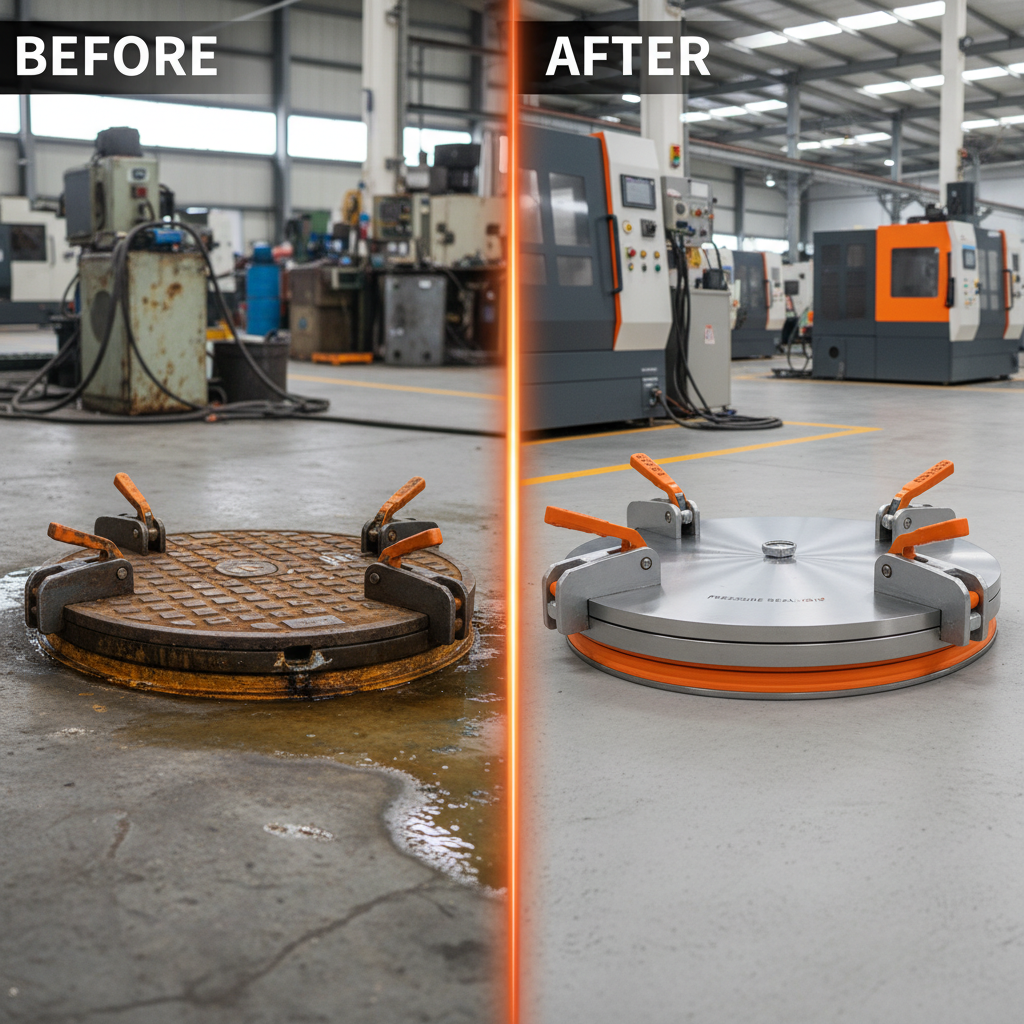
A china water meter box is a specialized protective enclosure designed to house water meters, ensuring they are shielded from environmental hazards, physical damage, and unauthorized tampering. These boxes are critical infrastructure components in urban water management, providing a secure access point for utility readings while protecting the sensitive measuring equipment from extreme temperatures and moisture.
For municipal engineers and property developers, selecting the right enclosure is a balance between material durability and installation efficiency. Poorly protected meters often lead to inaccurate readings due to frost damage or corrosion, resulting in significant revenue loss for water providers and billing disputes for consumers. The industry is moving toward higher-grade materials that resist oxidation and heavy load pressures.
This comprehensive guide analyzes the technical specifications, material selection criteria, and deployment strategies for water meter boxes. By examining the relationship between structural integrity and operational longevity, readers will understand how to optimize their procurement process to ensure long-term infrastructure stability and reduced maintenance overhead.

1Foundations of Water Meter Protection

The primary function of a china water meter box is to create a controlled environment for the water meter, which is the critical point of measurement between the utility supplier and the end user. Without a robust enclosure, meters are exposed to soil pressure, road vibrations, and hydraulic shocks. In many regions, the box must also act as a thermal buffer to prevent the meter from freezing during winter, which would otherwise cause the internal mechanism to crack.
From a structural perspective, these boxes must support varying load-bearing capacities depending on their placement. A box located in a residential garden requires less strength than one installed under a driveway or a main road, where it must withstand the weight of heavy vehicles without collapsing or shifting.
Furthermore, the design must allow for easy accessibility. Utility workers require a clear opening to read the meter or replace it without needing extensive excavation. This necessitates a lid design that is secure enough to prevent unauthorized access but accessible enough for authorized personnel using standard tools.
2Core Technical Specifications and Materials
The choice of material for a china water meter box determines its lifespan and performance. Common materials include high-density polyethylene (HDPE), cast iron, and reinforced concrete. Cast iron is preferred for high-traffic areas due to its immense compressive strength, while HDPE is favored for its complete immunity to corrosion and chemical attacks from the soil.
Standard specifications usually include dimensions that accommodate a variety of meter sizes (e.g., DN15 to DN50) and include tolerances for the piping connections. The thickness of the walls is a key indicator of the load class, with heavy-duty versions featuring reinforced ribs to distribute pressure across the base of the box.
Additionally, the sealing mechanism of the lid is crucial. High-quality enclosures utilize gaskets or overlapping lips to prevent the ingress of surface runoff, silt, and debris, which can accumulate inside the box and make meter reading difficult or lead to premature wear of the meter's glass face.
3Application Scenarios in Urban Infrastructure
In high-density urban environments, china water meter box deployment is often constrained by space. Compact designs are utilized in sidewalk installations, where the box must integrate seamlessly with paving stones. In these scenarios, the focus is on maintaining a flush surface to prevent tripping hazards while ensuring the interior remains dry and accessible.
Industrial applications present a different set of challenges. Factories and commercial complexes often utilize larger meter clusters. Here, the boxes are frequently larger, multi-compartment structures that house several meters and valves in one location, requiring a design that manages heat dissipation and provides ample room for pipe manifolds.
Residential zoning typically employs standardized, lightweight boxes. The primary goal here is cost-effectiveness and rapid installation. However, the trend is shifting toward "smart-ready" boxes that can accommodate wireless transmitters or IoT sensors, allowing utilities to read meters remotely without manually opening the lid.
4Performance Metrics and Efficiency Analysis
Evaluating the efficiency of a water meter enclosure involves measuring its impact on the lifespan of the meter. Data indicates that meters housed in high-quality, sealed enclosures experience a 30% lower failure rate compared to those in open or poorly sealed pits, primarily due to the reduction in moisture-induced corrosion of the meter housing.
Installation efficiency is another critical metric. The time required to set a box into the ground, secure the piping, and finish the surface affects the overall project timeline. Modular boxes that snap into place or feature pre-drilled mounting points significantly reduce labor hours per unit during large-scale municipal rollouts.
china water meter box Performance Metrics
Furthermore, the thermal insulation properties of the material play a role in operational continuity. In colder climates, the use of insulated polymer boxes reduces the frequency of pipe bursts and meter freeze-ups, ensuring a steady flow of revenue and service for the water authority throughout the winter season.
5Procurement and Selection Guidelines
When procuring china water meter box units, buyers must first define the load class based on the installation site. For pedestrian areas, a light-duty rating is sufficient; however, for areas subject to vehicle traffic, a load rating of Class B or C (according to EN 124 standards) is mandatory to avoid catastrophic failure and road subsidence.
Compatibility is the second pillar of selection. The internal dimensions must be verified against the specific meter model and the surrounding pipe fittings. A box that is too tight makes installation difficult and restricts airflow, while a box that is too large allows for excessive debris accumulation.
Finally, procurement teams should evaluate the supplier's quality control process. Verification of impact tests and load-bearing certifications ensures that the product will not deform under pressure. Hebei Yongqian Trading Co.,Ltd provides a range of durable fittings and enclosures tailored to these specific engineering requirements.
6Innovation Trends in Utility Enclosures
The most significant trend in the industry is the integration of Smart City technology. Modern china water meter box designs now incorporate signal-transparent lids, allowing RF or LoRaWAN signals from smart meters to pass through without attenuation. This eliminates the need for technicians to manually open the box for monthly readings.
Material science is also evolving, with the introduction of composite polymers that combine the strength of cast iron with the corrosion resistance of plastic. These hybrids are lighter to transport and install but offer the structural rigidity required for medium-load environments.
Sustainability is another driving force. Manufacturers are increasingly using recycled post-consumer plastics for non-load-bearing components, reducing the carbon footprint of infrastructure projects while maintaining the necessary functional performance of the enclosure.
7Comparative Analysis of Enclosure Types
Selecting the optimal enclosure requires a direct comparison of material strengths, costs, and specific use cases. While cast iron remains the gold standard for strength, the total cost of ownership—including installation and long-term maintenance—often favors polymer solutions in residential settings.
The following table provides a decision matrix based on the most common material choices used in modern water distribution networks.
| Material | Load Capacity | Corrosion Resistance | Best Use Case |
|---|---|---|---|
| Cast Iron | Very High | Low/Medium | Main Roads/Parking |
| HDPE Plastic | Medium | Excellent | Residential Gardens |
| Galvanized Steel | High | Medium | Industrial Zones |
| Composite | High | High | Mixed Urban Areas |
| Reinforced Concrete | Very High | Medium | Heavy Utility Hubs |
| Aluminum | Medium | High | Light Commercial |
Ultimately, the decision should be driven by the site-specific risk profile. In highly corrosive saline soils, the high initial cost of composite or HDPE materials is offset by the avoidance of frequent replacements required for metallic enclosures.
Frequently Asked Questions
Conclusion
The china water meter box is an indispensable component of sustainable water infrastructure. By shielding critical measurement devices from environmental stress and mechanical load, these enclosures ensure the reliability of water billing and the longevity of the distribution network. The shift toward composite materials and smart-integrated designs reflects the industry's commitment to efficiency and digitalization.
For organizations seeking to optimize their infrastructure, focusing on material compatibility and correct load-class selection is the most effective way to reduce long-term operational risks. Professional guidance and quality-certified products can be found through industry experts; interested parties can explore suitable technical solutions at www.hbyqmetal.com.