
Regional Analysis
The Landscape of Utility Infrastructure in Slovakia
Evaluating the intersection of industrial growth and urban maintenance requirements.
Slovakia's infrastructure market is characterized by a blend of legacy Soviet-era utility grids and rapid modern expansion in cities like Bratislava and Košice. The region's heavy reliance on automotive manufacturing and industrial metallurgy creates a unique demand for high-load capacity access solutions. Environmental conditions, particularly the frost-thaw cycles of the Carpathian foothills, necessitate materials that can withstand extreme thermal stress without compromising the seal of underground sewer and water systems.
Current market trends indicate a shift toward "smart" and highly specialized access components. There is an increasing demand for septic tank manhole cover options that offer better odor control and tighter seals to meet stricter EU environmental regulations. Furthermore, urban planners are prioritizing materials that reduce noise pollution—meaning a move away from loose-fitting cast iron toward precision-machined, dampened systems that improve the quality of life in densely populated residential areas.
The primary opportunity lies in the comprehensive upgrading of municipal grids. As Slovakia integrates more deeply with European logistics networks, the load requirements for road-integrated manholes are increasing. The constraint remains the balance between initial procurement costs and long-term maintenance expenses. The outlook favors suppliers who can provide certified, durable, and customizable solutions that reduce the frequency of emergency replacements, effectively lowering the total cost of ownership for city councils.
Industry Journey
Evolution of Metal Casting for Urban Access
From basic iron lids to high-performance engineered utility systems.
Early Phase
Traditional Cast Iron
Infrastructure relied on heavy, brittle grey iron covers. While strong, they were prone to cracking under sudden impact and lacked standardization in sizing.
Adoption Phase
Ductile Iron Transition
The introduction of spheroidal graphite iron provided higher tensile strength and ductility, allowing for thinner, lighter, yet stronger covers.
Current Phase
Precision Engineering
Focus has shifted to CNC machining, advanced anti-corrosion coatings, and the use of specialized tools for safer operational maintenance.
Material Science Integration
The industry is moving toward hybrid alloys that combine the compressive strength of iron with the corrosion resistance of specialized polymers, ensuring covers remain functional in highly acidic sewer environments.
Standardization & Interoperability
Cross-border infrastructure projects in Europe are driving the need for universal sizing, ensuring that a cover produced in one region fits perfectly into frames installed in another, reducing downtime.
Safety-First Design
Modern designs now prioritize the operator, incorporating integrated lifting points and anti-slip surface textures to prevent accidents during both installation and daily urban use.
Future Outlook
Key Trends Shaping the Casting Industry
Analyzing the technological and operational shifts impacting utility access.
Eco-Friendly Foundry Processes
Shift toward low-emission smelting and recycled scrap metal usage to meet European Green Deal targets without sacrificing material density or strength.
Enhanced Load-Bearing Specs
Introduction of the 30 manhole cover and similar heavy-duty specs to accommodate the rise of autonomous heavy electric freight vehicles.
Modular Design Flexibility
Moving toward interchangeable frames and covers that allow municipalities to upgrade load classes without excavating the entire surrounding pavement.
Integrated Security Locking
Increasing demand for anti-theft and secure-lock mechanisms to prevent unauthorized access to critical water and electrical grids in public spaces.
The overarching trend is a move toward "lifecycle value" rather than "initial cost." Industrial buyers in Slovakia are increasingly auditing the total expenditure associated with a product, including installation time, frequency of replacement, and the cost of associated tools. This shift favors high-precision cast iron products that offer an airtight fit, as they drastically reduce the long-term labor costs associated with noise complaints and structural failure repairs.
Furthermore, the digitization of infrastructure management is influencing product design. We are seeing a push for covers that can easily accommodate sensors for leak detection or gas monitoring. By designing frames with integrated channels for cabling and sensor mounts, the casting industry is evolving from providing simple "lids" to providing "access portals" for the smart cities of the future.
Practical Applications
Deploying Casting Solutions Across Slovakia
Real-world implementation scenarios tailored to regional environmental and operational needs.
01
Bratislava Urban Center: High-Traffic Pedestrian Zones
In densely populated city centers, the primary problem is noise and tripping hazards caused by loose covers. By implementing precision-machined ductile iron covers with dampened seals, the city can eliminate the "clanking" sound of traffic, ensuring a smoother ride for vehicles and a safer walking surface for tourists and residents.
02
Košice Industrial Hub: Heavy Logistics Terminals
Logistics parks experience constant pressure from 40-ton trucks. Traditional covers often warp or crack under these loads. Deploying reinforced, heavy-duty cast iron lids with a high-strength ribbing pattern ensures that the infrastructure can handle extreme dynamic loads without deformation, preventing costly road closures.
03
Tatra Mountain Region: High-Altitude Drainage Systems
Extreme cold and rapid freeze-thaw cycles lead to material brittleness. By using specialized ductile alloys that maintain flexibility at sub-zero temperatures and applying thick bitumen coatings, drainage covers in mountainous regions avoid the common issue of frost-induced cracking and seepage.
04
Rural Agricultural Areas: Septic & Waste Management
In rural Slovakian villages, septic systems are exposed to soil acidity and agricultural runoff. Installing dedicated septic tank manhole cover solutions with airtight gaskets prevents the escape of hazardous gases and protects the underground tank from contamination by surface runoff.
05
Municipal Utility Grids: Rapid Maintenance Access
City maintenance crews often struggle with rusted or stuck lids. By pairing our covers with a dedicated manhole cover puller and using anti-seize coatings on the frames, municipalities can reduce the time required for emergency repairs from hours to minutes, improving overall grid resilience.
Operator Perspectives
Representative Deployment Contexts
Illustrative scenarios demonstrating the impact of high-grade casting on infrastructure management.
In high-traffic urban environments, the transition to precision-machined ductile iron has significantly reduced noise complaints from residents. The stability of the covers under heavy bus traffic prevents the common issue of frame shifting, which previously required monthly adjustments.
For industrial site management, the priority is load capacity and corrosion resistance. Using reinforced cast iron solutions in chemical storage areas has eliminated the need for frequent replacements caused by acidic seepage, effectively lowering the annual maintenance budget.
The use of specialized lifting tools has fundamentally changed our safety protocol. By avoiding manual prying and using engineered pullers, our teams can access underground valves faster and with zero risk of hand injuries or frame damage.
Our Legacy
Hebei Yongqian Trading Co., Ltd
A pioneering force in the manufacturing of industrial cast iron components.
Foundation
Industry Pioneering
Established as a dedicated manufacturer and distributor of cast iron manhole covers, valves, and pipe fittings, focusing on the core principles of quality and innovation to serve global infrastructure needs.
Growth
Facility Optimization
Invested in a state-of-the-art manufacturing facility equipped with cutting-edge machinery. This enabled precise control over the production process, ensuring every product meets stringent quality criteria.
Expansion
Diversification of Offerings
Expanded the product lineup to include comprehensive park facilities and specialized fluid system components, including gate and ball valves, providing a one-stop solution for public and industrial spaces.
Current
Customer-Centric Excellence
Now operating as a trusted global partner, prioritizing personalized solutions, professional guidance, and a reliable delivery network to support complex projects regardless of size or location.
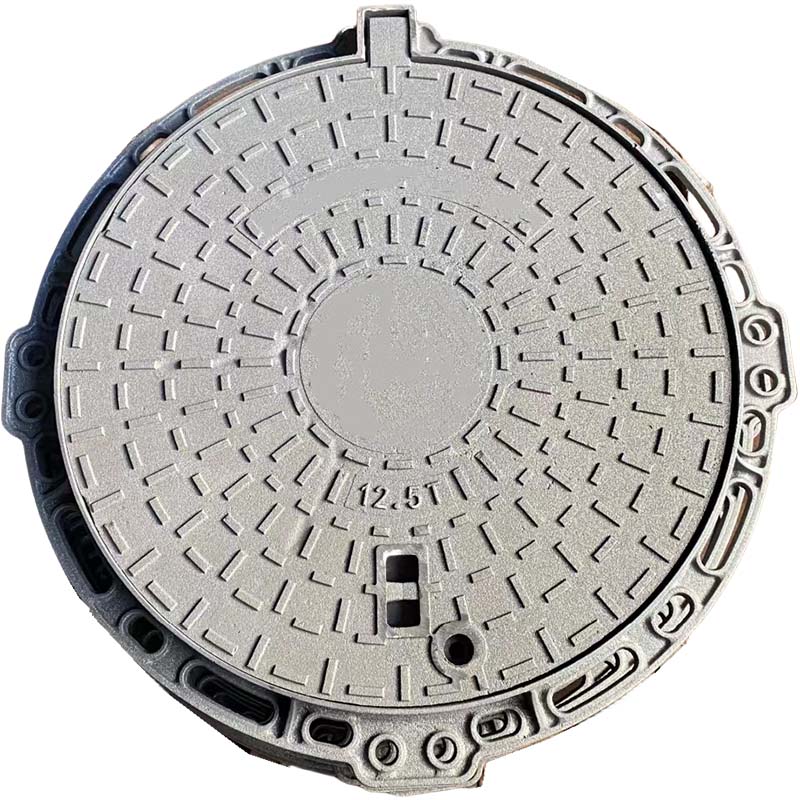
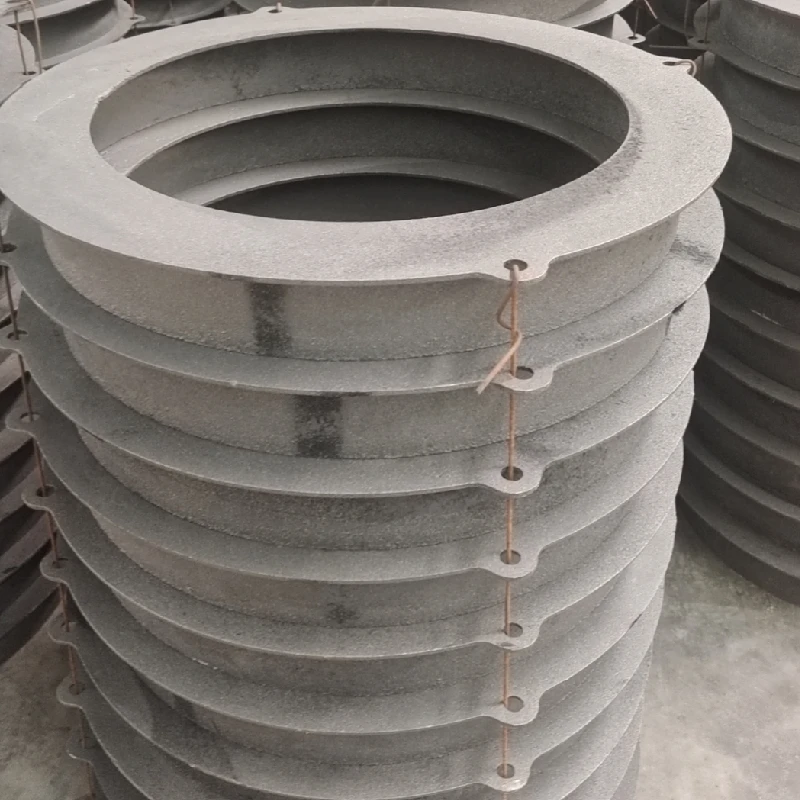
Round Manhole Cover EN124 Standard Class B125 Loading Capacity 12.5T
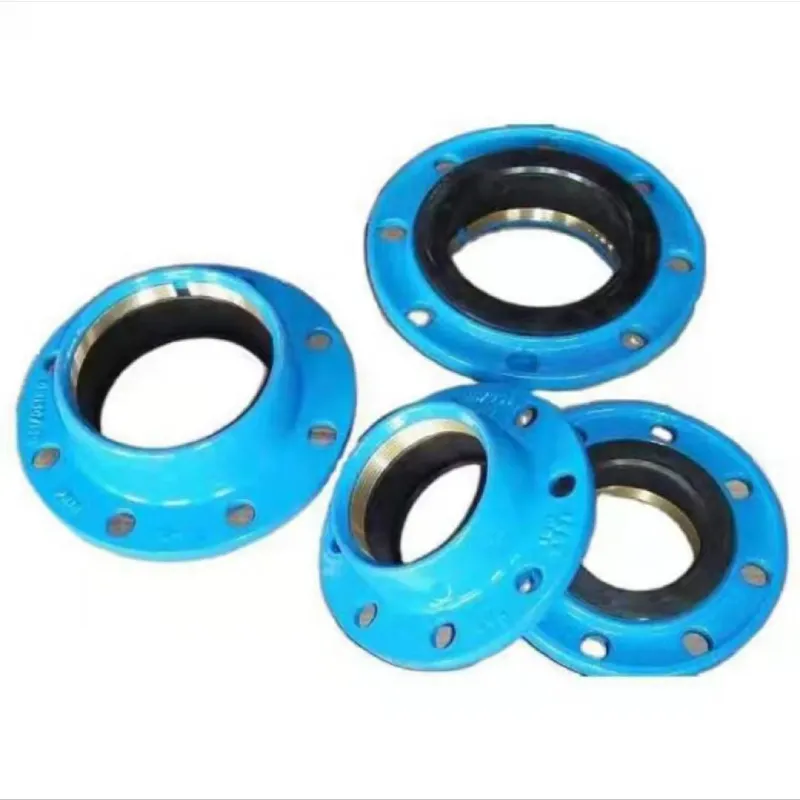
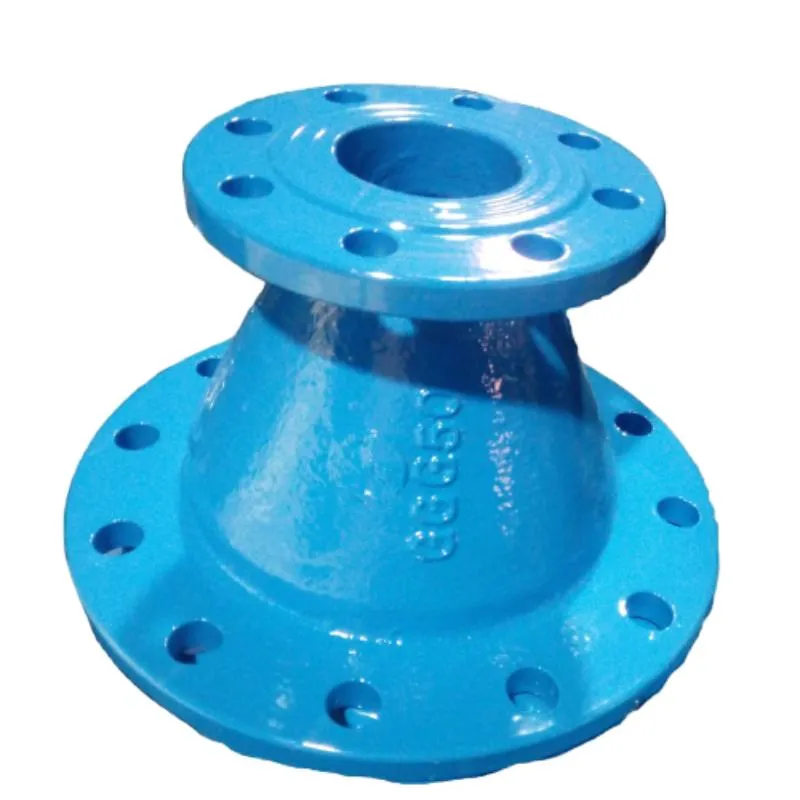
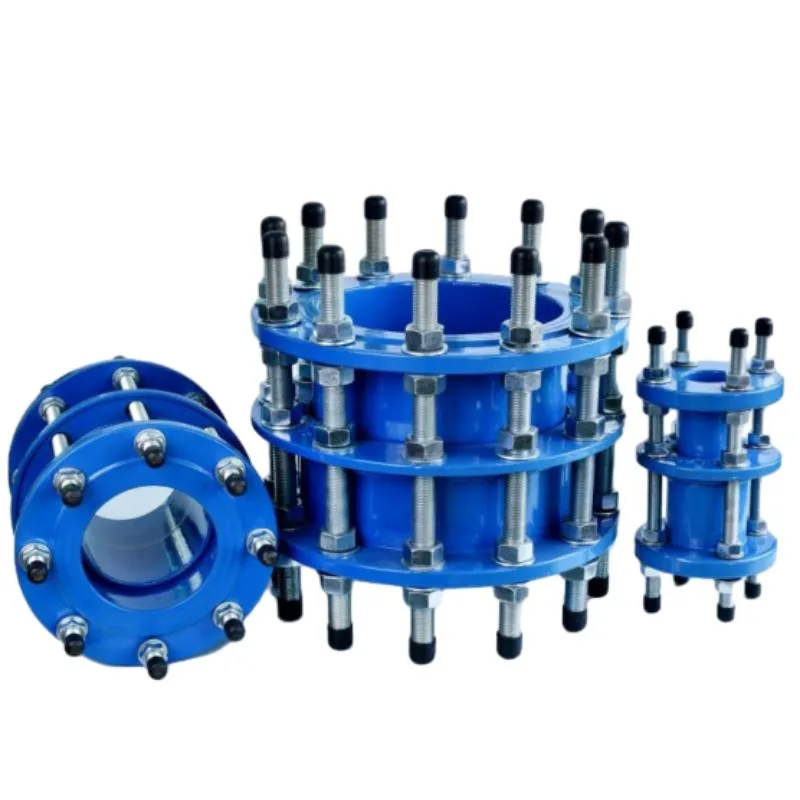
Ductile Cast Iron Quick Flange Adaptor For PVC/PE Pipe
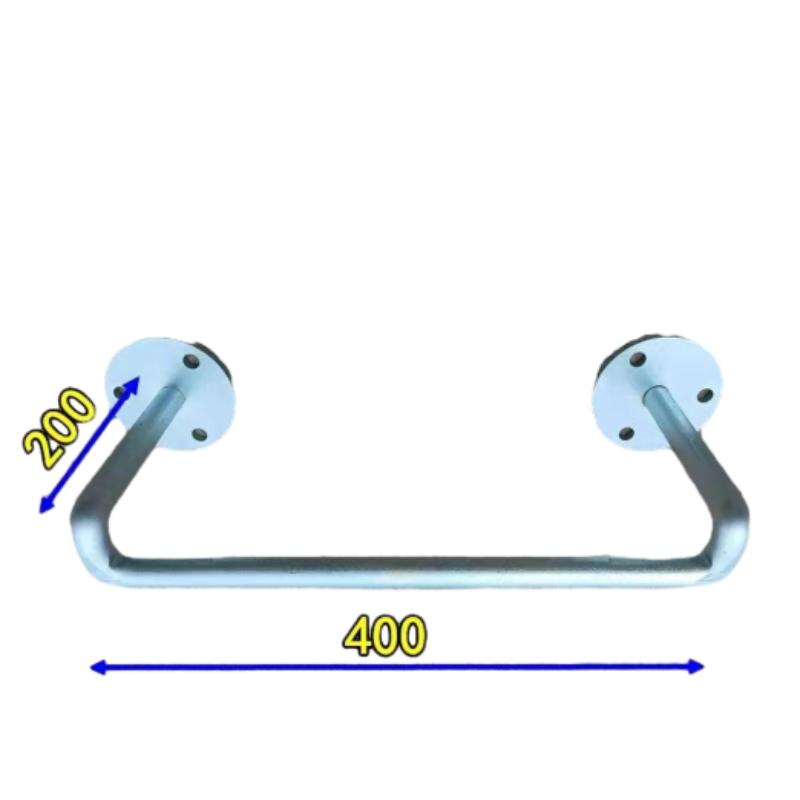
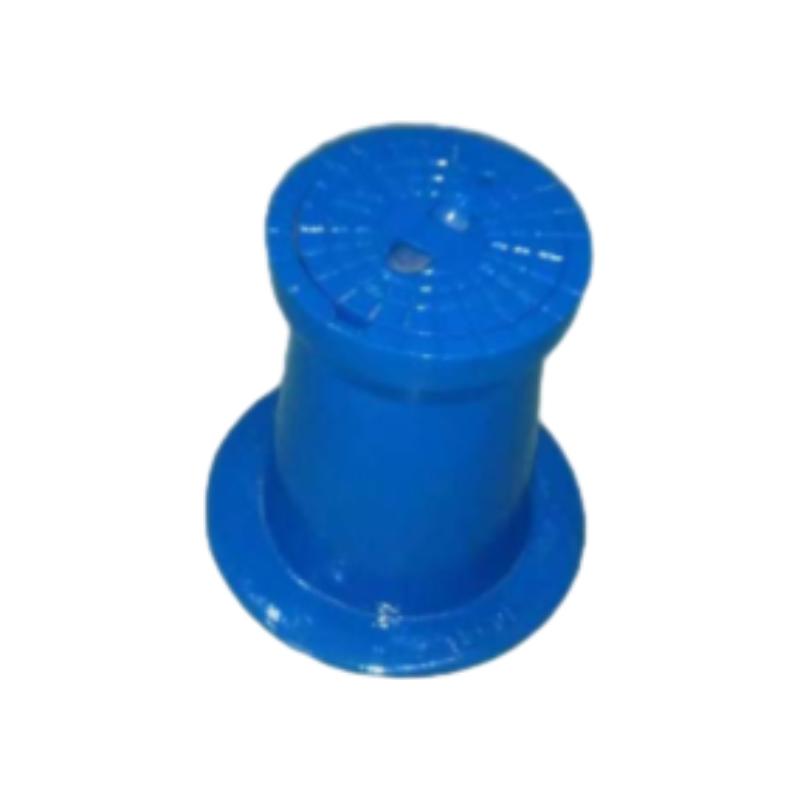
GALVANIZED STEP IRONS
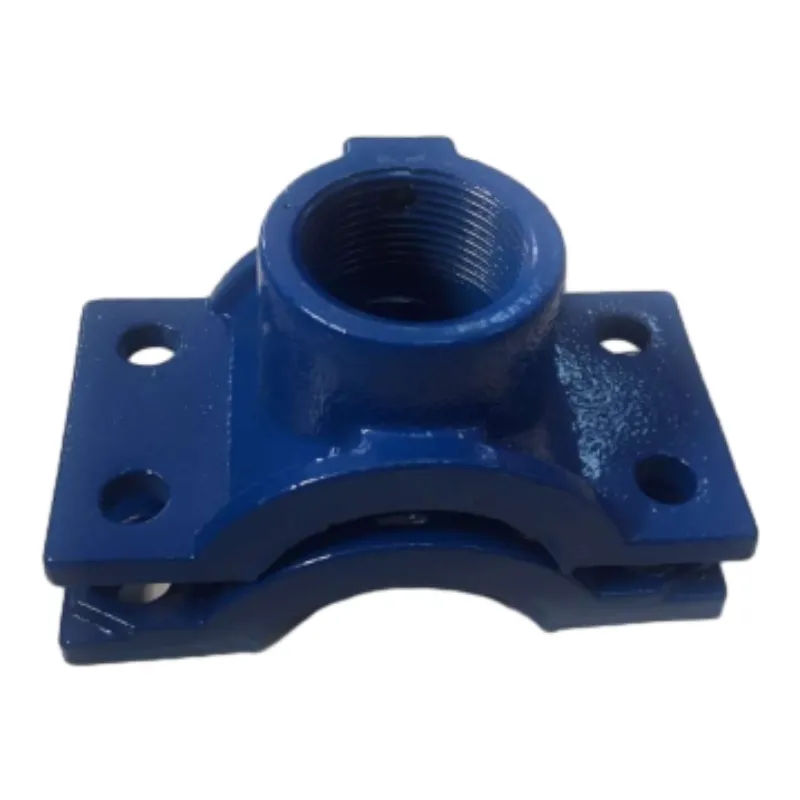
Saddle Clamp For PVC/PE Pipe
Expert Guidance
Frequently Asked Questions
Technical answers for engineers and procurement specialists.
What is the primary difference between ductile iron and grey iron for manhole covers?
The primary difference lies in the graphite structure. Grey iron has flake graphite, making it strong in compression but brittle. Ductile iron contains spherical graphite, which provides significant tensile strength and flexibility. For Slovakian infrastructure, ductile iron is preferred because it can bend slightly under heavy loads without cracking, making it ideal for roads with high heavy-vehicle traffic.
How do I determine the correct load-bearing class for a specific installation?
Load classes are determined by the intended environment. Pedestrian areas typically require a lower class, while residential roads and parking lots require medium capacity. For arterial roads, highways, or industrial ports where 40-ton trucks operate, the highest load-bearing class (such as those found in our heavy-duty cast manhole cover range) is mandatory to prevent sudden failure and ensure public safety.
Can these covers be customized for specific municipal branding or safety markings?
Yes, our manufacturing process allows for extensive customization. We can integrate municipal logos, specific utility labels (e.g., "Water," "Electric," "Sewer"), or unique patterns directly into the casting mold. Additionally, special coatings can be applied to improve visibility in low-light conditions or to denote specific hazard levels within the underground system.
What prevents the "rocking" or noise issue common with older iron covers?
Noise and rocking are caused by gaps between the cover and the frame. We solve this through CNC precision machining, which ensures the seating surfaces are perfectly flat and aligned. Furthermore, we offer the integration of elastomeric gaskets or seals that absorb impact and fill microscopic gaps, creating a flush, silent fit that significantly reduces urban noise pollution.
How does a manhole cover puller improve operational safety for maintenance crews?
Traditional prying methods often lead to back injuries, slipped tools, and damage to the cast iron frame. A specialized puller provides a mechanical advantage and a secure grip on the cover's lifting point. This allows a single operator to lift heavy lids vertically and smoothly, reducing the risk of workplace accidents and preventing the deformation of the frame edges.
What is the expected lifespan of a coated ductile iron cover in a corrosive environment?
While untreated iron will oxidize over time, our high-performance coatings (such as bitumen or epoxy) act as a shield against salts and chemicals. In typical Slovakian urban environments, a properly coated ductile iron cover can maintain its structural integrity and seal for 15 to 25 years, depending on the traffic volume and the acidity of the surrounding soil and groundwater.
Ready to Upgrade
Secure Your Infrastructure with Slovakia's Trusted Casting Partner
Whether you are managing a municipal grid in Bratislava or an industrial site in Košice, our high-durability cast iron solutions provide the safety and longevity your project demands. Discuss your specific load requirements and customization needs with our engineering team today to ensure your utility access is future-proof.
Discuss Your Requirements