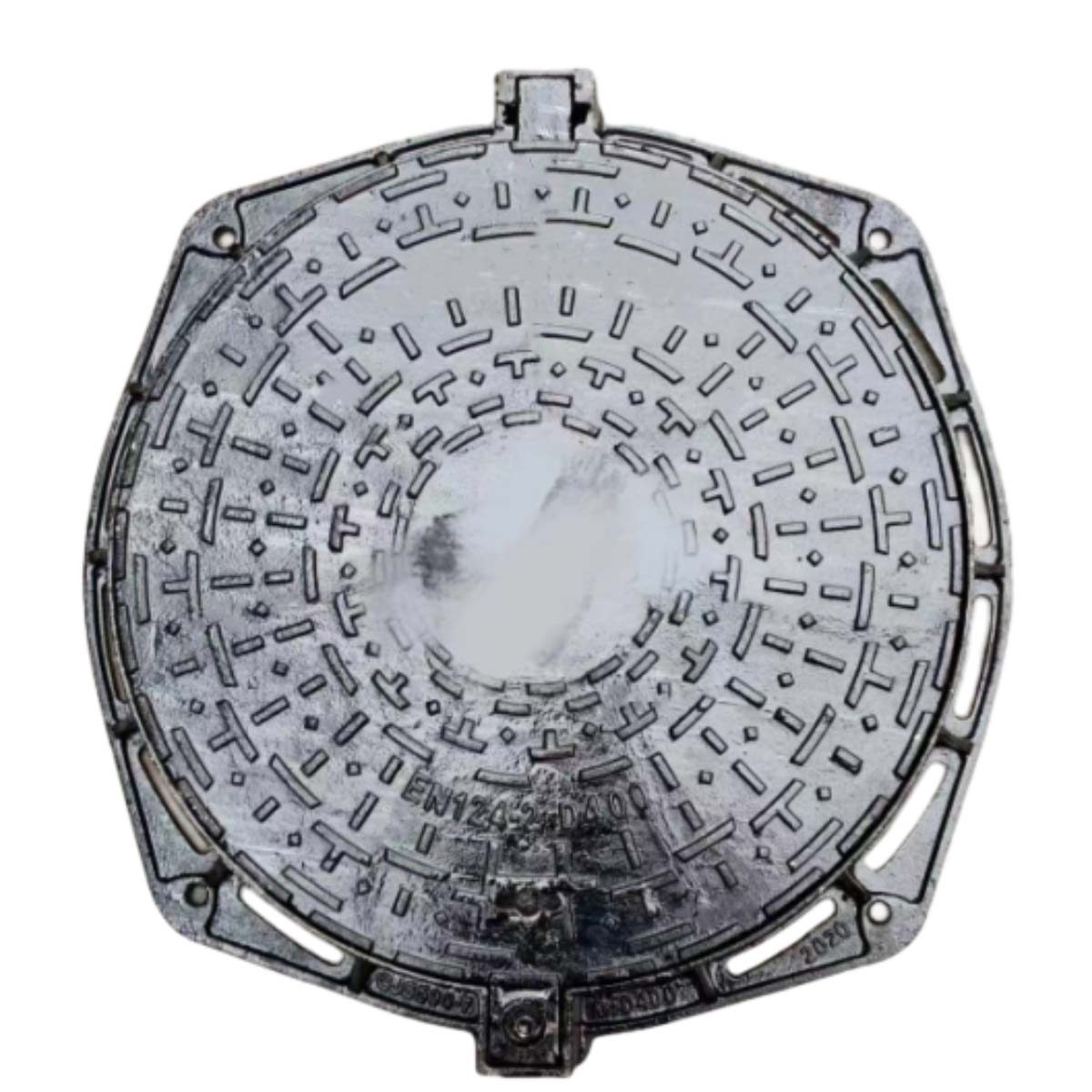
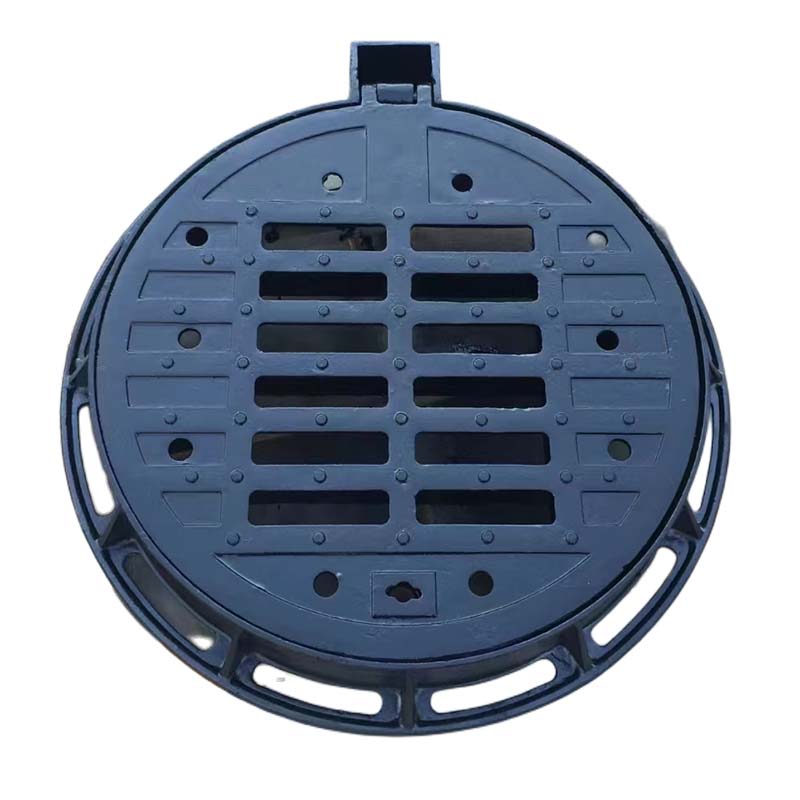
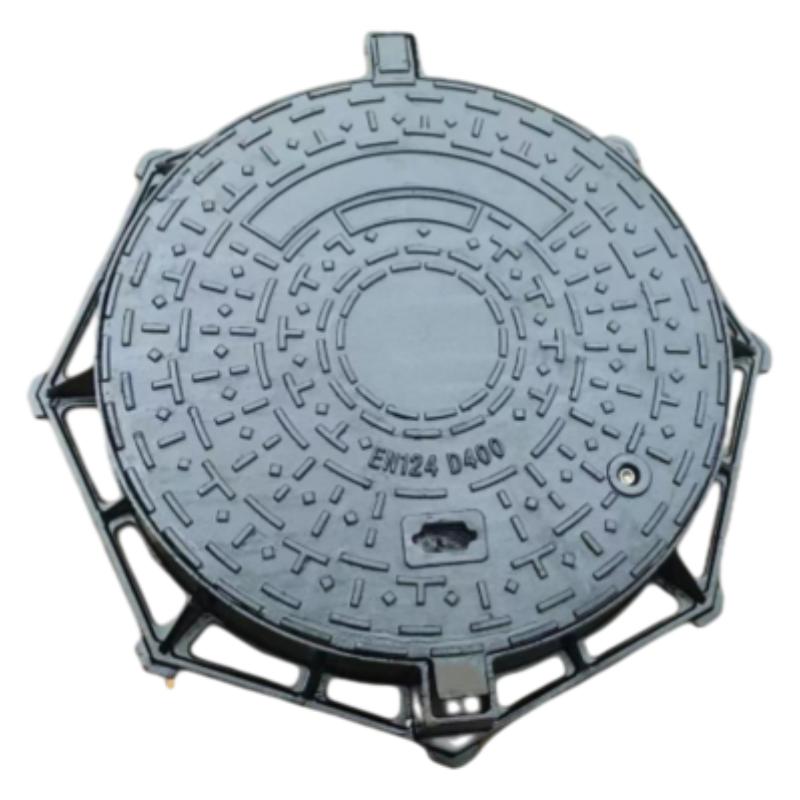
The rapid urbanization in Mali's primary cities has created an urgent demand for robust underground utility management. With increasing investments in sewage and water grids, the installation of a high-quality cast manhole cover has become essential to prevent structural failures and ensure public safety. The regional climate, characterized by extreme temperature fluctuations and sandy terrains, necessitates materials that resist thermal expansion and abrasive wear over long lifecycles.
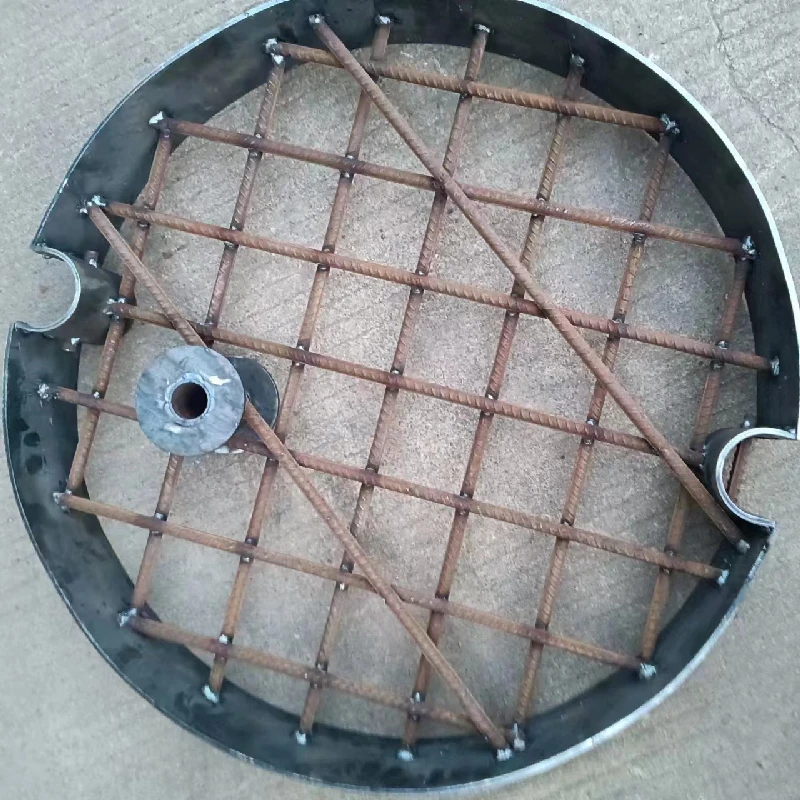
From a procurement perspective, project managers in Mali are shifting away from low-grade substitutes toward standardized, high-load capacities. The integration of a specialized septic tank manhole cover is particularly critical in residential developments where decentralized wastewater systems are common. These components must not only withstand vertical pressure but also provide airtight seals to prevent groundwater contamination, aligning with evolving environmental standards in the region.
Furthermore, the operational efficiency of maintenance crews depends heavily on the right tooling. The use of a professional manhole cover puller reduces workplace injuries and prevents damage to the surrounding frames during routine inspections. As Mali continues to upgrade its industrial zones, the focus is shifting toward a total lifecycle cost approach, where initial investment in precision casting leads to significantly lower long-term maintenance expenditures.