
Choosing the Best Large Waste Bins for Effective Business Waste Management
Choosing the Right Large Waste Bins for Your Business
Effective waste management is crucial for any business, large or small. Selecting the appropriate large waste bins is a key component of this process. These bins offer a practical and hygienic solution for handling substantial volumes of waste, contributing to a cleaner, safer, and more efficient working environment. This article will explore the factors to consider when choosing large waste bins, the different types available, their applications, and how to ensure you select the best option for your specific needs. Properly managing waste isn’t just about cleanliness; it's about sustainability and cost-effectiveness.
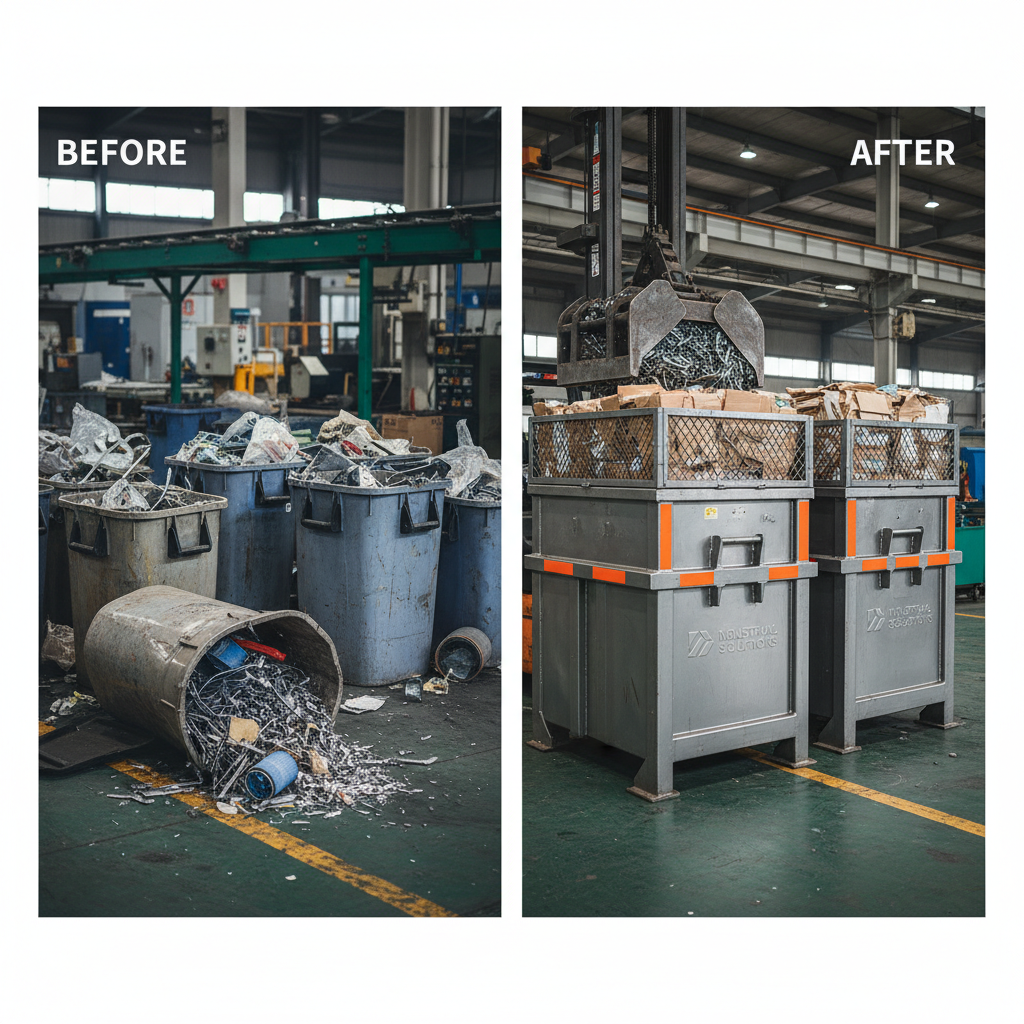
Understanding Your Waste Management Needs
Before investing in large waste bins, it's essential to assess your waste generation. Consider the type of waste produced – general waste, recyclables, or specialized materials. Estimate the volume of waste generated daily or weekly. Think about the space available for bin placement. Analyzing these factors will guide you towards the right bin size, type, and features. For businesses producing significant recyclable materials, investing in separate bins for different recyclable streams (plastic, paper, metal) is a smart move. A thorough needs assessment prevents you from purchasing bins that are either too small or unnecessarily large.
Key Considerations: Assess waste type, estimate waste volume, evaluate available space, and identify recycling needs.
Types of Large Waste Bins
There's a diverse range of large waste bins available, each designed for specific applications. These include wheelie bins (the most common type, known for their portability), commercial dumpsters (larger, often used for construction or industrial waste), front-end loading bins (designed for collection by specialized trucks), and roll-off containers (used for large-scale waste removal). Material options include durable plastics, galvanized steel, and stainless steel, each offering varying levels of strength, corrosion resistance, and cost. The best choice will depend on the type and volume of waste, as well as your budget and collection requirements.
Bin Type Overview:
• Wheelie Bins: Portable, suitable for general waste and recyclables.
• Commercial Dumpsters: Large capacity, ideal for construction and industrial waste.
• Front-End Loading Bins: Designed for truck collection, convenient for regular service.
• Roll-Off Containers: Maximum capacity, used for large projects.
Large Waste Bin Capacity & Dimensions
Choosing the right capacity is vital. Too small, and you'll face frequent emptying. Too large, and you're unnecessarily occupying space and potentially paying for unused capacity. Here's a general guide:
Choosing a Supplier: Quality and Reliability
Selecting a reputable supplier is as crucial as choosing the right bin. Look for suppliers like HBYQ Metal, known for their quality, durability, and customer service. Consider factors like warranty offerings, lead times, and customization options. A supplier who can offer tailored solutions to your specific needs is a valuable asset. Investing in high-quality bins from a reliable supplier ensures long-term performance and reduces the risk of costly repairs or replacements.
Final Thoughts: Sustainable Waste Management
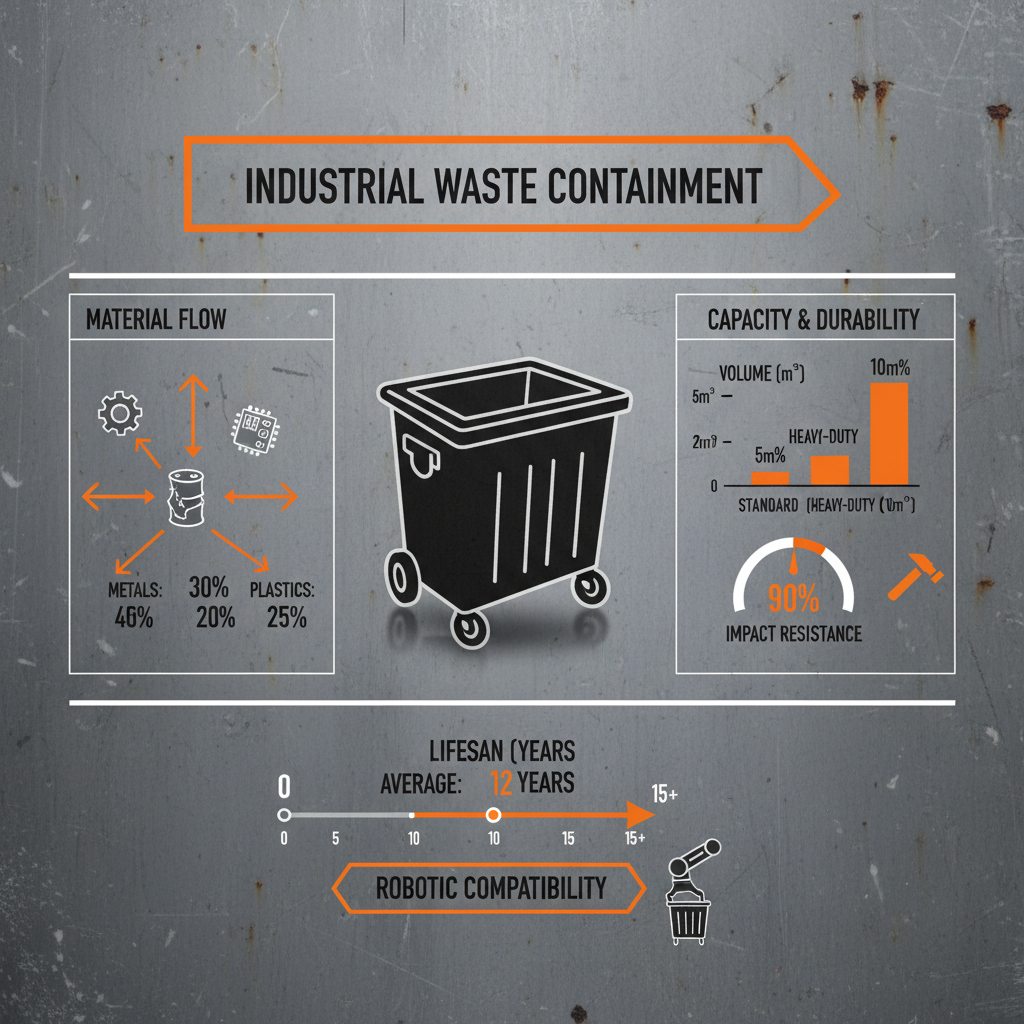
Choosing the right large waste bins is an investment in your business’s efficiency, cleanliness, and sustainability. By carefully assessing your needs, understanding the different types available, and selecting a reliable supplier, you can create a waste management system that supports your operational goals and environmental responsibility.
Conclusion
Investing in the right large waste bins is crucial for maintaining a clean, safe, and efficient business environment. Partner with a reputable supplier like HBYQ Metal to ensure you receive durable, high-quality bins tailored to your specific needs.
Frequently Asked Questions (FAQs)
What materials are large waste bins typically made from?
Large waste bins are commonly constructed from durable plastics like polyethylene, which offer excellent impact resistance and are lightweight. Galvanized steel is another popular choice, providing superior strength and corrosion resistance, making it suitable for demanding environments. Stainless steel bins are also available, offering the highest level of durability and hygiene, though they are generally more expensive. The best material depends on the type of waste handled, the environmental conditions, and the budget.
How often should I clean my large waste bins?
Regular cleaning is essential to maintain hygiene and prevent odors. The frequency depends on usage and waste type, but generally, bins should be cleaned at least monthly. After each emptying, a quick rinse with disinfectant can help. For bins containing food waste, more frequent cleaning is recommended. Thorough cleaning involves washing with soap and water, disinfecting, and allowing the bin to dry completely before reuse.
Are there specific bins for recycling different materials?
Yes, absolutely. To maximize recycling efficiency, it’s best to use separate bins for different recyclable materials. Commonly, you'll need bins for paper, plastic, glass, and metal. Some facilities also accept cardboard separately. Using color-coded bins can help employees and customers easily sort their waste correctly. HBYQ Metal offers a range of color-coded bins to facilitate effective recycling programs.
What safety features should I look for in large waste bins?
Safety is paramount. Look for bins with robust lids to prevent waste from spilling and attracting pests. Bins should have smooth edges to avoid injury during handling. Consider bins with lockable lids to prevent unauthorized access. Wheels should be durable and easy to maneuver, and the bin’s overall construction should be stable to prevent tipping. It's also important to train employees on proper bin handling procedures.
-
How to Choose the Best Durable Outdoor Patio Garbage CanNewsApr.16,2026
-
Best Durable Outdoor Garbage Can with Wheels for Every SpaceNewsApr.09,2026
-
Choosing the Right Dual Waste Bin for Business Efficiency and SustainabilityNewsApr.07,2026
-
Revolutionizing Waste Management with Versatile Electronic Bin SolutionsNewsApr.04,2026
-
Comprehensive Guide to Selecting the Right Rubbish Container SolutionsNewsMar.31,2026
-
Choosing the Right Large Rubbish Bin for Effective Waste ManagementNewsMar.28,2026
-
Choosing the Right Stainless Steel Waste Bin for Your NeedsNewsMar.26,2026