
Comprehensive Guide to Selecting Durable Outdoor Bins with Lids
Choosing the Right Outdoor Bins with Lids: A Comprehensive Guide
Selecting the perfect outdoor bins with lids is crucial for maintaining cleanliness, hygiene, and organization in various settings. From residential areas to commercial spaces and public facilities, these bins play a vital role in waste management. This guide explores the different types, materials, features, and considerations to help you choose the bins that best suit your needs. Proper waste containment not only enhances aesthetics but also promotes public health and environmental responsibility. We'll delve into the factors that contribute to a durable, functional, and aesthetically pleasing outdoor bin solution.
Types of Outdoor Bins with Lids
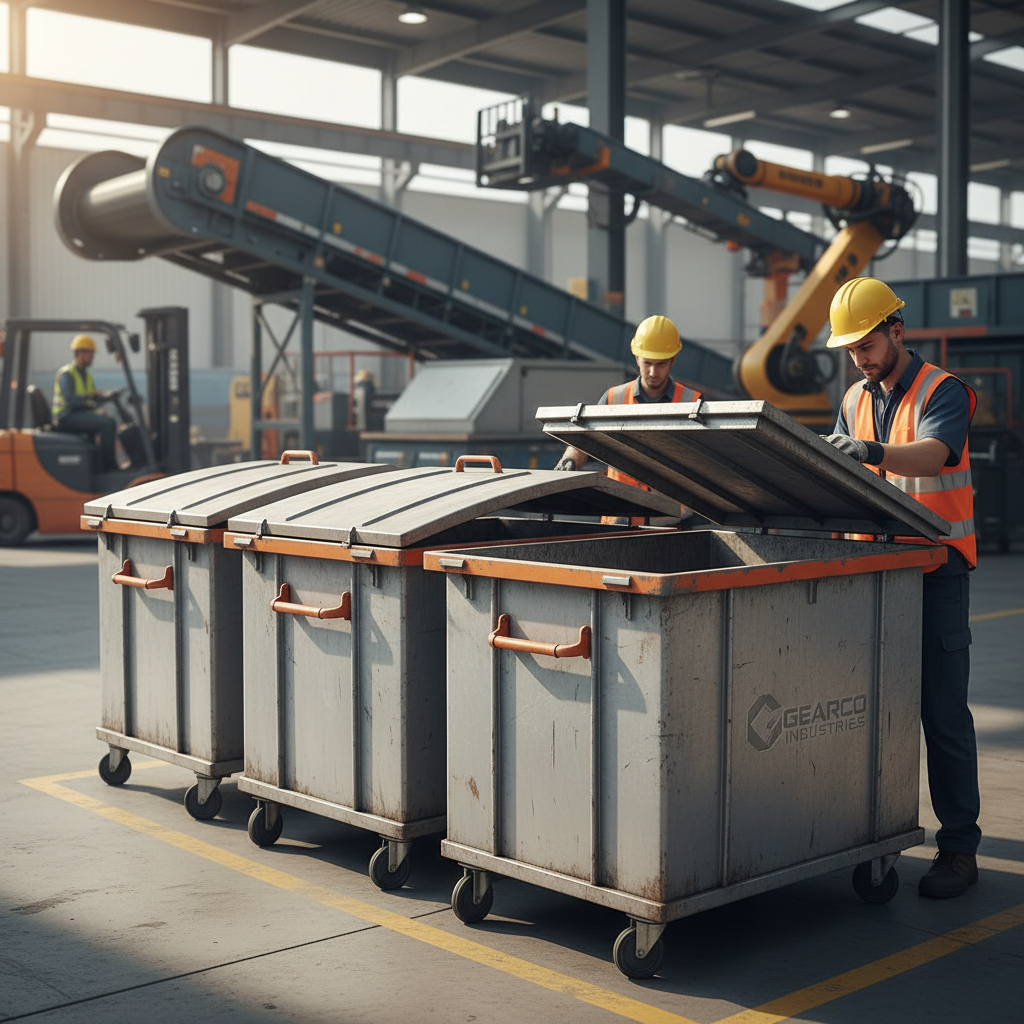
Outdoor bins with lids come in a variety of types, each designed for specific applications. Common options include general waste bins, recycling bins, and specialized bins for specific materials like compost or hazardous waste. General waste bins are ideal for everyday refuse, while recycling bins encourage environmentally friendly waste disposal. The selection often depends on local recycling programs and the type of waste generated in the area. Specialized bins, such as those for cigarette butts or pet waste, cater to specific needs and help maintain cleanliness in public spaces. Consider the volume of waste generated and the available space when choosing the appropriate bin type.
Key Types: General Waste, Recycling, Compost, Specialized (Cigarette, Pet Waste)
Material Choices: Durability and Cost
The material of an outdoor bin significantly impacts its durability, lifespan, and cost. Popular materials include plastic, metal (stainless steel or galvanized steel), and composite materials. Plastic bins are lightweight and affordable, but may be less resistant to damage and UV exposure. Metal bins are highly durable and weather-resistant, but can be more expensive. Composite materials offer a balance of durability, aesthetics, and cost. Consider the climate and potential for vandalism when selecting a material. For harsh environments, metal or composite bins are often the best choice.
Material Comparison:
• Plastic: Lightweight, Affordable, Less Durable
• Metal: Durable, Weather-Resistant, More Expensive
• Composite: Balance of Durability and Cost
Key Features to Look for in Outdoor Bins with Lids
Beyond the type and material, certain features enhance the functionality and usability of outdoor bins with lids. These include secure lids to prevent pests and odors, handles or wheels for easy transport, and smooth surfaces for easy cleaning. Consider bins with locking mechanisms for security, especially in public areas. Vented lids can help reduce moisture buildup and odors. The ease of liner replacement is another important factor, as it simplifies waste disposal and maintenance.
Customization Options and Branding
Many manufacturers offer customization options for outdoor bins with lids, allowing you to incorporate your branding, logos, or specific color schemes. This is particularly useful for businesses and organizations seeking to promote their identity. Customization can also include adding specific signage or instructions for waste sorting. Consider the aesthetic impact of the bins on the surrounding environment and choose colors and designs that complement the overall landscape.
Choosing a Reliable Supplier: HBYQ Metal
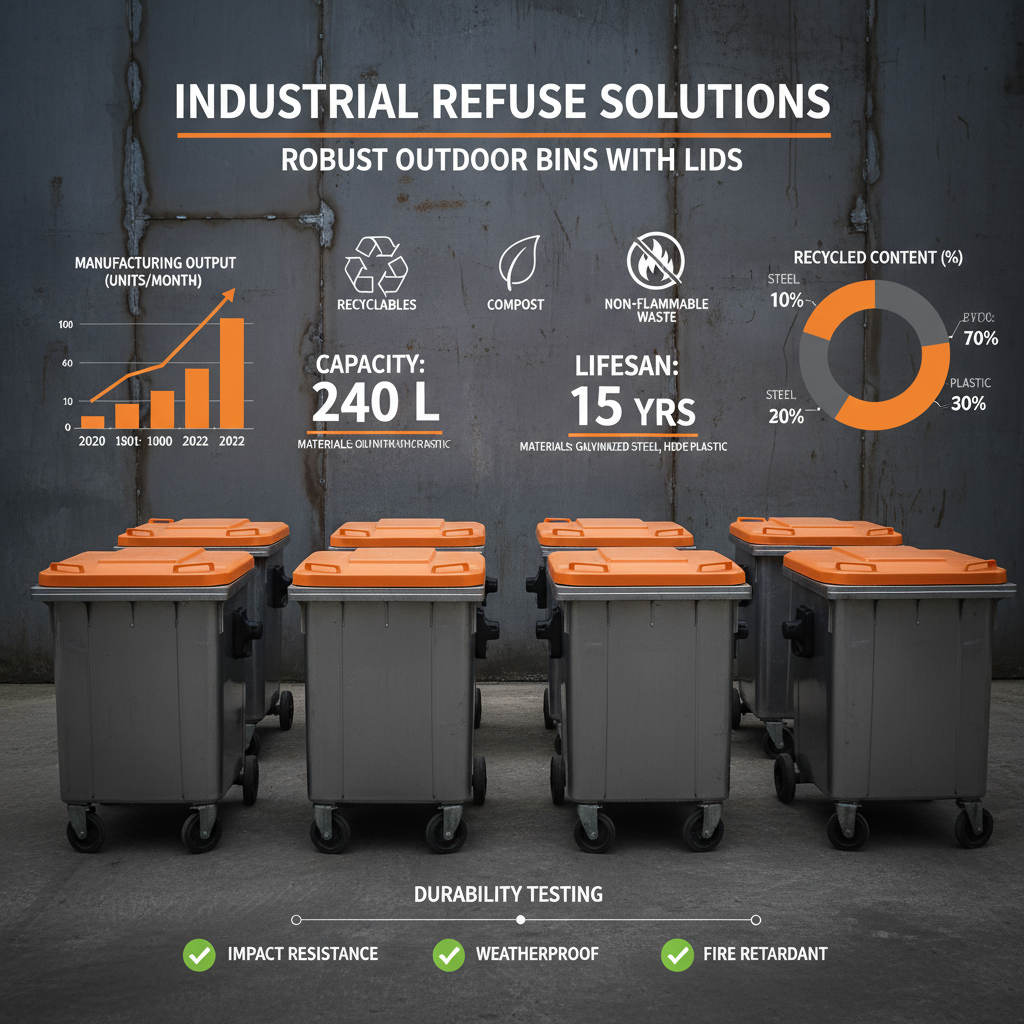
When purchasing outdoor bins with lids, selecting a reliable supplier is paramount. HBYQ Metal is a leading manufacturer and supplier, offering a wide range of high-quality bins tailored to various needs. We specialize in durable, weather-resistant solutions with customizable options. We are committed to providing exceptional customer service and competitive pricing. Explore our catalog to find the perfect bins for your requirements.
Conclusion: Invest in Quality Waste Management
Choosing the right outdoor bins with lids is an investment in cleanliness, hygiene, and environmental responsibility. By considering the type, material, features, and supplier, you can find the perfect solution for your needs. Don't compromise on quality – choose bins that are durable, functional, and aesthetically pleasing.
Frequently Asked Questions (FAQs)
What is the typical lifespan of an outdoor bin with a lid?
The lifespan of an outdoor bin depends on the material, usage, and environmental conditions. Plastic bins typically last 3-5 years, while metal bins can last 10 years or more with proper maintenance. Composite bins generally fall in between. Regular cleaning and avoiding harsh chemicals can extend the bin's lifespan. Inspect the bin periodically for cracks, rust, or other damage and replace it when necessary to maintain hygiene and functionality.
How do I clean and maintain my outdoor bins with lids?
Regular cleaning is essential. Use a mild detergent and water to wash the bins inside and out. Avoid abrasive cleaners that can damage the surface. For stubborn stains, a pressure washer can be used carefully. Ensure the bins are thoroughly dried before use to prevent mold and mildew growth. Periodically check the lids and hinges for proper function and lubricate if necessary. Proper liner usage also contributes to cleanliness.
Can outdoor bins with lids be recycled at the end of their life?
Yes, many outdoor bins, particularly those made of plastic or metal, are recyclable. However, recycling options vary depending on your location. Check with your local recycling facility to determine whether they accept bins of the material you have. Some manufacturers also offer take-back programs for recycling old bins. Choosing bins made from recycled materials further supports sustainability.
-
How to Choose the Best Durable Outdoor Patio Garbage CanNewsApr.16,2026
-
Best Durable Outdoor Garbage Can with Wheels for Every SpaceNewsApr.09,2026
-
Choosing the Right Dual Waste Bin for Business Efficiency and SustainabilityNewsApr.07,2026
-
Revolutionizing Waste Management with Versatile Electronic Bin SolutionsNewsApr.04,2026
-
Comprehensive Guide to Selecting the Right Rubbish Container SolutionsNewsMar.31,2026
-
Choosing the Right Large Rubbish Bin for Effective Waste ManagementNewsMar.28,2026
-
Choosing the Right Stainless Steel Waste Bin for Your NeedsNewsMar.26,2026