
Choosing the Right Large Rubbish Bin for Effective Waste Management
Choosing the Right Large Rubbish Bin: A Comprehensive Guide
Selecting the appropriate large rubbish bin is crucial for efficient waste management, whether for commercial, industrial, or public use. Factors like capacity, durability, mobility, and environmental considerations all play a vital role. This article will provide an in-depth look at choosing the best large rubbish bin to meet your specific needs, covering various types, materials, and features. Effective waste management relies on having the right tools, and a well-chosen large rubbish bin is a foundational element.
Understanding Different Types of Large Rubbish Bins
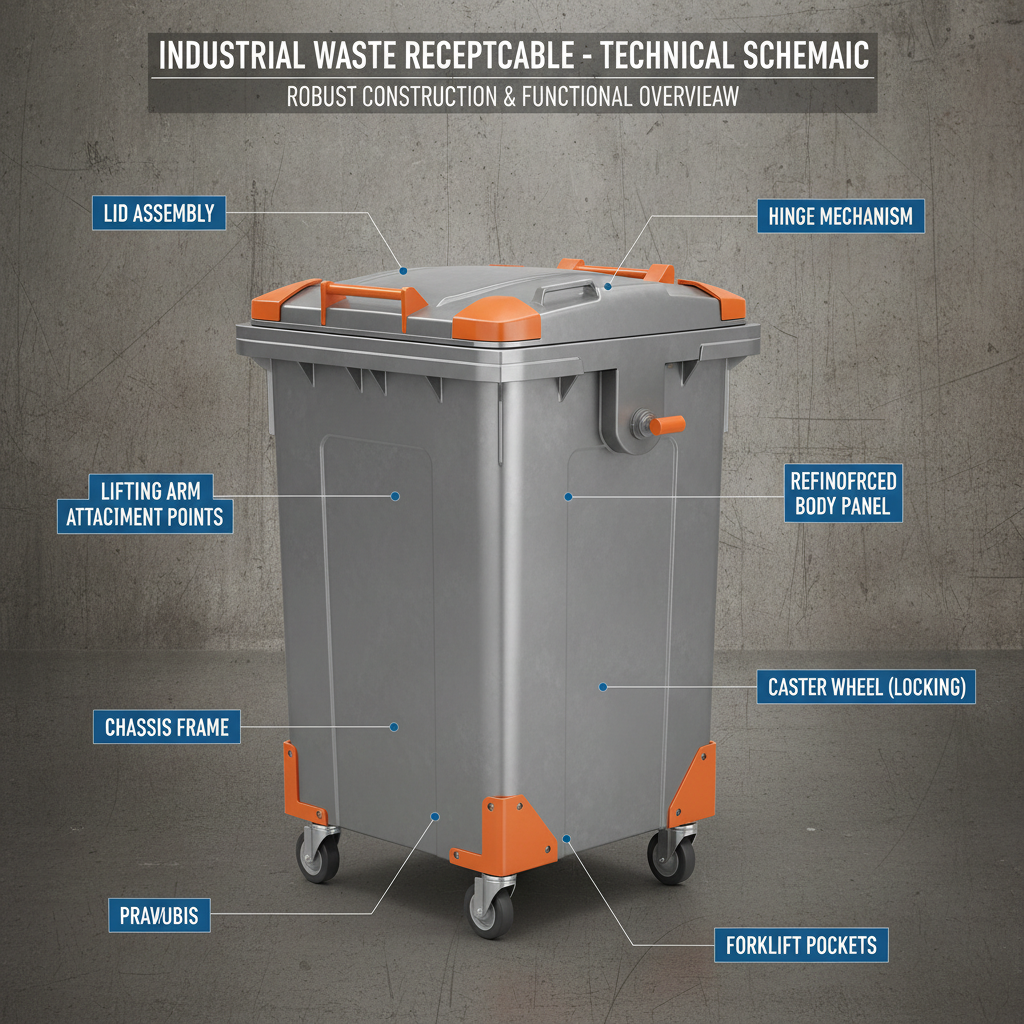
Large rubbish bins come in a variety of designs, each suited to different applications. Wheelie bins are the most common, offering portability thanks to their wheels and handles. Commercial dumpsters are larger, more robust containers often used for businesses and construction sites. Front-load bins are designed for collection by specialized trucks with lifting arms. Rear-load bins are manually loaded and emptied. Understanding these differences is the first step in selecting the right bin for your needs. Consider the volume of waste generated, the collection method, and the available space when making your decision.
Key Considerations: The type of bin you choose will heavily depend on the volume of waste, collection logistics, and space availability.
Material Matters: Durability and Sustainability
The material of a large rubbish bin significantly impacts its durability and environmental footprint. High-density polyethylene (HDPE) is a popular choice due to its strength, weather resistance, and recyclability. Galvanized steel is commonly used for dumpsters and offers exceptional durability. Stainless steel provides superior corrosion resistance, making it ideal for harsh environments. Increasingly, manufacturers are utilizing recycled materials in bin construction, contributing to a circular economy. When selecting a bin, consider the longevity required and the environmental impact of the material.
Material Benefits:
• HDPE: Strong, Recyclable, Weather Resistant
• Galvanized Steel: Extremely Durable
• Stainless Steel: Corrosion Resistant
Large Rubbish Bin Capacity: Choosing the Right Size
Determining the appropriate capacity is vital. Bins typically range from 660 liters to 1,100 liters and beyond. Consider the amount of waste generated per week and the frequency of collection. Overestimating capacity can lead to unnecessary costs, while underestimating can result in overflow and hygiene issues. Assess your needs carefully and select a bin that comfortably accommodates your typical waste volume. Remember to factor in potential fluctuations in waste generation during peak seasons or events.
Features to Look For in a Large Rubbish Bin
Beyond capacity and material, consider additional features. Lids are essential for containing odors and preventing pests. Wheels provide easy maneuverability. Reinforced handles offer a secure grip for emptying. Stacking options are beneficial for storage. Some bins offer color-coding for source separation (e.g., recycling, compost). Security features, such as locking mechanisms, can prevent unauthorized access. Investing in bins with these features enhances efficiency and hygiene.
Selecting a Supplier: Quality and Reliability
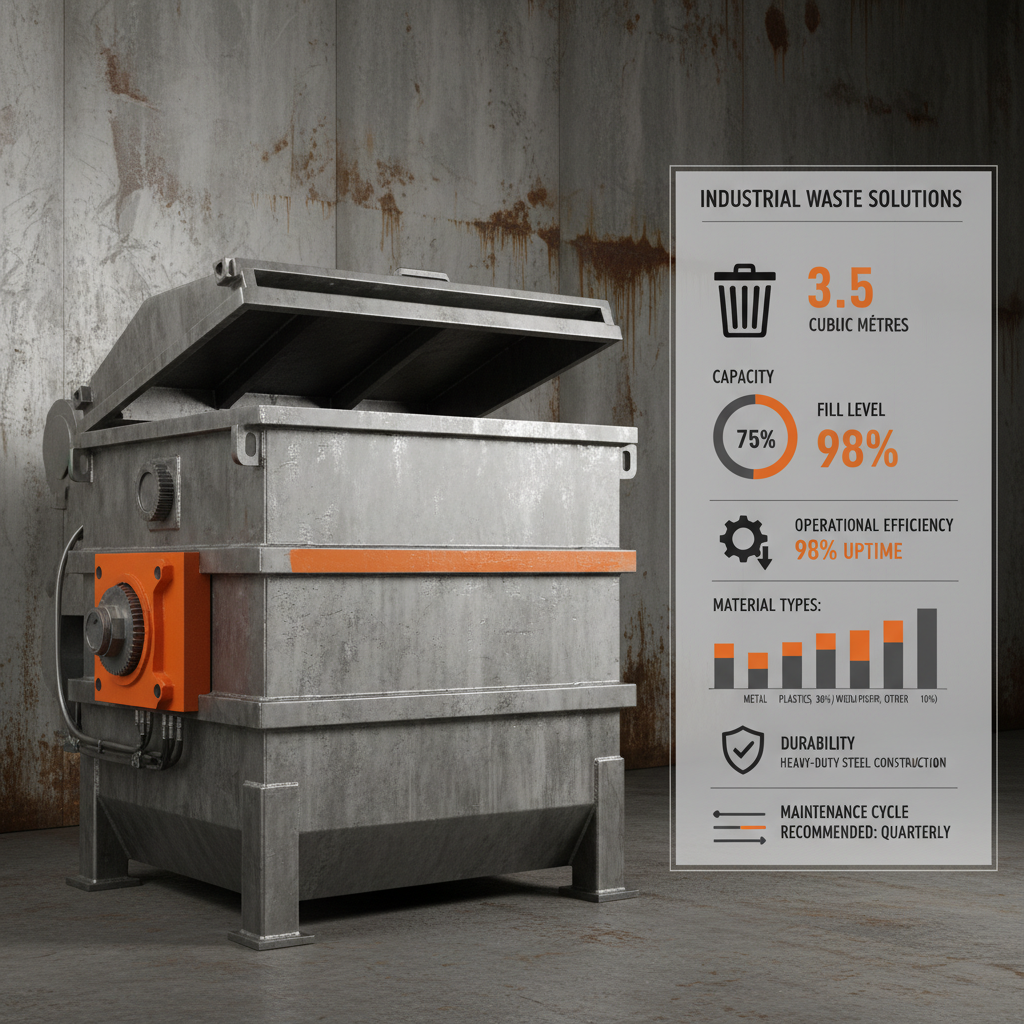
Choosing a reputable supplier is critical. Look for companies that offer a wide range of bins, competitive pricing, and excellent customer service. HBQ Metal is a trusted manufacturer and supplier of high-quality large rubbish bins, offering durable and reliable solutions for various applications. Ensure the supplier provides warranty information and can meet your specific requirements. Read reviews and testimonials to assess the supplier's reputation.
Conclusion: Investing in the Right Waste Management Solution
Selecting the right large rubbish bin is an investment in efficient waste management and a cleaner environment. By carefully considering capacity, material, features, and supplier reliability, you can ensure a cost-effective and sustainable solution that meets your needs. Don't hesitate to consult with experts to find the best fit for your specific application.
Frequently Asked Questions (FAQs)
What is the typical lifespan of a large HDPE rubbish bin?
HDPE bins are known for their durability, with a typical lifespan of 5-10 years, depending on usage and environmental conditions. Factors like exposure to UV radiation, extreme temperatures, and heavy loads can affect longevity. Regular cleaning and proper handling can extend the bin's lifespan. Look for bins with UV stabilizers to help prevent degradation from sunlight. Inspect the bin regularly for cracks or damage, and replace it when necessary.
How do I clean a large rubbish bin effectively?
Regular cleaning prevents odors and the buildup of bacteria. Start by emptying the bin completely. Use a strong stream of water from a hose to rinse the interior. For stubborn dirt or odors, use a mild detergent and a scrub brush. Avoid harsh chemicals or abrasive cleaners, as they can damage the bin's material. Disinfect the bin periodically with a bleach solution (1 part bleach to 10 parts water). Allow the bin to dry thoroughly before use.
Are there options for recycling large rubbish bins at the end of their life?
Yes, many HDPE bins are recyclable. Contact your local recycling center to inquire about their policies regarding large plastic bins. Some manufacturers also offer take-back programs for their products. Recycling reduces landfill waste and contributes to a more sustainable approach to waste management. Consider choosing bins made from recycled materials to further minimize environmental impact.
What safety precautions should be taken when handling large rubbish bins?
Always wear appropriate personal protective equipment (PPE), such as gloves and closed-toe shoes, when handling large rubbish bins. Avoid lifting bins that are too heavy on your own; seek assistance. Be mindful of the bin's weight and center of gravity to prevent tipping. Ensure the area around the bin is clear of obstacles to avoid tripping hazards. Avoid overfilling the bin, as this can make it difficult to move and increase the risk of spills.
-
How to Choose the Best Durable Outdoor Patio Garbage CanNewsApr.16,2026
-
Best Durable Outdoor Garbage Can with Wheels for Every SpaceNewsApr.09,2026
-
Choosing the Right Dual Waste Bin for Business Efficiency and SustainabilityNewsApr.07,2026
-
Revolutionizing Waste Management with Versatile Electronic Bin SolutionsNewsApr.04,2026
-
Comprehensive Guide to Selecting the Right Rubbish Container SolutionsNewsMar.31,2026
-
Choosing the Right Stainless Steel Waste Bin for Your NeedsNewsMar.26,2026
-
Maximize Space and Hygiene with the Ideal Wall Mounted Garbage Can SelectionNewsMar.24,2026