
Best Durable Outdoor Garbage Can with Wheels for Every Space
Choosing the Perfect Outdoor Garbage Can with Wheels for Your Space
Maintaining a clean and hygienic outdoor environment requires more than just occasional tidying; it requires the right tools. An outdoor garbage can with wheels is an essential investment for homeowners, business owners, and facility managers alike. By combining high-capacity storage with effortless mobility, these bins eliminate the struggle of hauling heavy waste across large yards or parking lots. In this guide, we will explore the critical features, material advantages, and selection criteria to help you find a durable waste management solution that withstands the elements while keeping your surroundings pristine.
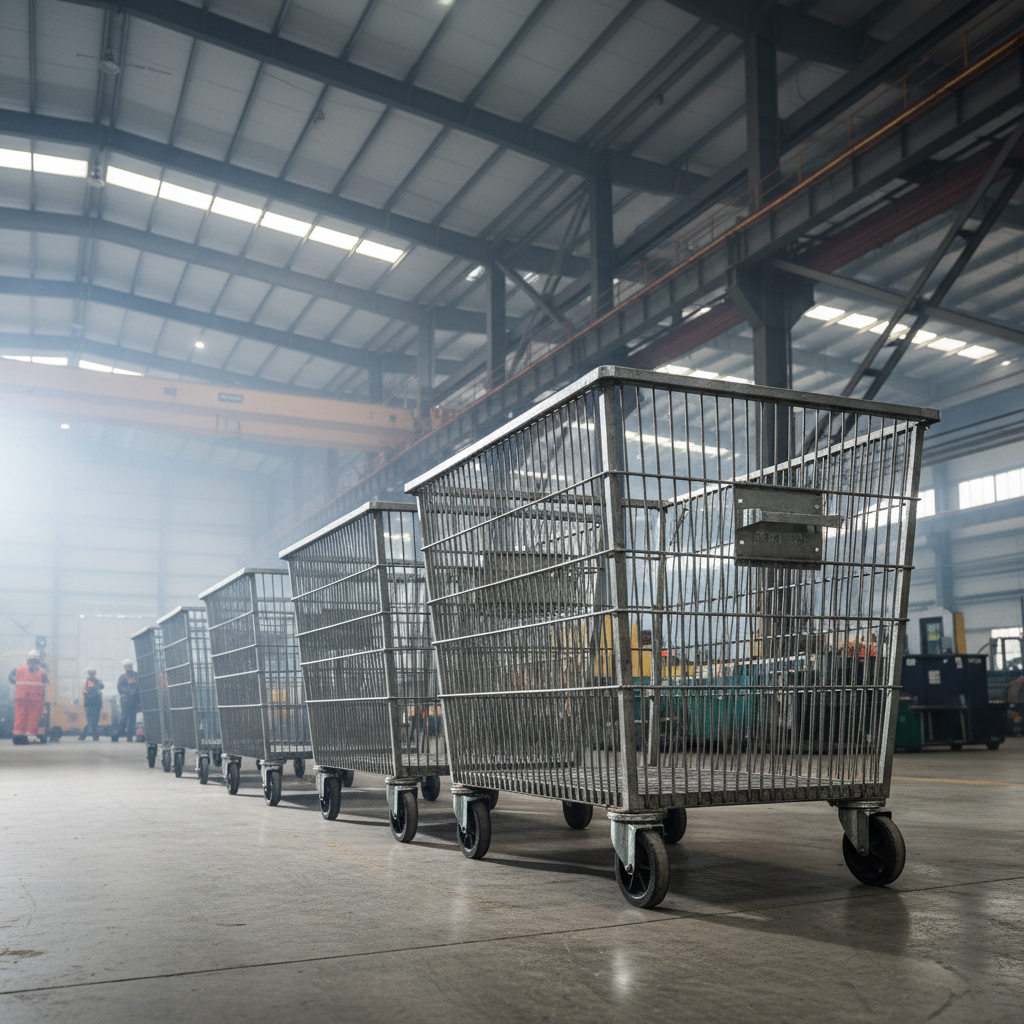
The Core Benefits of an Outdoor Garbage Can with Wheels
The primary advantage of integrating wheels into waste bins is ergonomic efficiency. Manually lifting a full bin can lead to back strain and inefficiency, whereas a wheeled system allows for a smooth glide across various terrains. Beyond mobility, a high-quality outdoor garbage can with wheels is designed to be weather-resistant, preventing rain from filling the bin and wind from scattering trash. These bins often feature secure-locking lids that keep pests out and contain unpleasant odors, making them ideal for residential driveways or commercial loading docks.
Efficiency Tip: Look for bins with heavy-duty rubber wheels rather than hard plastic to ensure better traction on gravel or uneven pavement and to reduce noise during transport.
Comparing Materials: Metal vs. Plastic Waste Bins
When shopping for an outdoor garbage can with wheels, the material choice determines the product's lifespan. Galvanized steel offers unmatched durability and fire resistance, making it the gold standard for industrial sites. Conversely, high-density polyethylene (HDPE) plastic is lightweight and immune to rust. For those seeking a balance of strength and longevity, powder-coated metals provide an extra layer of protection against corrosion while maintaining a professional aesthetic.
Key Specifications for a Commercial Outdoor Garbage Can with Wheels
For commercial applications, the requirements for an outdoor garbage can with wheels are more stringent. Capacity is a primary concern; bins typically range from 60 to 120 gallons to handle high volumes of waste. Additionally, the axle strength must be reinforced to prevent the wheels from buckling under extreme weight. The following specifications represent the industry standard for high-performance outdoor bins used in parks, hotels, and industrial complexes.
How to Maintain Your Outdoor Garbage Can with Wheels
To maximize the lifespan of your outdoor garbage can with wheels, regular maintenance is key. First, ensure the wheels are kept free of debris, such as hair, strings, or pebbles, which can jam the rotation. For metal bins, check for any scratches in the powder coating and touch them up to prevent rust from spreading. Periodically washing the interior with a mild detergent and disinfectant prevents bacterial buildup and eliminates odors that attract pests.
Sustainability and Environmental Impact
Modern waste management focuses heavily on sustainability. Choosing an outdoor garbage can with wheels made from recyclable materials reduces the long-term environmental footprint. Furthermore, these bins encourage better sorting of waste; by deploying multiple wheeled bins for recycling, compost, and landfill, facilities can significantly increase their diversion rates. Durable construction means fewer replacements, which translates to less industrial waste in landfills over time.
Selecting the Right Bin Size for Your Needs
Not every space requires a massive industrial bin. For a small backyard, a 32-gallon outdoor garbage can with wheels is typically sufficient. However, for public parks or restaurant patios, 64 or 96-gallon options are preferred to minimize the frequency of emptying. Consider the volume of waste generated weekly and the distance to the primary collection point to determine the ideal capacity and wheel size for your specific layout.
Conclusion: The Ultimate Solution for Waste Mobility
Investing in a high-quality outdoor garbage can with wheels is a practical decision that enhances both hygiene and convenience. Whether you prioritize the ruggedness of galvanized steel or the lightness of HDPE, the addition of wheels transforms a tedious chore into a simple task. By selecting the right size, material, and maintenance routine, you ensure a cleaner environment and a longer product lifespan. Upgrade your waste management system today for a more efficient tomorrow.
Frequently Asked Questions (FAQs)
What are the best wheels for an outdoor garbage can?
The best wheels depend on your terrain. For smooth concrete or asphalt, hard plastic or polyurethane wheels provide low rolling resistance. However, for gravel, grass, or uneven dirt paths, oversized rubber wheels are highly recommended. Rubber wheels absorb shocks and provide better grip, preventing the bin from sinking into soft ground or getting stuck on small obstacles, which significantly reduces the effort required to move the bin when it is fully loaded.
How do I prevent pests from entering my outdoor wheeled bin?
To prevent pests like raccoons or rodents, ensure your outdoor garbage can with wheels has a tight-fitting, overlapping lid. Some heavy-duty models come with locking mechanisms or bungee cord attachments to keep the lid securely shut. Additionally, cleaning the bin regularly to remove food residue and using odor-neutralizing agents can make the bin less attractive to animals, ensuring your waste area remains sanitary and pest-free.
Is a metal wheeled bin better than a plastic one for commercial use?
In most commercial settings, metal is superior due to its impact resistance and longevity. Commercial bins are often subjected to rough handling by waste collection services and exposure to harsh weather. A galvanized metal bin will not crack under extreme cold or warp under intense heat, unlike some plastics. Moreover, metal bins provide better security against theft or animal intrusion. While plastic is lighter, the structural integrity of metal makes it the preferred choice for high-traffic industrial or urban environments.
Can I replace the wheels if they break over time?
Yes, most professional-grade bins are designed with replaceable wheel assemblies. Instead of replacing the entire bin, you can typically unscrew the axle or pop out the wheel to install a new set. We recommend purchasing bins that use standardized wheel sizes, making it easier to find replacements. Regular lubrication of the axles with a silicone-based spray can also prevent rust and friction, extending the life of the wheels and keeping the movement of your garbage can smooth and effortless.
-
How to Choose the Best Durable Outdoor Patio Garbage CanNewsApr.16,2026
-
Choosing the Right Dual Waste Bin for Business Efficiency and SustainabilityNewsApr.07,2026
-
Revolutionizing Waste Management with Versatile Electronic Bin SolutionsNewsApr.04,2026
-
Comprehensive Guide to Selecting the Right Rubbish Container SolutionsNewsMar.31,2026
-
Choosing the Right Large Rubbish Bin for Effective Waste ManagementNewsMar.28,2026
-
Choosing the Right Stainless Steel Waste Bin for Your NeedsNewsMar.26,2026
-
Maximize Space and Hygiene with the Ideal Wall Mounted Garbage Can SelectionNewsMar.24,2026