
Comprehensive Guide to Selecting the Right Household Bins for Your Home
Choosing the Right Household Bins: A Comprehensive Guide
Selecting the appropriate household bins is crucial for efficient waste management and maintaining a clean, organized living space. With a wide variety of options available, understanding your needs and the different types of bins is essential. This article provides a detailed overview of household bins, covering materials, sizes, features, and tips for choosing the best solutions for your home. Effective waste management is not only about hygiene but also contributes to environmental sustainability, so making informed decisions is more important than ever.
Understanding the Different Types of Household Bins
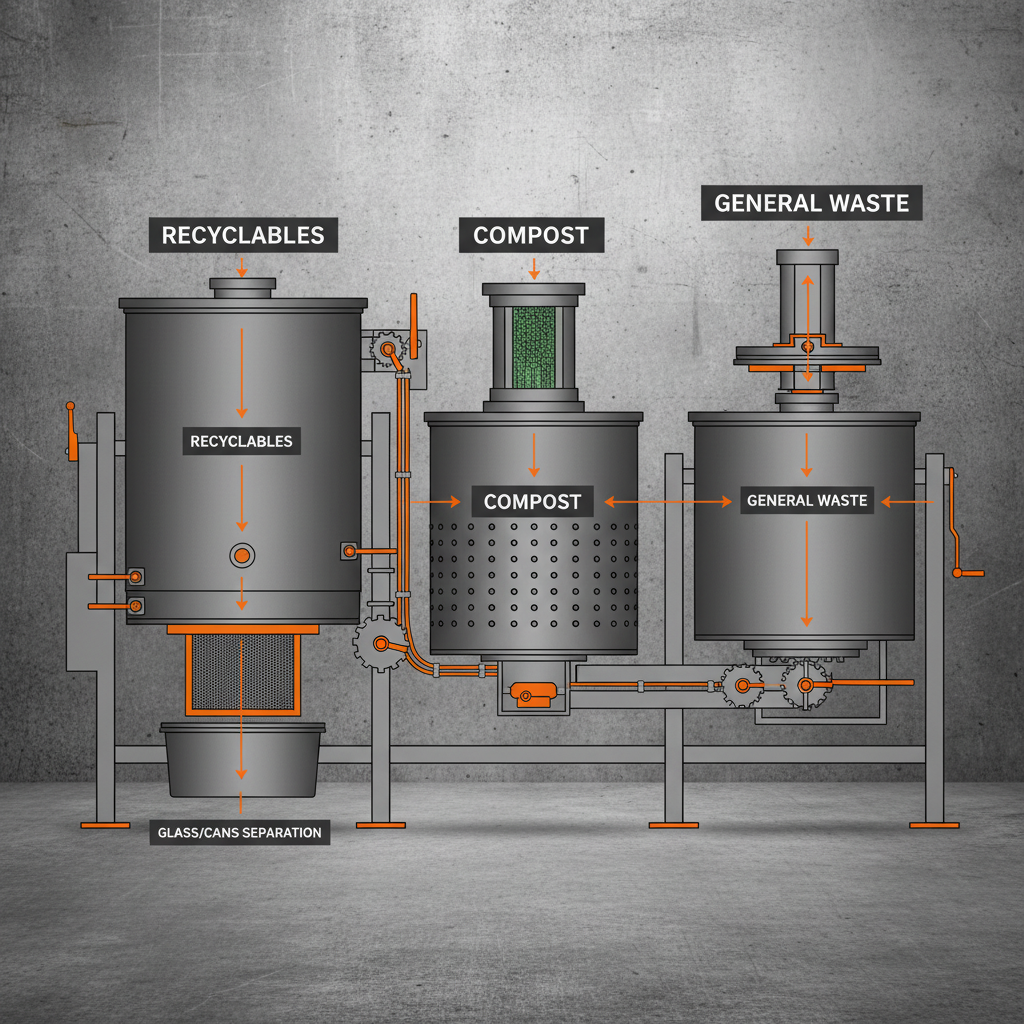
Household bins come in several types, each designed for specific waste streams and purposes. These include general waste bins for non-recyclable materials, recycling bins for paper, plastic, and glass, compost bins for organic waste, and specialized bins for items like batteries or electronics. Choosing the right combination of bins encourages responsible waste separation and maximizes recycling efforts. Furthermore, bins are available in various materials like plastic, metal, and stainless steel, each offering different levels of durability, aesthetics, and cost. The ideal bin setup will depend on your household size, waste generation habits, and local recycling guidelines. You can explore a diverse range of options at HBYQ Metal.
Key Highlights: Bins are available in various materials like plastic, metal, and stainless steel, each offering different levels of durability, aesthetics, and cost.
Factors to Consider When Choosing Household Bins
Several factors should guide your choice of household bins. Capacity is crucial – larger households generally require larger bins. Consider the space available for bin storage; compact bins are ideal for smaller homes or apartments. Durability is also important, especially for outdoor bins exposed to the elements. Look for bins made from robust materials that can withstand wear and tear. Features like lids (to control odors and prevent pests), wheels (for easy maneuverability), and color-coding (for waste separation) can significantly enhance functionality. Finally, consider the aesthetic appeal of the bins – they should complement your home's décor. Find suitable options at HBYQ Metal's selection of bins.
Key Considerations:
• Capacity: Choose bins appropriate for your household size.
• Space: Opt for compact bins if space is limited.
• Durability: Select robust materials for long-lasting use.
• Features: Consider lids, wheels, and color-coding.
Household Bin Materials: A Comparative Overview
Different materials offer varying advantages and disadvantages. Plastic bins are lightweight, affordable, and widely available but may be less durable and can degrade over time. Metal bins, particularly stainless steel, are highly durable, resistant to rust and pests, and offer a sleek aesthetic but are typically more expensive. Wooden bins provide a natural look but require more maintenance to prevent rot and insect infestation. The best material depends on your budget, aesthetic preferences, and the intended use of the bins.
Selecting Bins Based on Waste Stream: A Practical Guide
Effectively managing waste requires segregating different types of materials. Use clearly labeled bins for general waste, recycling (paper, plastic, glass, metal), and compost. Consider specific bins for batteries, electronics, and hazardous waste, following local regulations for disposal. Color-coding bins can simplify the separation process. HBYQ Metal provides a wide variety of color-coded bins to facilitate efficient waste management. Remember to check with your local waste management authority for specific guidelines on what materials can be recycled in your area.
Maintaining and Cleaning Your Household Bins
Regular cleaning is essential to prevent odors, pest infestations, and maintain hygiene. Empty bins frequently and wash them with soap and water. Disinfecting bins periodically can further control bacteria. For compost bins, maintain proper aeration and moisture levels. Inspect bins regularly for damage and repair or replace them as needed. Proper maintenance extends the lifespan of your bins and ensures a clean and healthy living environment.
Conclusion: Creating a Sustainable Waste Management System
Choosing the right household bins is a key step towards creating a sustainable waste management system. By considering your needs, selecting appropriate materials, and maintaining your bins properly, you can minimize your environmental impact and enjoy a cleaner, more organized home. Invest in quality bins from a reputable supplier like HBYQ Metal to ensure long-lasting performance and contribute to a greener future.
Frequently Asked Questions (FAQs)
What size household bin do I need?
The ideal bin size depends on your household size and waste generation. A single-person household might suffice with smaller bins (e.g., 20-30 liters), while a family of four may require larger bins (e.g., 60-120 liters) for general waste and recycling. Consider the frequency of waste collection and available storage space when determining the appropriate size. It’s often better to err on the side of slightly larger bins to avoid frequent emptying.
How often should I clean my household bins?
You should aim to clean your household bins at least once a month, or more frequently if they become particularly dirty or smelly. Empty the bins completely, wash them with warm soapy water, and rinse thoroughly. Disinfecting with a mild bleach solution can help eliminate bacteria and odors. Ensure the bins are completely dry before re-lining them.
What are the benefits of using color-coded bins?
Color-coding bins simplifies waste separation and encourages recycling. Different colors can be assigned to specific waste streams (e.g., blue for recycling, green for compost, black for general waste). This makes it easier for everyone in the household to dispose of waste correctly, reducing contamination and improving recycling rates. HBYQ Metal offers a variety of color-coded bin options.
Are there any eco-friendly alternatives to plastic bins?
Yes, several eco-friendly alternatives to plastic bins are available. Metal bins, especially those made from recycled materials, are a durable and sustainable option. Wooden bins offer a natural aesthetic but require more maintenance. Compostable bins made from plant-based materials are also becoming increasingly popular for organic waste.
-
How to Choose the Best Durable Outdoor Patio Garbage CanNewsApr.16,2026
-
Best Durable Outdoor Garbage Can with Wheels for Every SpaceNewsApr.09,2026
-
Choosing the Right Dual Waste Bin for Business Efficiency and SustainabilityNewsApr.07,2026
-
Revolutionizing Waste Management with Versatile Electronic Bin SolutionsNewsApr.04,2026
-
Comprehensive Guide to Selecting the Right Rubbish Container SolutionsNewsMar.31,2026
-
Choosing the Right Large Rubbish Bin for Effective Waste ManagementNewsMar.28,2026
-
Choosing the Right Stainless Steel Waste Bin for Your NeedsNewsMar.26,2026