
Choosing the Right Small Dustbin for Your Home or Office Needs
Choosing the Right Small Dustbin: A Comprehensive Guide
Selecting the appropriate small dustbin is essential for maintaining cleanliness and hygiene in various settings, from homes to offices and public spaces. A well-chosen dustbin contributes to a more organized environment and promotes responsible waste management. This article explores the different types of small dustbins, key features to consider, and how to choose the best option for your specific needs. Proper waste disposal is a cornerstone of a clean and healthy lifestyle, and the right dustbin can make a significant difference.
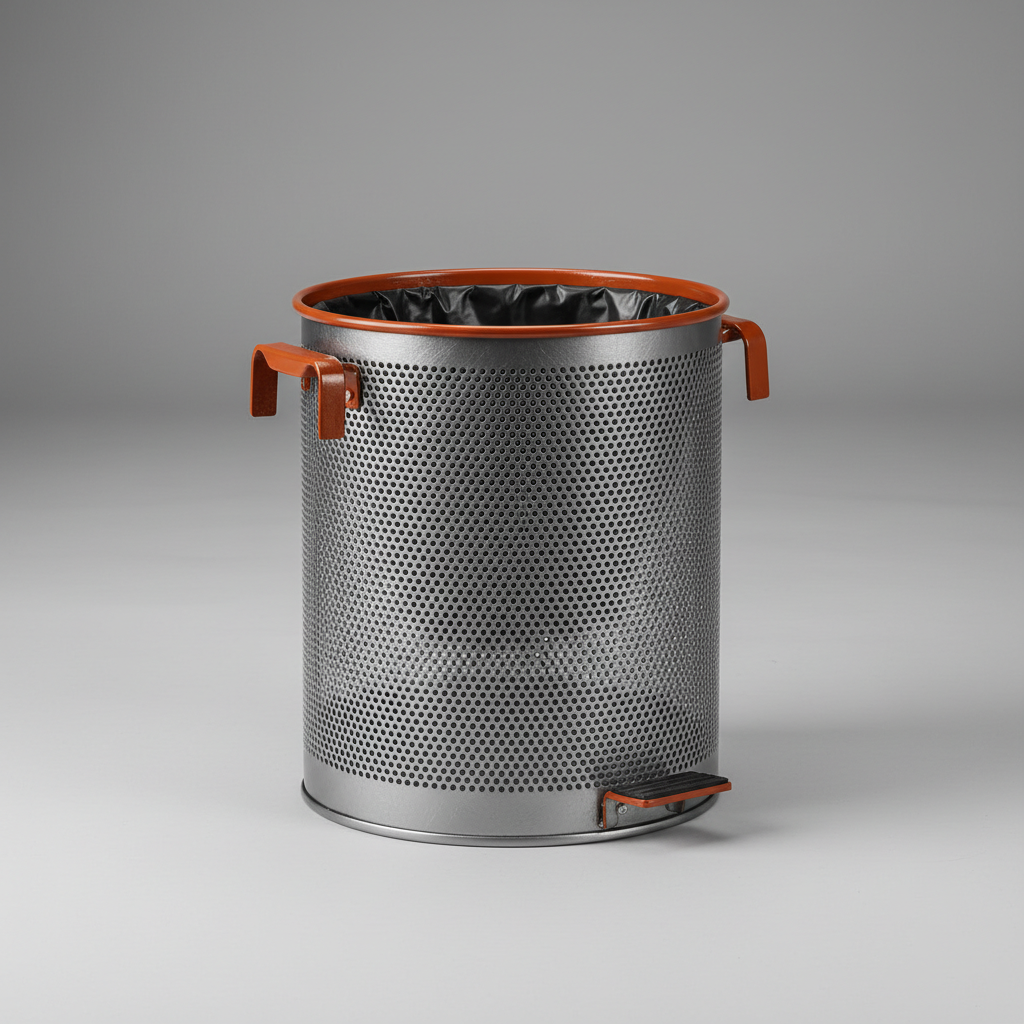
Types of Small Dustbins
Small dustbins come in a variety of materials, designs, and functionalities. Common materials include plastic, stainless steel, and metal. Plastic dustbins are lightweight, affordable, and available in a wide range of colors and styles. Stainless steel dustbins offer a more durable and hygienic option, often featuring a sleek and modern design. Metal dustbins are robust and suitable for outdoor use, but may be prone to rust if not properly treated. Different opening mechanisms, such as swing lids, foot pedals, and automatic sensors, also cater to varying preferences and hygiene requirements. Understanding these options is the first step towards selecting the ideal dustbin.
Key Considerations: Choosing the right material impacts durability, hygiene, and aesthetics. Consider the environment where the dustbin will be used – indoor, outdoor, or both – to determine the most suitable option.
Factors to Consider When Choosing a Small Dustbin
Several factors influence the suitability of a small dustbin. Capacity is crucial – select a size appropriate for the amount of waste generated. The location of the dustbin dictates the desired design and features. For example, a foot pedal-operated dustbin is ideal for kitchens and bathrooms where hygiene is paramount. Durability is also important, especially for outdoor use. Finally, aesthetic considerations play a role in ensuring the dustbin complements the surrounding environment. Considering these factors will help you narrow down your options and select a dustbin that meets your specific requirements.
Key Features Checklist:
• Capacity (liters)
• Material (plastic, stainless steel, metal)
• Opening Mechanism (swing lid, foot pedal, sensor)
• Durability and Weather Resistance
• Aesthetic Design
Comparing Popular Small Dustbin Materials
Choosing the right material for your small dustbin depends on your specific needs and priorities. Here's a comparison of the most common materials:
Applications of Small Dustbins
Small dustbins serve diverse purposes across various settings. In homes, they are essential for kitchens, bathrooms, bedrooms, and offices. In commercial spaces, they are commonly found in reception areas, restrooms, and break rooms. Public spaces, such as parks and transportation hubs, also benefit from strategically placed small dustbins to encourage responsible waste disposal. Choosing the right type and placement of dustbins contributes to a cleaner and more organized environment for everyone.
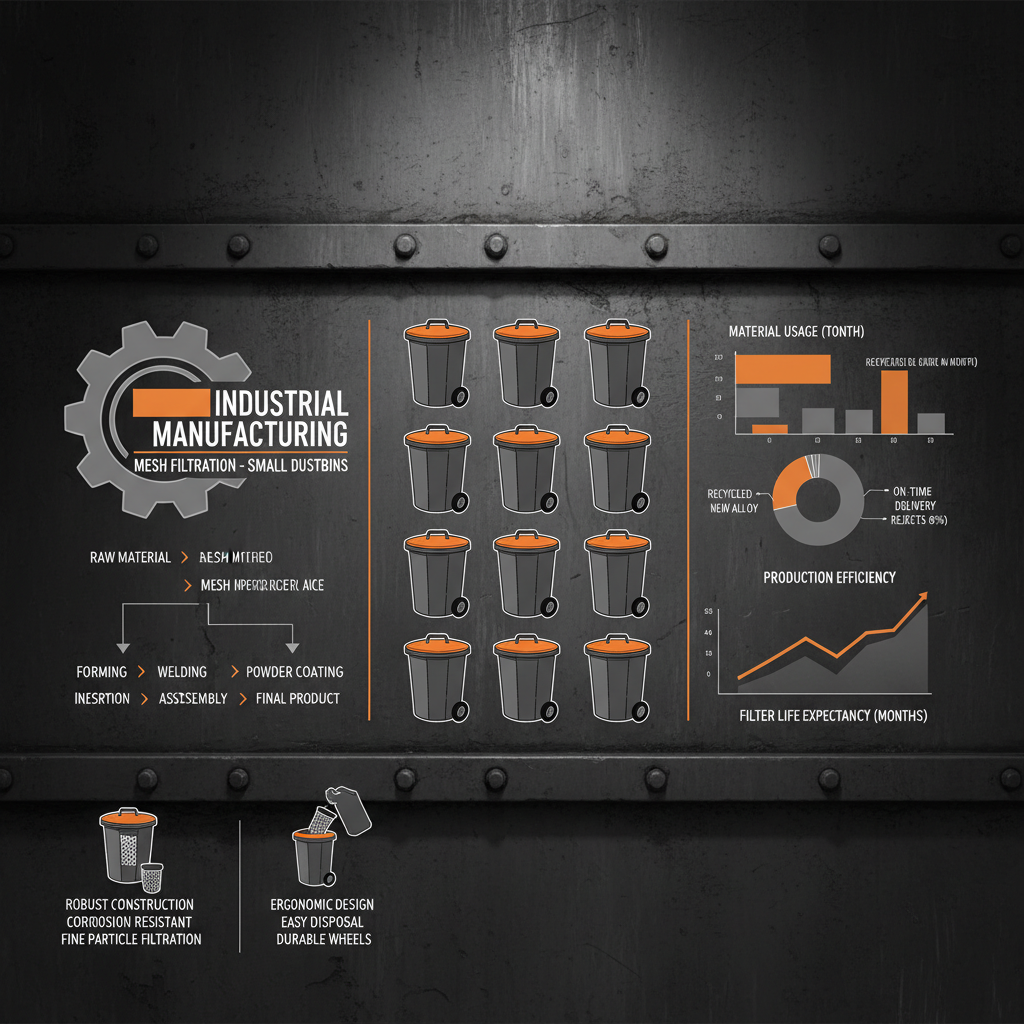
HBYQ Metal: Your Trusted Supplier of Small Dustbins
At HBYQ Metal, we specialize in providing high-quality small dustbins for a wide range of applications. Our extensive catalog includes various materials, designs, and sizes to meet your specific needs. We are committed to offering durable, hygienic, and aesthetically pleasing solutions that promote responsible waste management. Contact us today to explore our selection and find the perfect dustbin for your home or business.
Conclusion: Choose Wisely for a Cleaner Future
Selecting the right small dustbin is a small but significant step towards a cleaner and more organized environment. Consider your specific needs, the environment where it will be used, and the materials available. Investing in a quality dustbin from a trusted supplier like HBYQ Metal ensures durability, hygiene, and aesthetic appeal. Make the right choice and contribute to a more sustainable future.
Frequently Asked Questions (FAQs)
How often should I clean my small dustbin?
Regular cleaning is essential to maintain hygiene and prevent odors. Ideally, you should clean your small dustbin at least once a week, or more frequently if it's heavily used. Empty the contents regularly and wash the inside with soap and water. For plastic bins, you can use a disinfectant spray. Ensure the bin is completely dry before lining it with a new bag. This routine prevents the build-up of bacteria and keeps your space fresh and clean.
What size small dustbin is best for a bathroom?
For a bathroom, a small dustbin with a capacity of 2-5 liters is generally sufficient. A foot pedal-operated bin is highly recommended for hygienic hands-free operation. Consider the space available and choose a bin that fits comfortably without obstructing movement. A sleek and compact design will complement the bathroom's aesthetic.
Are there eco-friendly small dustbin options available?
Yes, several eco-friendly options are available. Look for dustbins made from recycled materials or biodegradable plastics. Using compostable bin liners is another excellent way to reduce your environmental impact. HBYQ Metal offers a selection of sustainable dustbin options to help you minimize your waste footprint.
How can I prevent odors from my small dustbin?
To prevent odors, ensure the dustbin is regularly emptied and cleaned. Use bin liners to contain waste and prevent leakage. You can also place a few drops of essential oil or baking soda at the bottom of the bin to absorb odors. Choosing a dustbin with a tight-fitting lid also helps to contain smells.
-
How to Choose the Best Durable Outdoor Patio Garbage CanNewsApr.16,2026
-
Best Durable Outdoor Garbage Can with Wheels for Every SpaceNewsApr.09,2026
-
Choosing the Right Dual Waste Bin for Business Efficiency and SustainabilityNewsApr.07,2026
-
Revolutionizing Waste Management with Versatile Electronic Bin SolutionsNewsApr.04,2026
-
Comprehensive Guide to Selecting the Right Rubbish Container SolutionsNewsMar.31,2026
-
Choosing the Right Large Rubbish Bin for Effective Waste ManagementNewsMar.28,2026
-
Choosing the Right Stainless Steel Waste Bin for Your NeedsNewsMar.26,2026