
Regional Analysis
The Landscape of Urban Utility in Kenya
Analyzing the shift toward standardized metal casting in East Africa's leading economic hub.
Kenya is currently undergoing a massive infrastructure expansion, particularly in the "last mile" connectivity of water and sewage systems. In urban centers like Nairobi and Kisumu, the rapid increase in road traffic density has placed immense pressure on existing utility access points. Traditionally, many areas relied on basic concrete or low-grade cast iron lids that were not designed for the current axial loads of heavy commercial vehicles. This has created a market need for standardized, high-load bearing 30 manhole cover options that can be integrated seamlessly into modern asphalt roads without causing surface degradation.
The current market trend is shifting from "lowest cost" procurement to "total cost of ownership" (TCO) evaluation. Kenyan municipal engineers are increasingly prioritizing materials that offer superior corrosion resistance and easier maintenance. This is driven by the high cost of emergency repairs and the operational downtime associated with failing covers. There is a growing demand for ductile iron over traditional grey iron due to its higher impact resistance, which is critical for the uneven road surfaces often found in expanding peri-urban zones. Additionally, the integration of specialized lifting tools has become a standard safety requirement for contractors.
Looking forward, the outlook for the Kenyan metal casting market is tied to the "Vision 2030" urban development goals. The primary opportunity lies in the modernization of decentralized sewage systems, where high-quality septic tank access is paramount for public health. However, the constraint remains the inconsistency in local casting standards. This creates a significant opening for certified international manufacturers who can provide consistent, traceable material quality. The future will likely see a move toward "smart" covers with sensors for flood detection, but the immediate priority remains the deployment of robust, heavy-duty physical barriers.
Industry Progress
Evolution of Utility Access Technology
From basic stone and concrete to precision-engineered ductile iron systems.
Early Phase
Basic Casting
Initial reliance on grey iron and concrete covers. While cost-effective, these materials were brittle and prone to cracking under minimal impact, requiring frequent replacements.
Developmental Phase
Material Transition
Introduction of ductile iron and anti-corrosive coatings. This shift dramatically reduced structural failures and allowed covers to withstand higher traffic volumes in urban cores.
Current Phase
Precision Engineering
Focus on zero-tolerance fit, ergonomic lifting, and secure locking. Modern systems now prioritize operational safety and the prevention of underground contamination.
Shift to Ductile Metallurgy
The industry has moved away from grey iron due to its inherent brittleness. Ductile iron's spherical graphite structure allows for greater elongation, meaning that under extreme load, the cover will deform slightly rather than shattering, which prevents catastrophic road collapses.
Standardization of Sizing
Previously, manhole sizes varied by local caster. The move toward global standards (like EN 124) ensures that replacement covers from different manufacturers fit existing frames, reducing the need to excavate and replace entire frame assemblies during maintenance.
Integration of Security Features
As underground assets (fiber optics, high-voltage power) become more valuable, the "simple lid" has evolved into a security portal. Current designs include tamper-proof bolts and specialized keys to prevent theft and unauthorized access to critical networks.
Future Outlook
Next-Generation Infrastructure Trends
How technology is redefining the role of the humble manhole cover in smart city development.
IoT-Enabled Monitoring
Integration of sensors to monitor gas levels, water flow, and cover position in real-time. This allows municipalities to detect floods or unauthorized openings instantly via a central dashboard.
Sustainable Metallurgy
Increasing use of recycled scrap iron in the casting process to reduce the carbon footprint of infrastructure projects without compromising the load-bearing capacity of the final product.
Modular Frame Systems
The move toward adjustable frames that can be modified after installation to match changing road levels, eliminating the need for complete excavation when roads are repaved.
Customized Aesthetic Integration
Increasing demand for customized patterns and logos on covers for commercial developments and public parks, blending industrial functionality with urban architectural aesthetics.
The convergence of material science and digital monitoring is transforming utility access from a passive component into an active asset. In the context of Kenya's rapid urbanization, this means moving toward "predictive maintenance." Instead of waiting for a cover to fail or a sewer to overflow, operators can use IoT-integrated covers to identify pressure build-ups or structural shifts before they become hazardous. This shift not only increases public safety but significantly reduces the long-term operational expenditure (OPEX) for municipal governments by targeting repairs exactly where they are needed.
Furthermore, the emphasis on sustainable production is no longer optional. As global standards for "green procurement" reach East Africa, the ability to provide cast iron products with a certified recycled content percentage is becoming a competitive advantage. This transition requires a sophisticated control over the smelting process to ensure that recycled materials do not introduce impurities that could compromise the tensile strength of the manhole cover. The result is an infrastructure that is not only robust and secure but also aligned with international environmental goals.
Practical Applications
Deployment Scenarios Across Kenya
Real-world applications of our casting solutions in diverse environmental and operational contexts.
01
High-Traffic Arterial Roads in Nairobi Central Business District
In areas with constant heavy truck traffic and frequent braking/acceleration, standard covers often crack. By deploying our high-load ductile iron covers with reinforced frames, operators eliminate the "rocking" effect. The superior tensile strength ensures that the access points remain flush with the asphalt, preventing road potholes and ensuring the safety of thousands of daily commuters.
02
Coastal Wastewater Systems in Mombasa
The saline air and high humidity in Mombasa cause rapid corrosion in traditional metal lids, leading to seized covers. Our solution involves the application of heavy-duty anti-corrosive epoxy coatings. This prevents salt-induced oxidation, ensuring that maintenance crews can easily remove the covers for routine inspections without needing to cut through rusted metal.
03
Residential Septic Tank Networks in Peri-Urban Nakuru
In expanding residential zones, improper sealing of septic tanks leads to odor leaks and debris ingress. We provide precision-fit septic tank manhole cover systems with airtight gaskets. This not only prevents contamination of the groundwater but also ensures a hygienic environment for residents by eliminating sewer gas emissions.
04
Public Park and Recreational Facility Management
Public spaces require a balance between industrial strength and visual appeal. For park drainage systems, we provide customized cast iron covers with non-slip patterns and integrated aesthetic designs. These covers support maintenance vehicle weight while blending into the landscape, preventing trip hazards for visitors and pedestrians.
05
Industrial Estate Utility Grids in Thika
Factories often have heavy machinery movements and chemical spills that erode standard manhole frames. Our solution utilizes high-grade chemical-resistant alloys and reinforced locking mechanisms. This ensures that the utility access points remain secure and structurally sound despite exposure to industrial acids and extreme axial loads from heavy cargo transport.
Implementation Evidence
Representative Deployment Perspectives
Illustrating the operational impact of professional casting solutions from the perspective of infrastructure operators.
In high-traffic urban zones, the transition to ductile iron covers has drastically reduced the frequency of road patching. The precision fit prevents the frame from shifting under heavy axle loads, which was a primary cause of surface failure with previous suppliers. The longevity of the material has significantly lowered our annual maintenance budget for road repairs.
Coastal humidity used to make our sewer access a nightmare, with rusted covers requiring cutting torches to open. Switching to epoxy-coated solutions has solved this. We can now perform rapid inspections using standard lifting tools, which has reduced our response time to emergency blockages by nearly half in humid coastal environments.
The most significant improvement has been in site safety. By utilizing a professional manhole cover puller compatible with integrated lifting points, our crew no longer risks back injuries from improvised prying. The security bolts have also ended the recurring issue of theft in our residential project sites, protecting the expensive underground assets.
Our Legacy
HEBEI YONGQIAN TRADING CO.,LTD.
A pioneering force in the manufacture and distribution of industrial metal casting solutions.
Foundation Phase
Industry Pioneer
Established as a dedicated manufacturer and distributor, we focused on the core fundamentals of cast iron production. By integrating high-quality raw materials with traditional casting expertise, we began providing essential manhole covers, valves, and pipe fittings to a growing industrial client base.
Expansion Phase
Technological Upgrade
We invested in a state-of-the-art manufacturing facility equipped with cutting-edge machinery. This enabled us to maintain precise control over the production process, moving toward ductile iron technology and implementing stringent quality criteria for all utility components.
Diversification Phase
Comprehensive Portfolio
Beyond manhole covers, we expanded our expertise into specialized valves, pipe fittings for fluid systems, and durable park facilities. This diversification allows us to provide one-stop solutions for urban infrastructure, from wastewater management to public recreational spaces.
Customer-Centricity
Service Excellence
We evolved our business model to be fully customer-centric, offering personalized guidance from product selection to installation assistance. Our reliable delivery network ensures that high-quality casting products reach clients efficiently, regardless of order size.
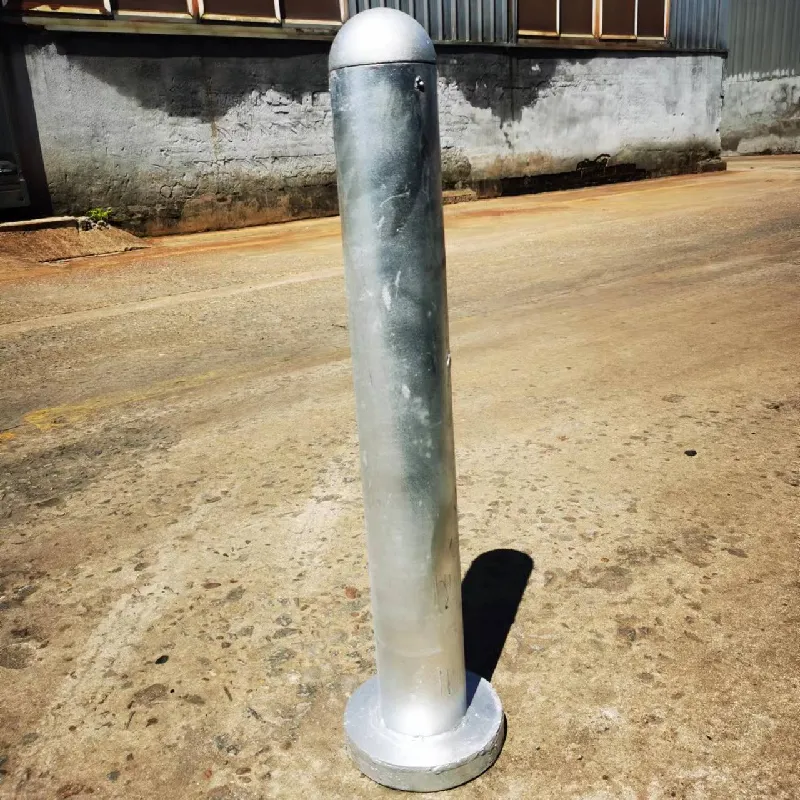
Warning Post, Traffic Post, Traffic Posts, Road Isolation Post, Diversion Barrier
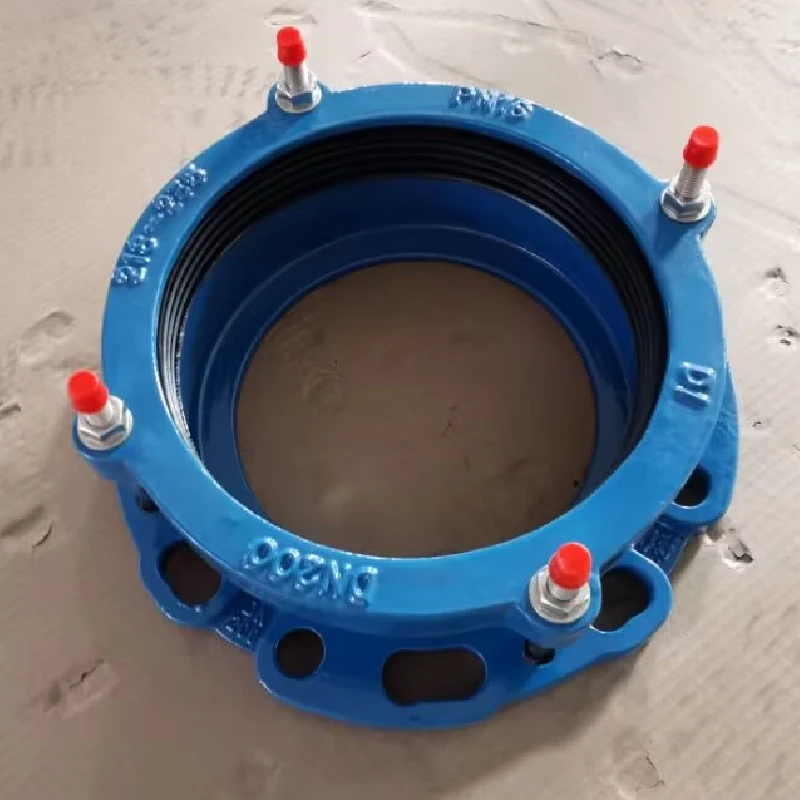
Universal flange Adaptor PN10, PN16/Brida universal PN10, PN16
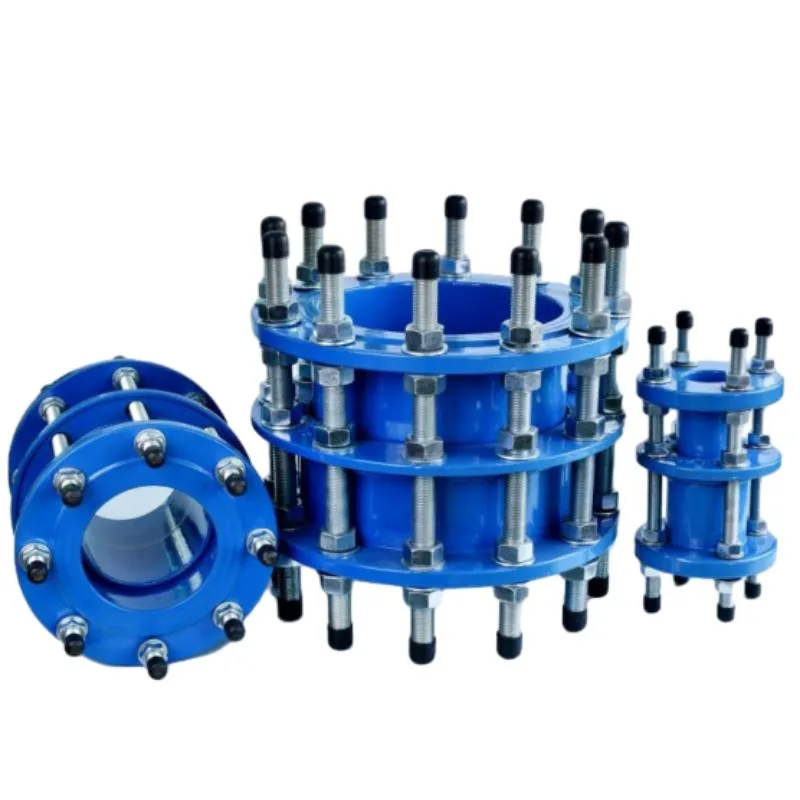
Self Restrained Dismantling Joints Fusion Bonded Epoxy PN10/PN16/PN25/PN40 DN40-DN1200
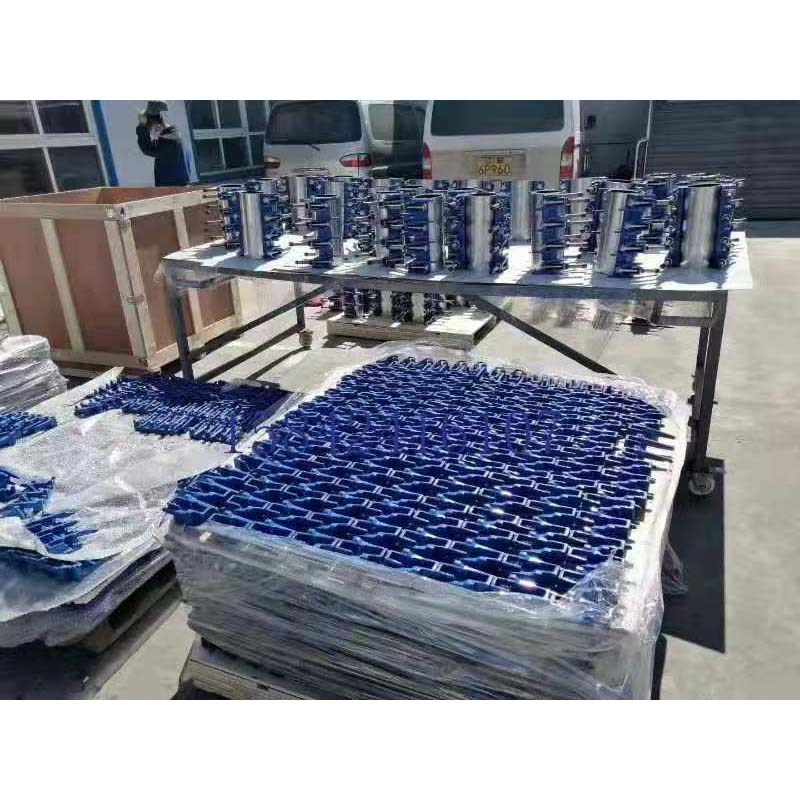
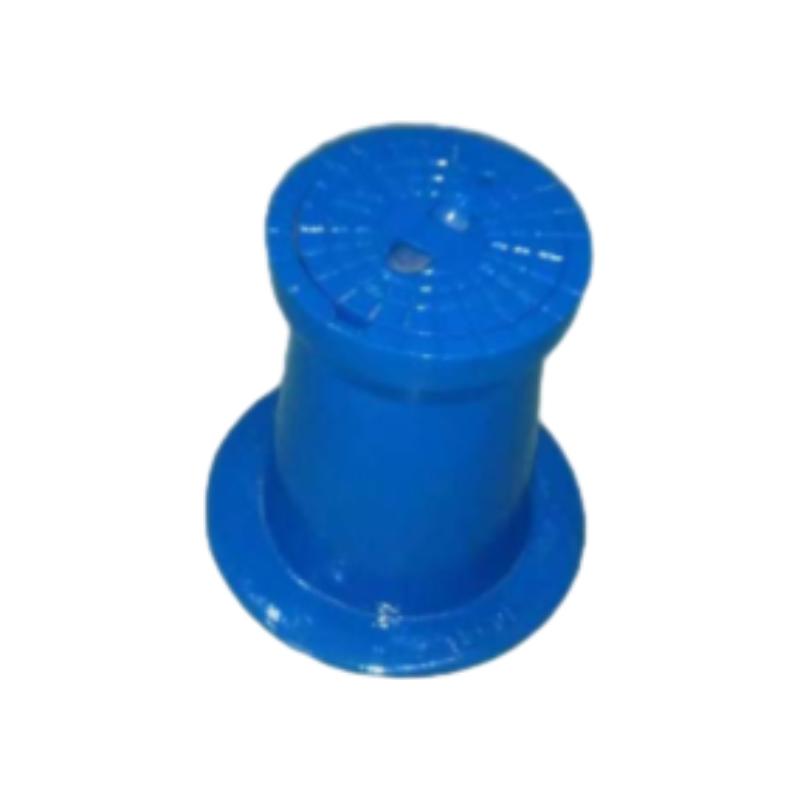
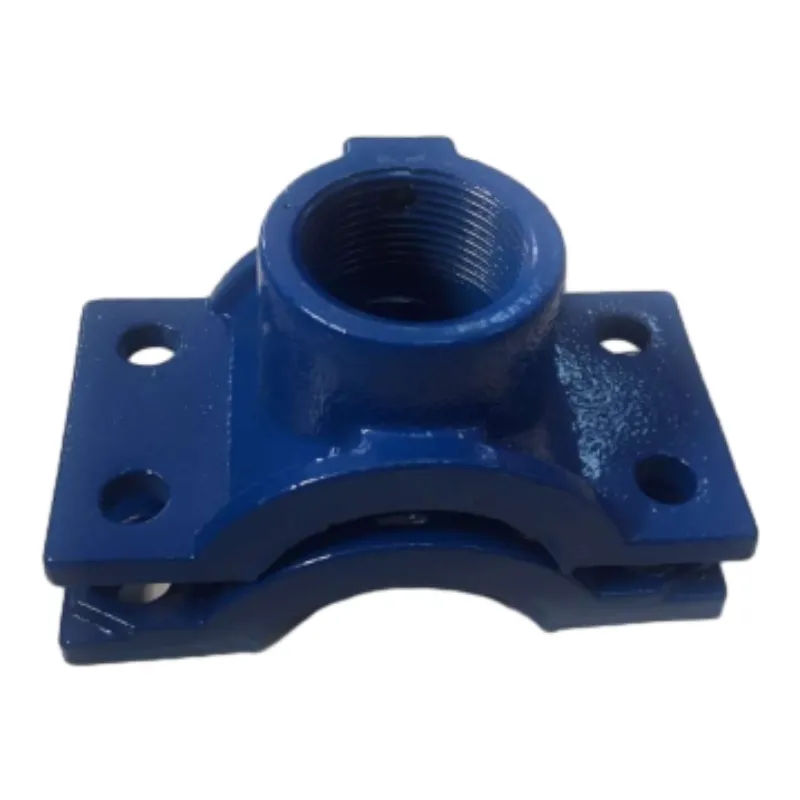
Ductile Iron Jaw Repair Clamp
Technical Support
Frequently Asked Questions
Expert answers to common queries regarding the selection and installation of manhole covers in Kenya.
What is the primary difference between grey iron and ductile iron manhole covers?
The main difference lies in the graphite structure. Grey iron has flake graphite, making it brittle and prone to cracking under impact. Ductile iron has spherical graphite, which provides significantly higher tensile strength and flexibility. In practical terms, a ductile iron cover can bend slightly under extreme load without breaking, making it the superior choice for high-traffic roads and industrial zones in Kenya where heavy vehicle impact is common.
How do I determine the correct load-bearing class for my project?
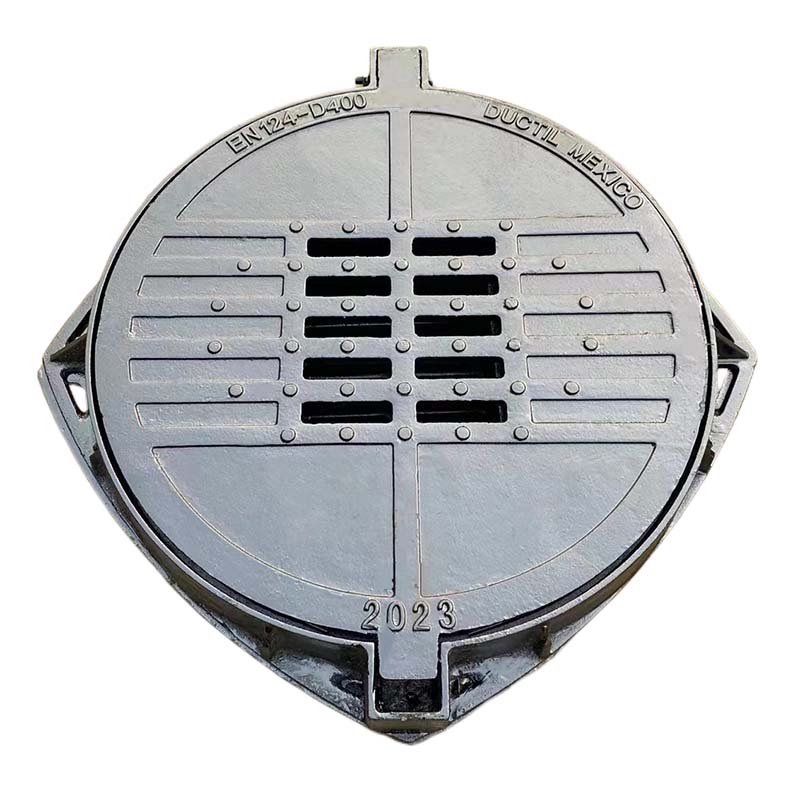
Load-bearing classes are determined by the expected traffic volume and vehicle weight. For residential footpaths or gardens, a low-load class is sufficient. However, for main arterial roads in Nairobi or industrial estates, Class D400 (up to 40 tonnes) is typically required. We recommend evaluating the maximum axial load of the heaviest vehicle likely to cross the cover and adding a safety margin of 20% to ensure long-term structural integrity.
Which coating is most effective for manhole covers in coastal regions like Mombasa?
For coastal environments, a heavy-duty bitumen coating or a specialized epoxy powder coating is most effective. These coatings create a non-porous barrier that prevents salt-laden moisture from reaching the iron surface, thereby stopping the oxidation process. It is critical to ensure the coating is applied uniformly across all surfaces, including the seating edges, to prevent "edge-creep" corrosion which can lead to seized lids.
Can these covers be customized with company logos or specific patterns?
Yes, we offer full customization. We can integrate company logos, municipal insignias, or specific non-slip patterns into the mold design. This is particularly useful for corporate campuses or public parks where branding and aesthetics are important. Customization does not affect the structural load-bearing capacity, as we ensure the thickness of the cover remains consistent with the required load class despite the embossed patterns.
What are the best practices for installing a manhole cover to prevent road rocking?
To prevent rocking, the frame must be set on a perfectly level and compacted bedding of lean concrete or mortar. The frame should be installed so that its top edge is exactly flush with the final road surface. Any gap or tilt will concentrate the vehicle load on one edge of the cover, leading to premature failure of both the casting and the surrounding asphalt. Using a precision-cast frame ensures a tighter fit with the lid, further reducing vibration.
How do I safely remove a heavy cast iron cover without damaging the frame?
The only safe and professional method is to use a dedicated manhole cover puller. Using crowbars or screwdrivers often damages the seating edges of the frame, which creates the gaps that lead to rocking. A professional puller engages the integrated lifting points of the cover, distributing the force evenly and allowing the lid to be lifted vertically without applying lateral stress to the frame.
Get Expert Guidance
Secure Your Utility Infrastructure with Certified Casting Solutions
Whether you are managing a large-scale municipal project in Nairobi or installing durable septic systems in rural Kenya, our engineering team is ready to help you select the perfect load class and coating for your specific environment. Ensure your project's longevity by partnering with a manufacturer dedicated to precision and safety.
Discuss Your Requirements