
Comprehensive Guide to Trash Dumpster Selection and Effective Waste Management
Trash Dumpster: A Comprehensive Guide to Selection & Use
Choosing the right trash dumpster is essential for efficient waste management in various settings – from construction sites to commercial businesses and residential complexes. This article provides a detailed overview of trash dumpsters, covering different types, materials, sizes, and key considerations for selecting the best option for your specific needs. Efficient waste management is paramount for maintaining cleanliness, complying with regulations, and promoting sustainability. We'll explore everything you need to know about trash dumpsters to make an informed decision.
Types of Trash Dumpsters
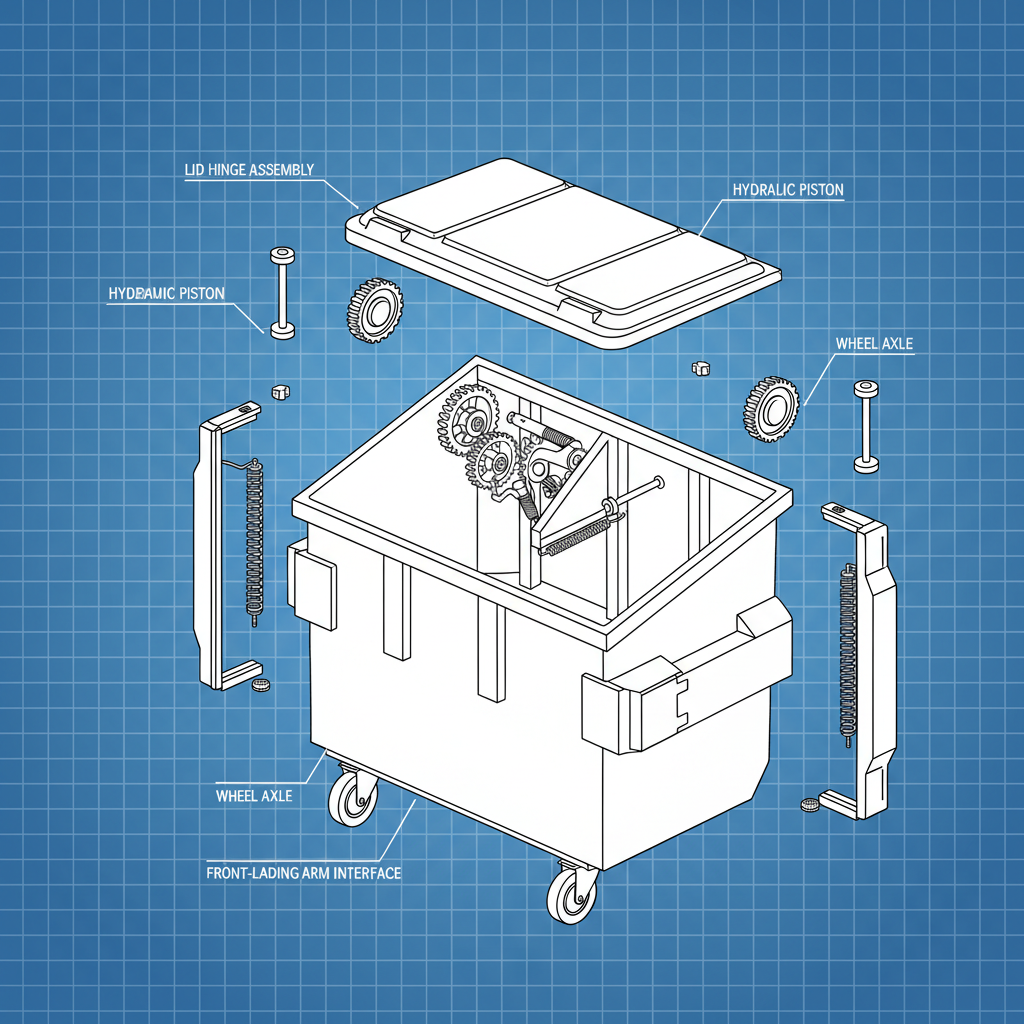
Trash dumpsters come in various configurations, each suited to different applications. The most common types include: roll-off dumpsters (ideal for construction debris and large-scale cleanouts), front-load dumpsters (typically used for commercial businesses with regular waste collection), and rear-load dumpsters (often found at residential properties and smaller businesses). Dumpsters can also be categorized by the type of waste they handle – general waste, recycling, or specialized materials like concrete or metal. Choosing the appropriate type is crucial for efficient waste handling and cost-effectiveness. Consider the volume of waste, frequency of collection, and type of materials when making your selection.
Key Highlights: Understanding the different types of trash dumpsters – roll-off, front-load, and rear-load – allows you to select the most suitable option for your waste management needs.
Materials Used in Trash Dumpster Construction
Trash dumpsters are typically constructed from durable materials designed to withstand heavy use and harsh environmental conditions. Steel is the most common material, offering excellent strength and resistance to damage. However, steel dumpsters can be prone to rust, particularly in coastal areas. Aluminum dumpsters are lighter weight and corrosion-resistant, making them a good choice for areas with high humidity. Plastic dumpsters are also available, offering a lightweight and cost-effective solution, but they may not be as durable as steel or aluminum. The material choice will impact the lifespan of the dumpster and its overall cost.
Material Comparison:
• Steel: Strong, durable, but prone to rust.
• Aluminum: Lightweight, corrosion-resistant, higher cost.
• Plastic: Lightweight, cost-effective, less durable.
Choosing the Right Trash Dumpster Size
Selecting the appropriate dumpster size is crucial for avoiding overflow and unnecessary collection costs. Dumpster sizes are typically measured in cubic yards. Common sizes include 4-yard, 6-yard, 8-yard, 10-yard, 20-yard, and 40-yard dumpsters. To determine the right size, estimate the volume of waste you generate over a specific period. Consider the type of waste – bulky items like construction debris take up more space than compactible waste like cardboard. It’s better to slightly overestimate than underestimate, as overflow can lead to fines and inconvenience.
Factors Affecting Trash Dumpster Costs
The cost of renting or purchasing a trash dumpster varies depending on several factors, including the size of the dumpster, the rental duration, the location, and the type of waste. Additional fees may apply for delivery, pickup, and disposal of specialized materials. Comparing quotes from multiple suppliers is essential to ensure you get the best price. Long-term rental agreements may offer discounted rates. Consider the total cost of ownership when deciding whether to rent or purchase a dumpster. HBYQ Metal provides competitive pricing and flexible rental options.
Maintaining Your Trash Dumpster for Longevity
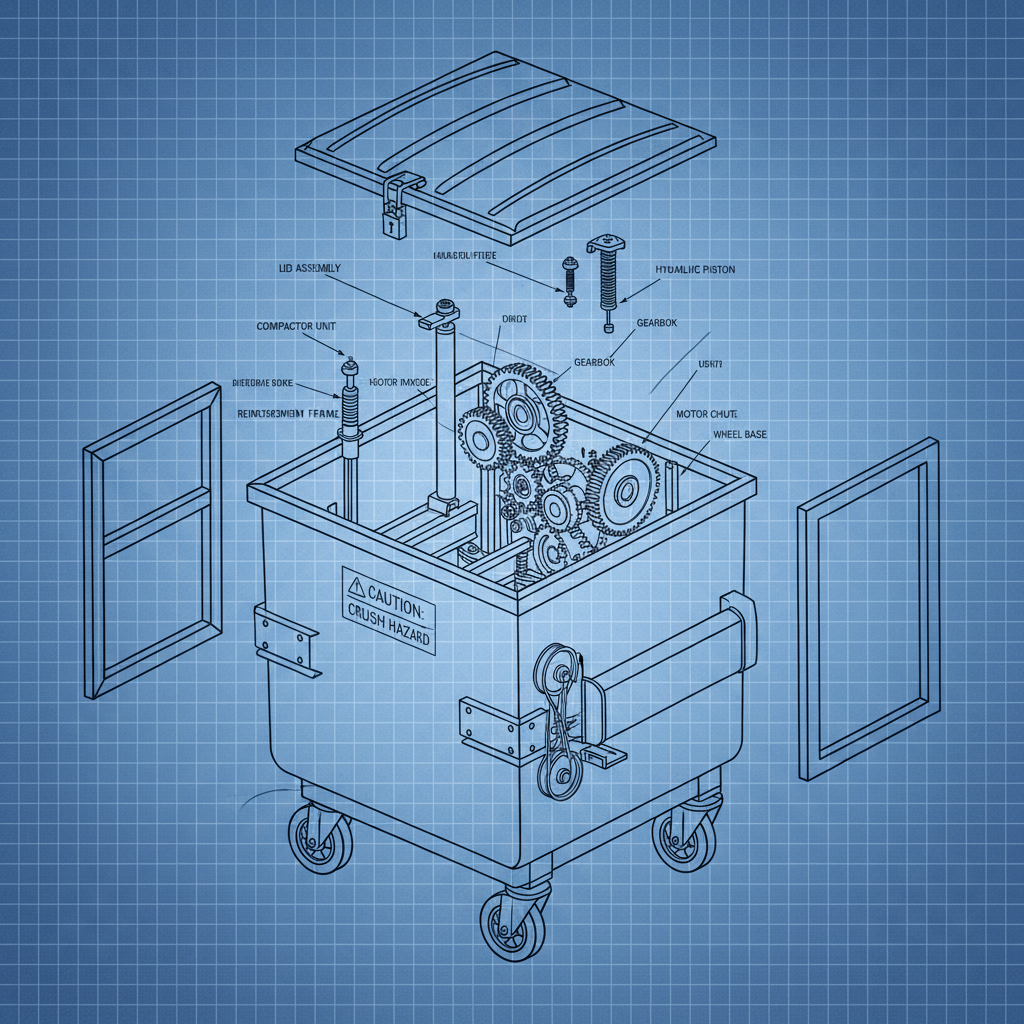
Regular maintenance can extend the lifespan of your trash dumpster and prevent unpleasant odors and pest infestations. Rinse the dumpster periodically to remove residue and prevent buildup. Ensure the lid is securely closed to prevent rain and debris from entering. Avoid overloading the dumpster, as this can damage the structure. Report any damage or maintenance issues to your rental provider promptly. Proper maintenance demonstrates responsible waste management practices.
Conclusion: Choosing the Right Trash Dumpster
Selecting the right trash dumpster is a crucial aspect of efficient waste management. By considering the type of waste, volume, material, and cost, you can make an informed decision that meets your specific needs. Regular maintenance will ensure the longevity of your dumpster and promote responsible waste disposal practices.
Frequently Asked Questions (FAQs)
What types of waste can I put in a standard trash dumpster?
Generally, standard trash dumpsters are designed for non-hazardous, general waste such as household trash, cardboard, paper, and plastic. However, restrictions often apply to certain materials like tires, electronics, paint, and hazardous chemicals. Always check with your rental provider or local regulations for specific guidelines. Separating recyclable materials is essential for environmentally responsible waste management.
How often should I empty my trash dumpster?
The frequency of emptying your dumpster depends on the volume of waste generated and the size of the dumpster. For residential use, weekly or bi-weekly pickups may be sufficient. Commercial businesses typically require more frequent collections. It's best to schedule pickups before the dumpster becomes completely full to avoid overflow and associated issues. Monitoring the fill level and adjusting the pickup schedule accordingly is recommended.
Are there any regulations regarding dumpster placement?
Yes, many municipalities have regulations governing dumpster placement. These regulations may specify requirements for distance from property lines, visibility, and accessibility for collection vehicles. Failing to comply with these regulations can result in fines. It's important to check with your local government or homeowners association before placing a dumpster on your property.
What safety precautions should I take when using a trash dumpster?
Always wear appropriate personal protective equipment (PPE), such as gloves and closed-toe shoes, when handling trash. Avoid overloading the dumpster, and be careful when lifting heavy items. Never climb inside the dumpster. Be aware of your surroundings and watch for moving vehicles during collection.
-
How to Choose the Best Durable Outdoor Patio Garbage CanNewsApr.16,2026
-
Best Durable Outdoor Garbage Can with Wheels for Every SpaceNewsApr.09,2026
-
Choosing the Right Dual Waste Bin for Business Efficiency and SustainabilityNewsApr.07,2026
-
Revolutionizing Waste Management with Versatile Electronic Bin SolutionsNewsApr.04,2026
-
Comprehensive Guide to Selecting the Right Rubbish Container SolutionsNewsMar.31,2026
-
Choosing the Right Large Rubbish Bin for Effective Waste ManagementNewsMar.28,2026
-
Choosing the Right Stainless Steel Waste Bin for Your NeedsNewsMar.26,2026